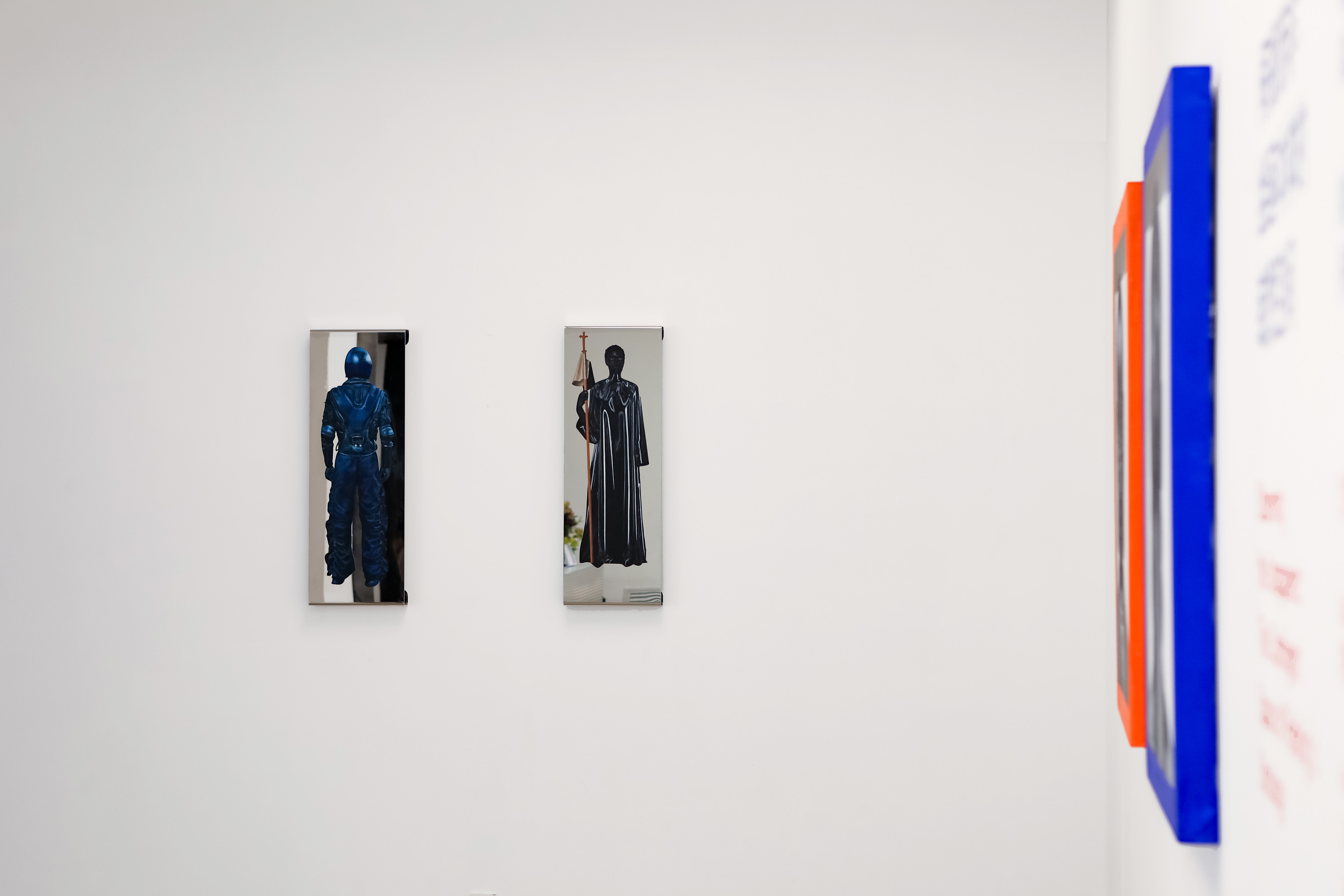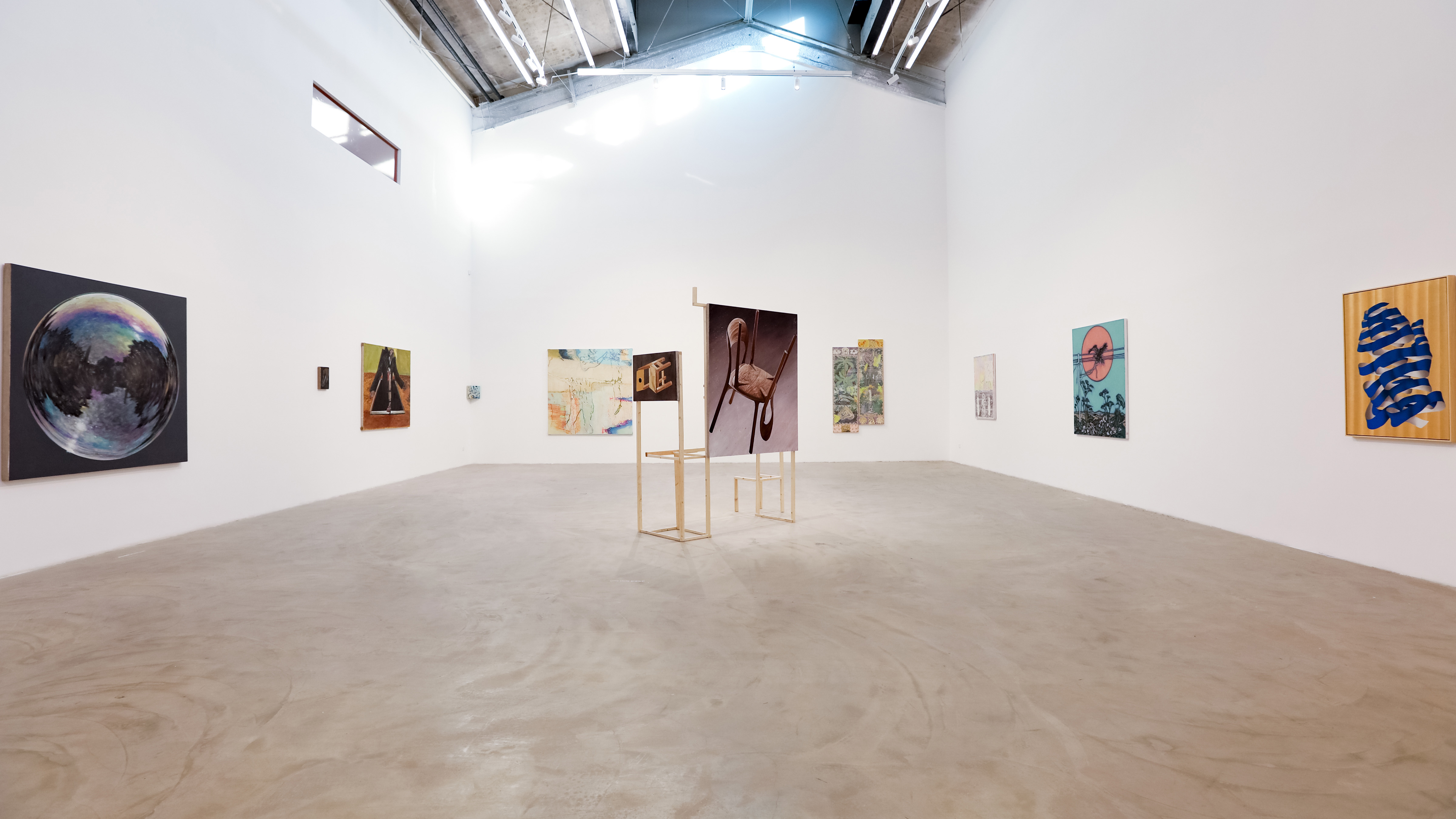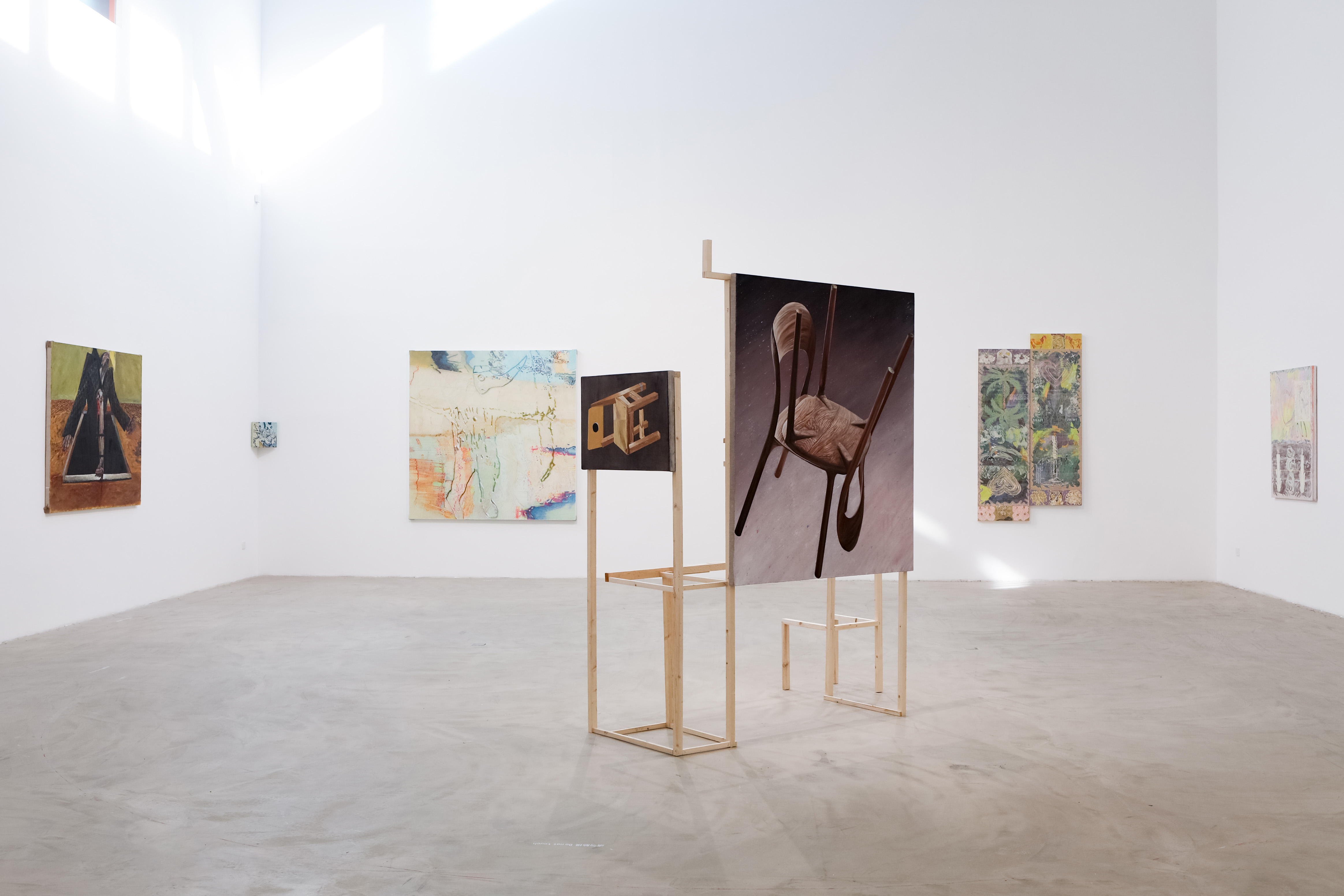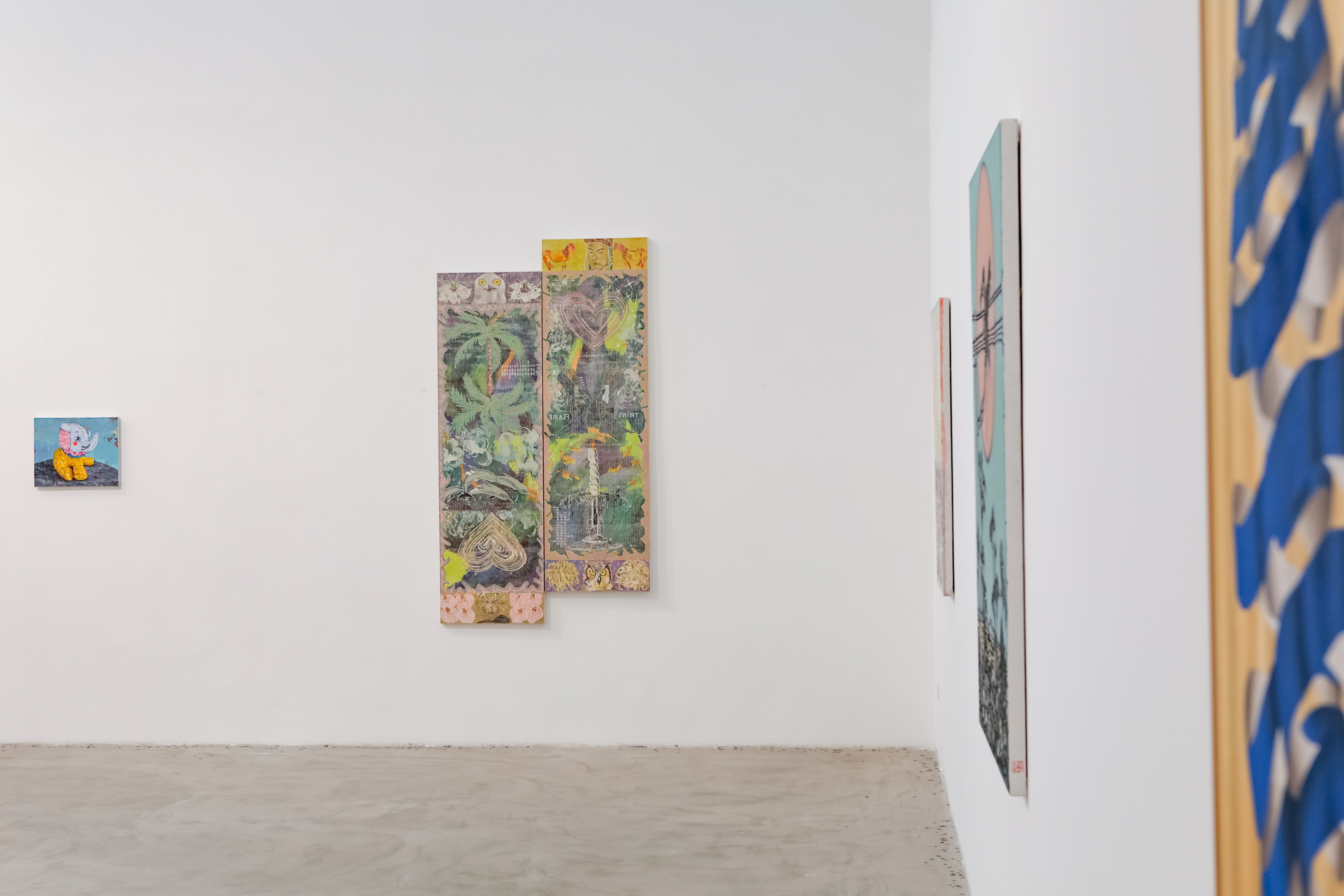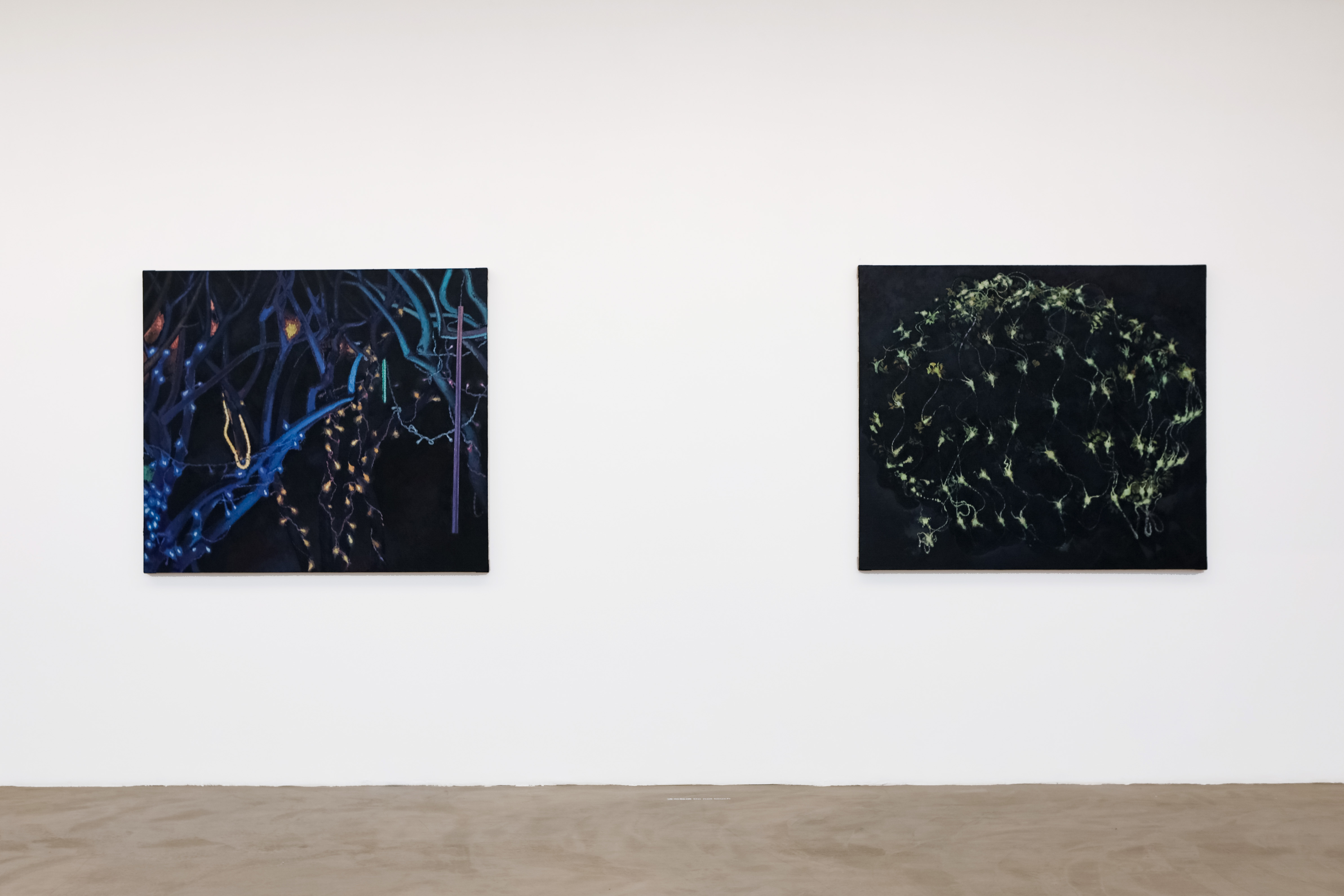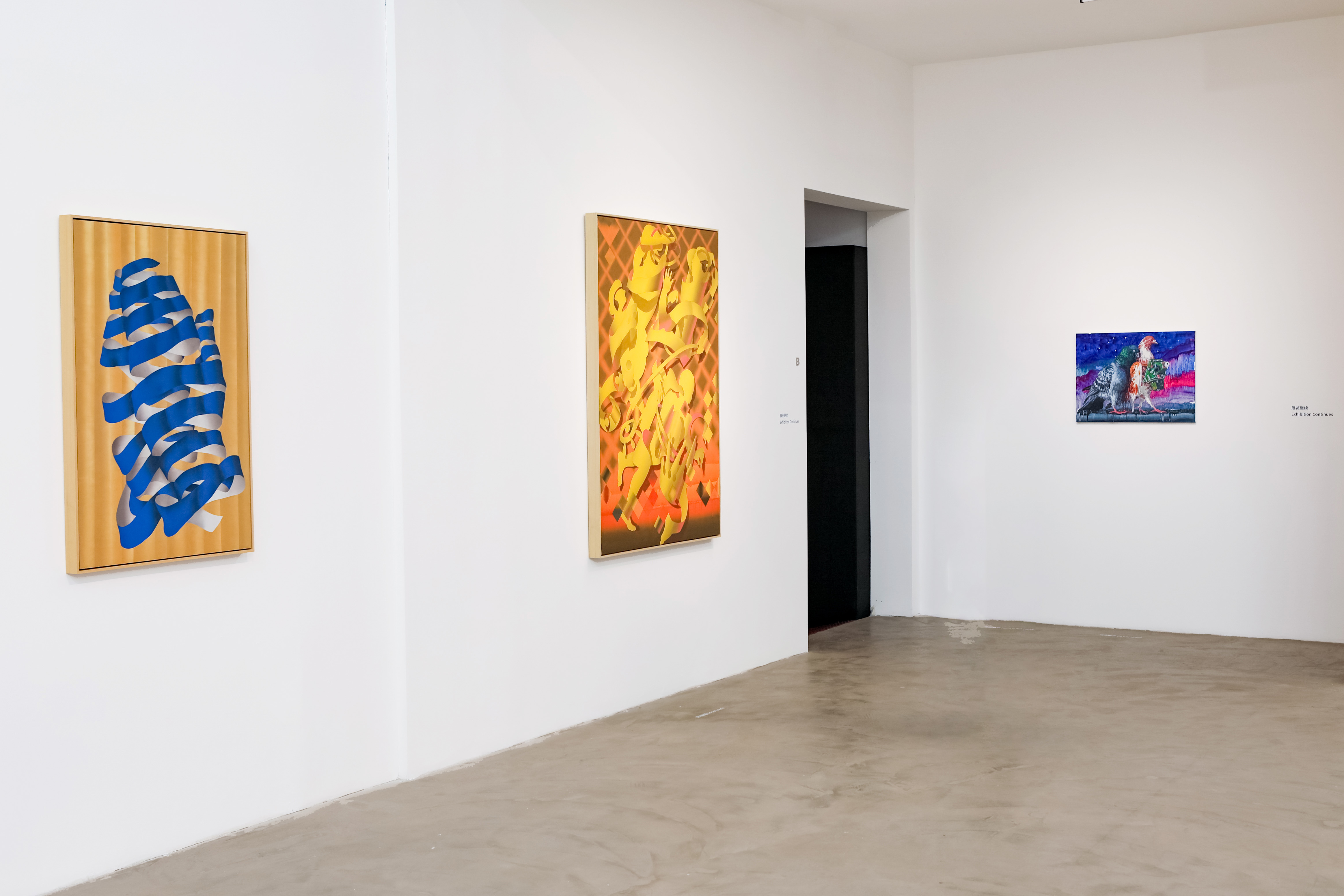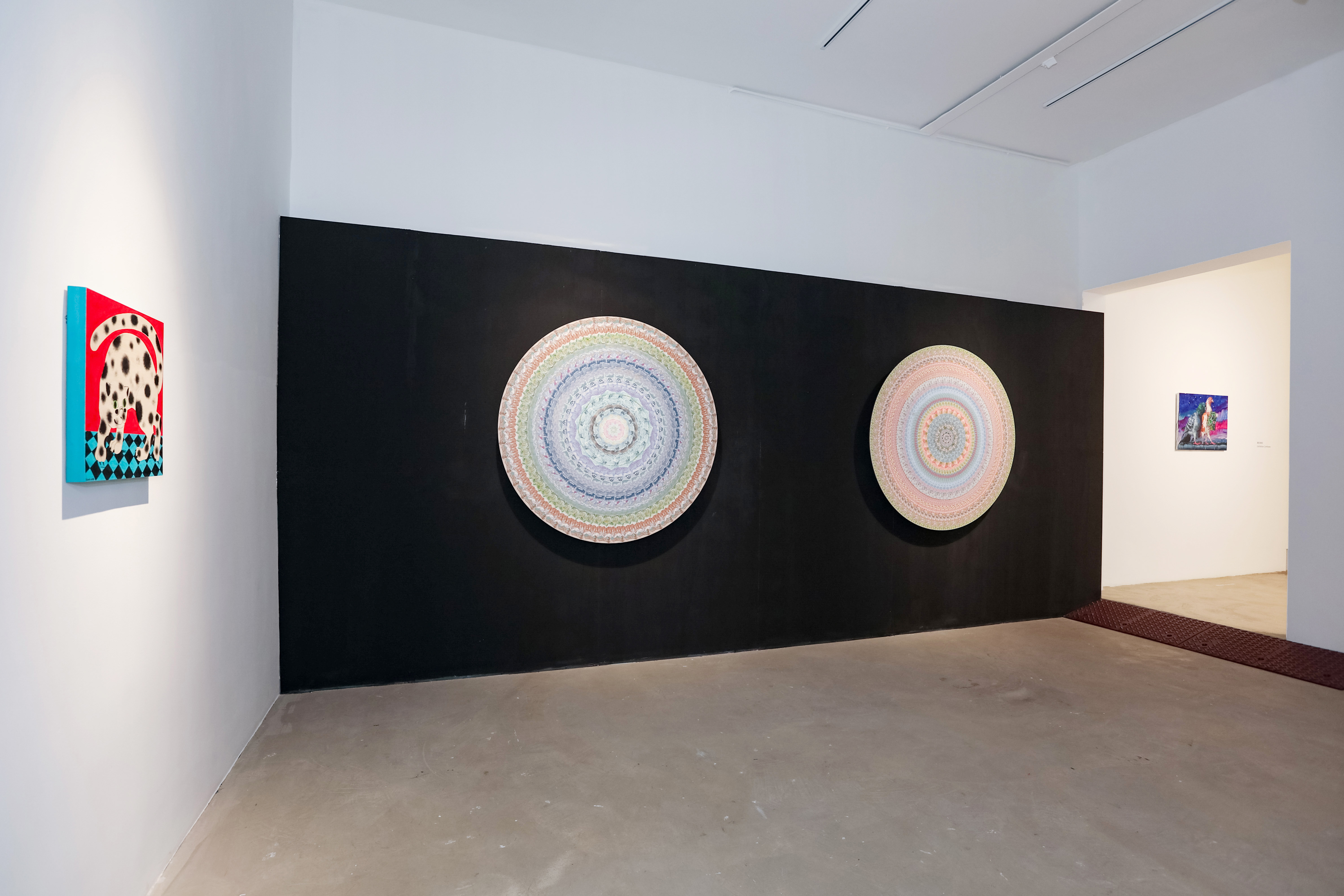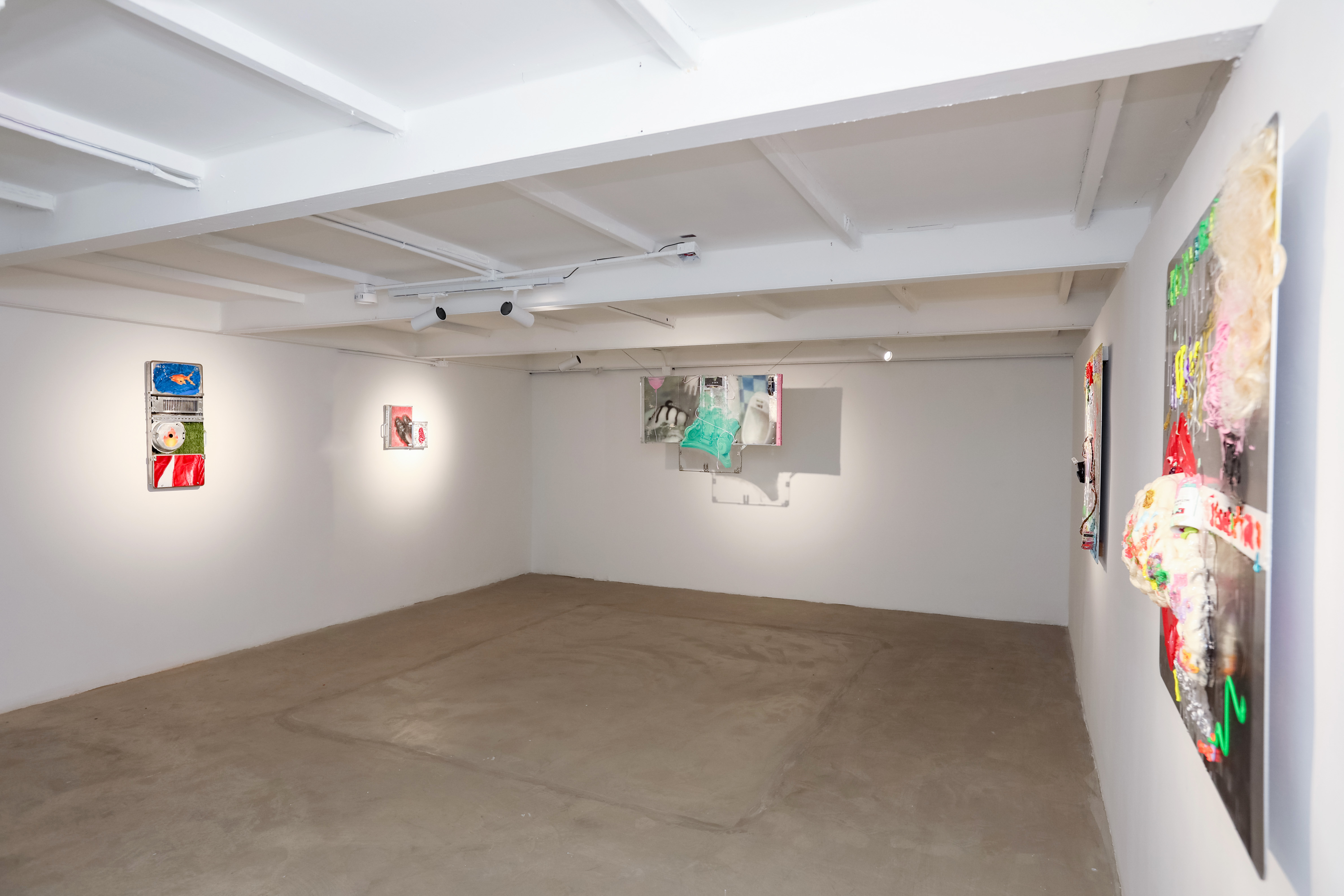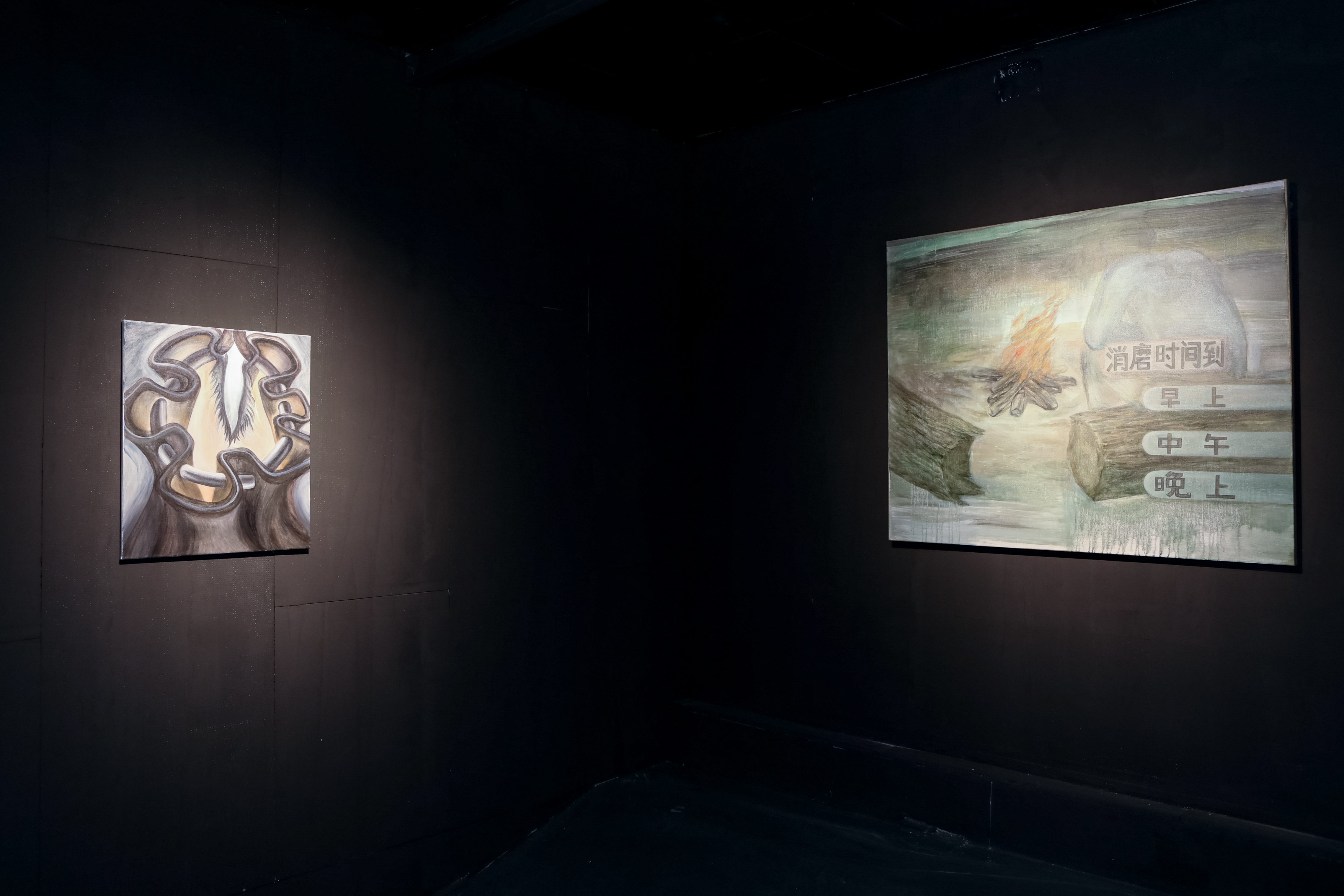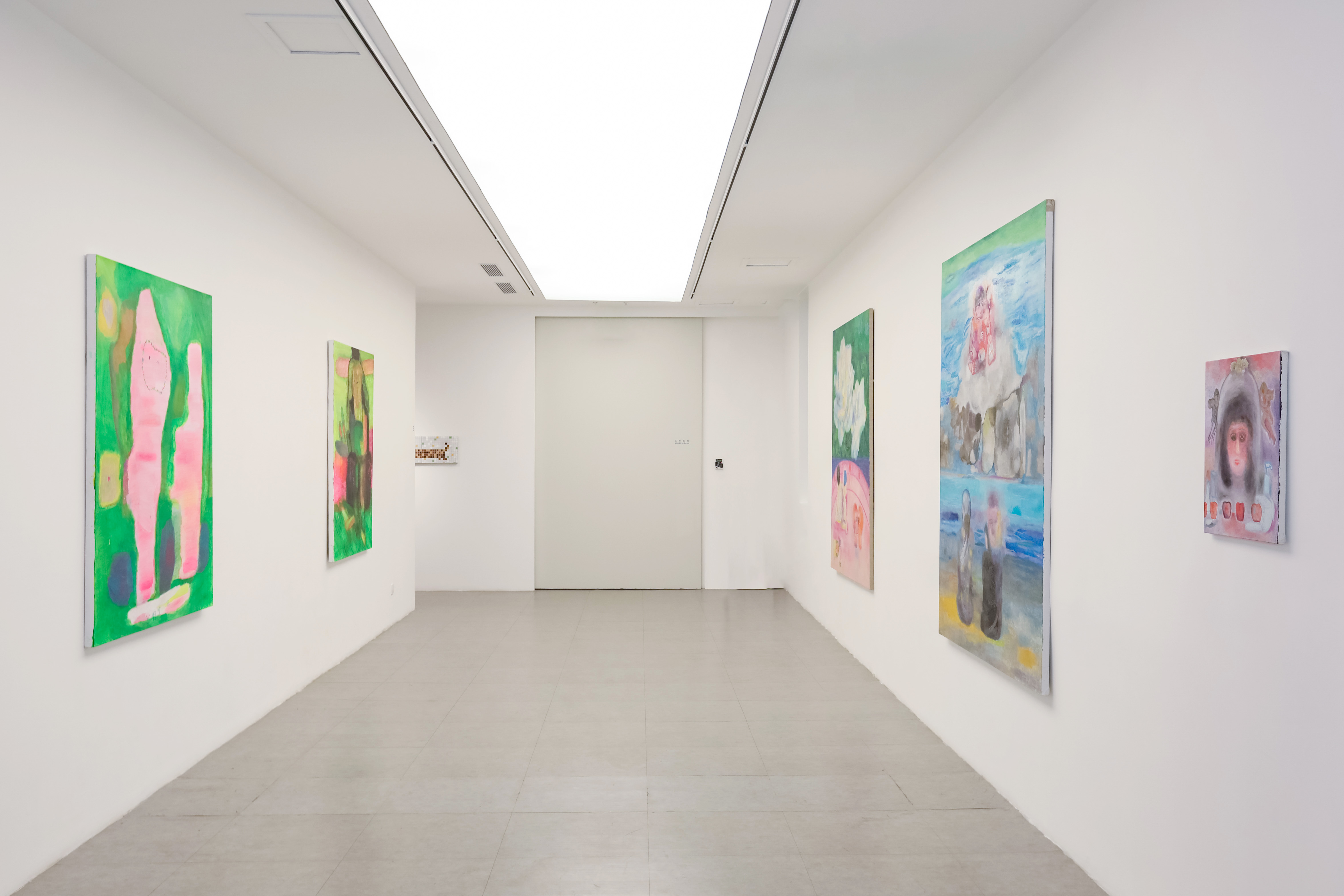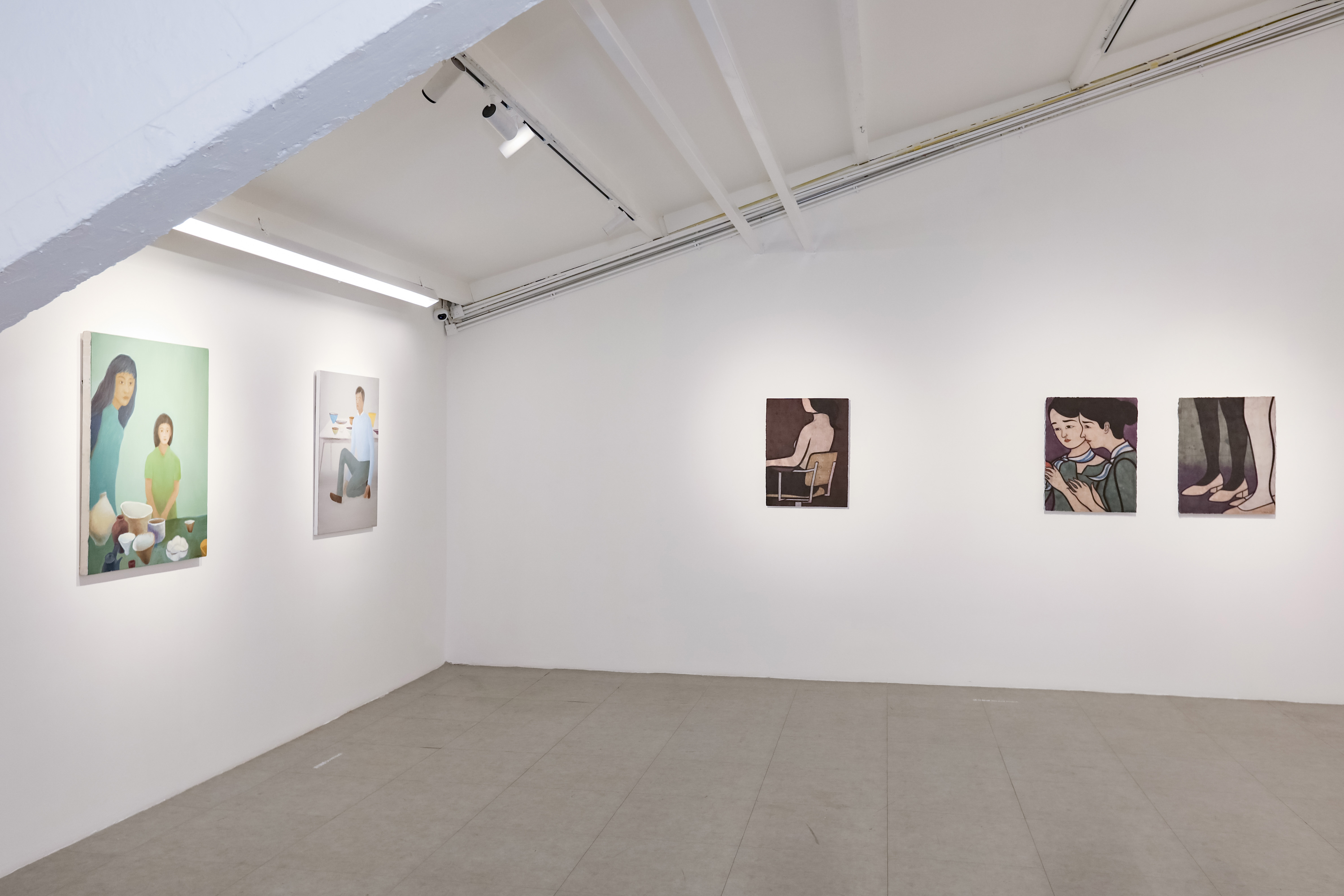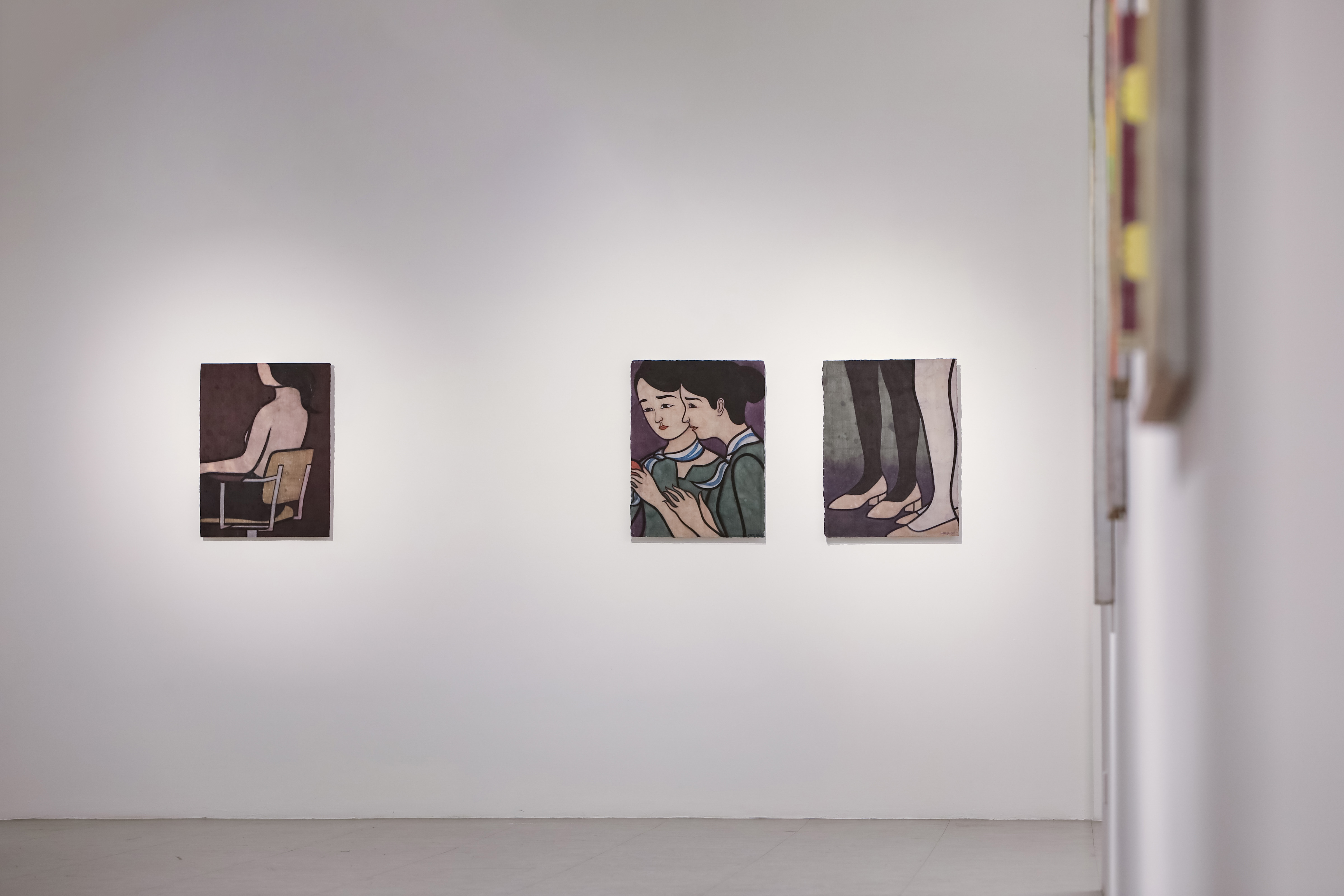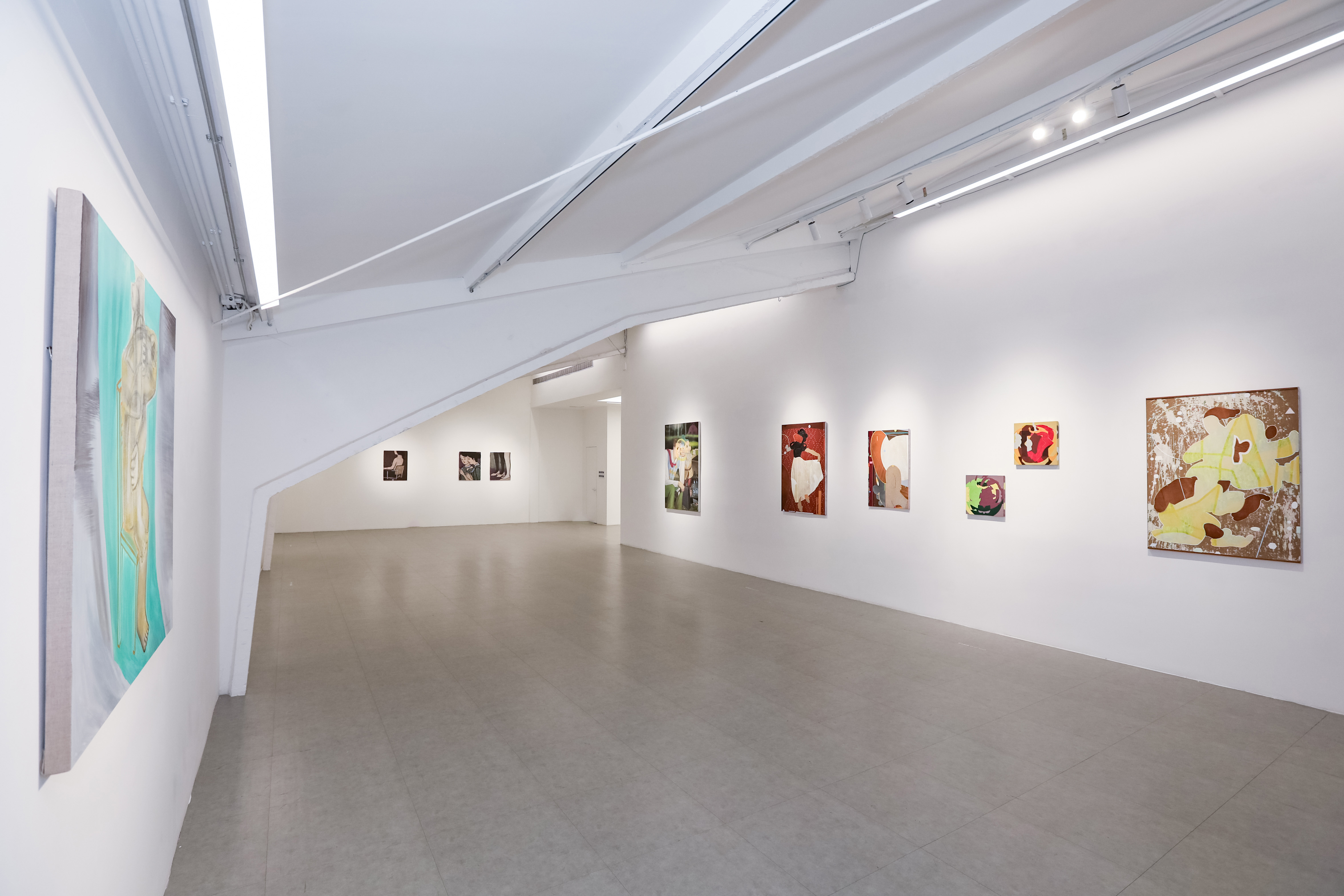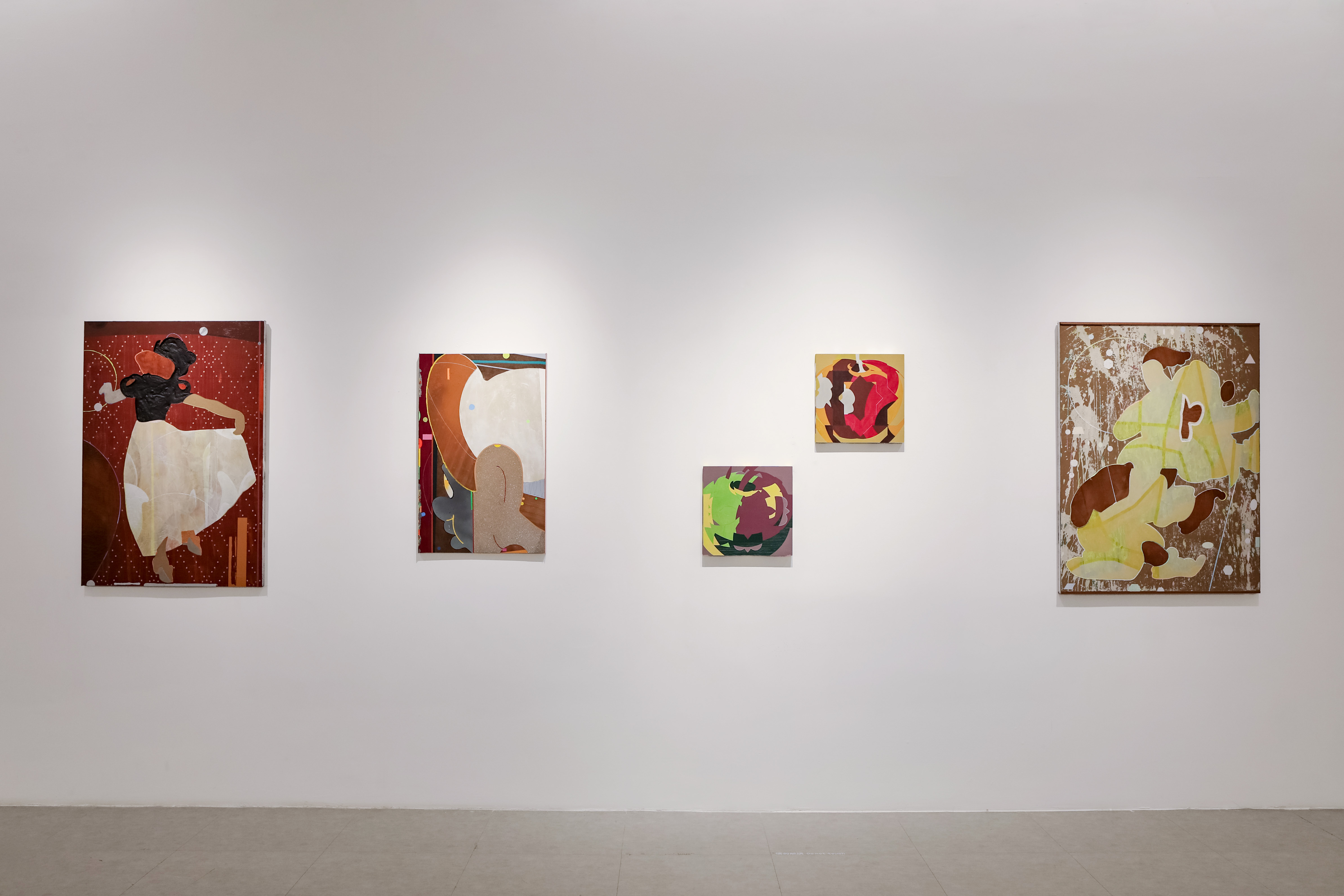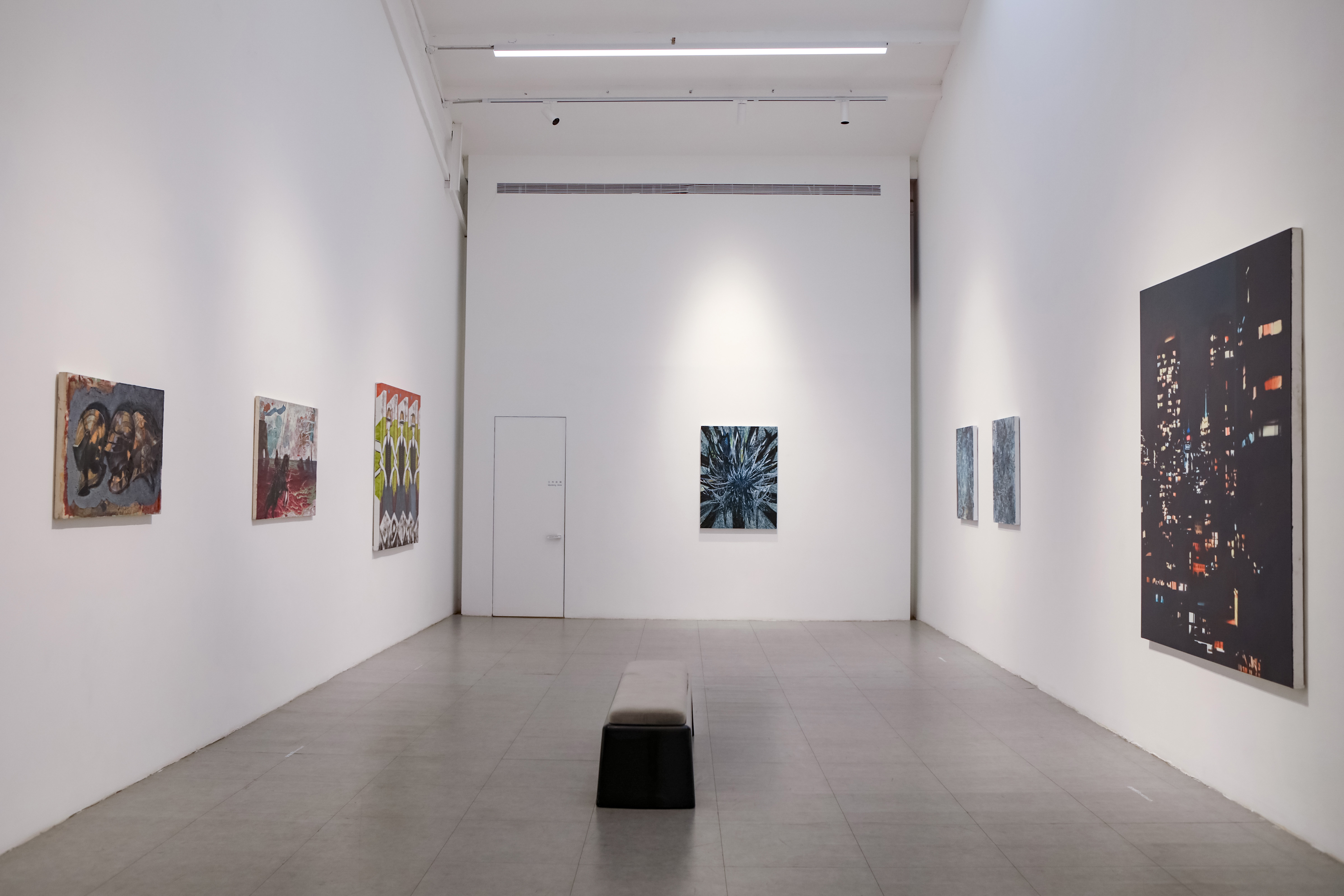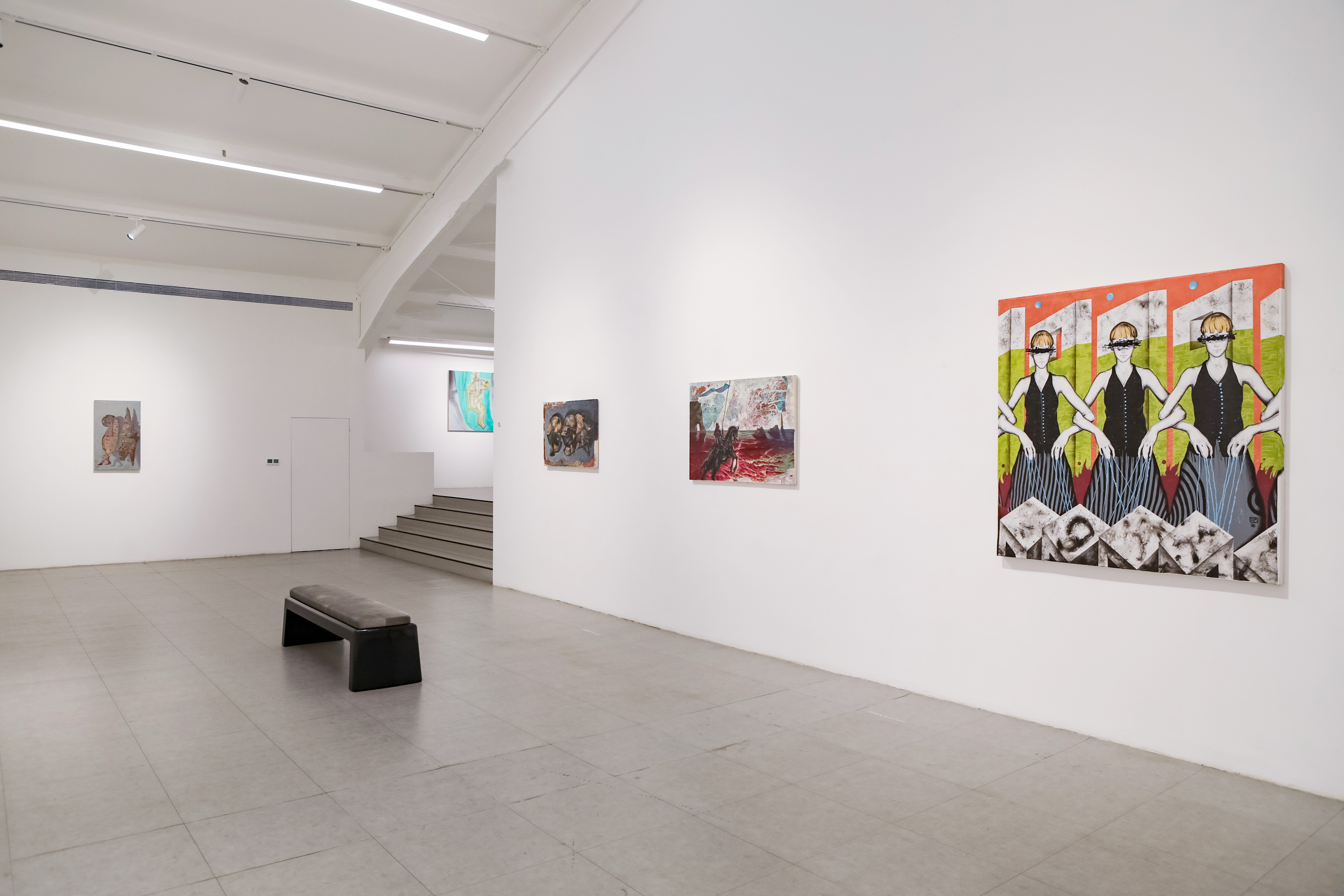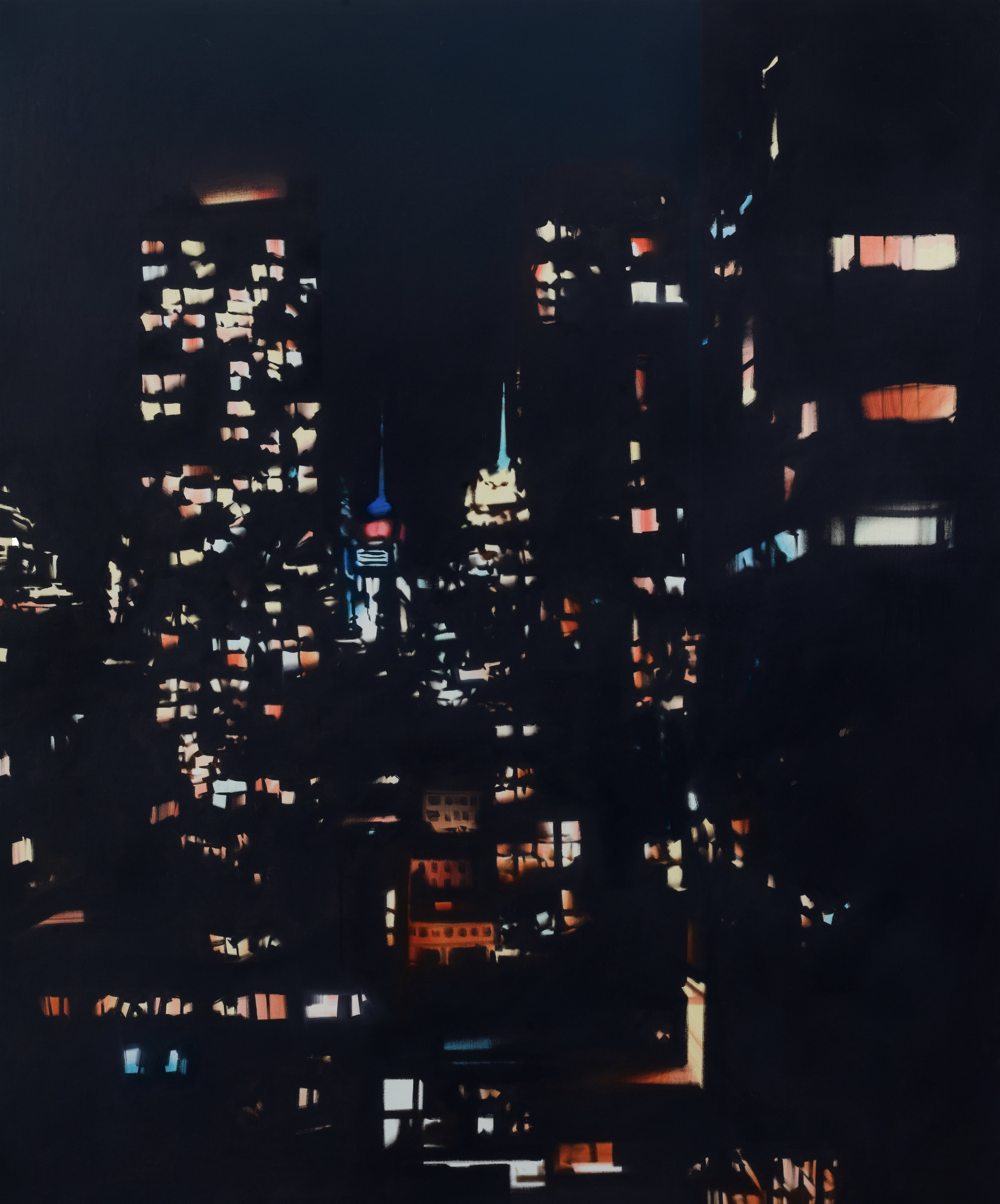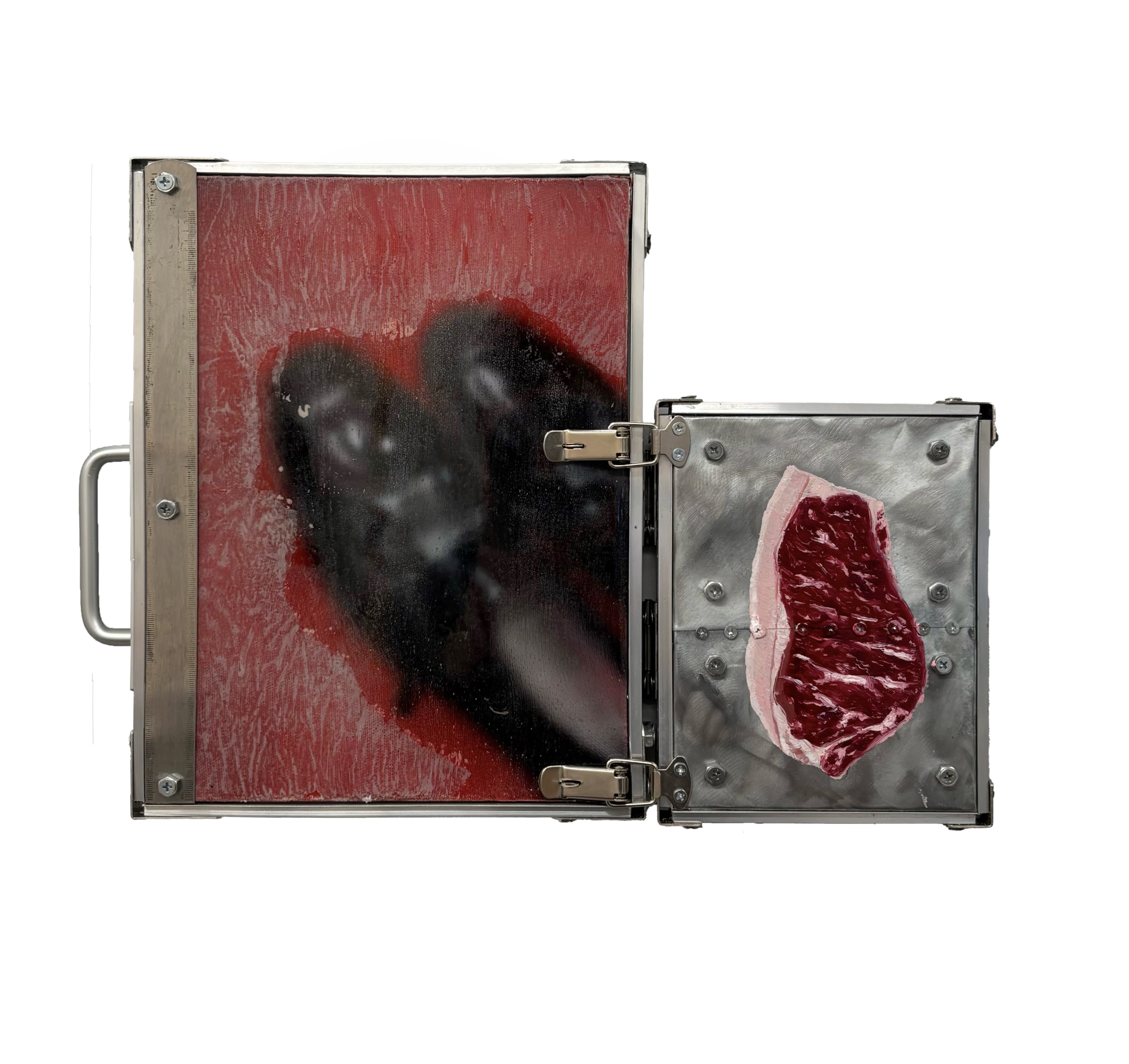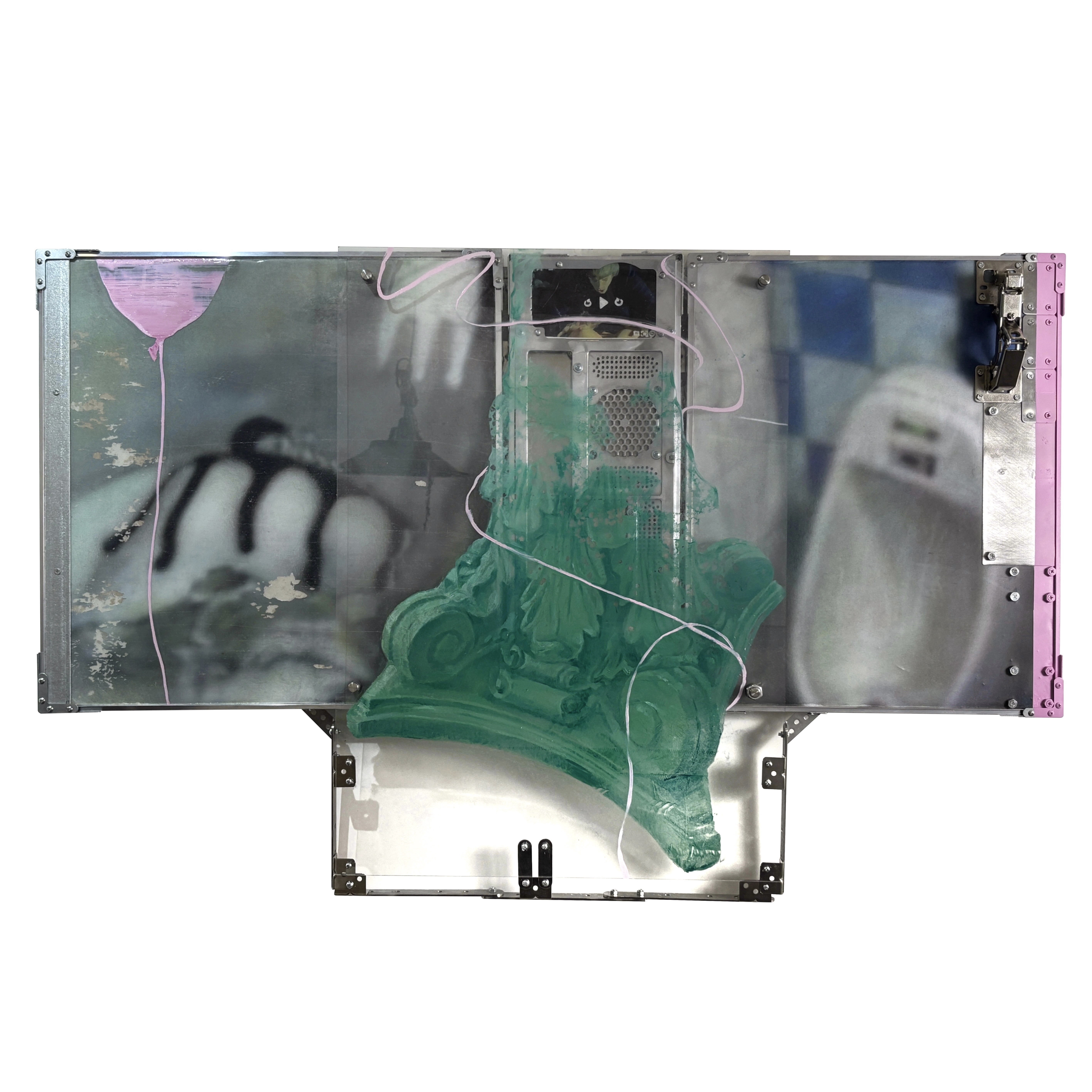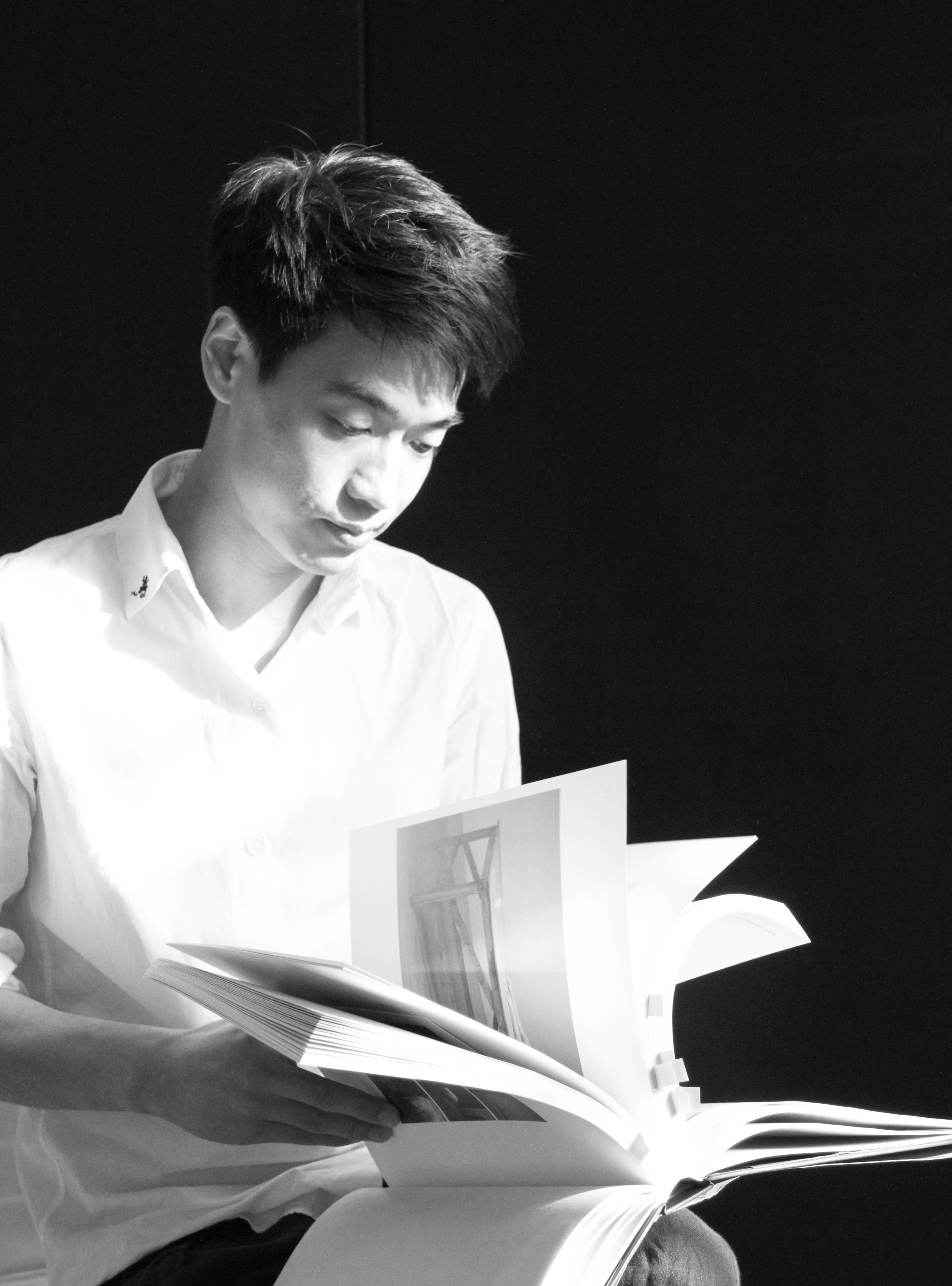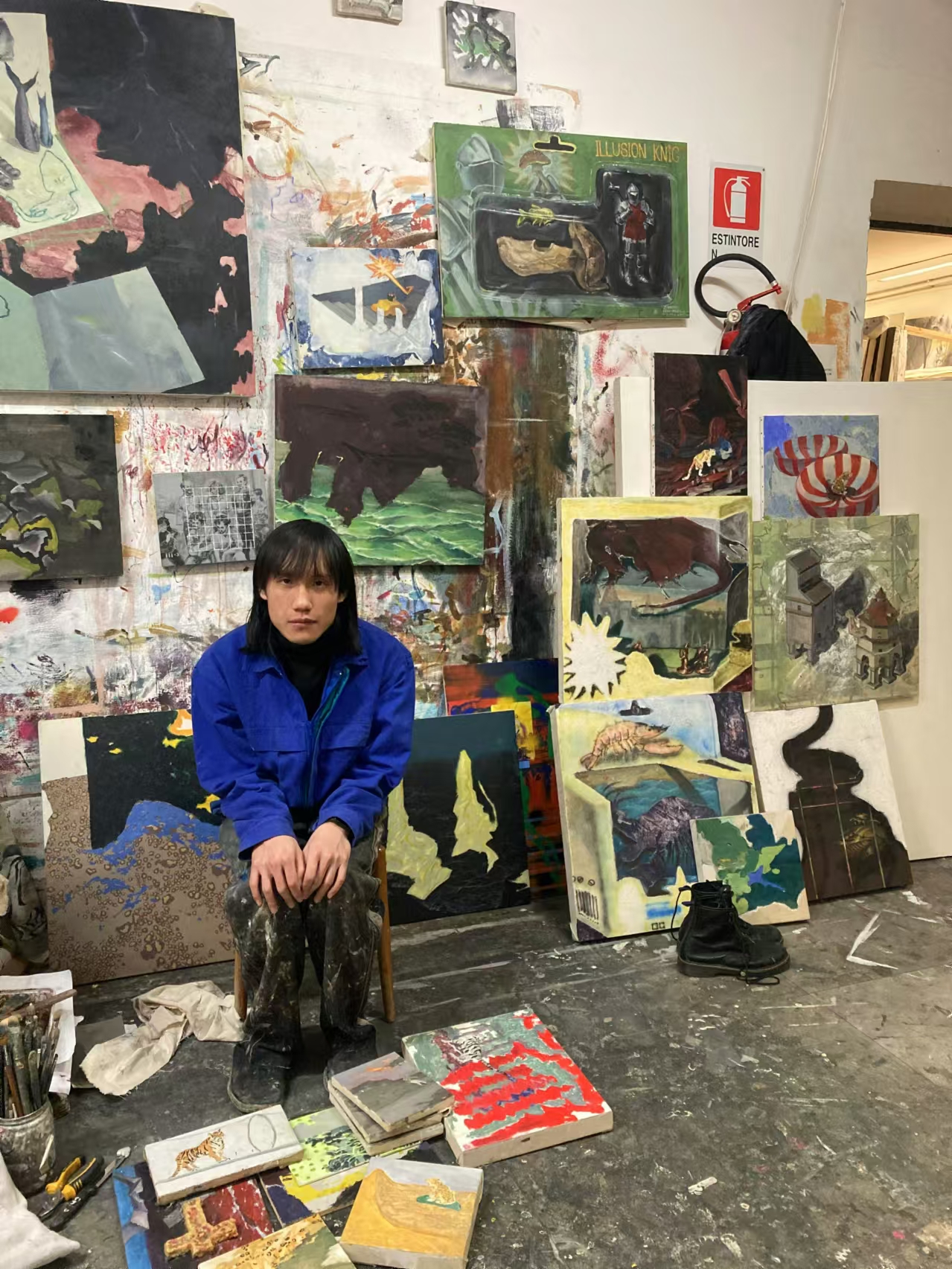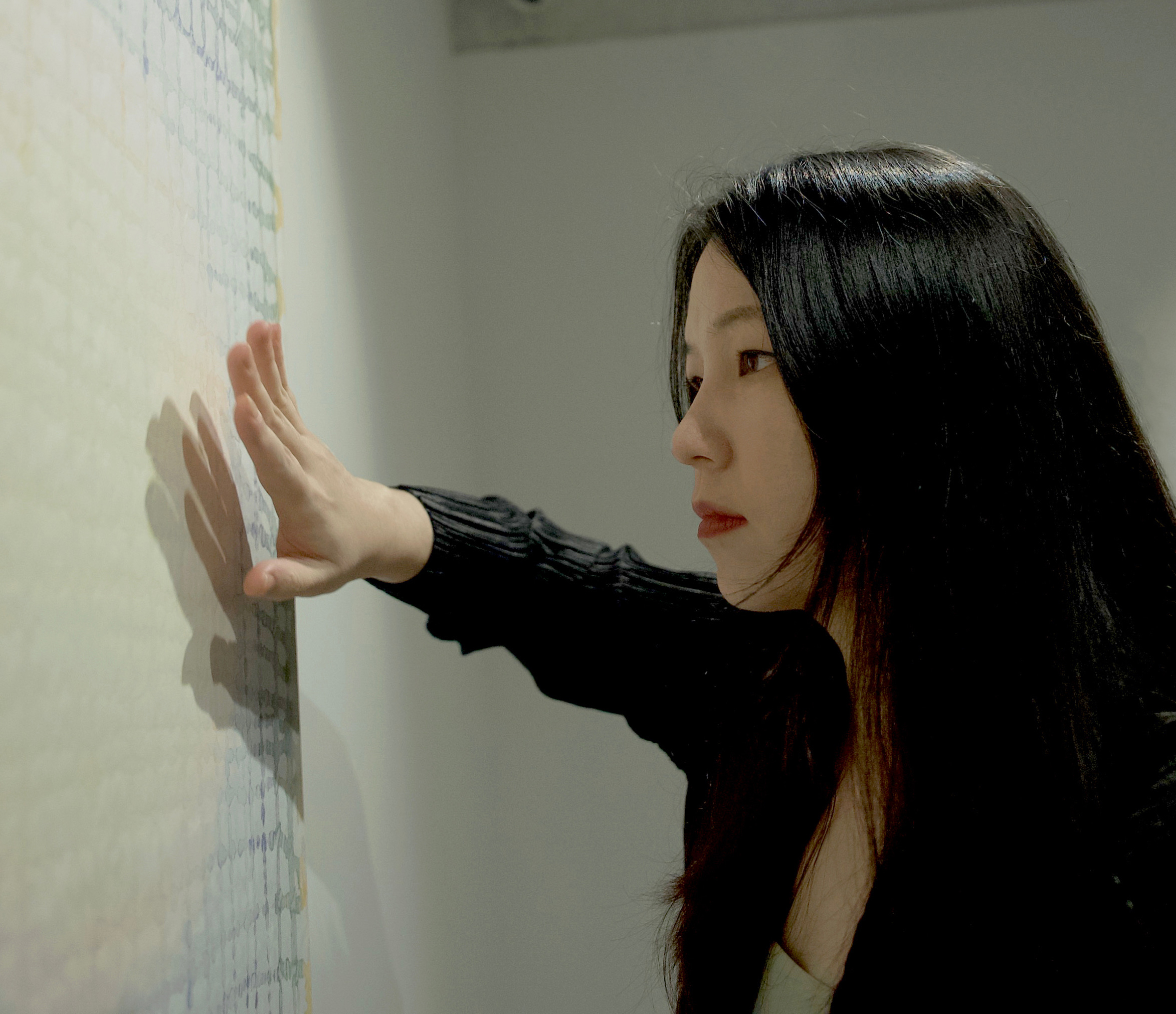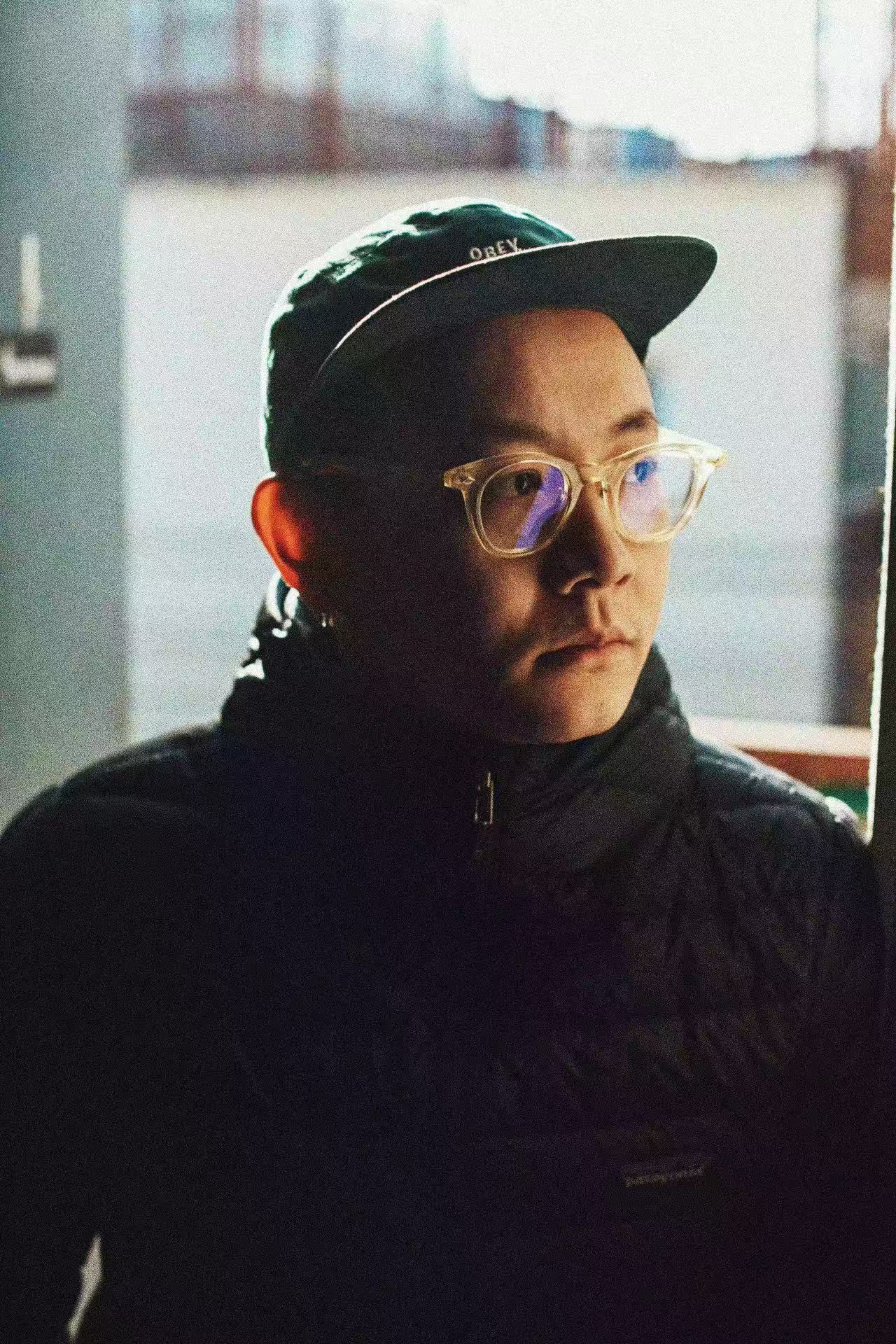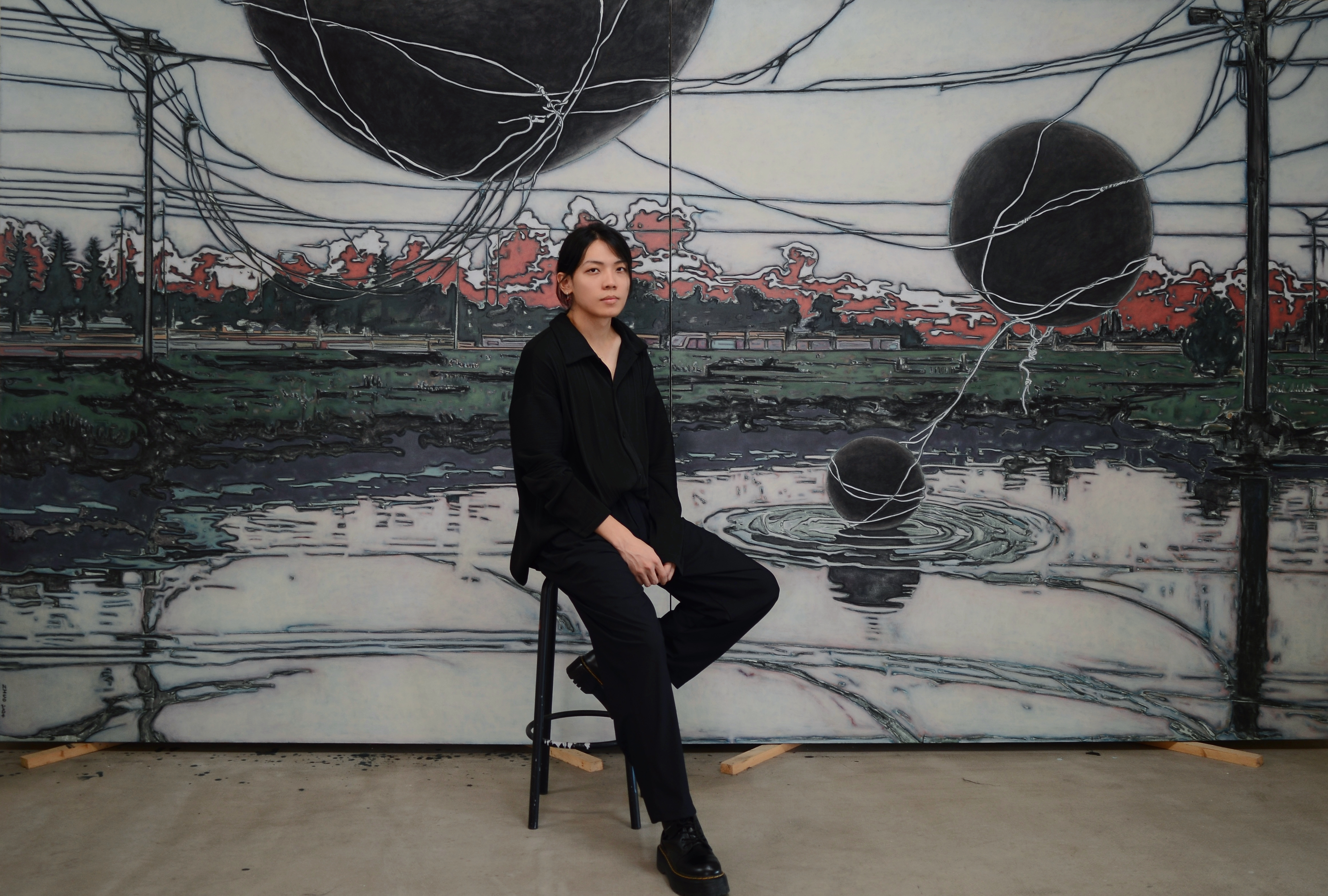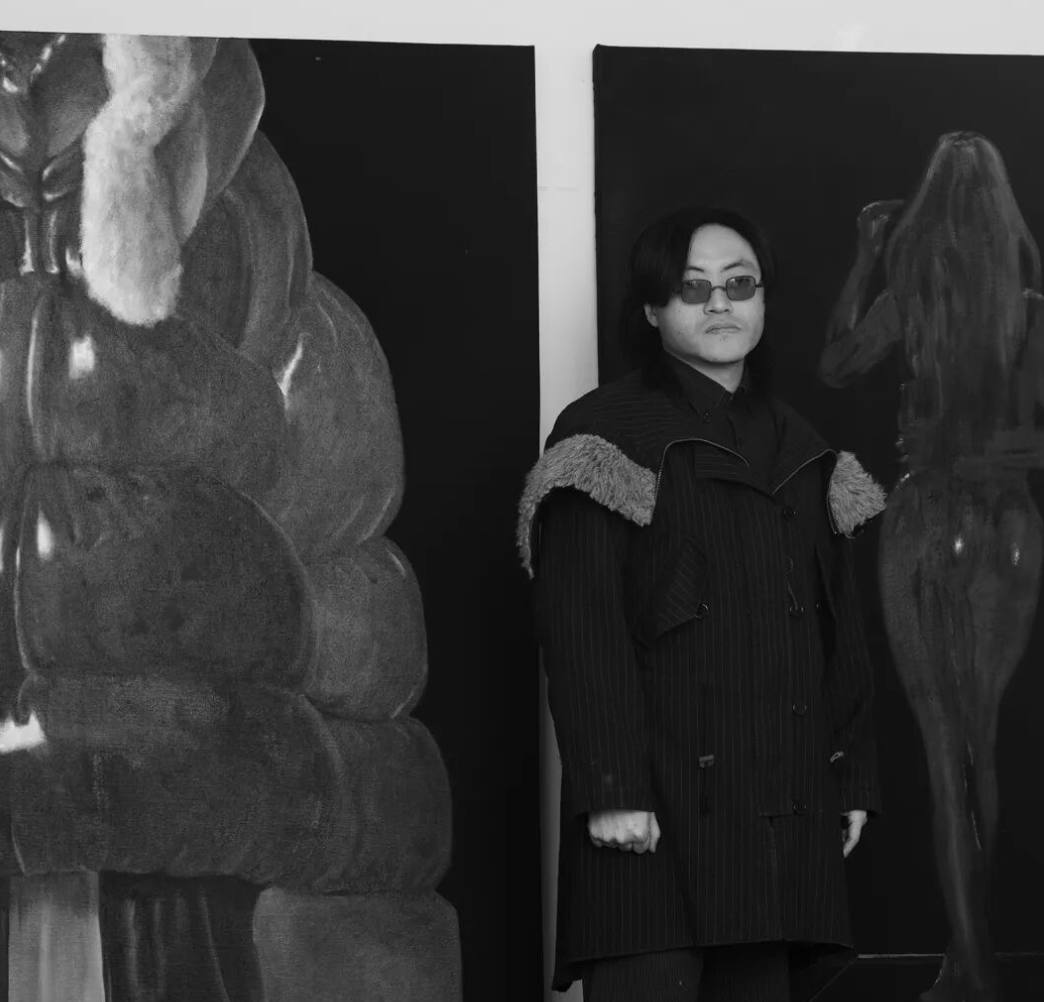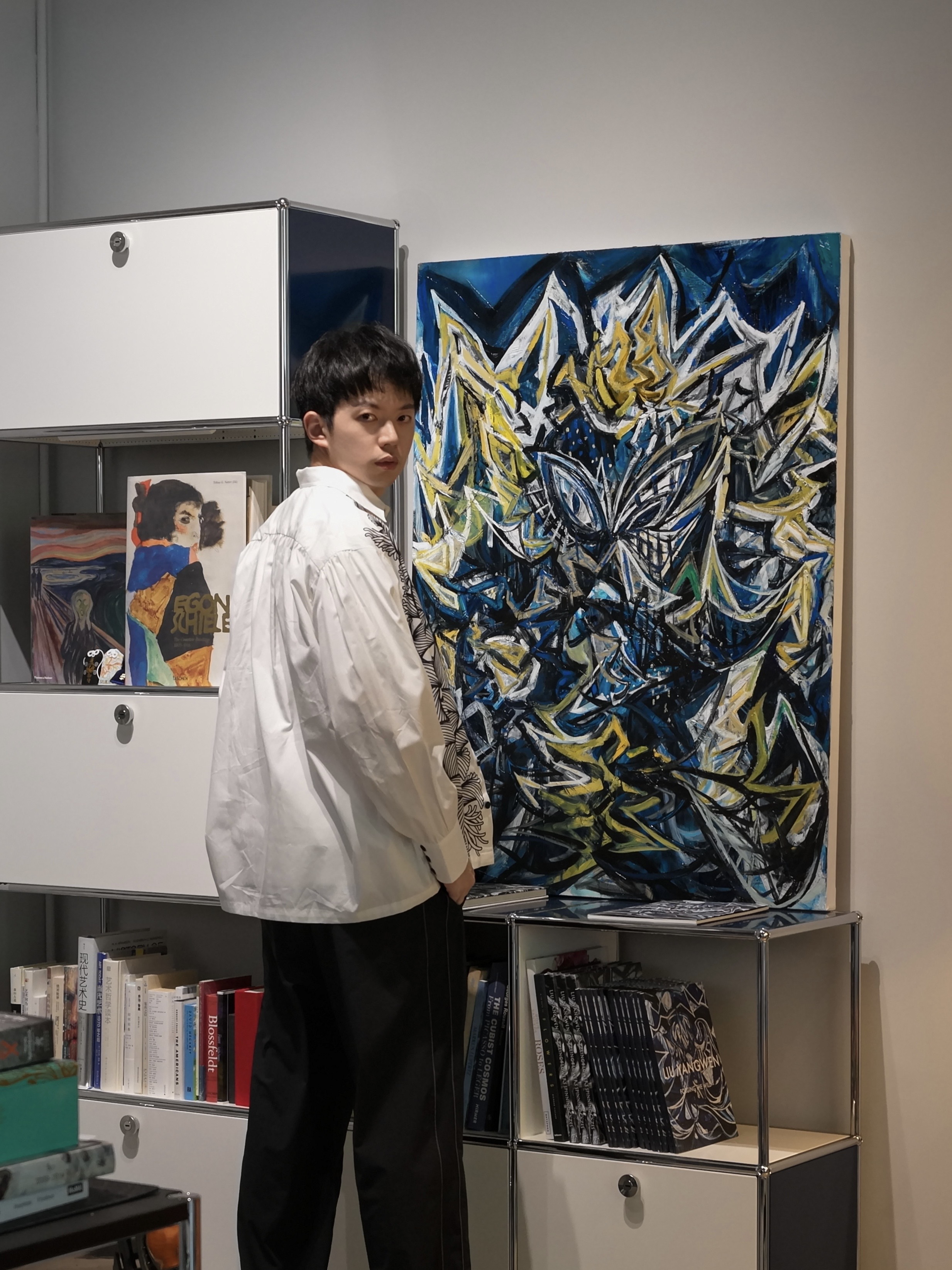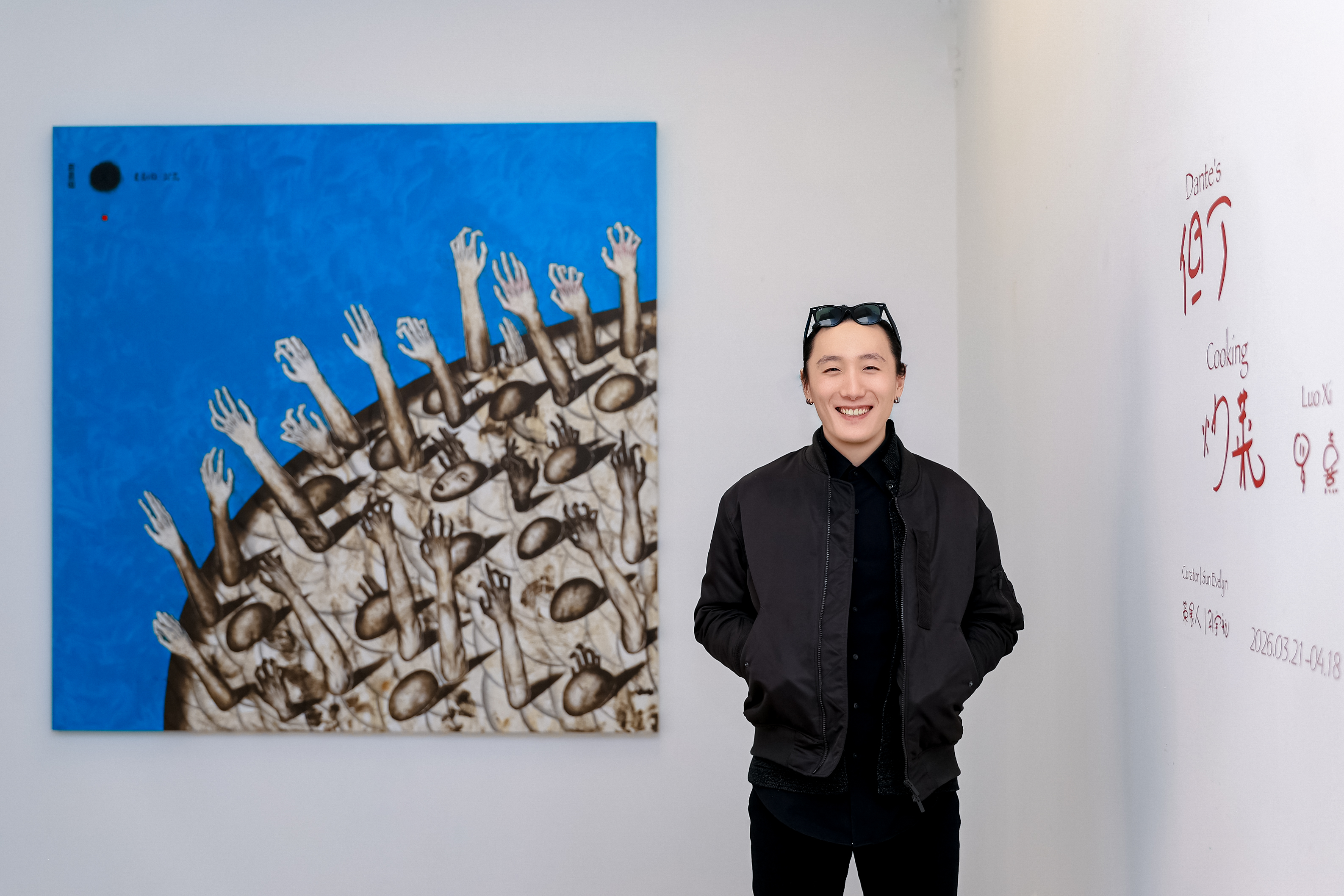
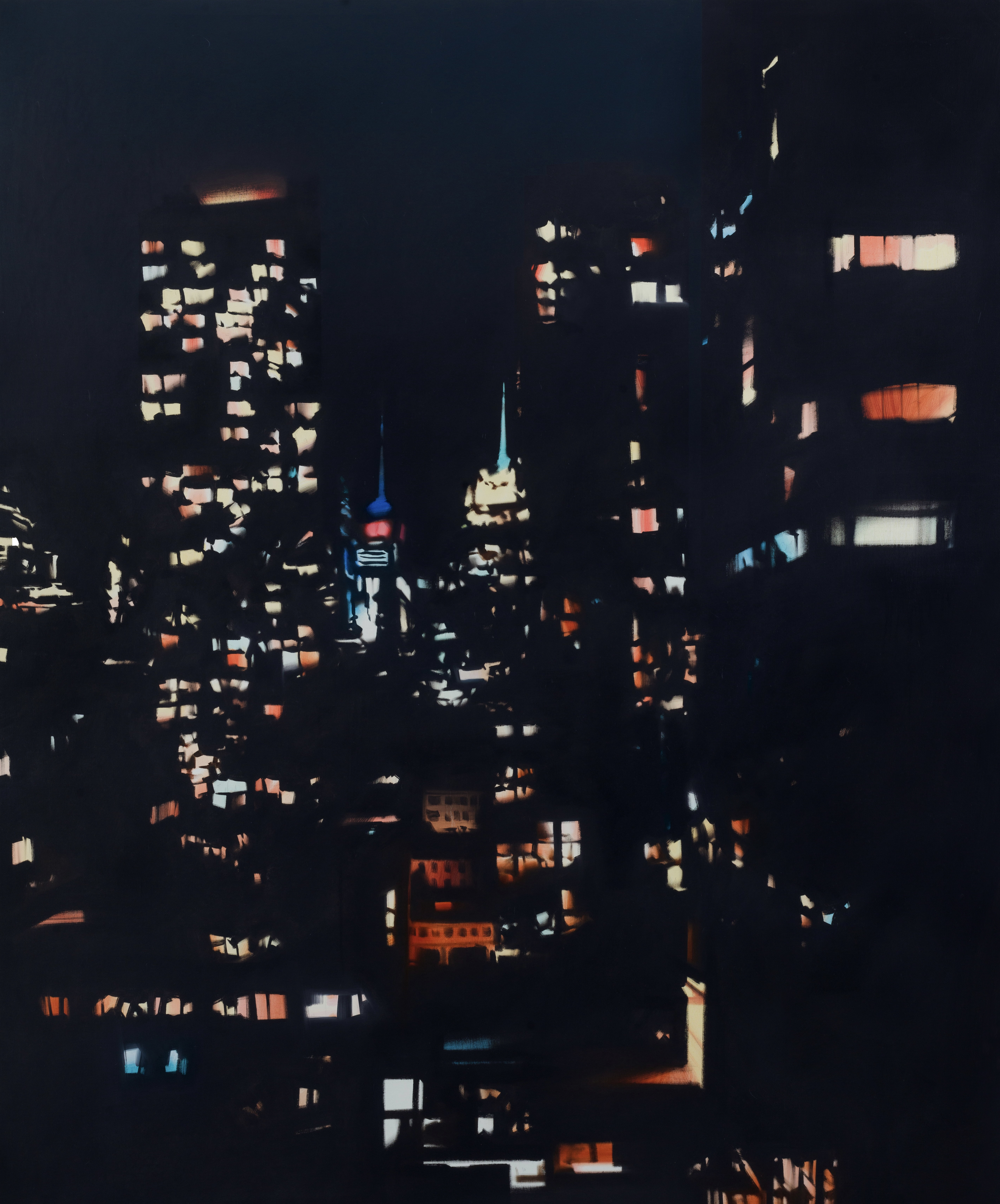
BOUNDED SPACE is honored to announce the group exhibition "Observing the Unapparent: The Contingent Space of Painting’s Ontology", which will be presented from January 31 to March 15, 2026. The exhibition is curated by Gao Jiangbo, Sun Evelyn as the executive curator.
Foreword
The Observer Effect, a concept originating in physics, has been increasingly adopted and adapted by disciplines such as sociology and cognitive psychology in recent years. Originally describing how consciousness acts upon matter, this term has been generalized into a symbol of self-examination and mirror confirmation.
The Chinese character Si (伺) implies cautious watching, a subconscious wavering between distance and intimacy. Shi (视) reflects the symptom of visual impotence in the image age—a dual binding contract with painting: constructing recognizable forms while safeguarding the ambiguity beneath them.
Today, as algorithms can simulate any artistic style at will, painting is experiencing a new wave of tremors and vacillations, much like salon art was impacted by the invention of photography. Yet this predicament is no longer merely a self-reflection of painting or even art itself; it is a profound awakening driven by a host of observers including popular culture, technological disruption, and media syntax.
This series of alchemical reduction reactions forces every link in painting—from consumption to creation—to confront a critical question: how much value can the ontology of painting yield when stripped of narrative and representation?
This exhibition centers on the core metaphor of the concept of observation in its original physics context: how consciousness acts upon matter (the wave-particle duality under the Observer Effect). It also incorporates the extension of this concept in psychology, sociology and contemporary art into the discussion of the possibilities of painting's ontology.
Compared with screens and printing, painting’s inherent right to imperfection becomes the question itself: It allows the freedom to resemble something yet remain dissimilar; to offer visual paths while quietly removing their signposts; to be enslaved by images yet break free from their orbit; to prioritize humanism yet embrace technology first. Is it negation or supplementation? A sudden blank space on the cognitive map, or the end of painting?
Let us return to the breath of brushstrokes, the accumulation of pigments, the texture of substrates—the traces of physical gestures, and those creative moments of "maybe this, maybe that". Perhaps this is the branching, contingent crossroads of painting’s ontology? And the certainty that emerges here and now from the "healthy hesitation" embodied in "otherwise"?
By Gao Jiangbo