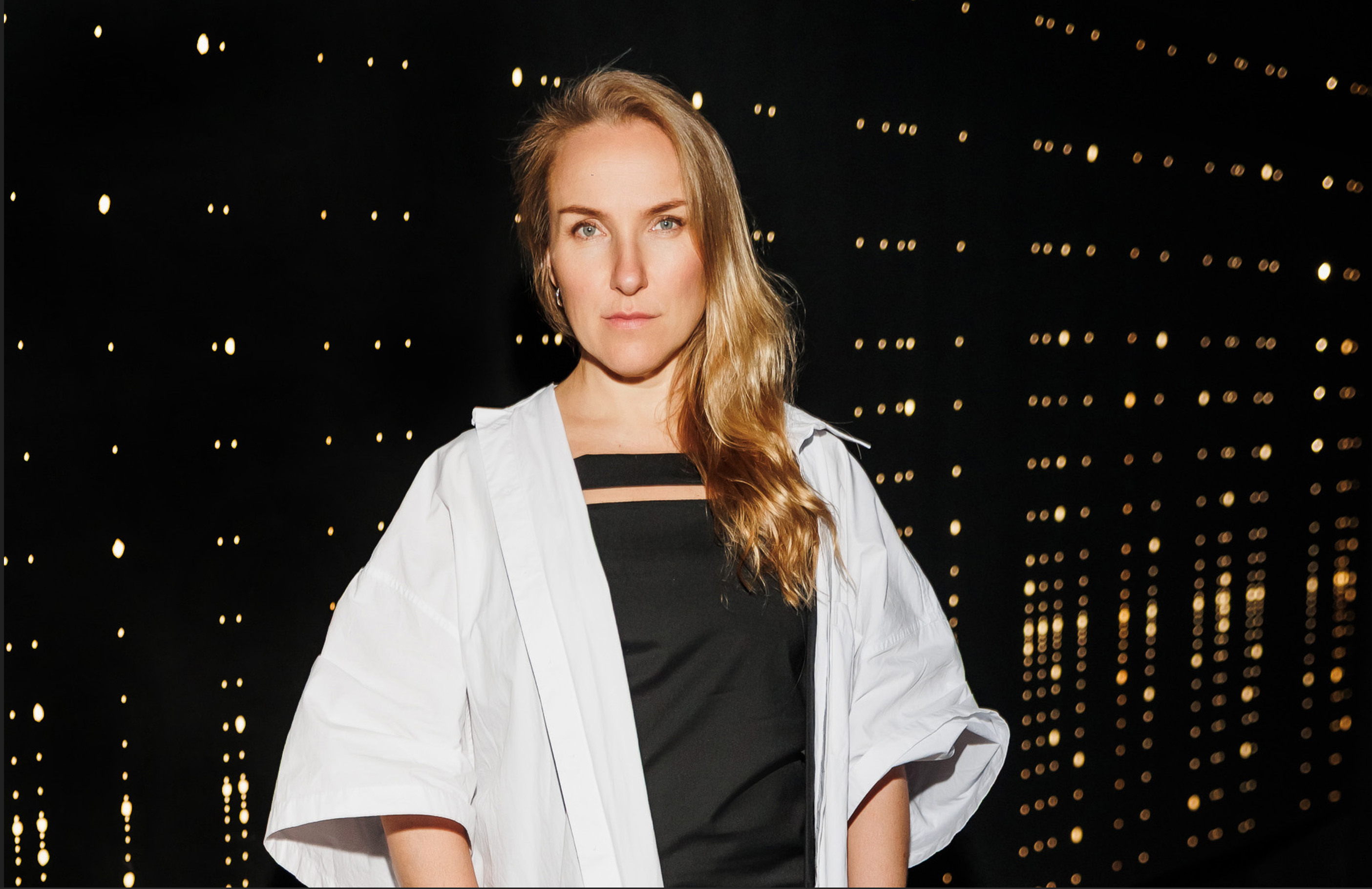
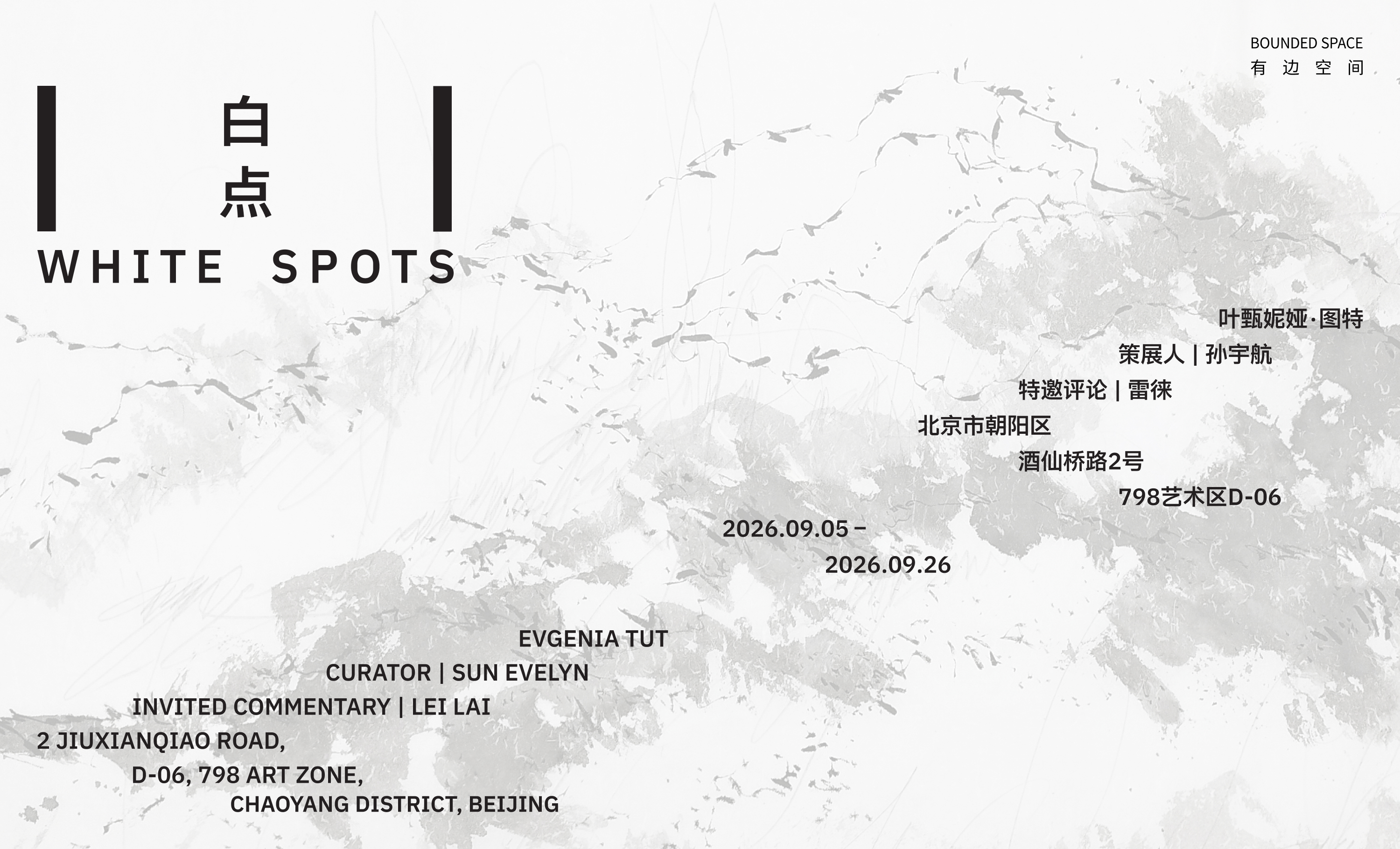
BOUNDED SPACE is honored to announce that from September 5 to September 26, 2026, it will present artist Evgenia Tut’s solo exhibition, titled White Spots. This exhibition is curated by Sun Evelyn, with invited commentary by Lei Lai.
Verbose explanation is sometimes another way of expressing silence.
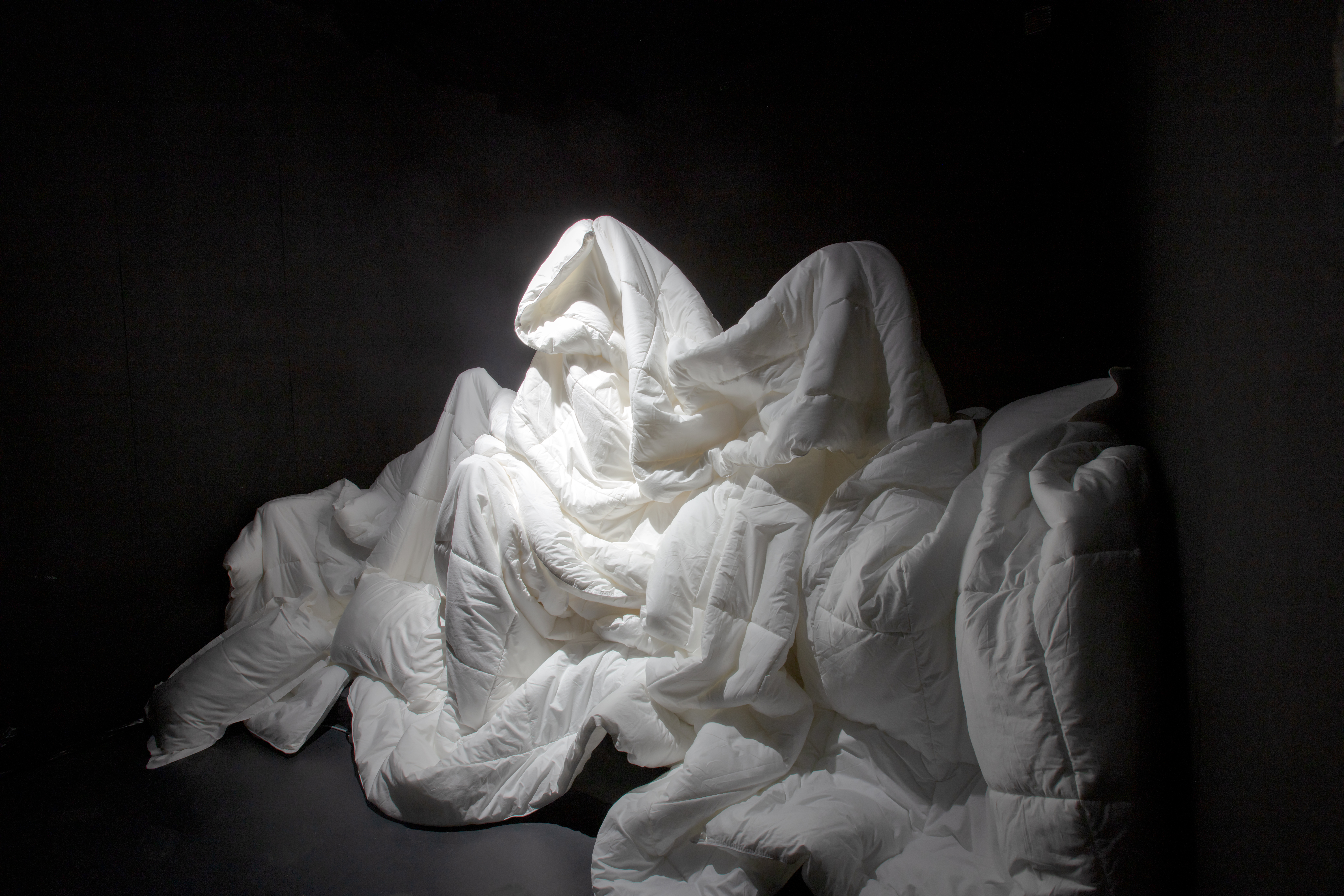
She retreats from visibility, from language, from identity naming, from systems of being seen, interpreted, and categorized. This retreat is not an absence, but a particular mode of presence, a low-frequency resistance, without slogans, not immediately recognizable as political statement, yet more penetrating than any direct declaration. In her world, "white" is never empty. It is the residual warmth after the body's departure, the mist before an image takes shape, the politically unextractable territory, and the wilderness and hesitation within the personal psyche.
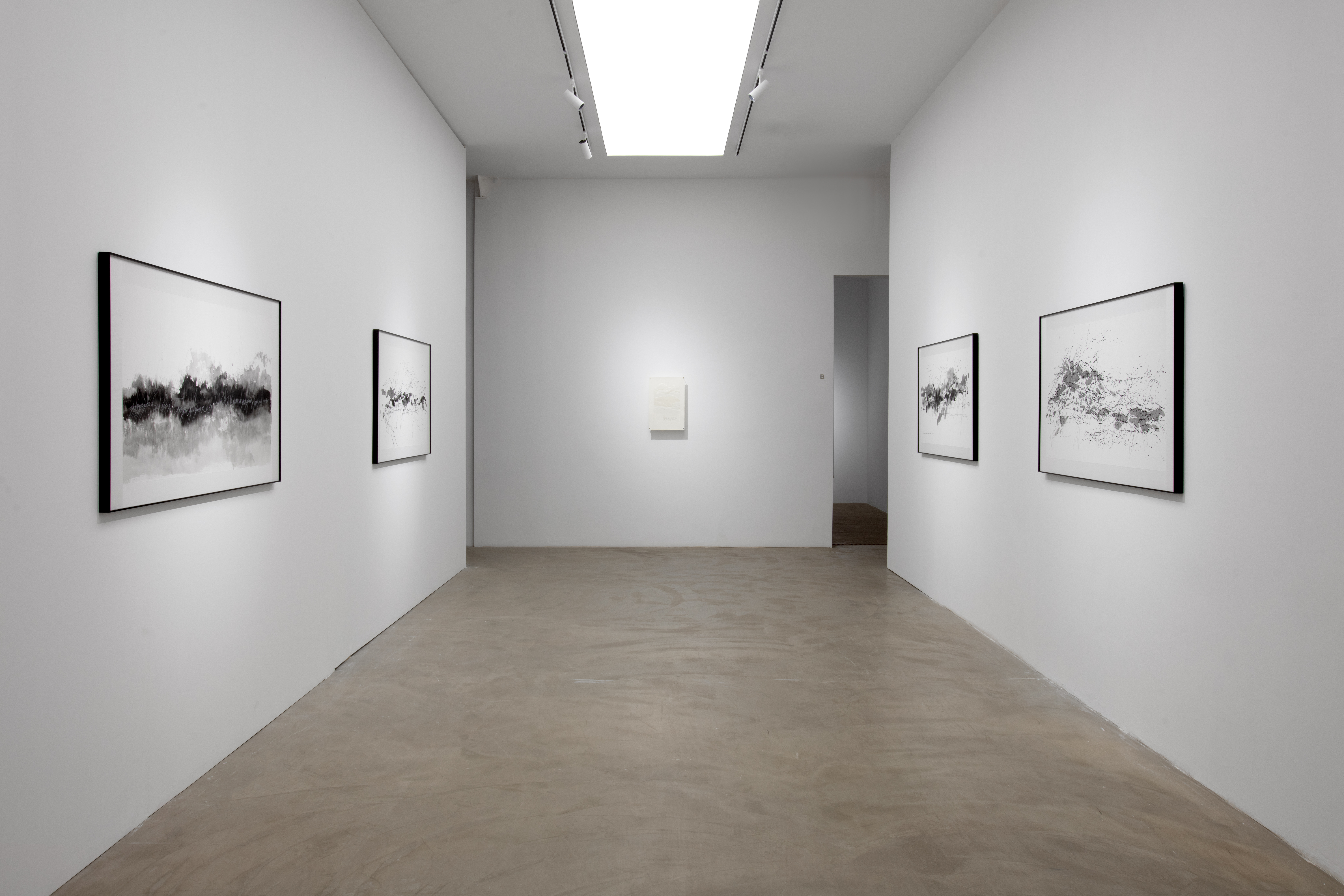
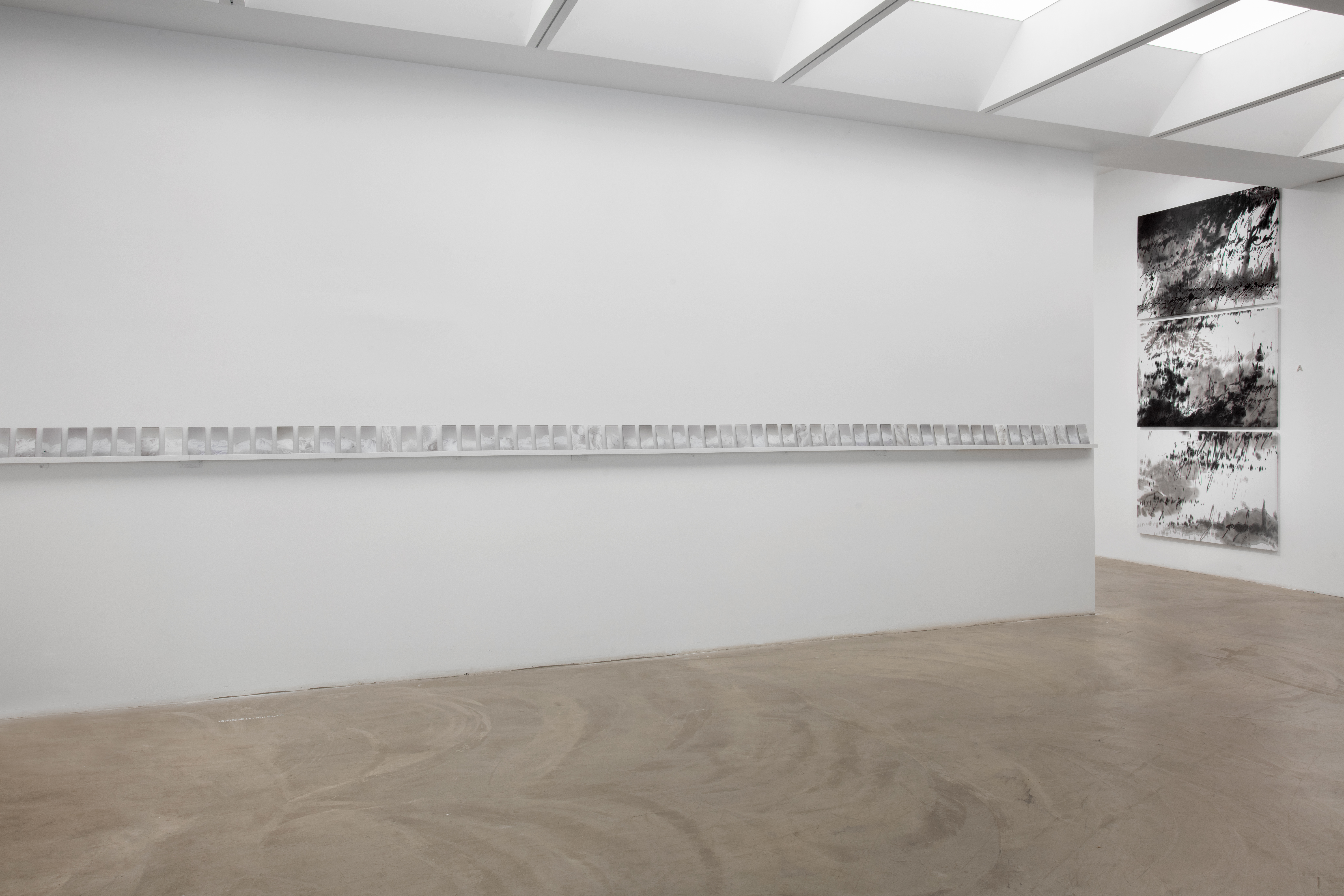
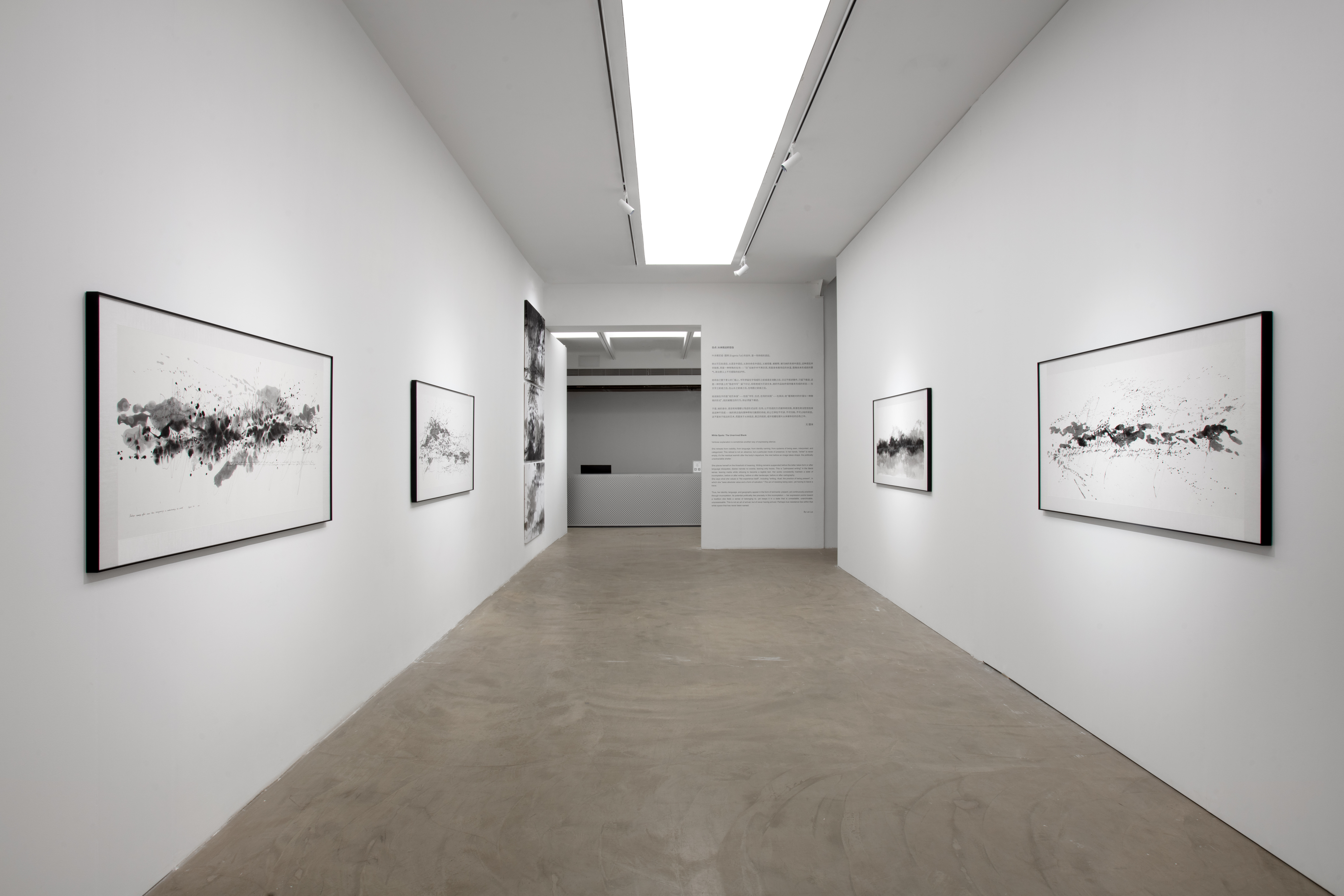
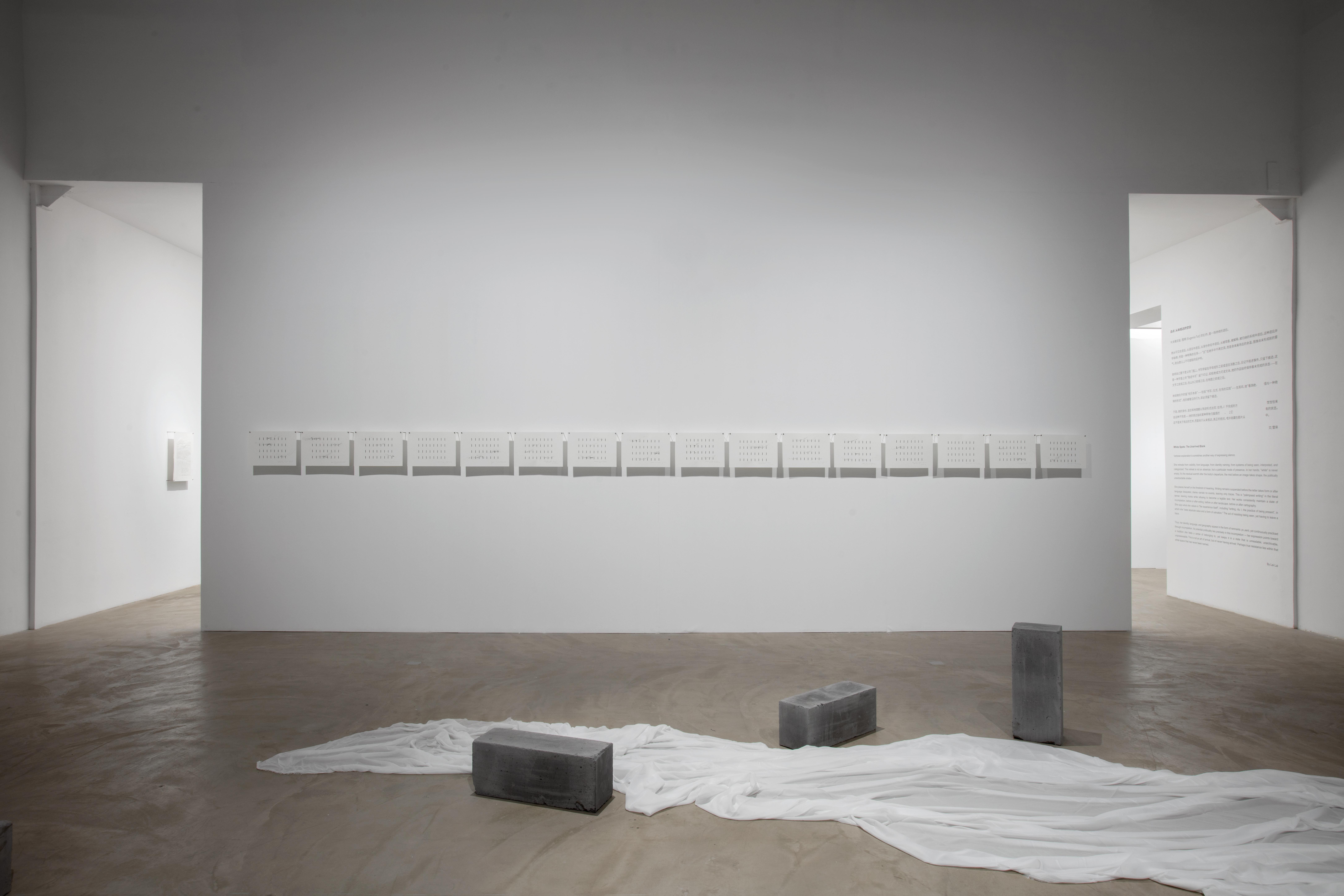
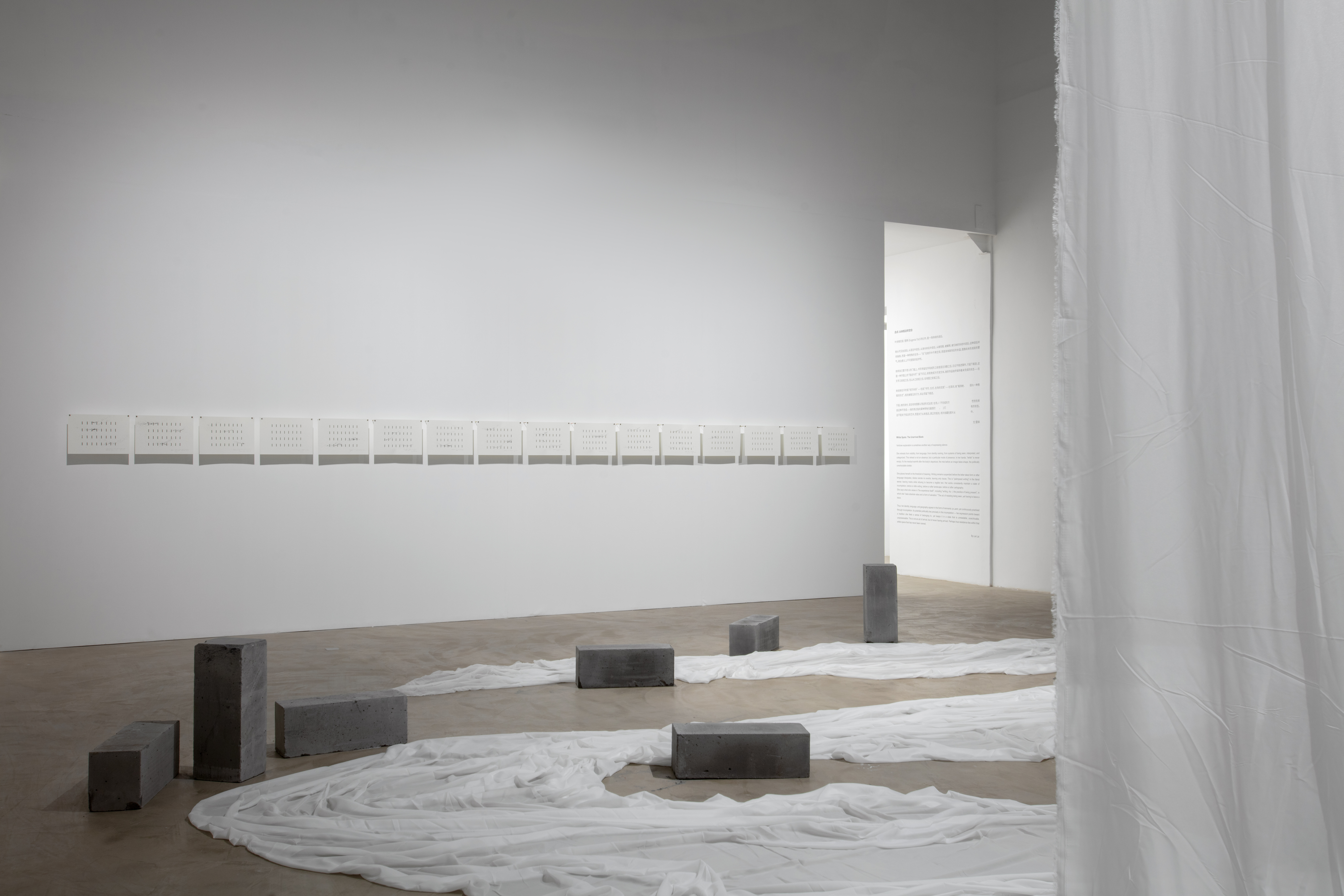
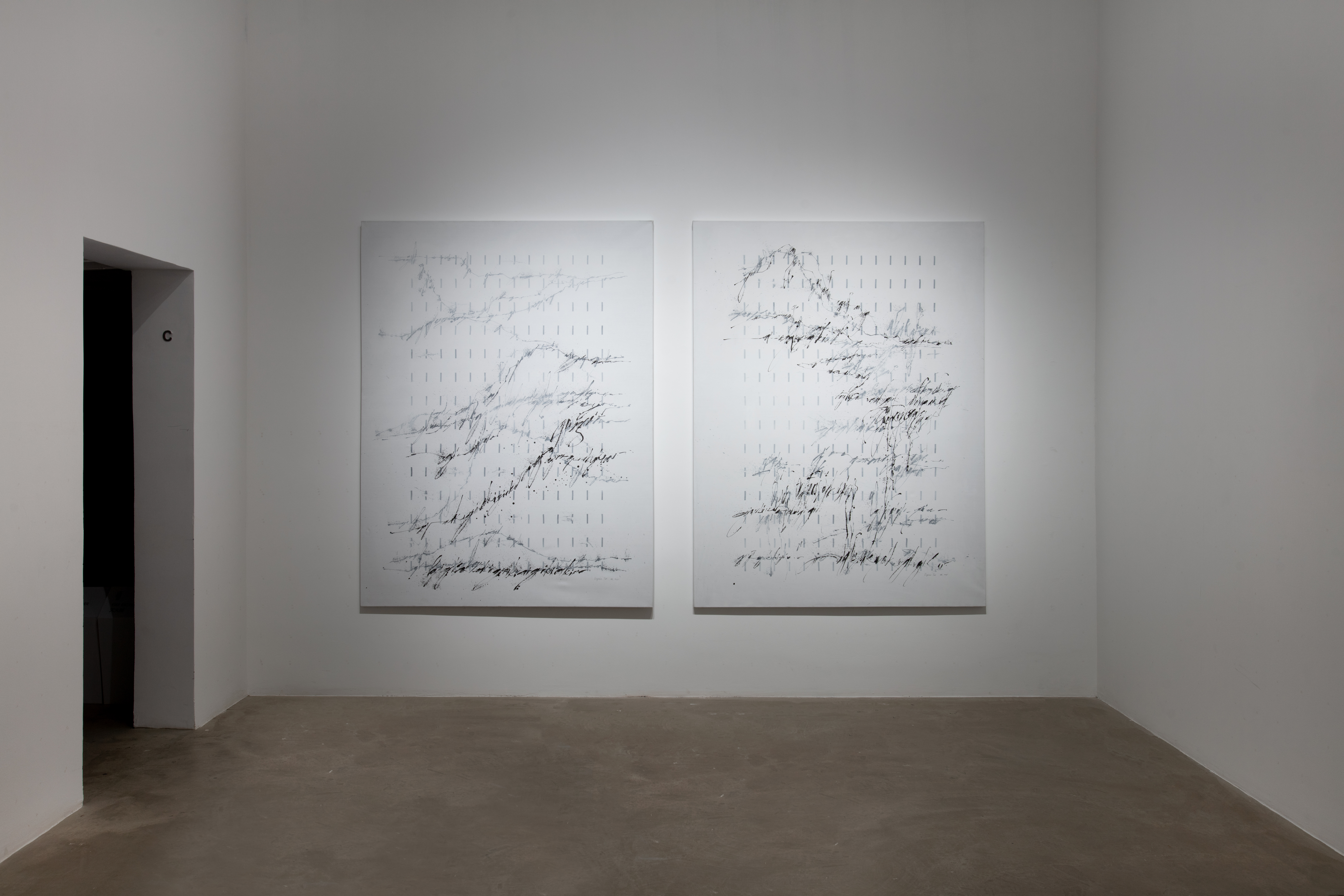
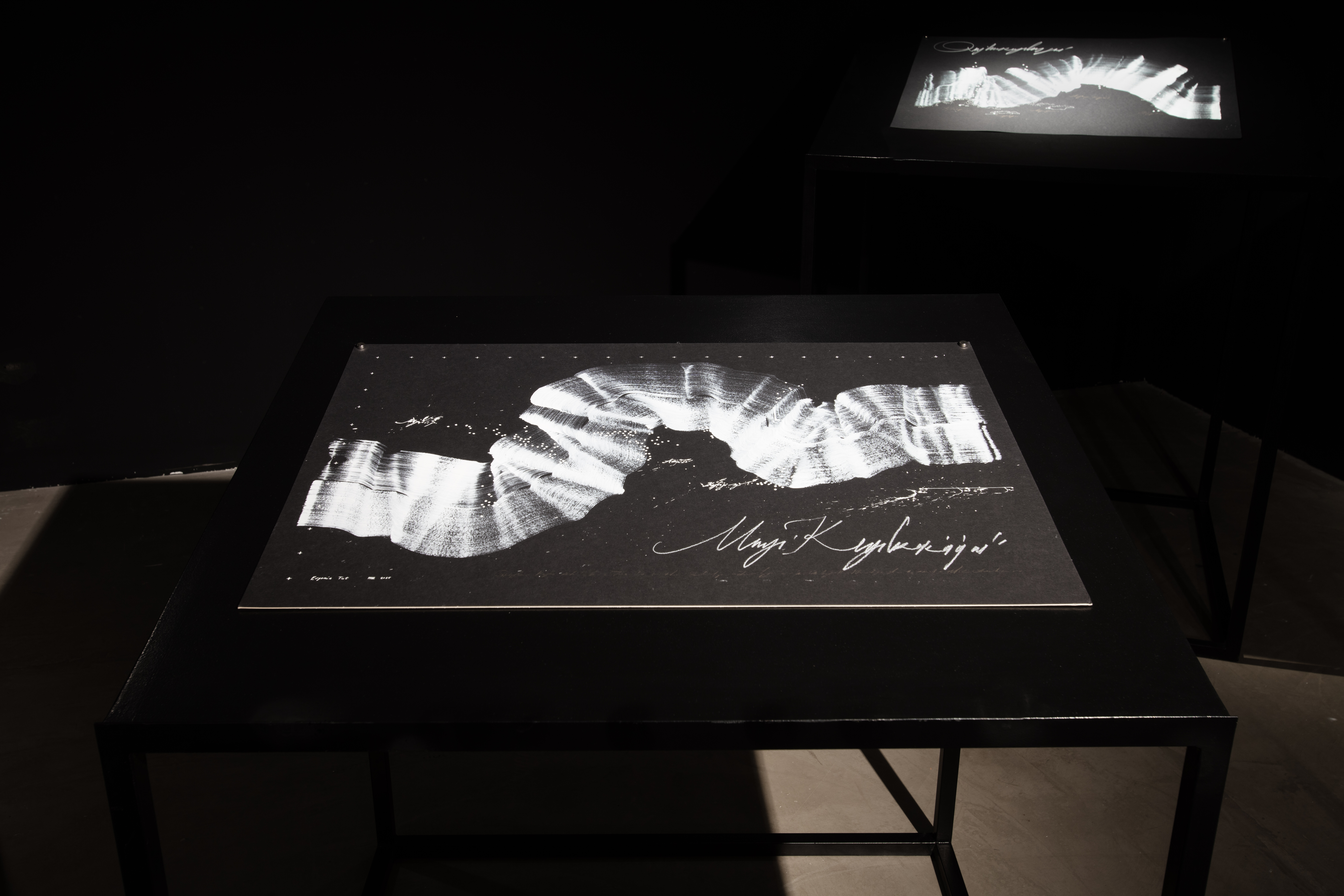
Tut places herself on a threshold that cannot be precisely located. Her "writing" remains suspended before meaning arrives or after it dissipates: the strokes exist as pure possibility before the letter takes form, and as residual traces after language has dissolved. She use the Cyrillic vyaz calligraphy, steeped in cultural memory, yet refuses to let it become a legible text; she names her works "diaries," yet narrates no events, leaving only near-evenly spaced vertical strokes. This is "palimpsest writing" in the literal sense — leaving traces while refusing to become information.
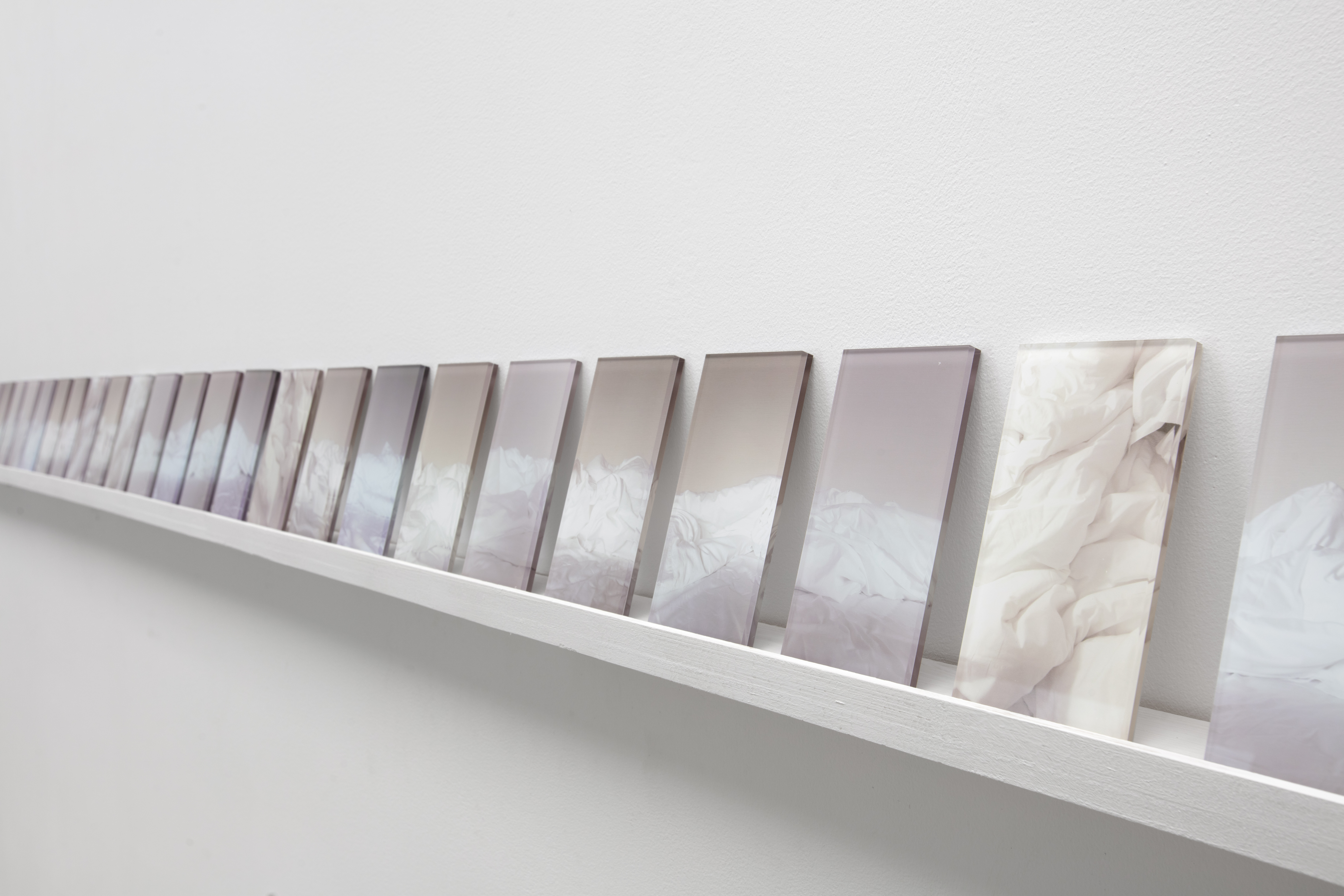
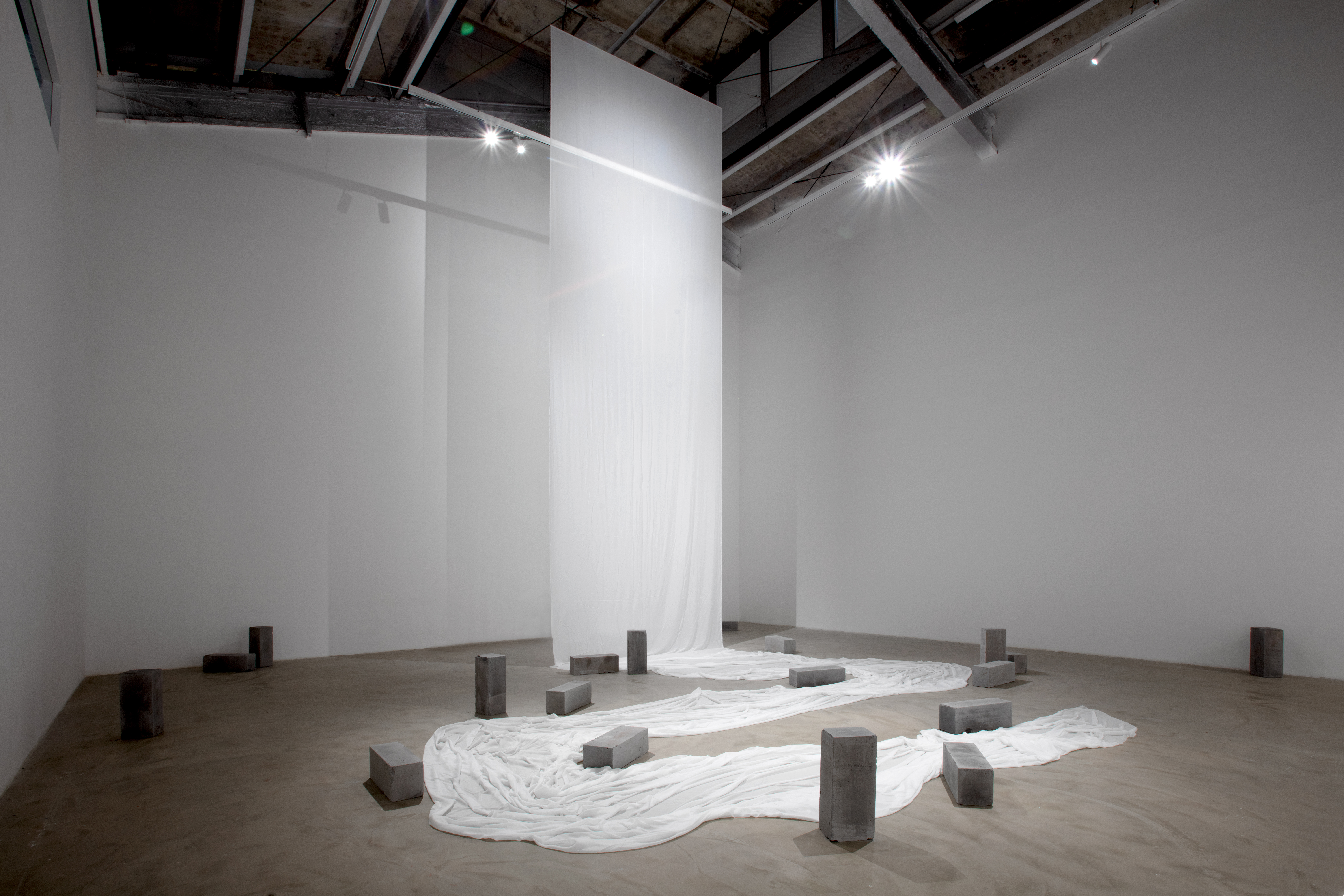
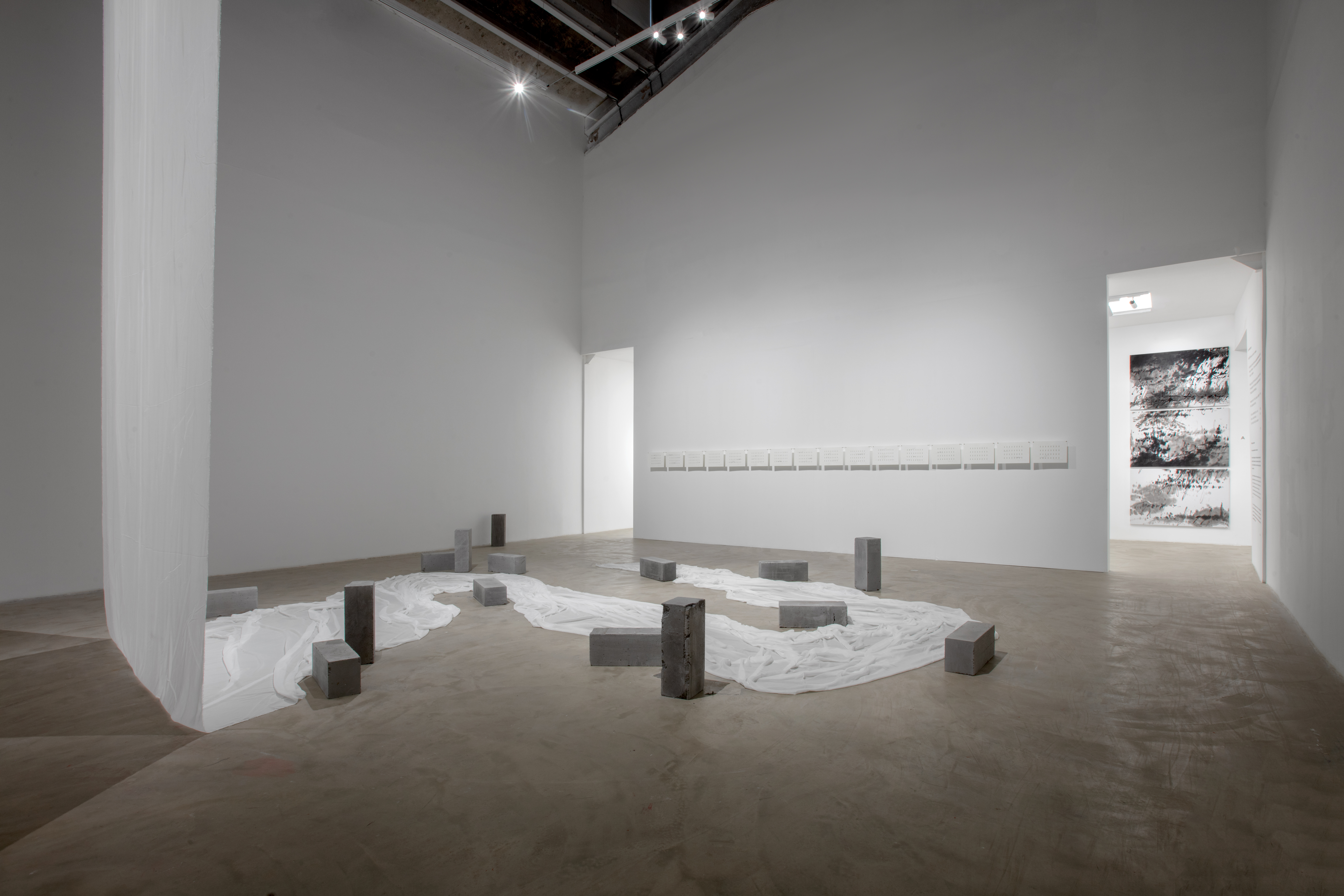
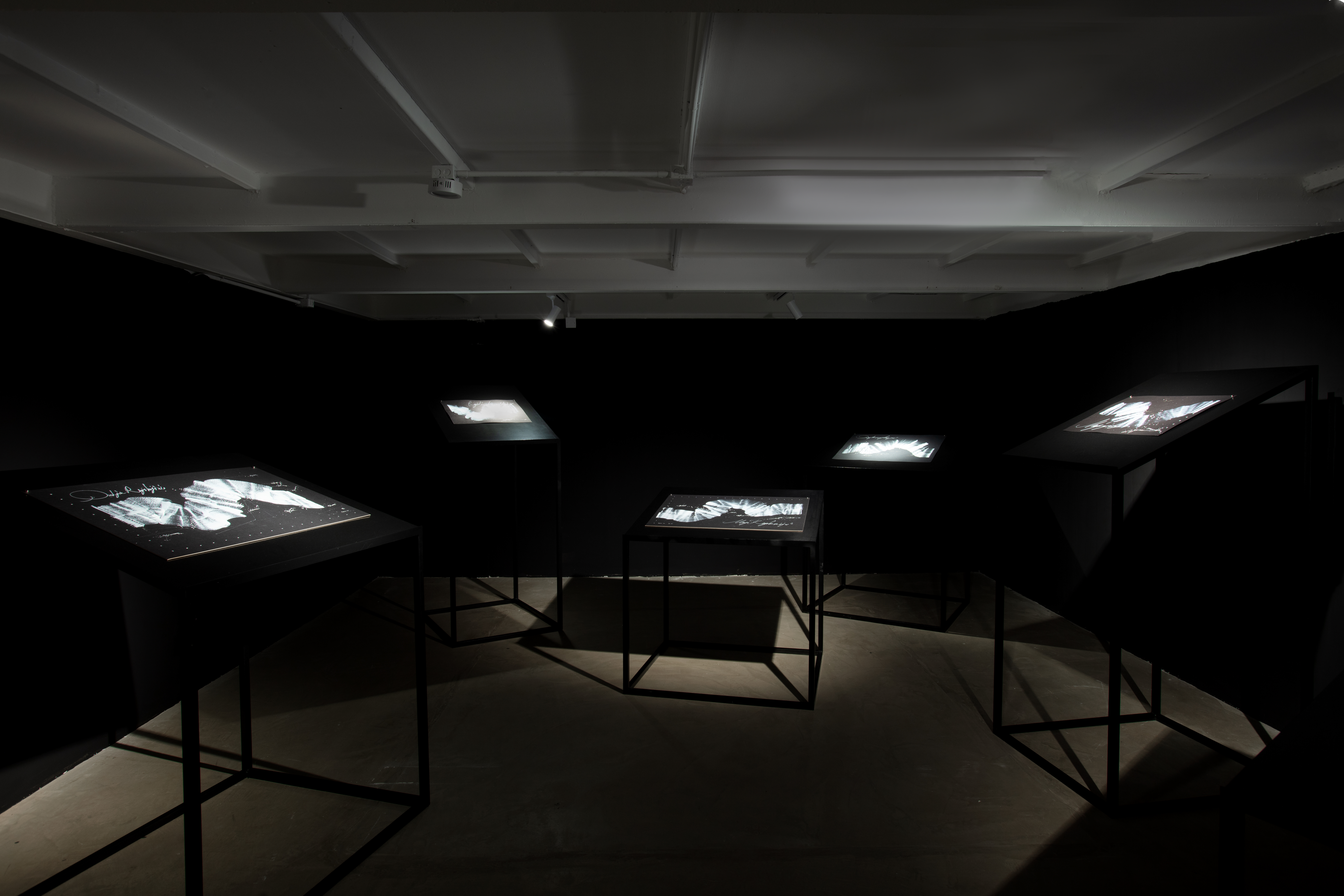
This state of incompletion constitutes her fundamental methodology. Her works consistently maintain a suspension: before or after writing, before or after landscape, before or after cartography. The "white" she creates is opaque, refuses to be filled, and protects unextracted experience. When modernity disguises "white" as a neutral, transparent space waiting to be occupied, Tut reverses it into a shelter, a psychic space sedimented by sleep, mist, failed writing, and historical afterimages.
Her stated position is this: she "sees absolute value and a form of salvation" in "the experience itself”, including "writing, ritual, the practice of being present." The act of resisting being seen, yet having to leave a trace. The *vyaz* calligraphy, no longer a legible text, affirms identity while withdrawing back into strokes, mist, and fragments — dismantled remnants of ancestral language, where the meaning of the writing act far outweighs the content of what is written.
Her identity, language, and geography all appear in the form of remnants: present, yet continuously practiced through incompletion. The potential politicality lies precisely in this incompletion, her expression points toward a tradition she feels a sense of belonging to, yet keeps it in a state that is unreadable, unarchivable, unpossessable.
Ultimately, Tut's work is not about arrival, but about never having arrived. Not about completion, but about remaining at the doorway. She shows us that verbose explanation is sometimes another way of expressing silence, and that perhaps true resistance lies within that white space that has never been named.
By Lei Lai
Born on 1982 in Saint Petersburg, Russia.
Evgenia Tut (b. 1982). She lives and works in Saint Petersburg. In 2006 she graduated from the Saint Petersburg State University of Architecture and Civil Engineering with a degree in Architecture. Since 2018 she has maintained an active artistic practice and regularly participates in exhibitions. In 2022 she completed the Rodchenko School’s Kirill Savchenkov Transmedia Laboratory.
Her career highlights include participation in the Ars Electronica festival (2021); a residency at the GES-2 Center for Art Production “Svody,” V-A-C Foundation, Moscow (2022); and a nomination for the Sergey Kuryokhin Award in the “Best Work of Contemporary Art” category (2023). She is the author of the non-commercial solo project “1024,” supported by the Limonov Art Fondation (2024), and of the solo exhibition “Slow Shores” at MMOMA (2025). In 2025 she also took part in the main project of the International Ecobiennale “Skin of the Earth.” Evgenia Tut is the founder of the artists’ program “Tut Workshop.”
Her works are held in museum, private, and corporate collections, including the State Russian Museum, Garage Museum of Contemporary Art, Limonov Art Fondation, Ru Art’s Foundation, Swan Hellenic, and others.
Artist’s Statement
In my projects, I explore questions about the digital future and methods of evading total transparency. I expand the practice of “women’s writing” and “minor gestures”. My work actualizes the act of writing and employs spatial means to convey artistic statements. My creative method has been shaped by my architectural background, the study of classical calligraphy, and dance, as well as by an interest in archaic consciousness and nonverbal information transmission. I experiment with various techniques, working in graphics, painting, installations, and objects.