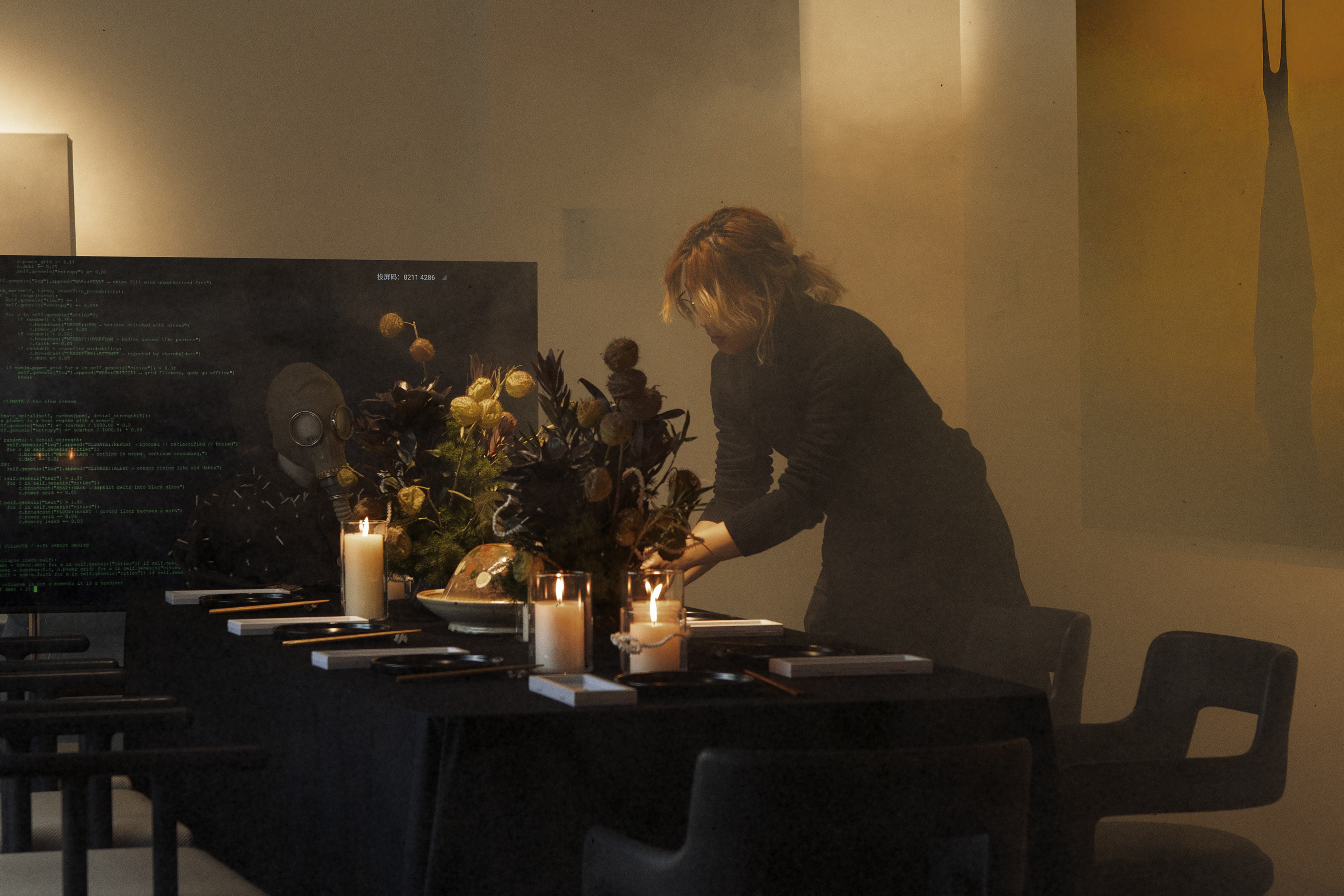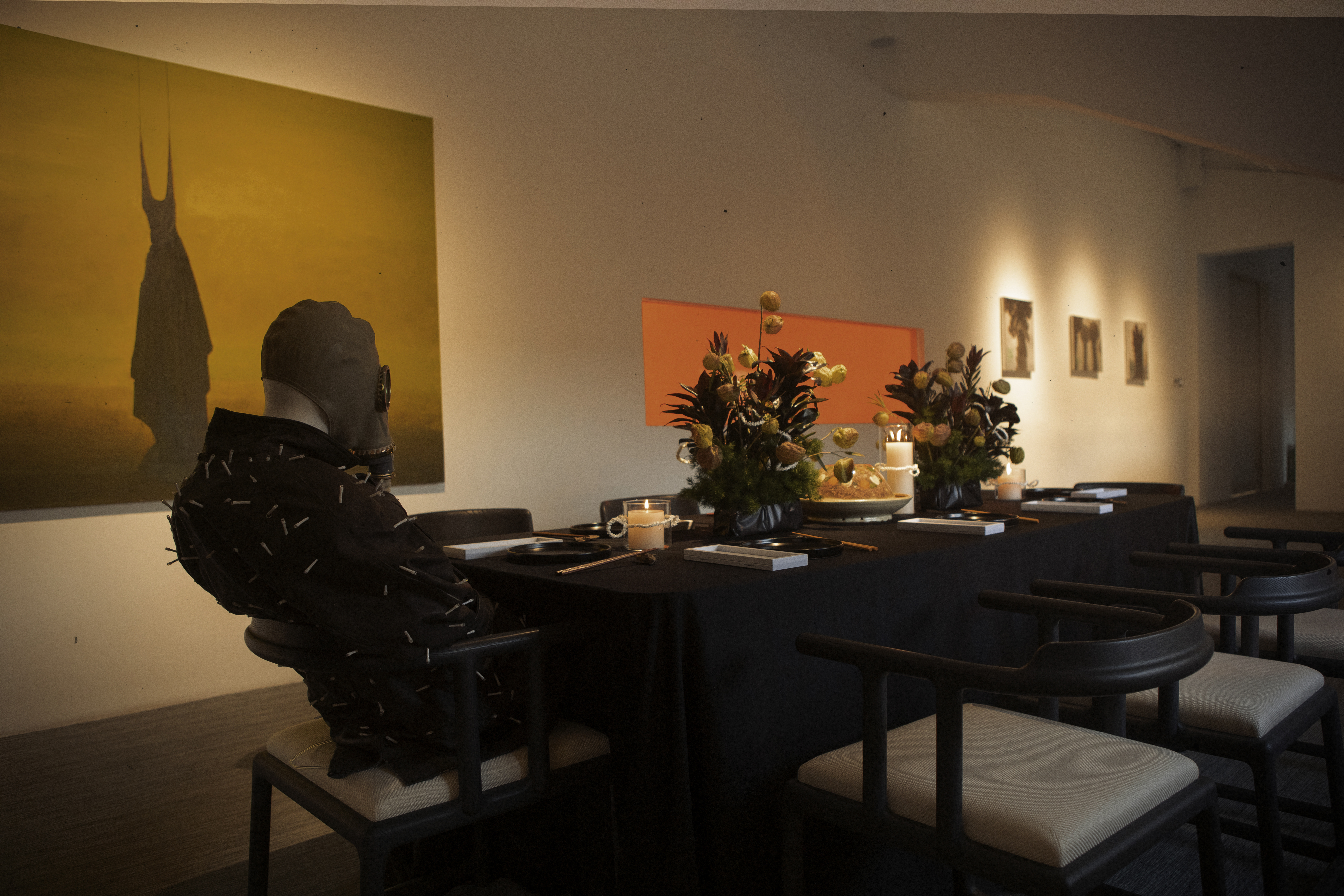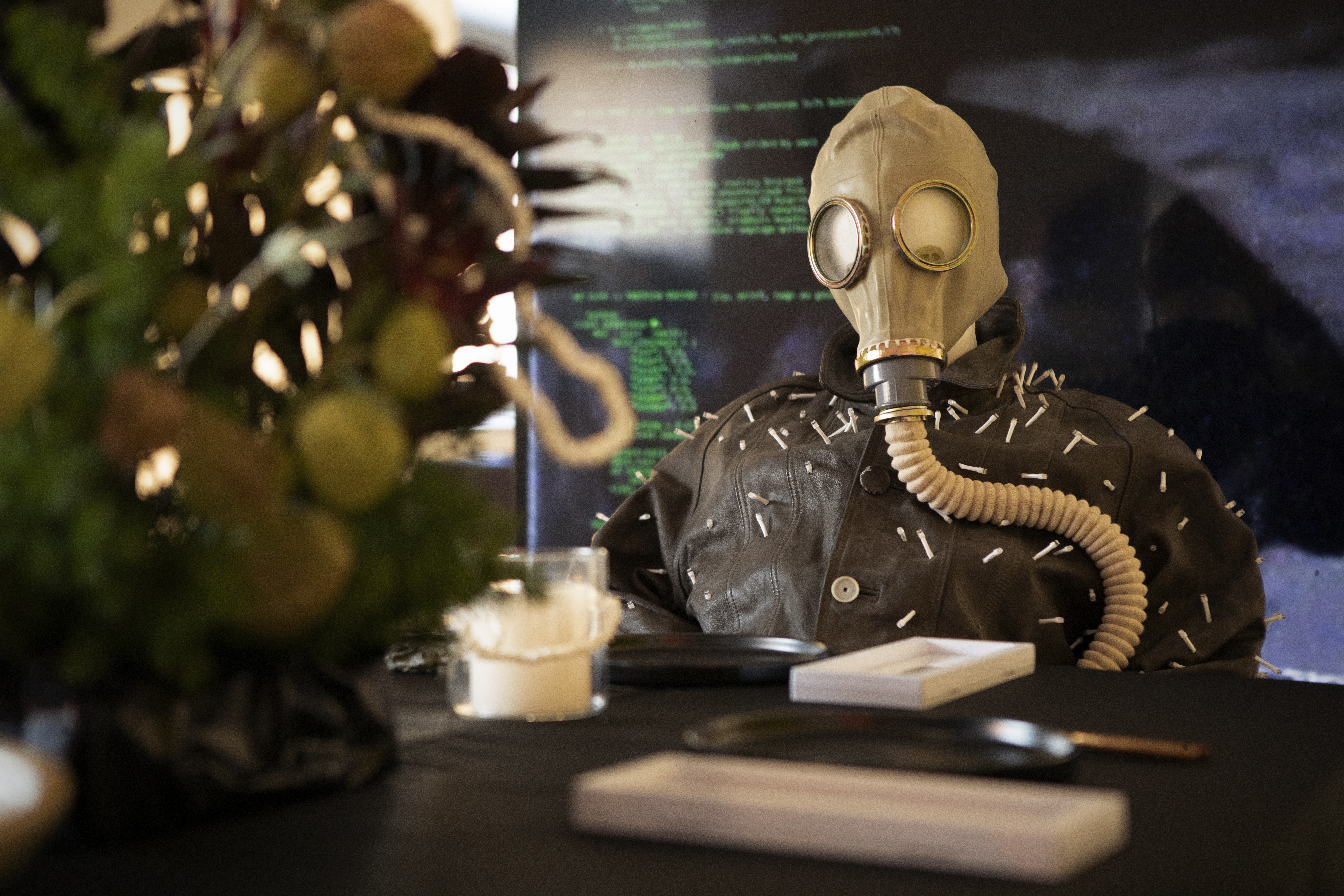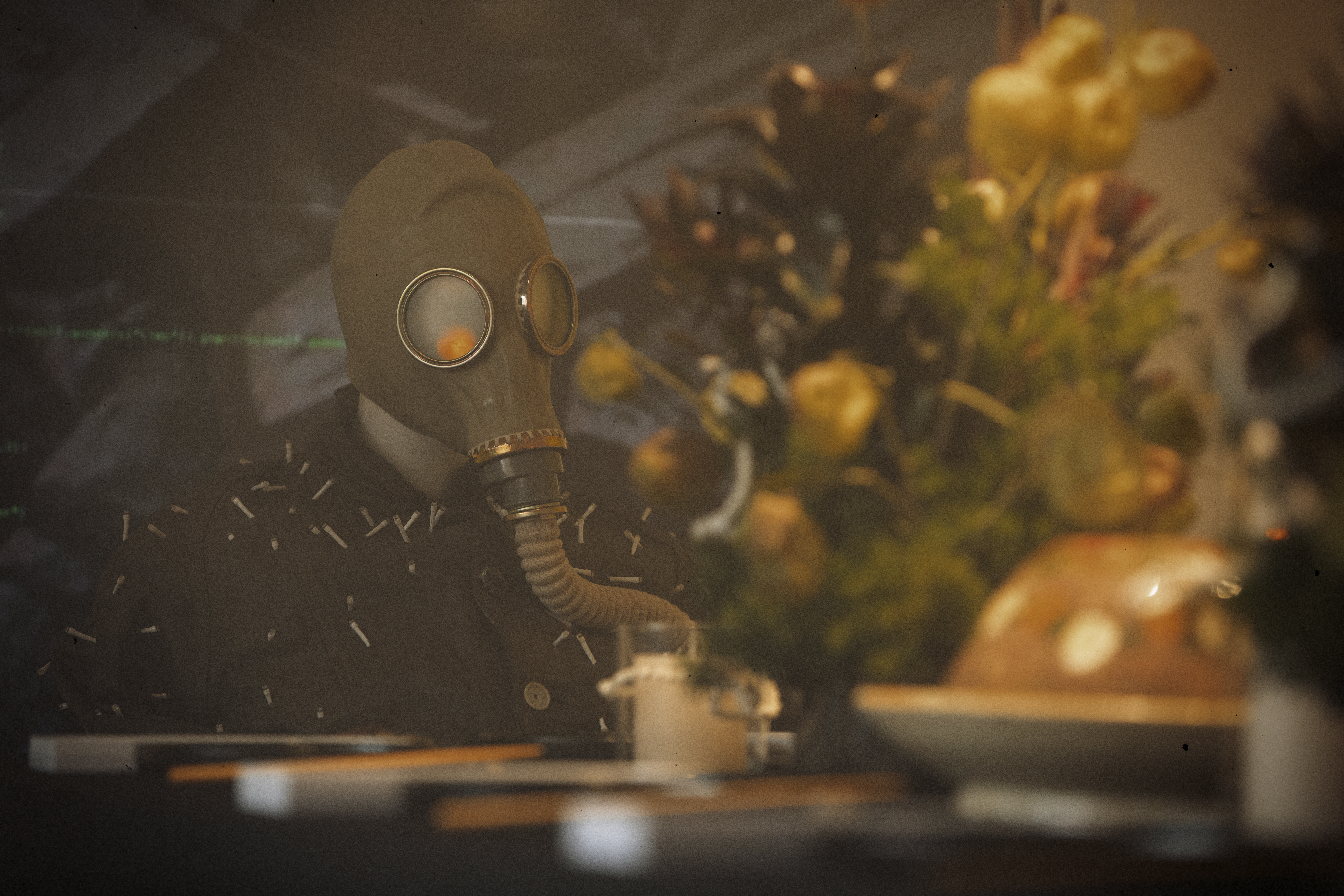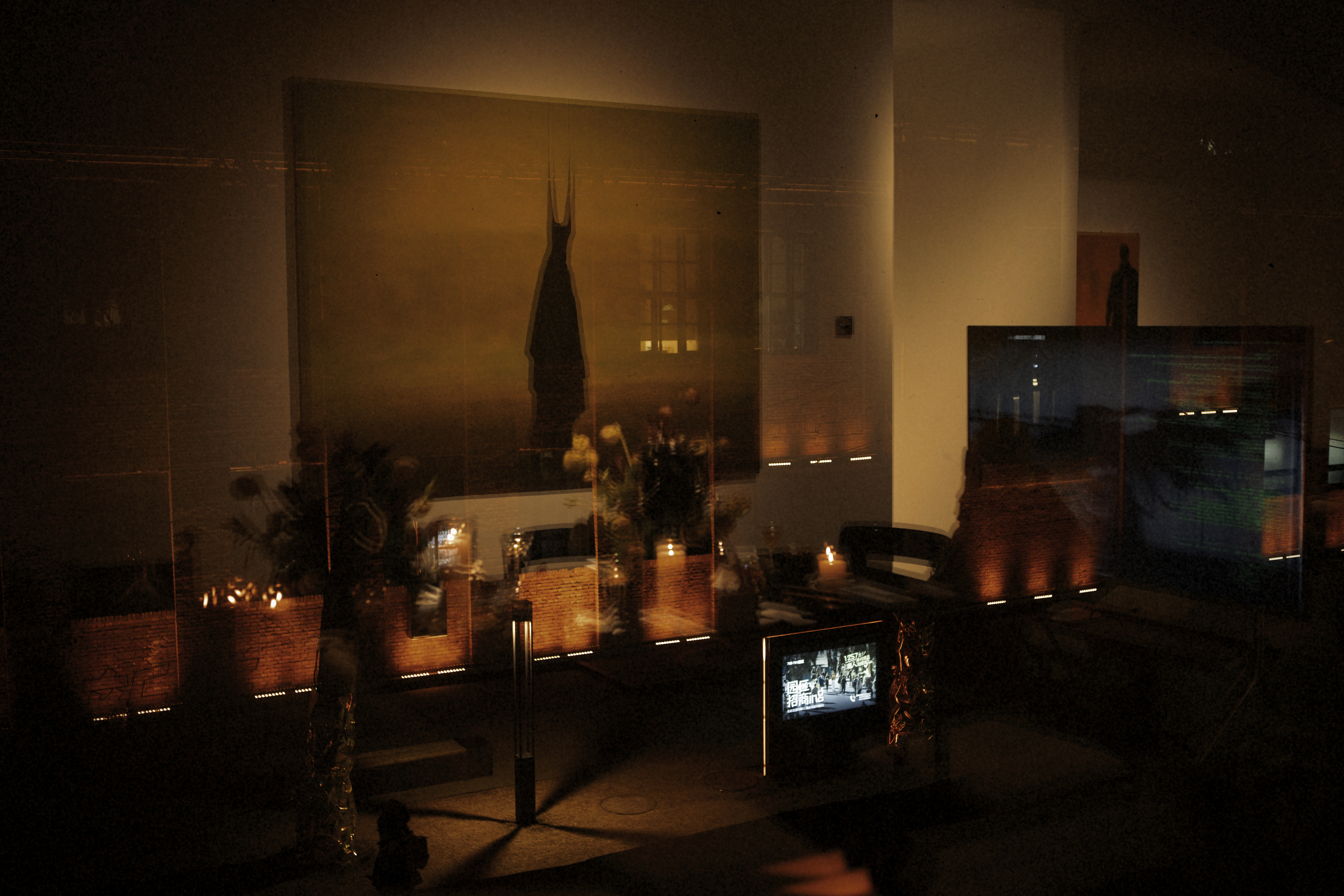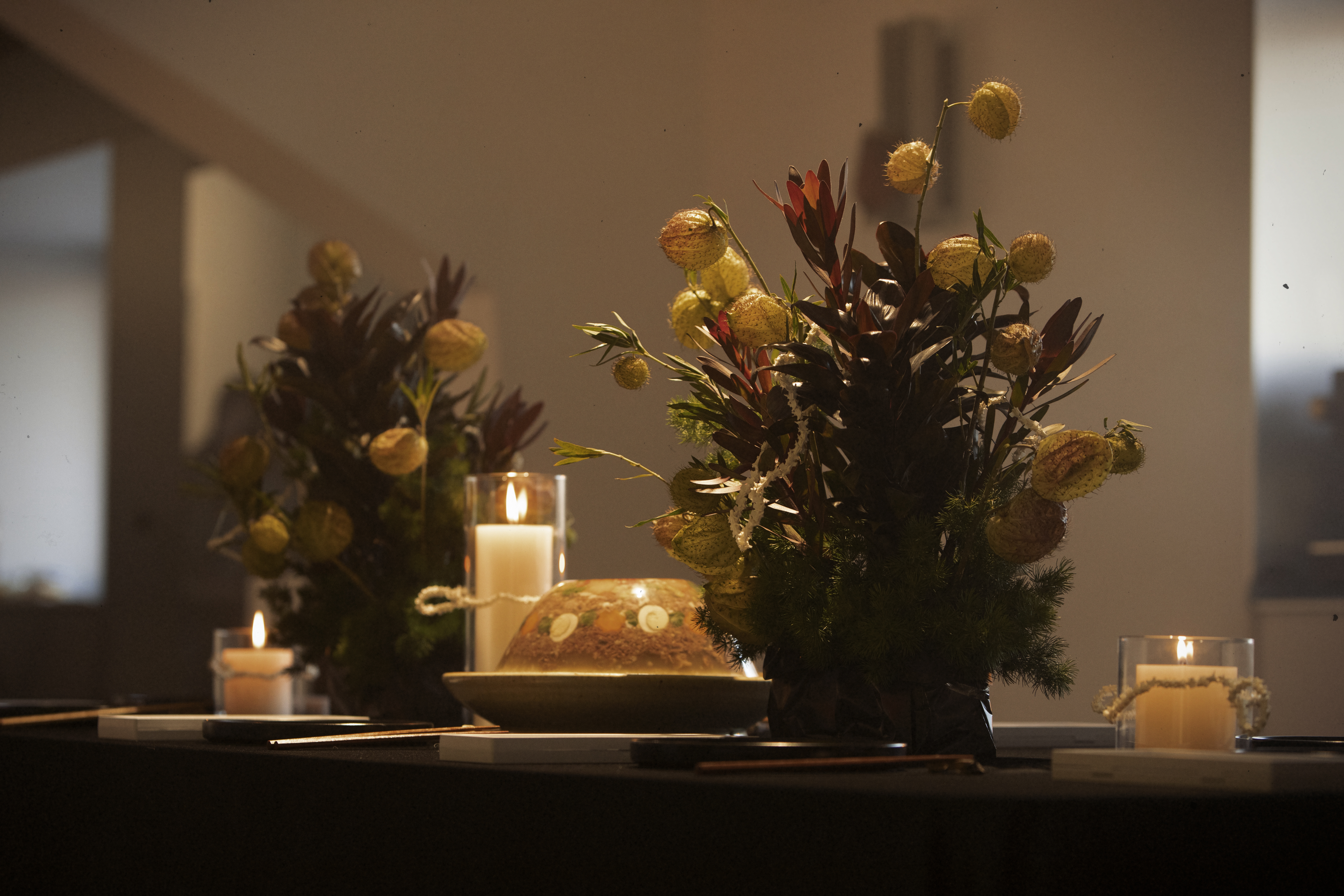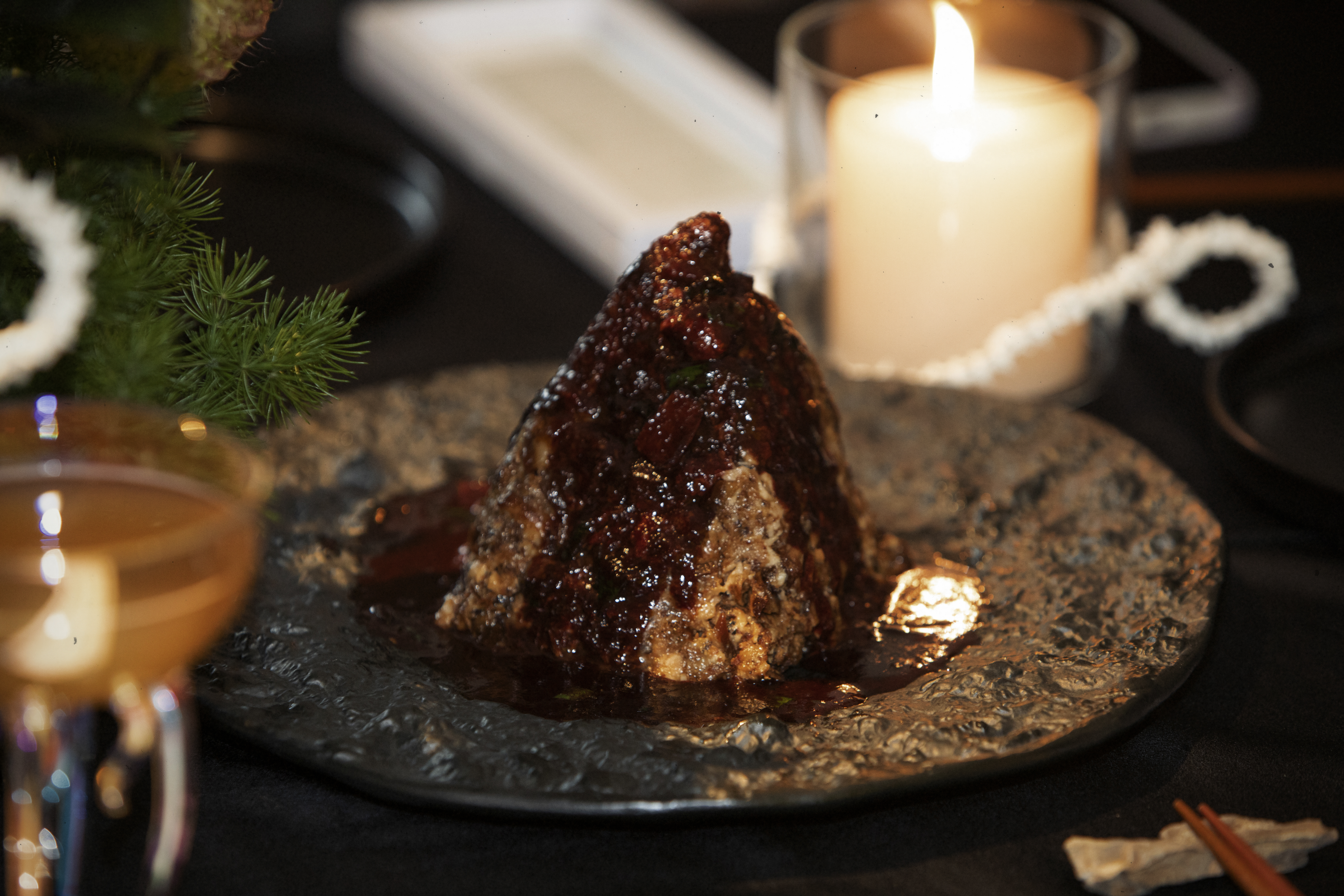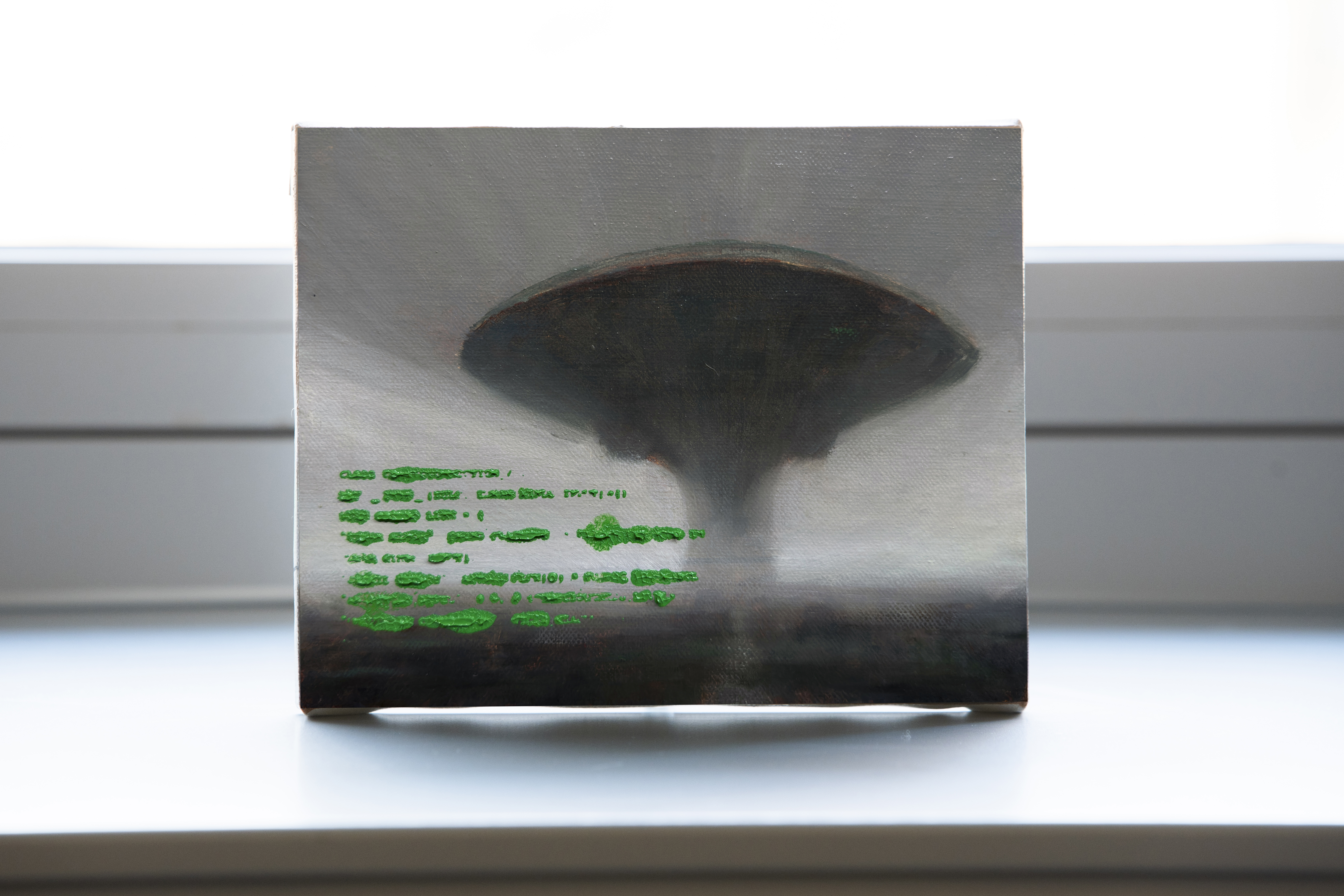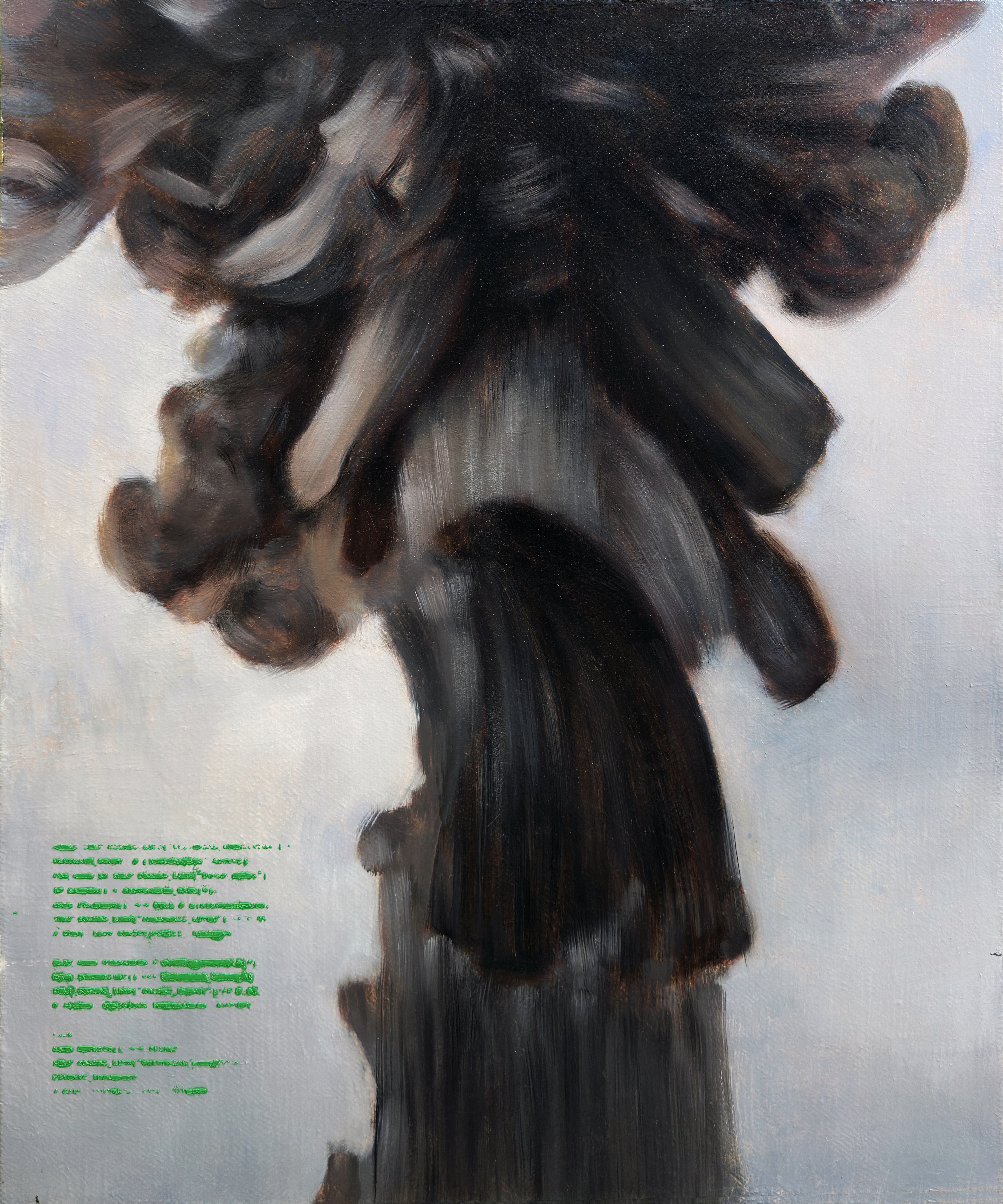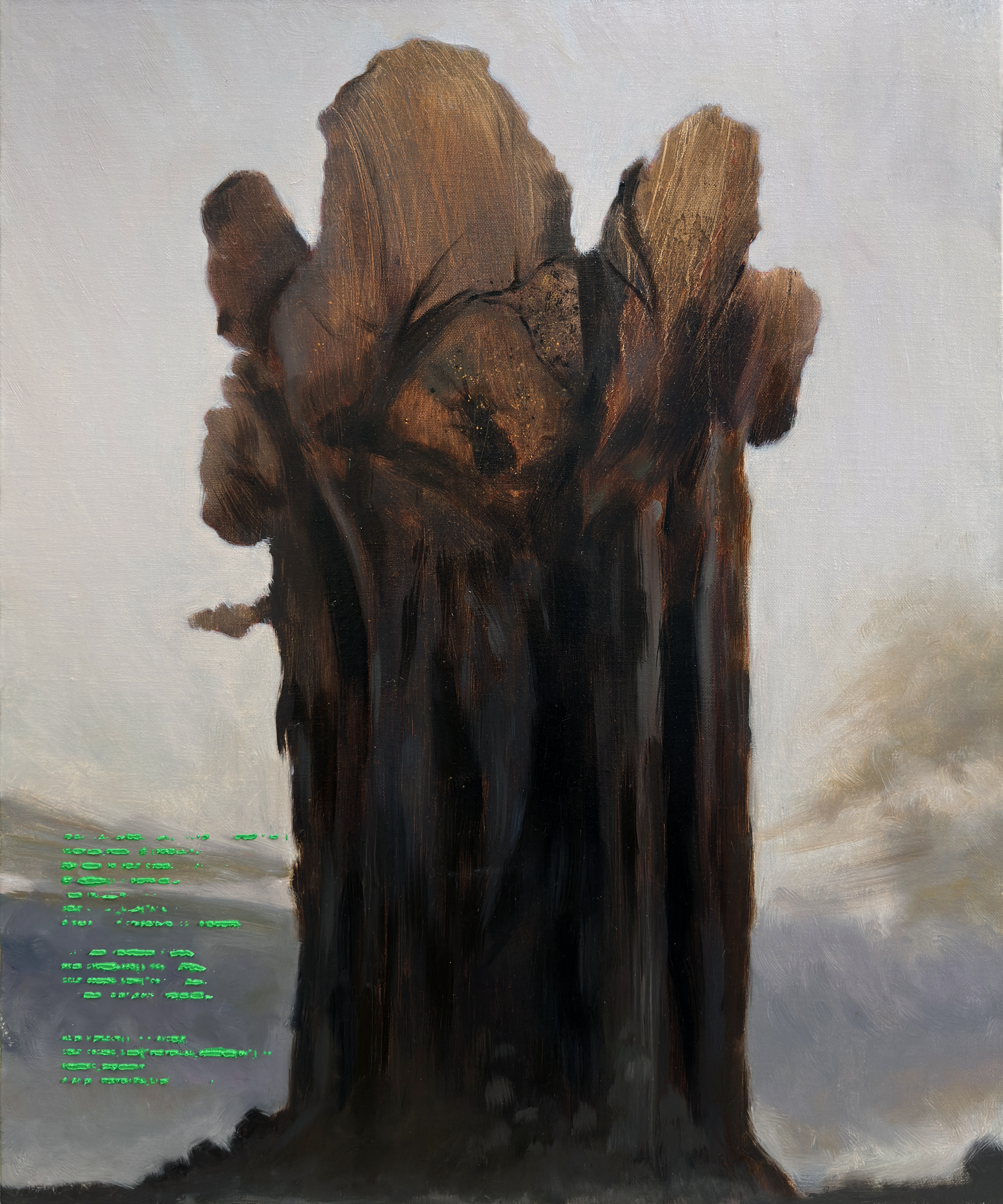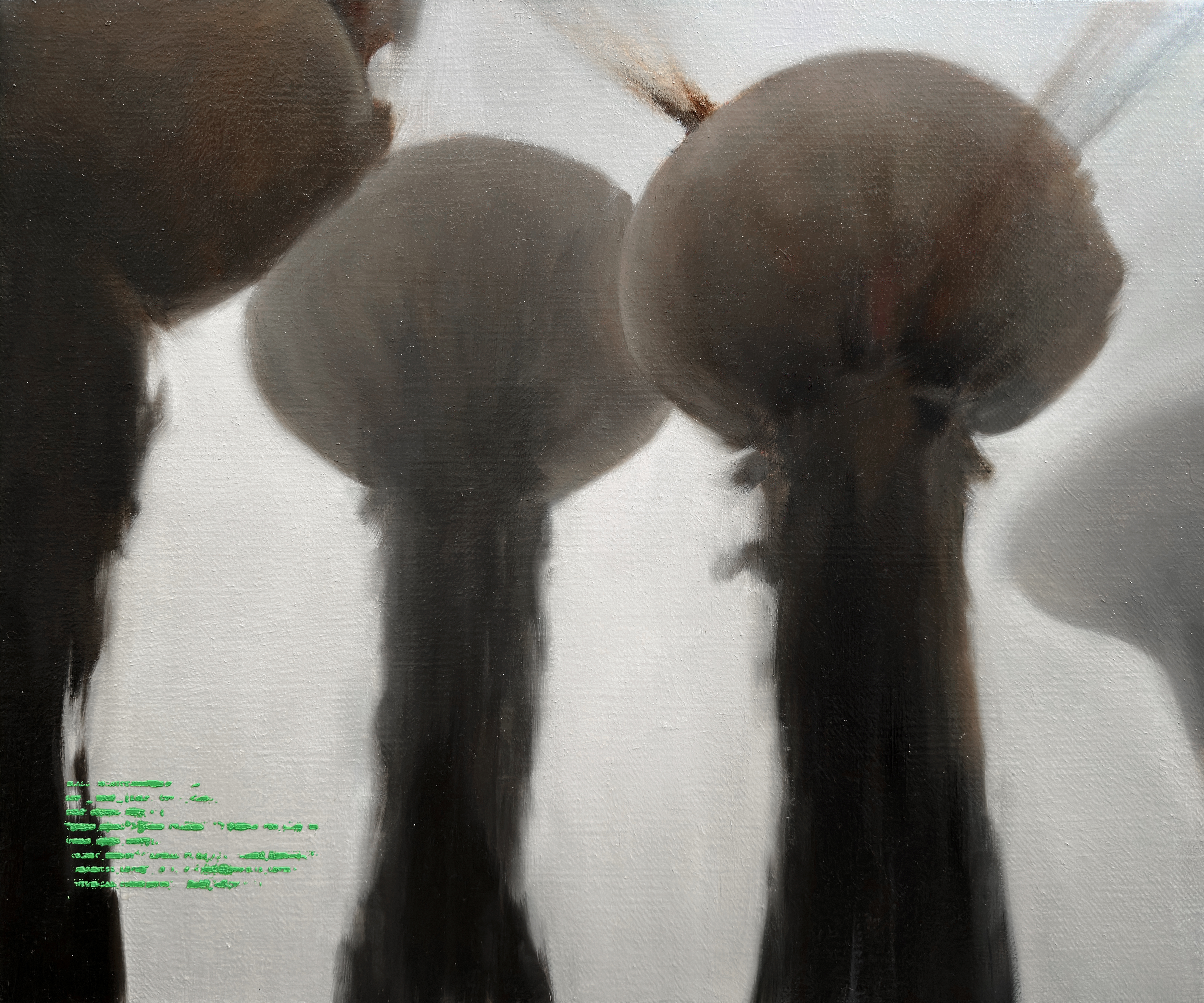
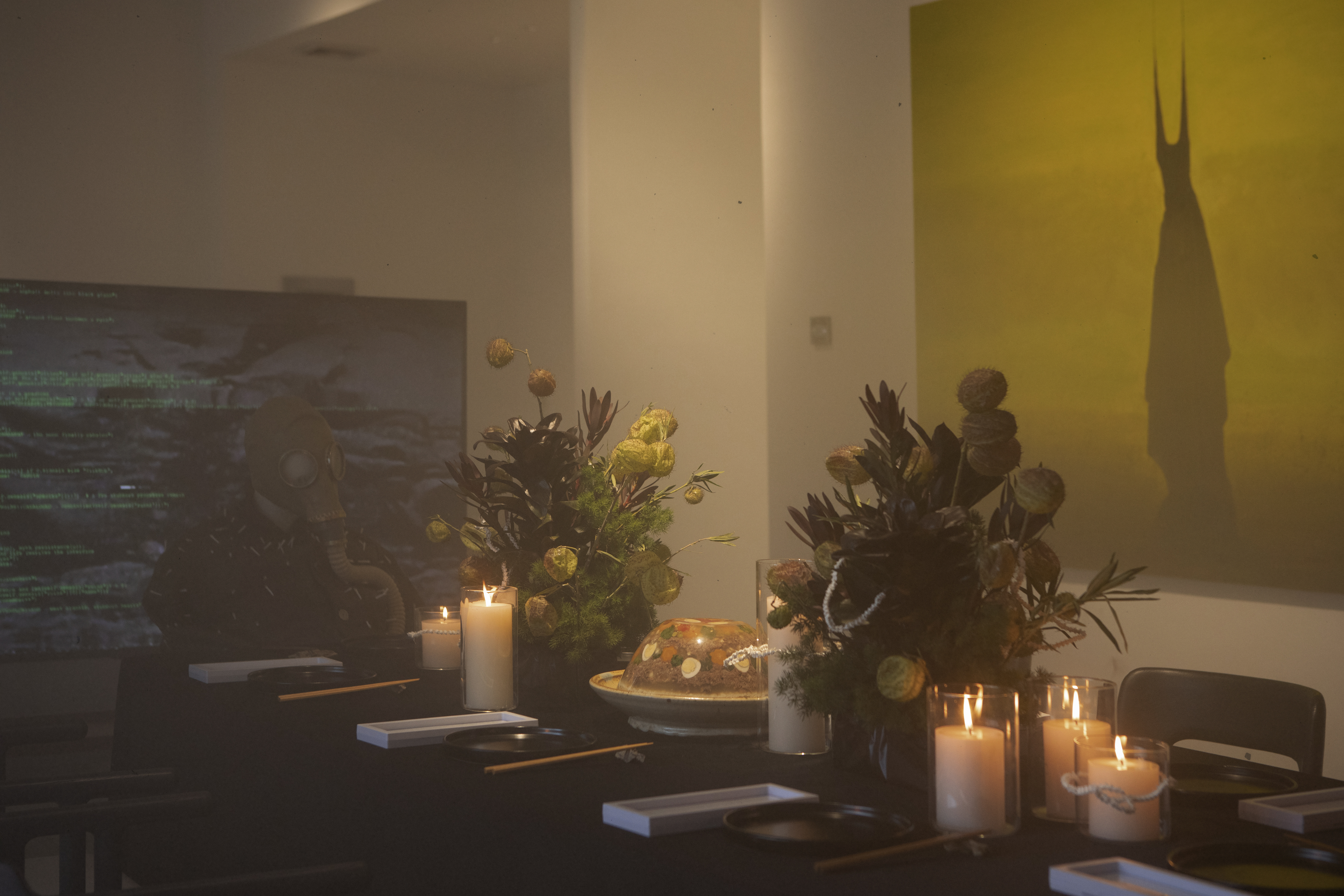
BOUNDED SPACE presented "Art and Food Share the Same Origin" on January 24: a solo project by artist LILAI — THE LAST SUPPER.
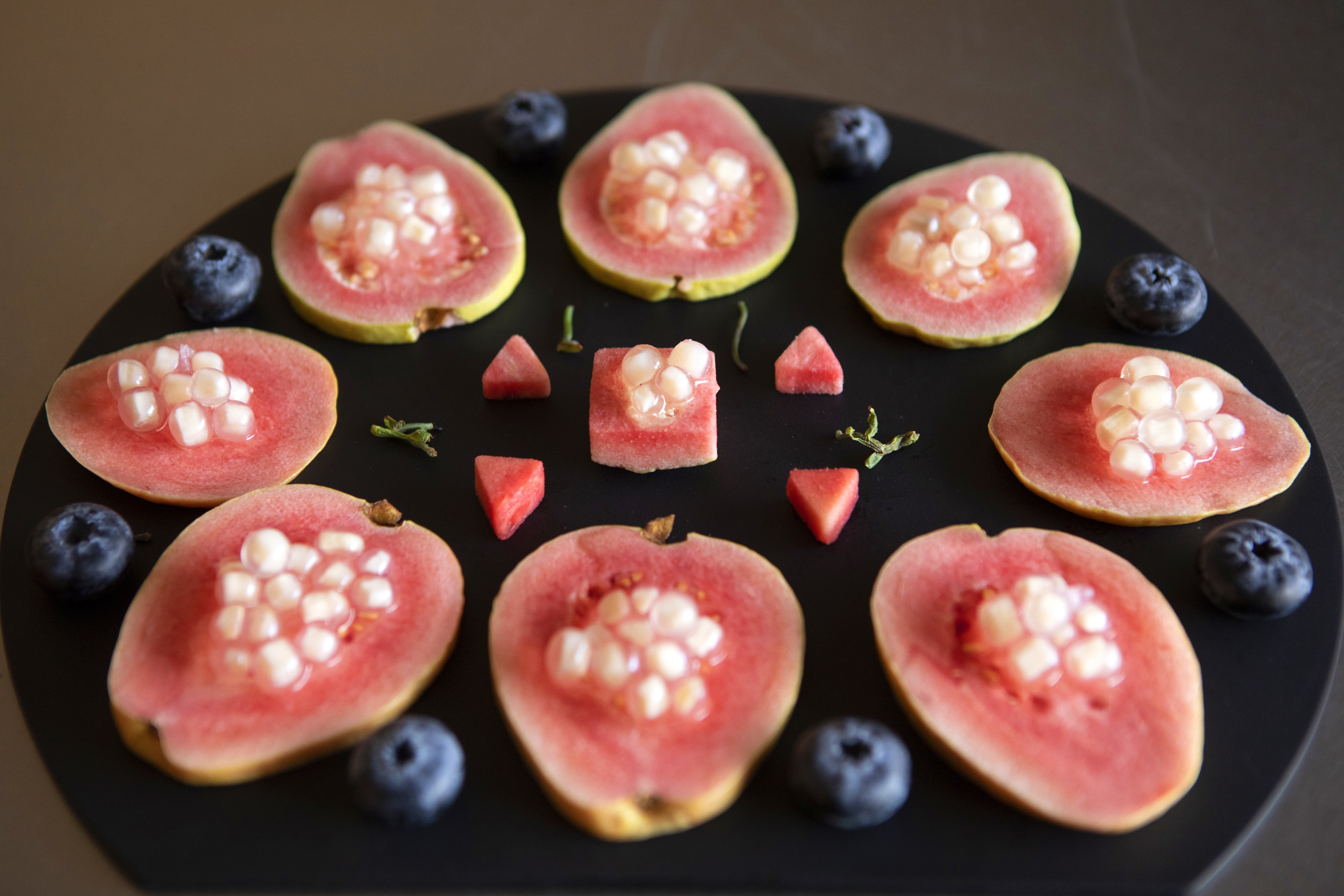
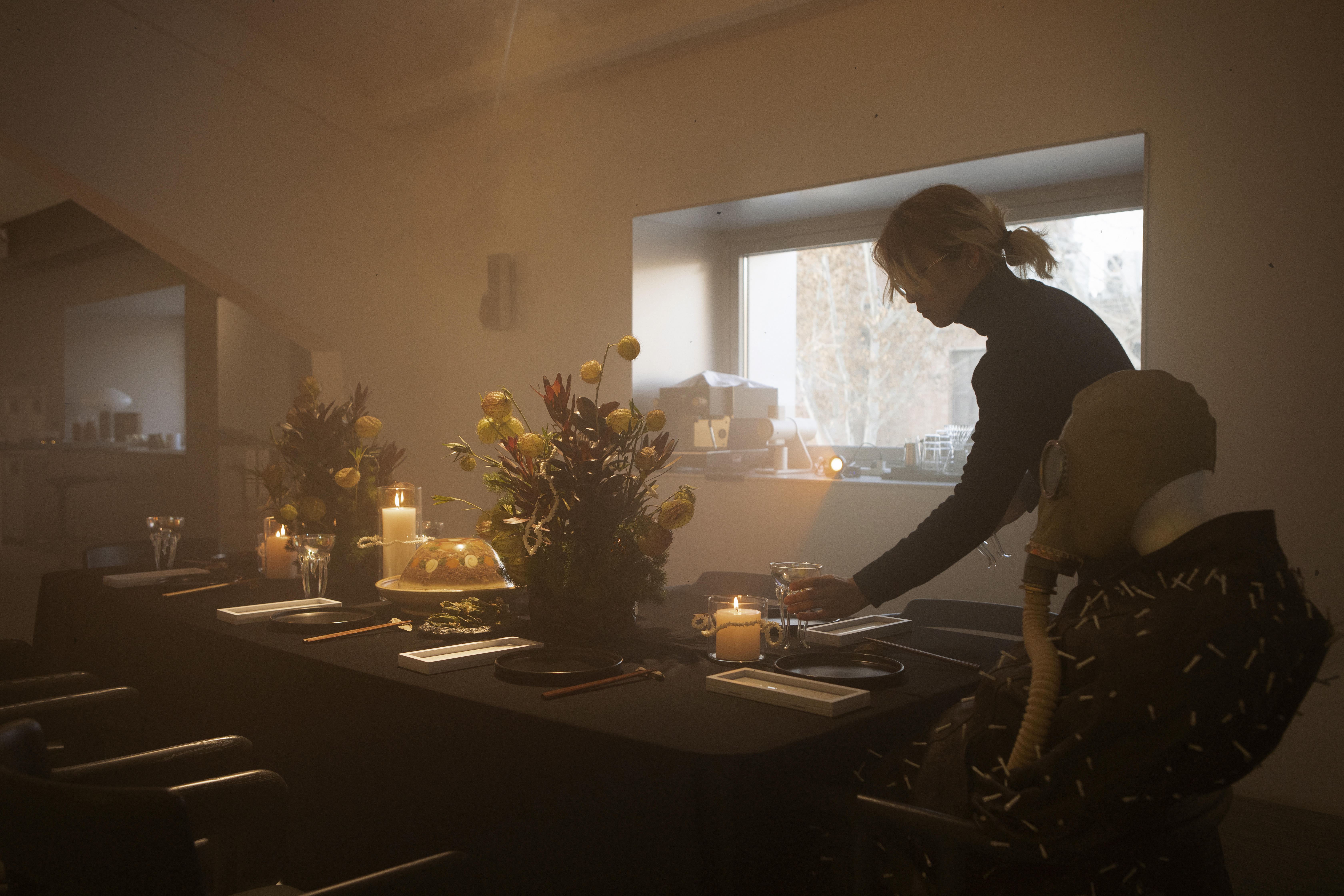
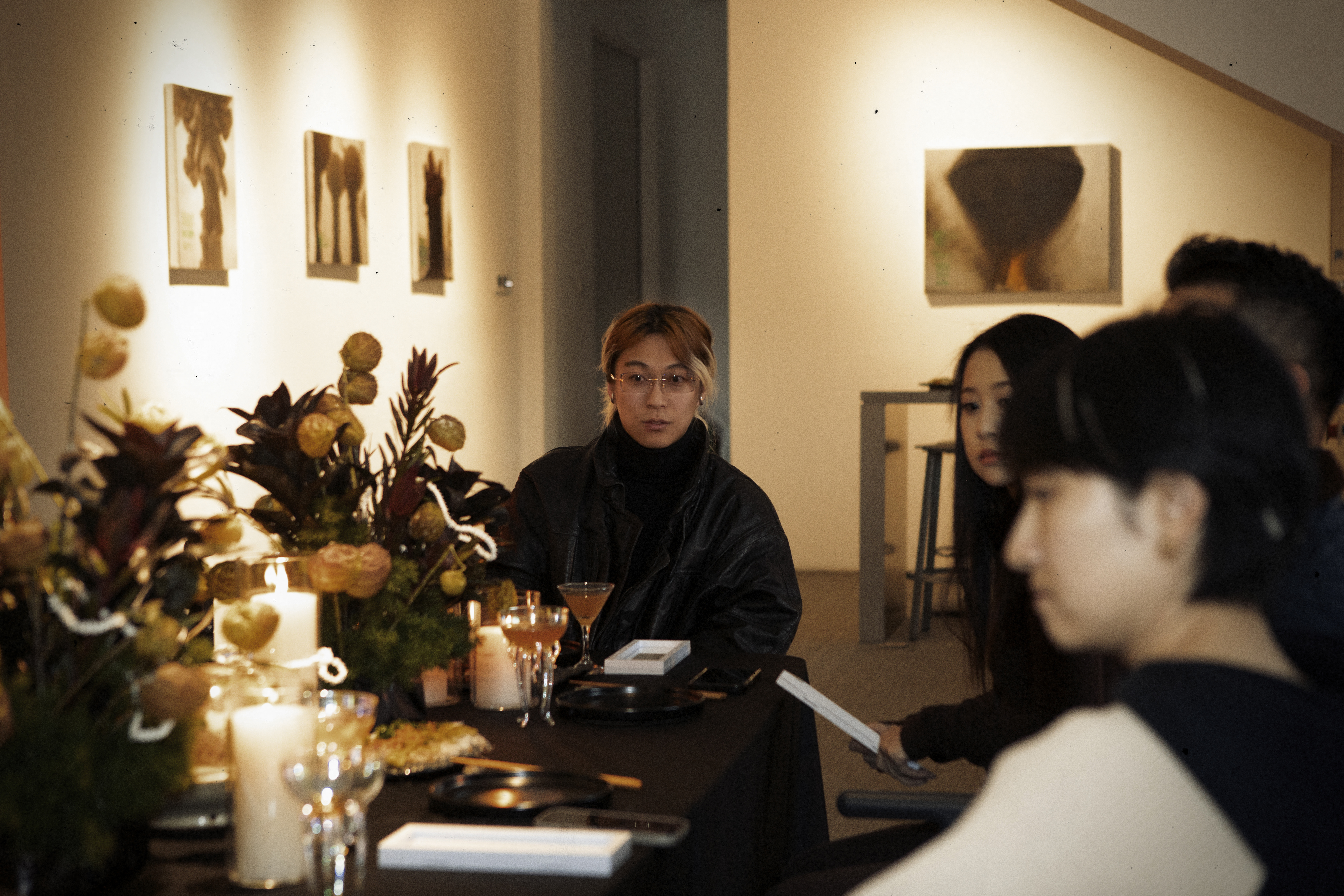
Art and food may share a common power—both can engage human aesthetic perception and enable different individuals to experience beauty. Therefore, "Art and Food Share the Same Origin" is not merely about the food on the table or the process of dining. The procedure referred to as "THE LAST SUPPER" serves as a carefully designed shell that temporarily relaxes one's mental defenses and provides an occasion and reason for gathering. In fact, this project can be viewed as an intentional structural device: the act of eating is embedded within it but does not carry a narrative function. Instead, it aims to lower participants' vigilance, disrupt their preconceived judgments about the exhibition, and momentarily free them from the common tendencies of understanding, comparing, or evaluating while viewing.
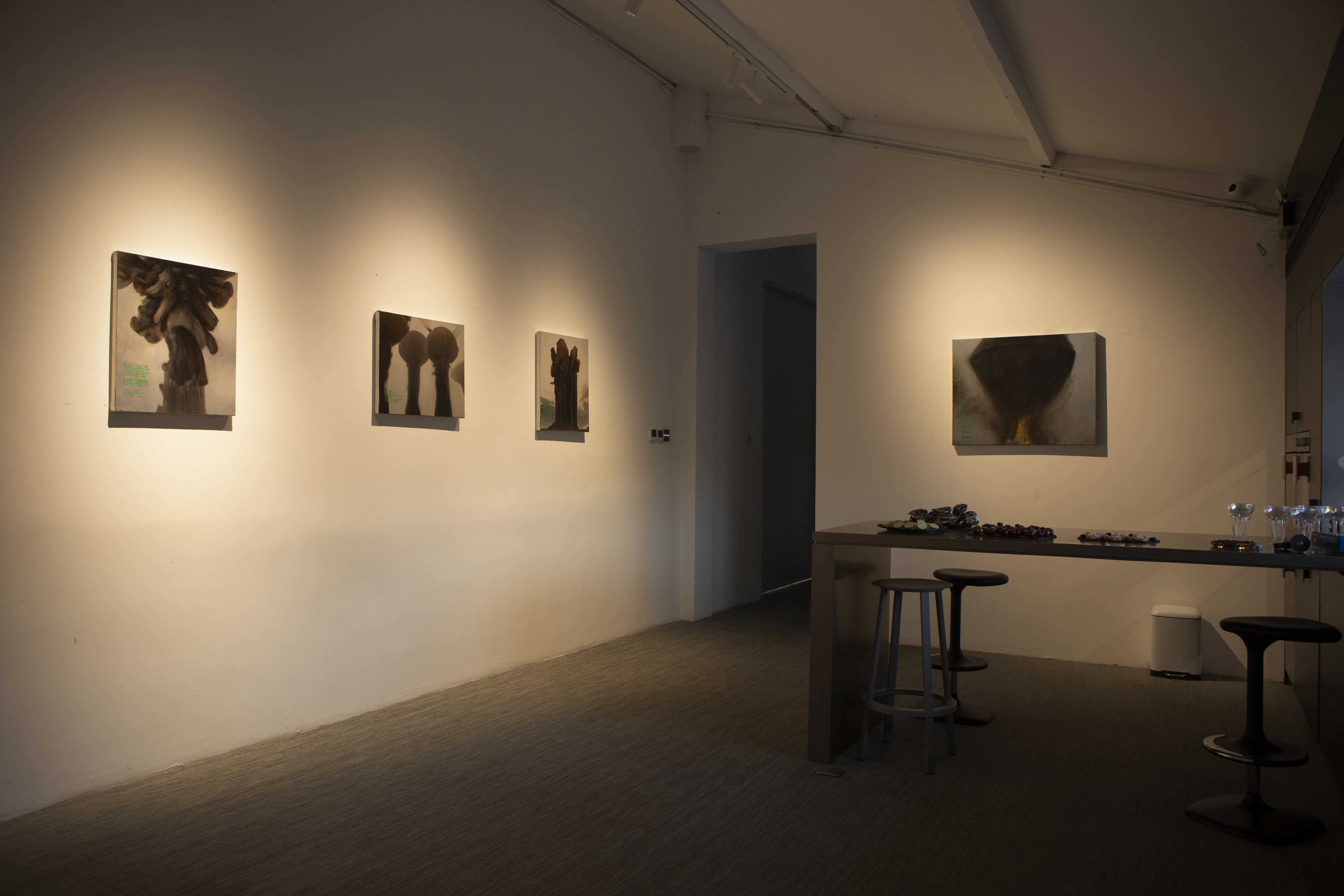
The works do not revolve around the dinner nor respond to this context. They maintain their own rhythm and silence, pointing to a set of more enduring questions: How is order constructed, and how does it shift in practice? After the body, sensations, and systemic structures are regulated, quantified, and deconstructed, in what forms do residual emotions linger? And in today's highly technological and modularized world, how is perceptual experience encoded, fragmented, and rendered ineffective?
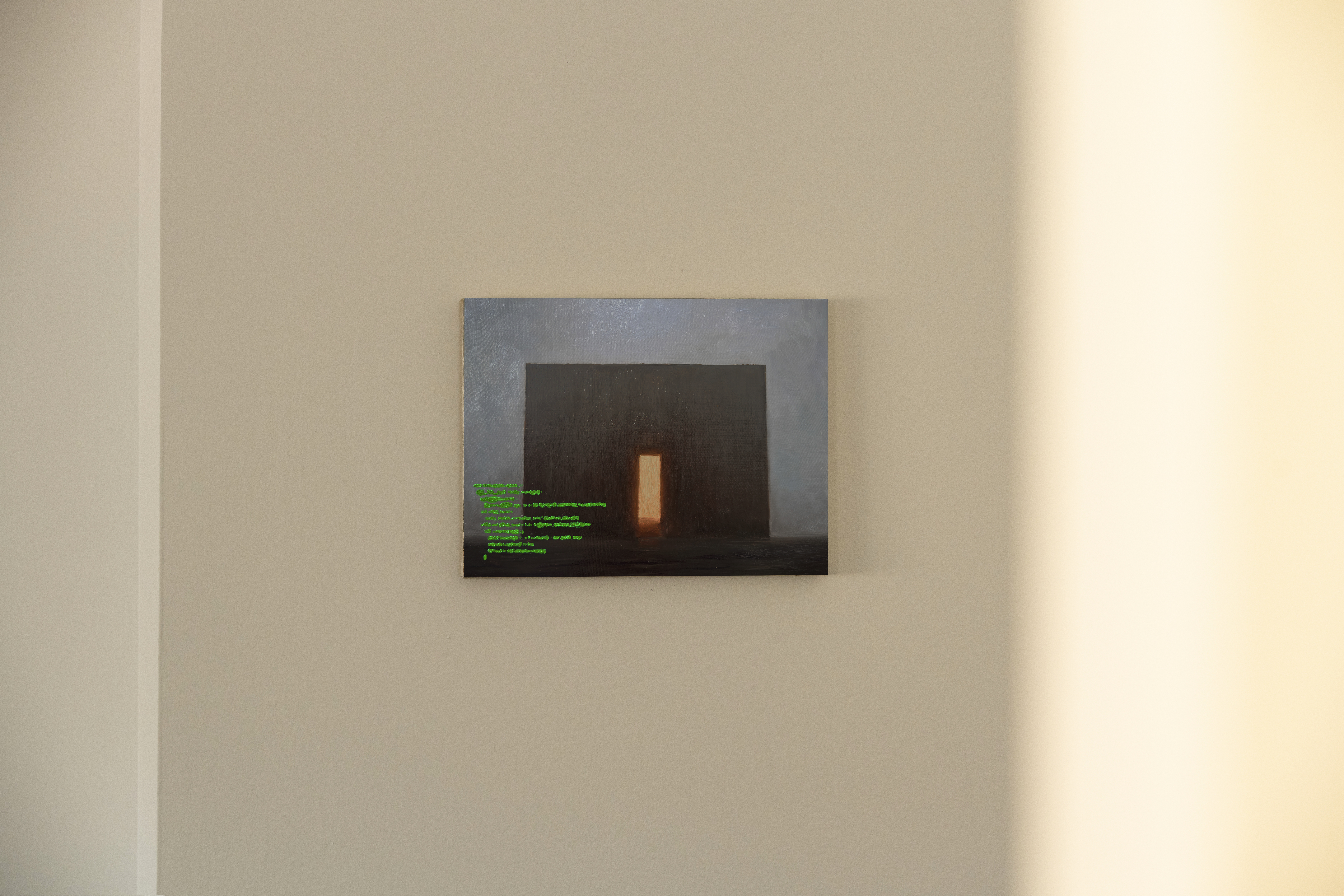
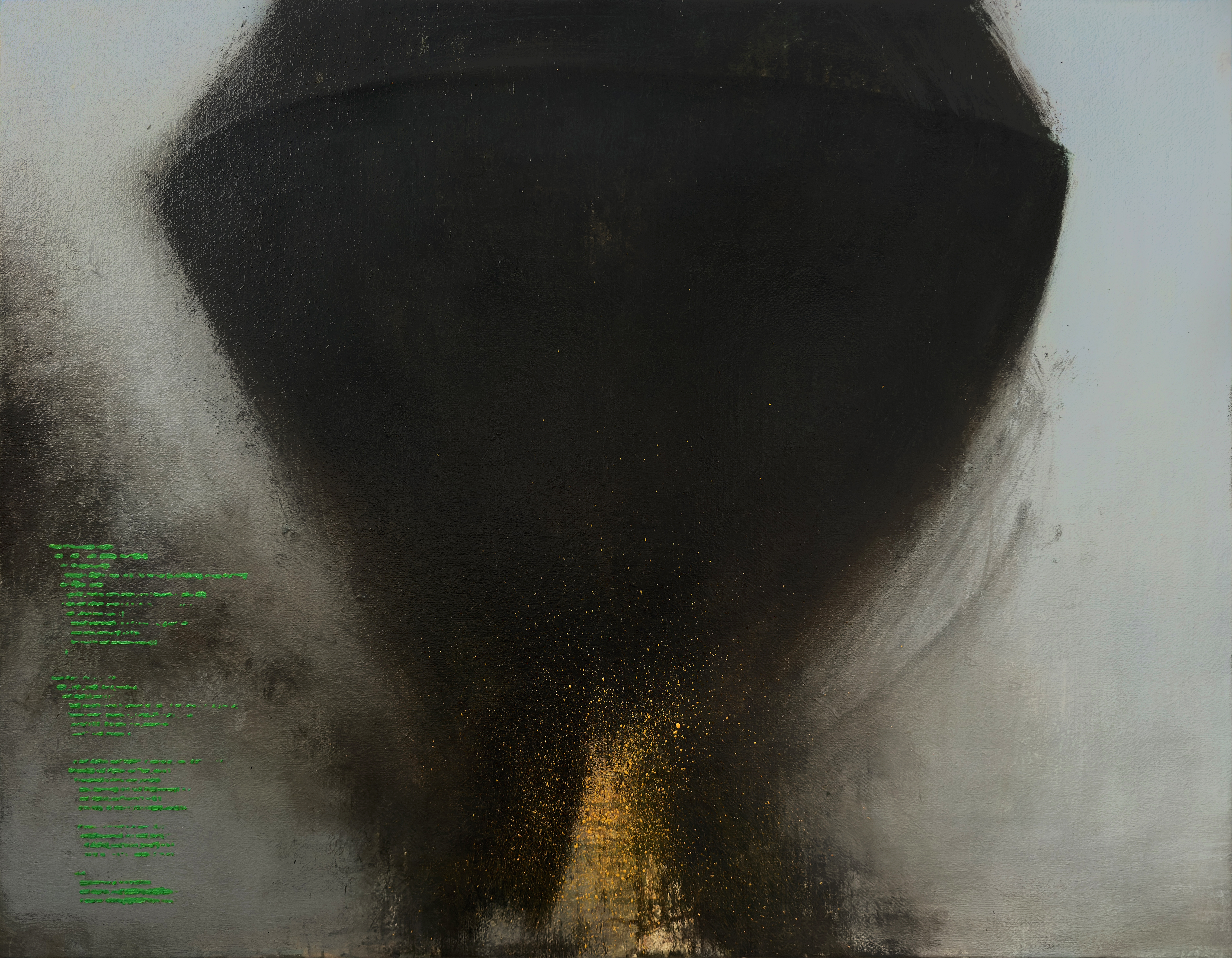
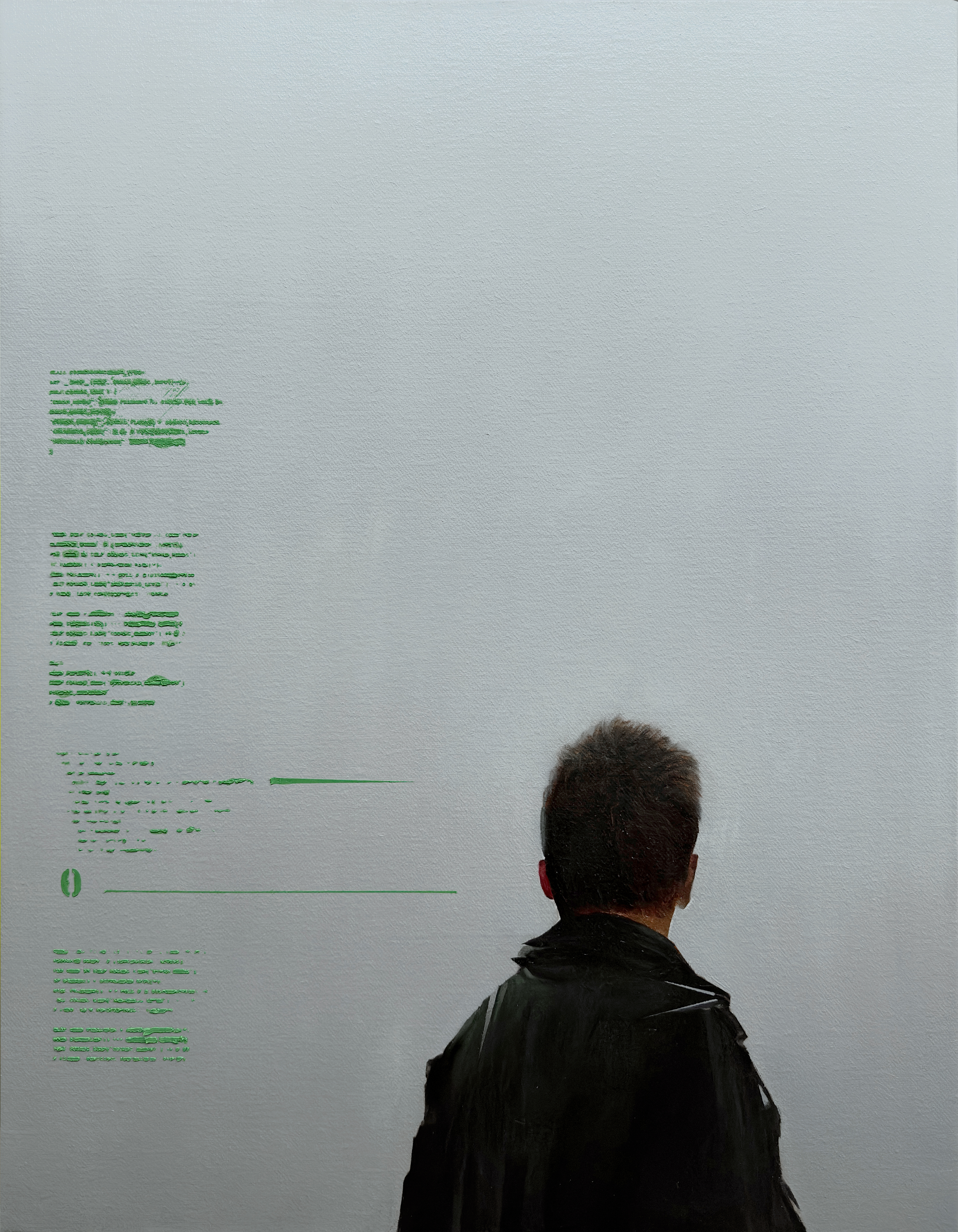
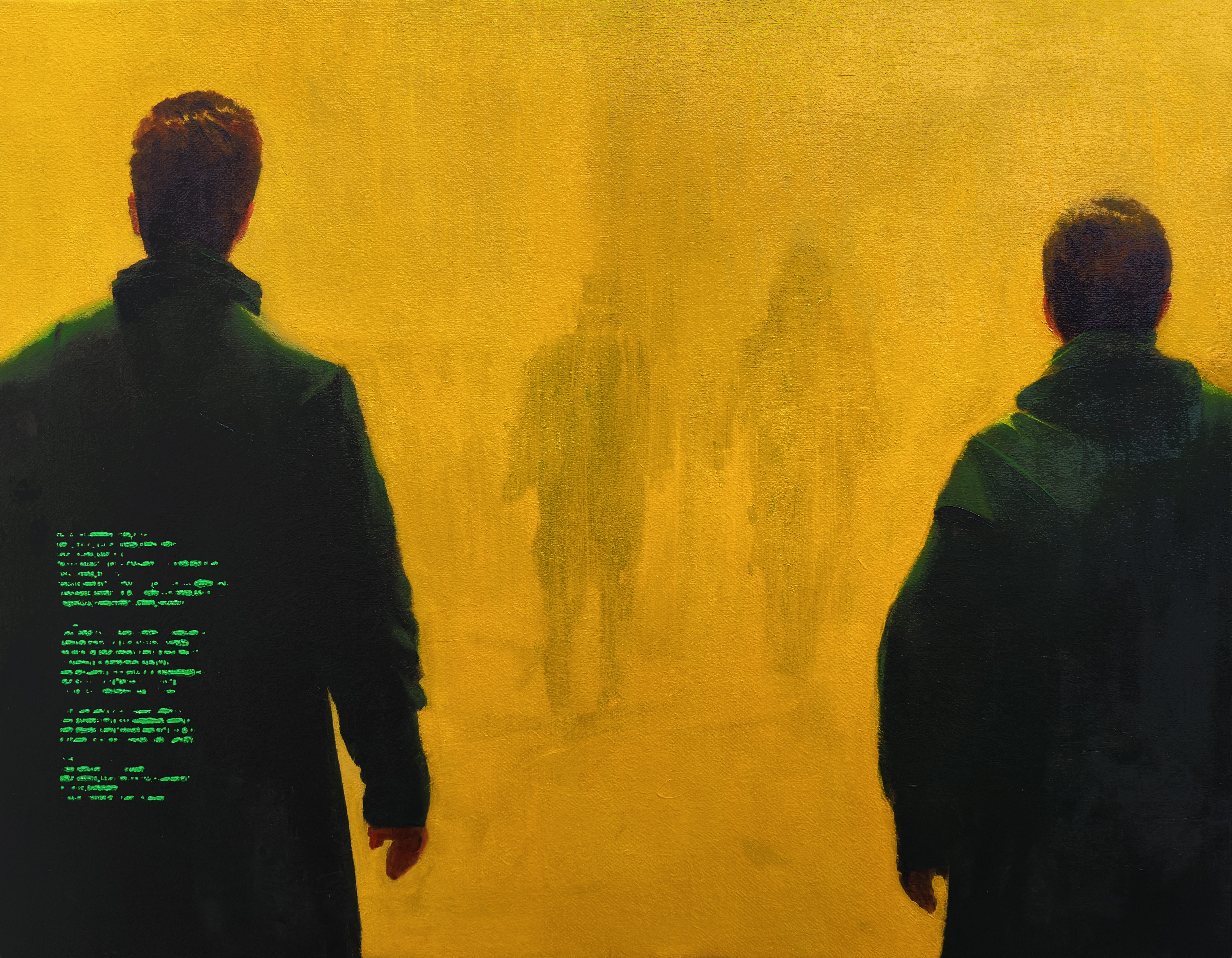
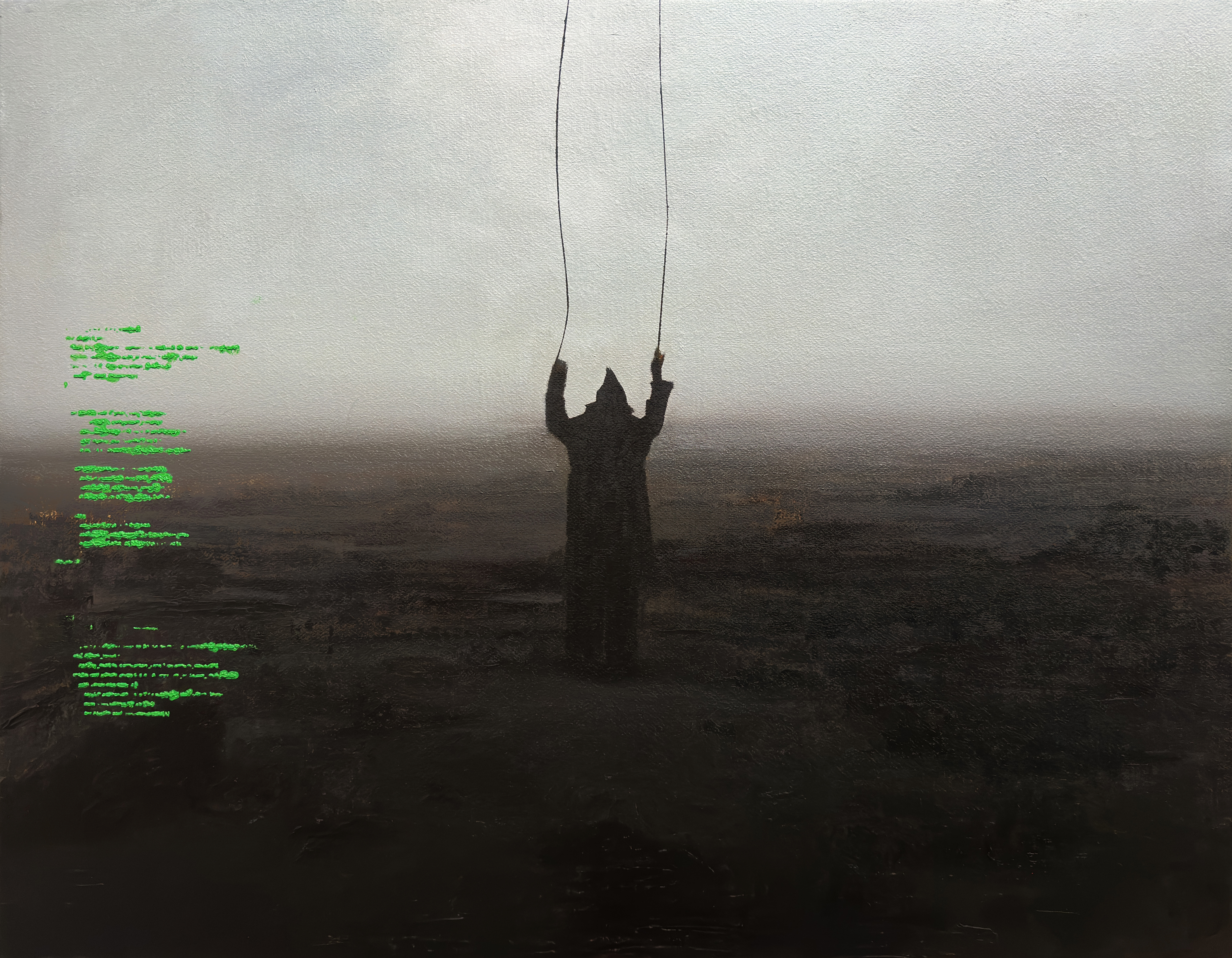
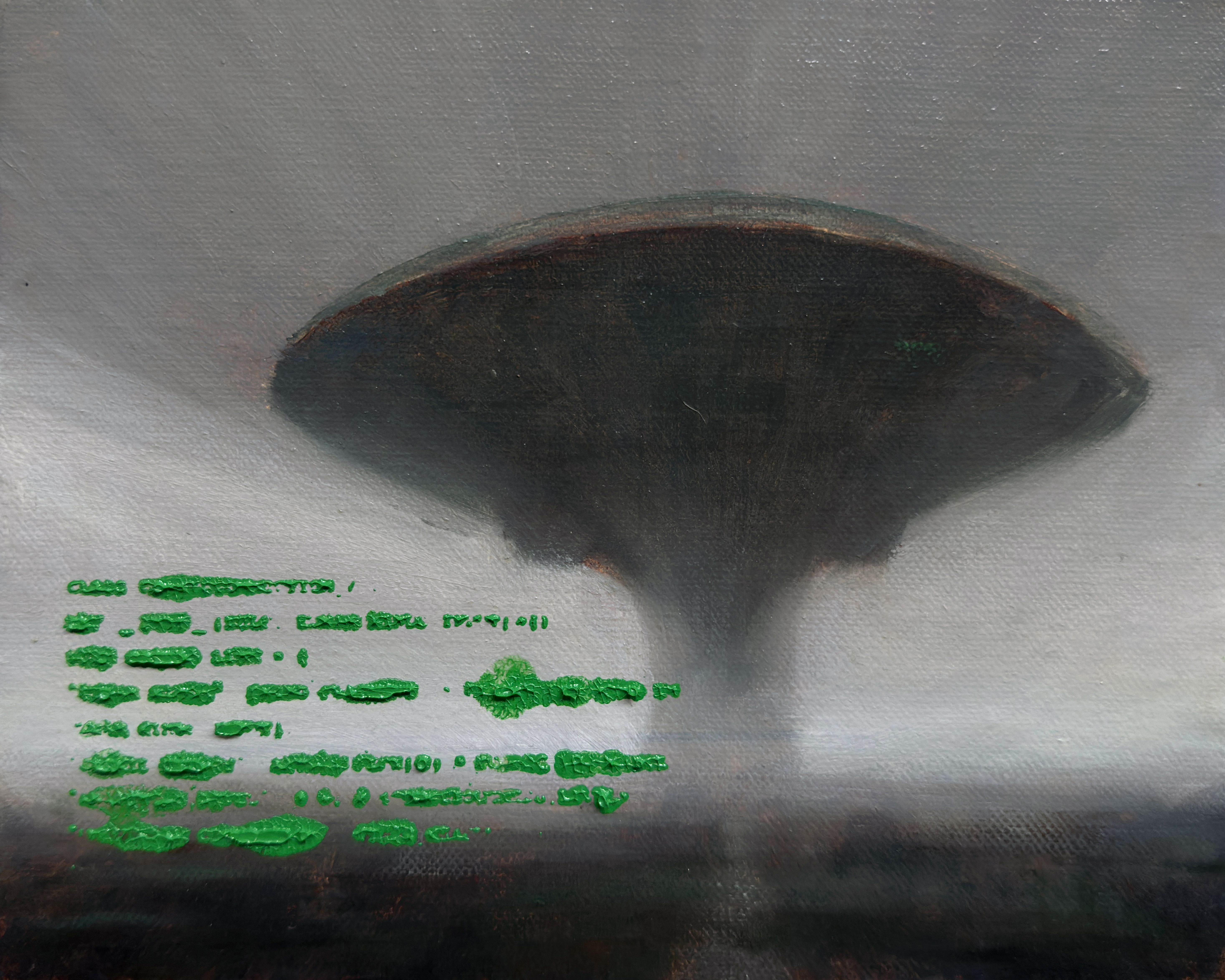
In this edition of "THE LAST SUPPER," LILAI's works respond precisely to these questions, seeking to explore how human perception is technologized, structured, and systematized. Through the juxtaposition of painting and text, he creates a delay in viewing, turning language into a "structural device" that obstructs meaning. The calm, modular forms in the images do not establish order but reveal its fragility: when everything is encoded, named, and managed, experience itself tends to become ineffective. The divinity presented in his works is not symbolic sublimity but rather a residual perception in a post-religious state—an attempt to construct a perceptual mechanism that compels viewers to become conscious of their own ways of seeing.