
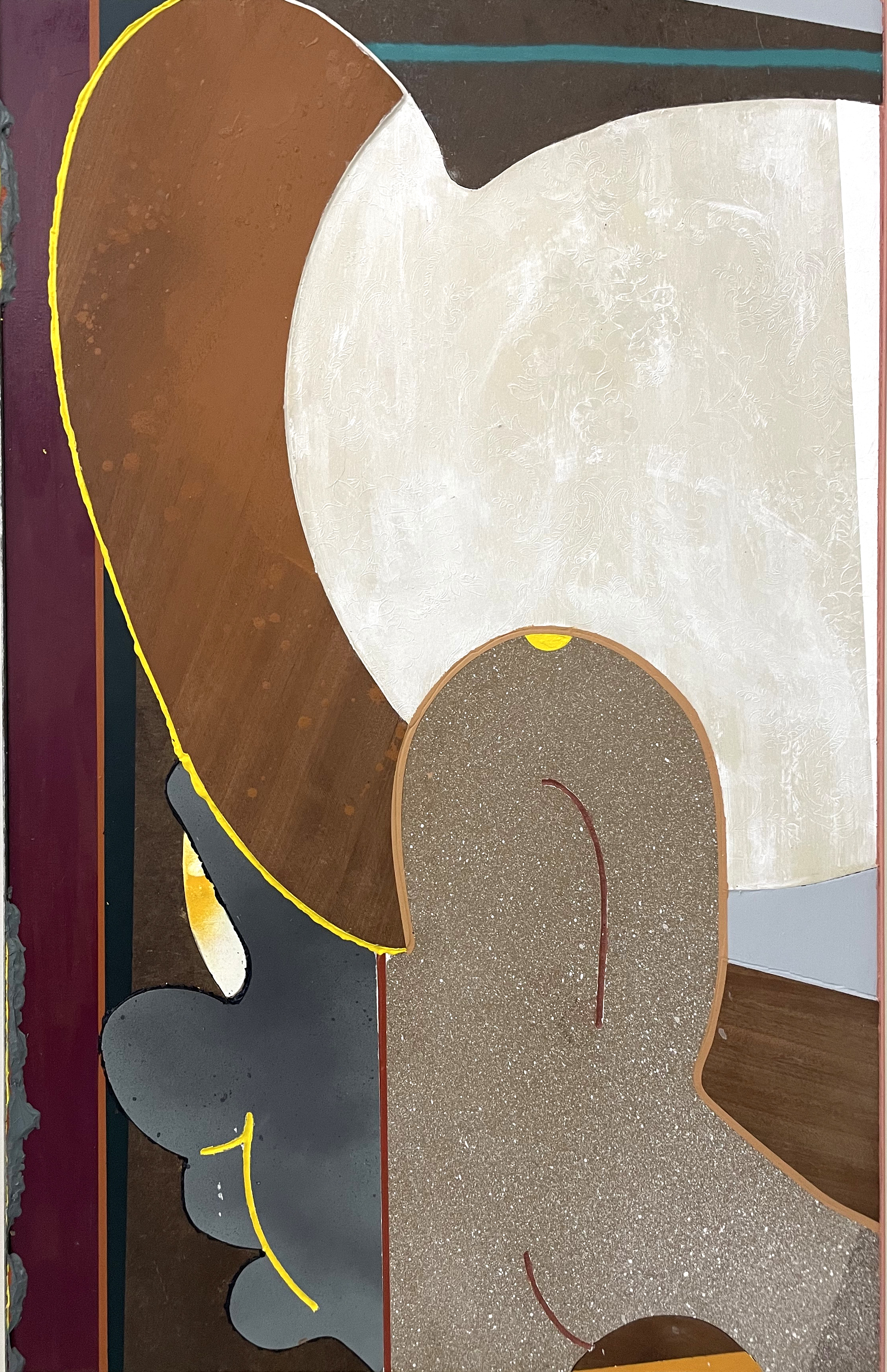
Justice Within Secrets
The Guilin Disneyland project centers on the past event of Guilin’s attempt to build China’s first Disneyland in 1995. Disney’s arrival in the small eastern city of Guilin is likened to an explorer venturing into a new world—using this as a starting point to unfold the thematic chapter of “Why We Take Risks.”
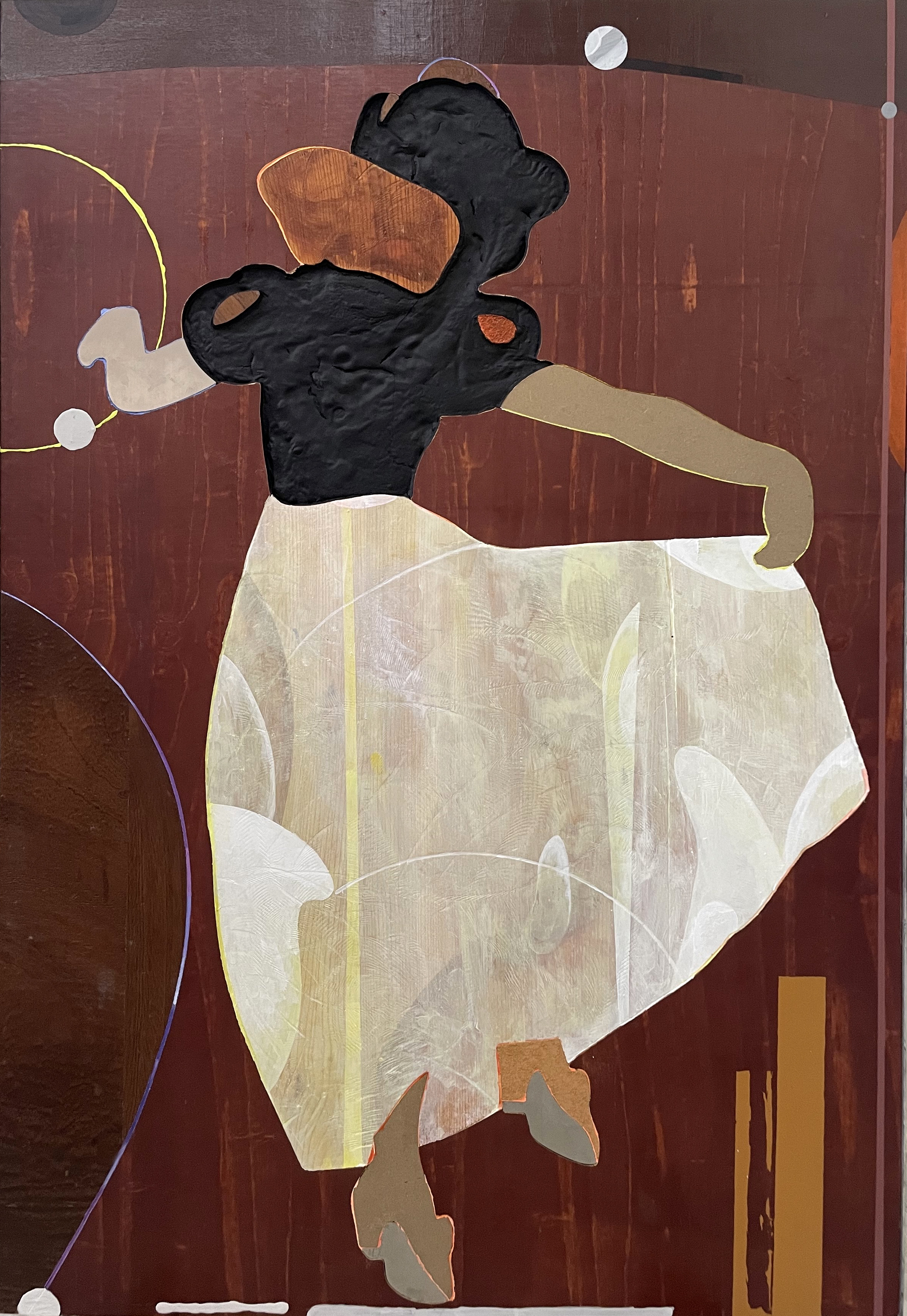
Snow White’s Room depicts the adventures sparked by the pursuit and co-construction between opposite sexes. As a classic Disney character and the first princess in the Disney Princess franchise, Snow White, from a girl’s perspective, lays the foundation for the “princess dream.” Meanwhile, from another perspective, the work subtly incorporates a trajectory that aligns with the male gaze: the prince’s limited screen time allows for male self-insertion, the male dwarves who form a close alliance with Snow White are not part of conventional human society, and the only other male figure—the huntsman—carries the original sin of a villainous purpose…
Through a series of mixed-media works, Snow White’s Room combines fragmented scenes from the Snow White animation with decorative language and materials to construct a symbolic playfulness. It presents the aesthetics of power, emotional flow, and everyday traces gathered within the home as a vessel, composing a romantic history of adventure jointly woven from male and female perspectives—beginning with Adam and Eve.
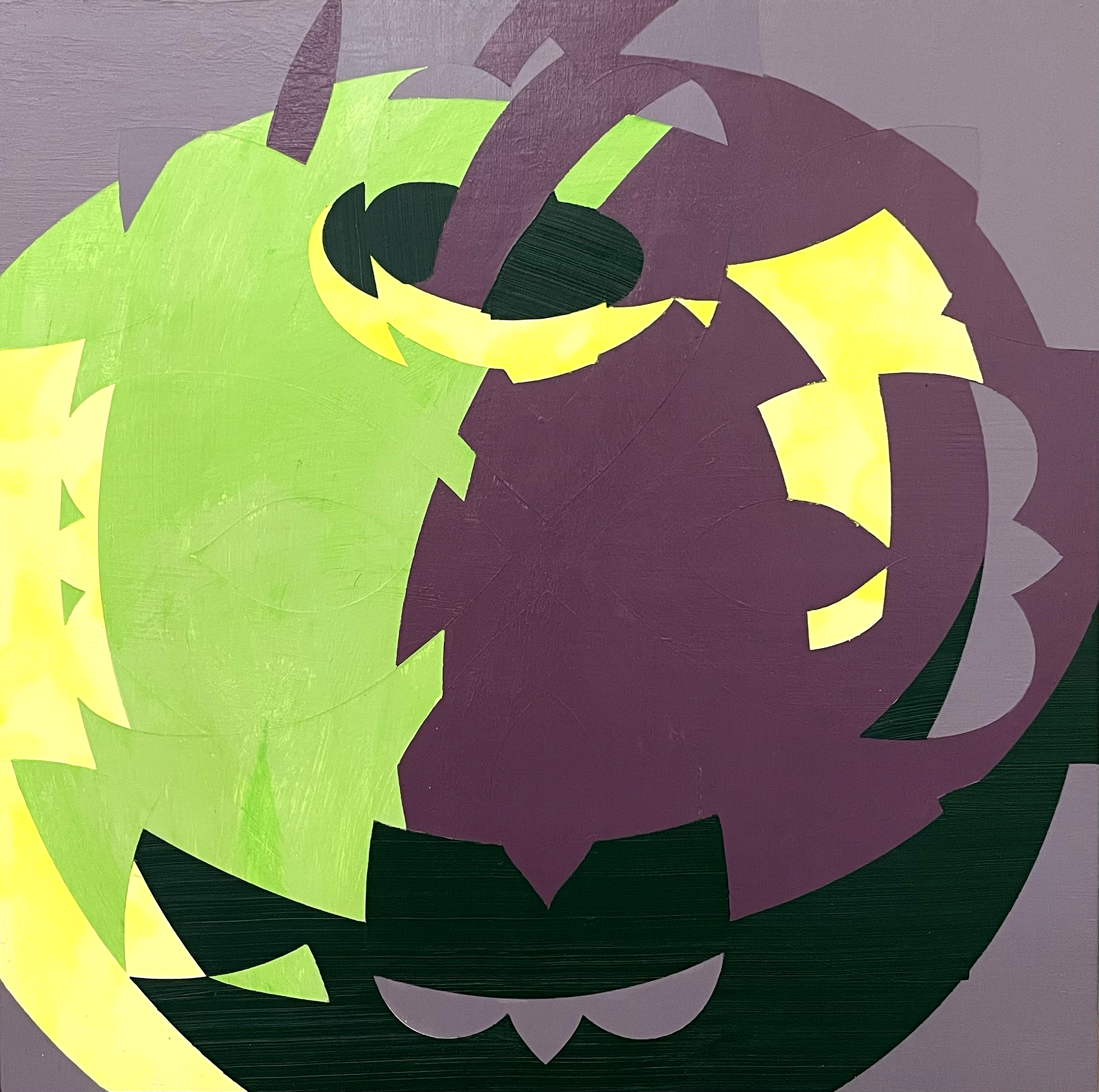
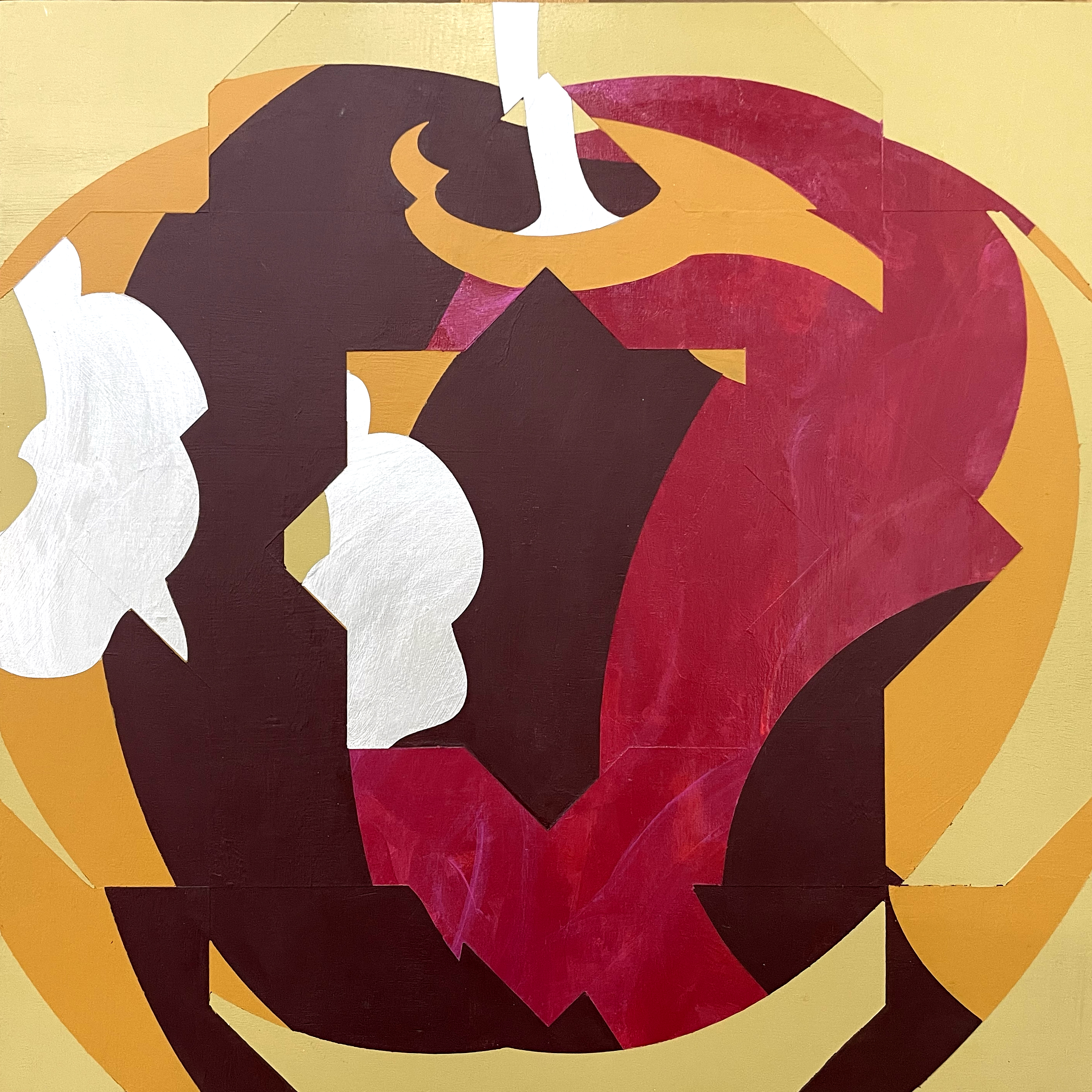
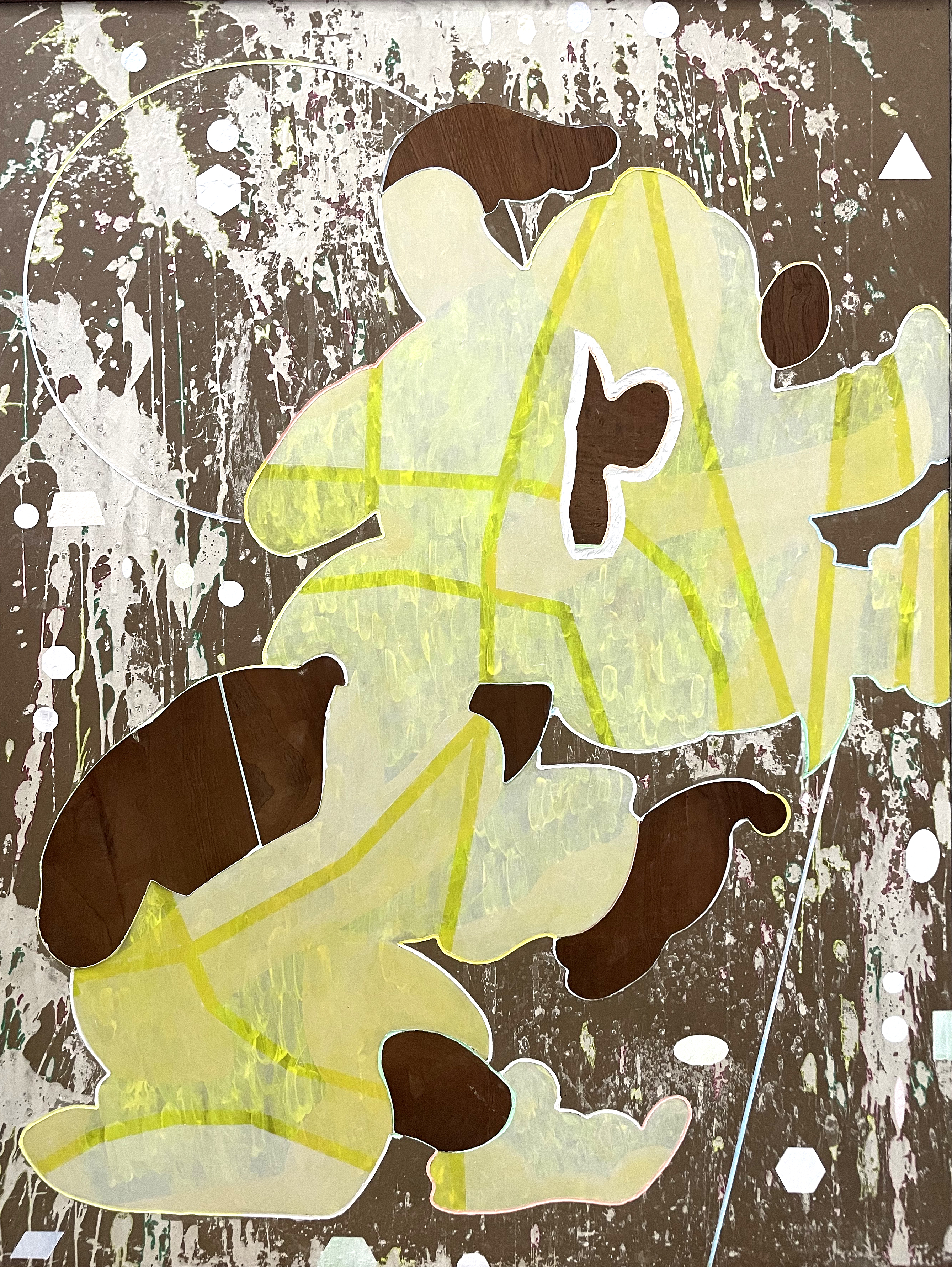
Lei Tong's artistic creation spans a variety of media, taking social intervention works as the main line, integrating pop culture, street culture and subcultural interests, and using the curatorial perspective to connect the creation and expression. Taking Guilin Disney Project as the clue, this paper compiles a pop-cartoon narration of Disney's global landscape and Guilin's geo-culture. To shape the identity orientation in the process of globalization from a historical perspective and play the role of individuals who experience and observe, state and puzzle in the dynamic process.