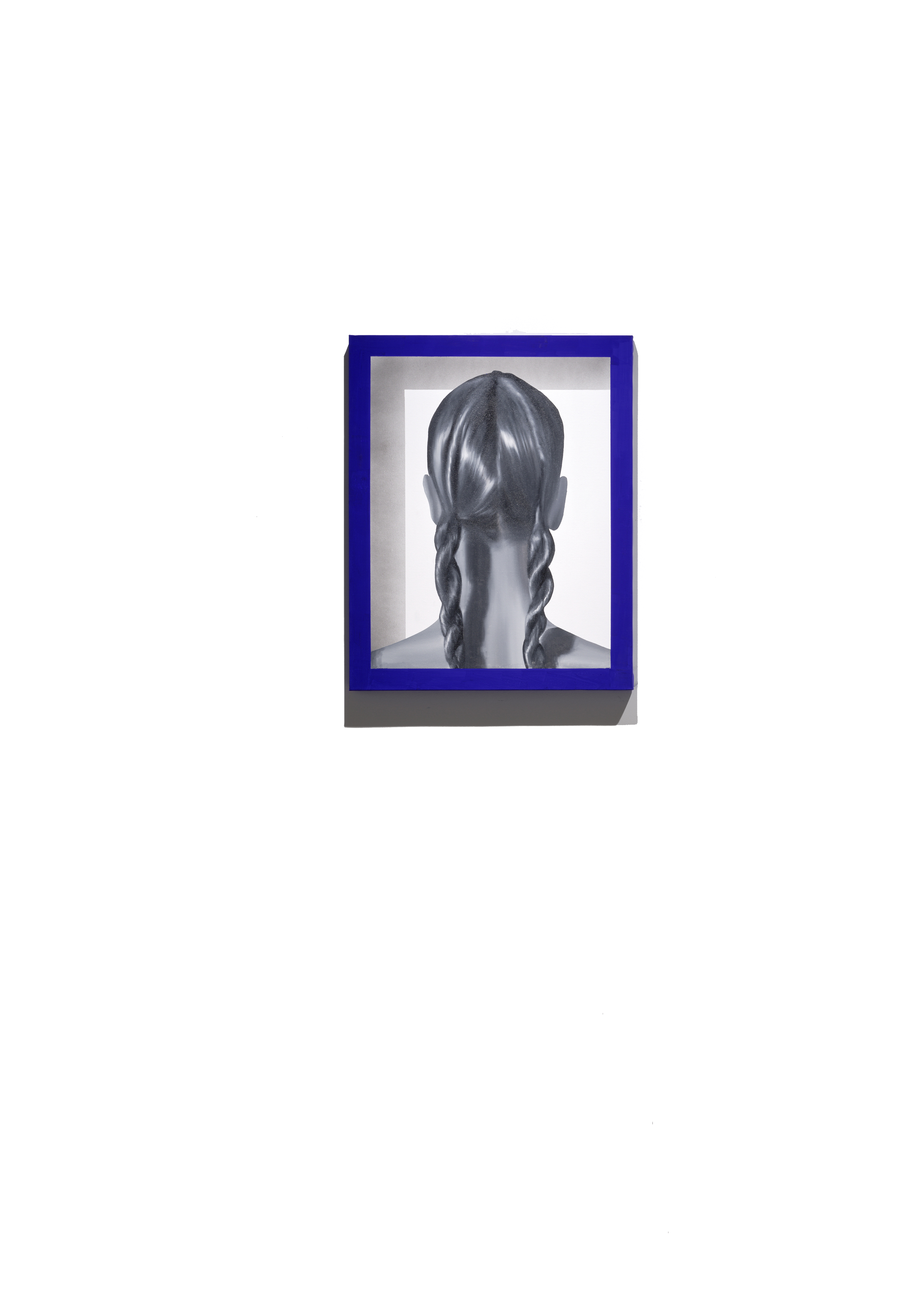
Screen-14
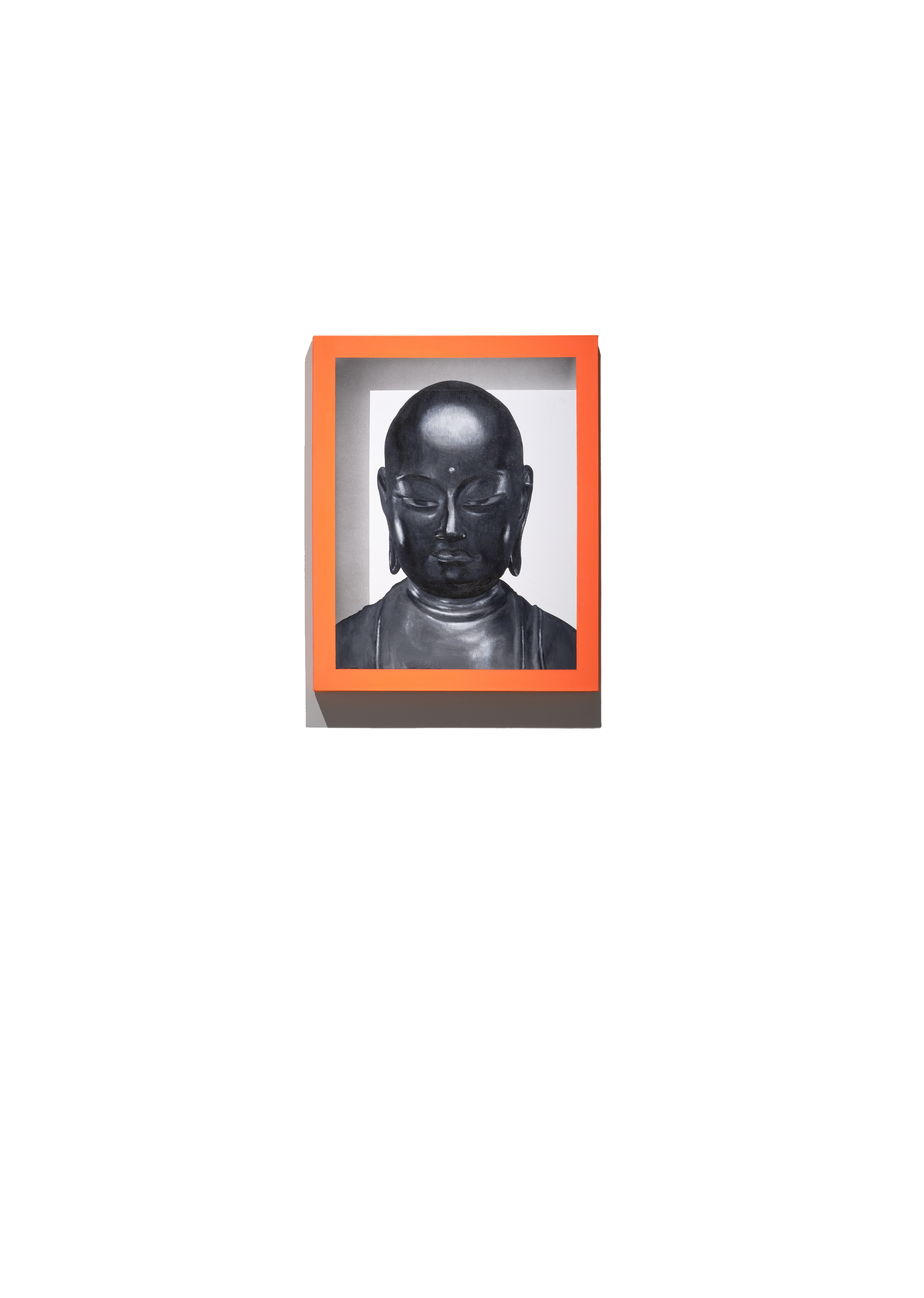
Between the frame of the picture and the subject matter, there arises an inverse spatial illusion, unrelated to perspectival technique. As suggested by the theme of the "screen," the visual structure of the image is now dominated by the screen experience of contemporary electronic devices. The subject, shimmering with screen reflections, hovers on the surface of space, making the flatly painted frame appear more real instead. First the picture frame, then the figure—sometimes the figure seems to exist between the frame's shadow and the image's ground—until the viewer's gaze finally settles on the canvas's substrate. Even though the spatial syntax of the image still follows the modern painting's principle of planar depth, it is no longer tied to the formal notion of "actuality," but rather to the fabrication of another kind of illusion.
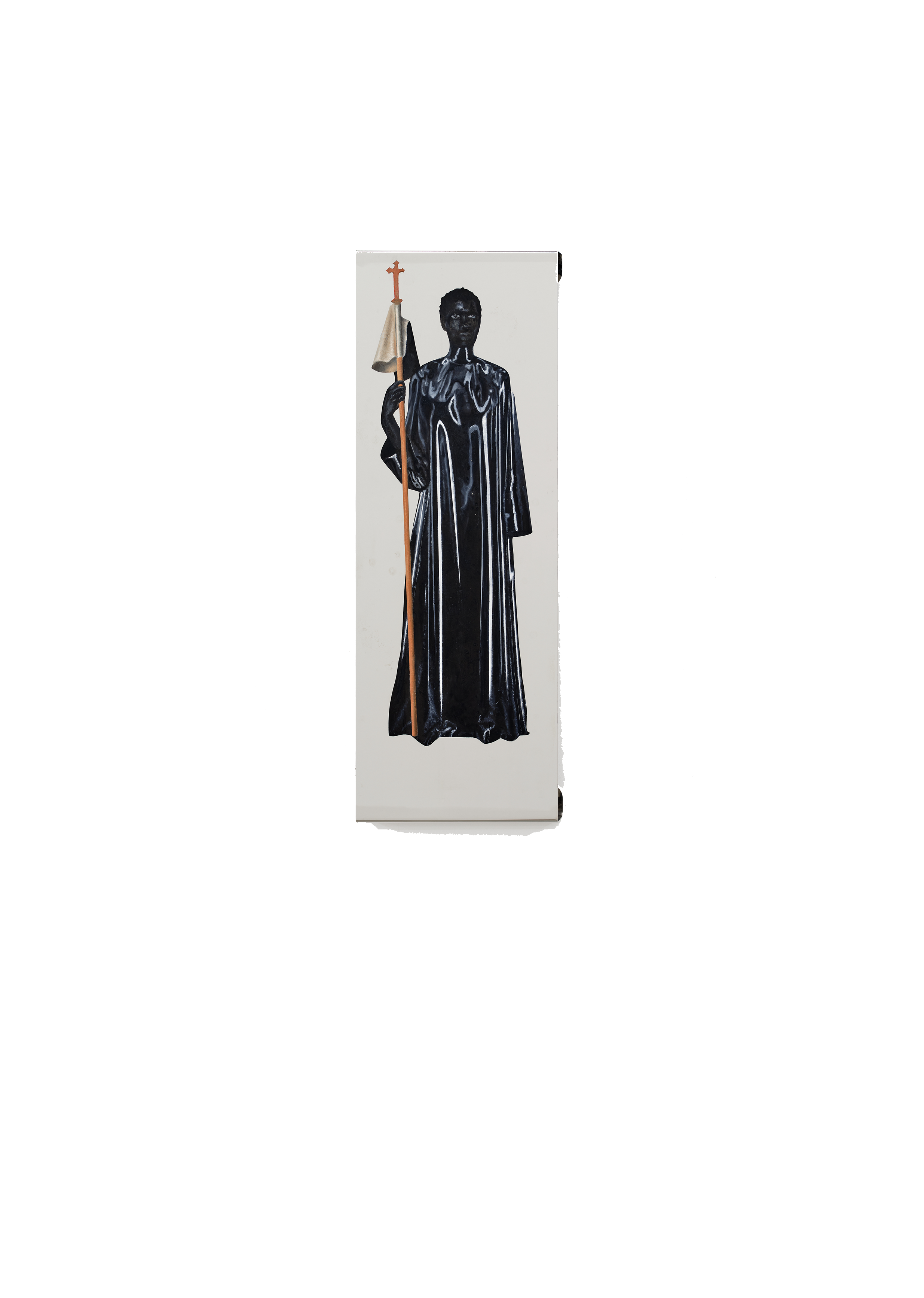
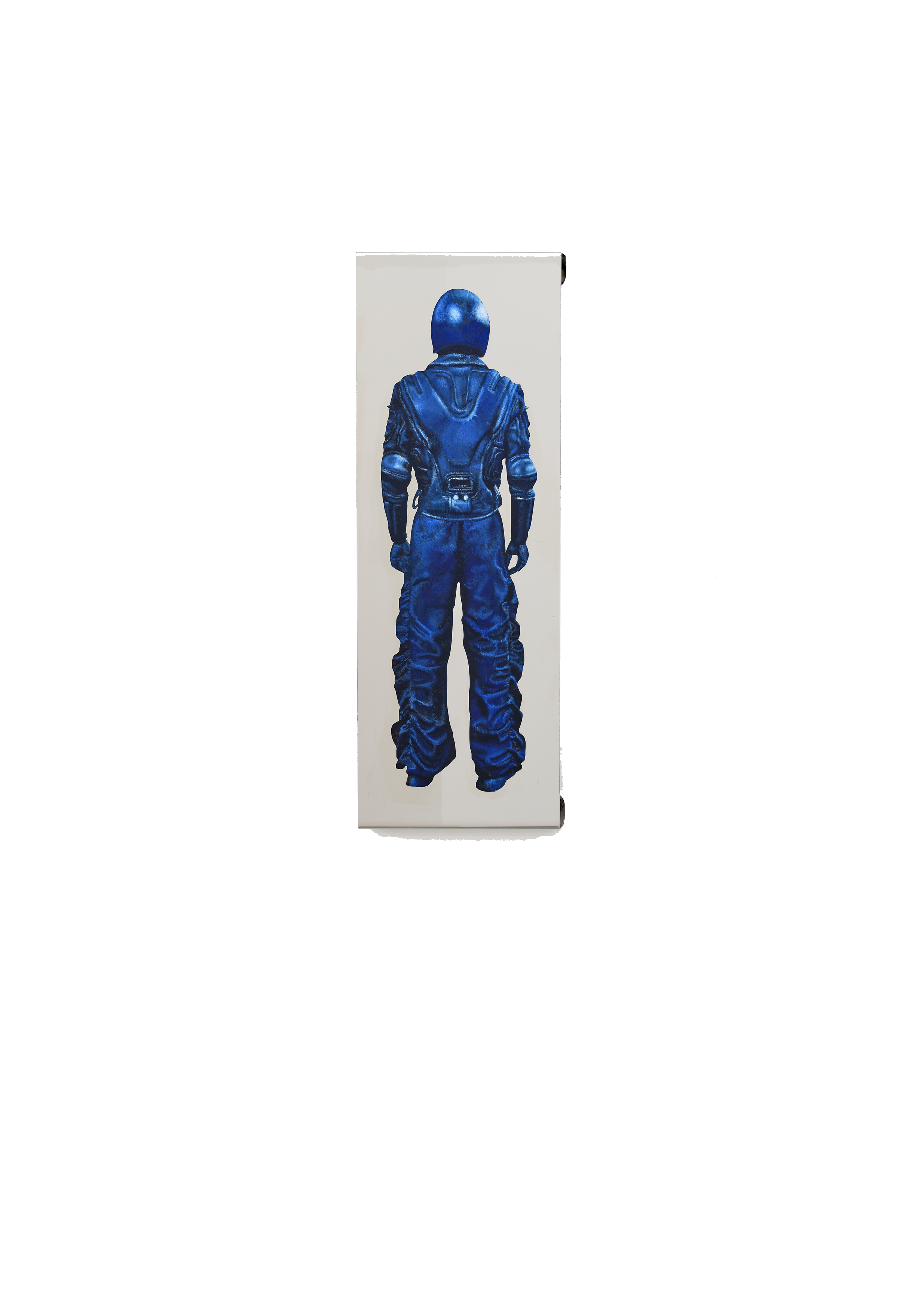
Lin Cong’s artistic practice delves into the rational incubation of serendipity amid the invisible imperatives of art history. His chosen media roam freely across canvas, reflective surfaces, resins, and other unscripted materials, employing a loose, suspended stillness to obfuscate the full subjectivity inherent to visual perception. The artist manipulates static compositions to evoke dynamism and process; he retrieves the protracted flow of time through a deliberate state of amnesia. Fragile coherence and semiotic naïveté are perpetually foregrounded, materializing as endogenous, de-typologized "images of the present".