The history of Russian contemporary art continues, regardless of gloomy predictions and skepticism. Indeed, over the past few years, it has faced a number of challenges, but these are common to most parts of the world, not just Russia. Time is relentless: it on, generations change, and familiar big names pass from the live mainstream into the category of “bronze” classics.
THE ELEMENTS gathered artists of a new generation. Their works stand for what's happening in Russian art. The narrative concept of the 1990s and early 2000s, which was mostly about social critique, gives way to philosophy, meditation, form analysis, and, in general, the noble realm of art. This practice is much closer to the avant-garde explorations of the early 20th century, known to be the core foundation of contemporary Russian art.
The pandemic has changed the way things used to be: the world order’s fragility was revealed. The issue of self-isolation, the rupture of various kinds of usual ties, and the retreat to online have largely determined the discourse of a new generation of artists. The global political landscape has changed: conflicts, reassessments, the creation of new alliances and gravity centers. The art business model, like other businesses, began to move eastward to Asian countries. Art fairs and forums, as well as landmark exhibitions, show on unexplored, alternative forms of creative activity.
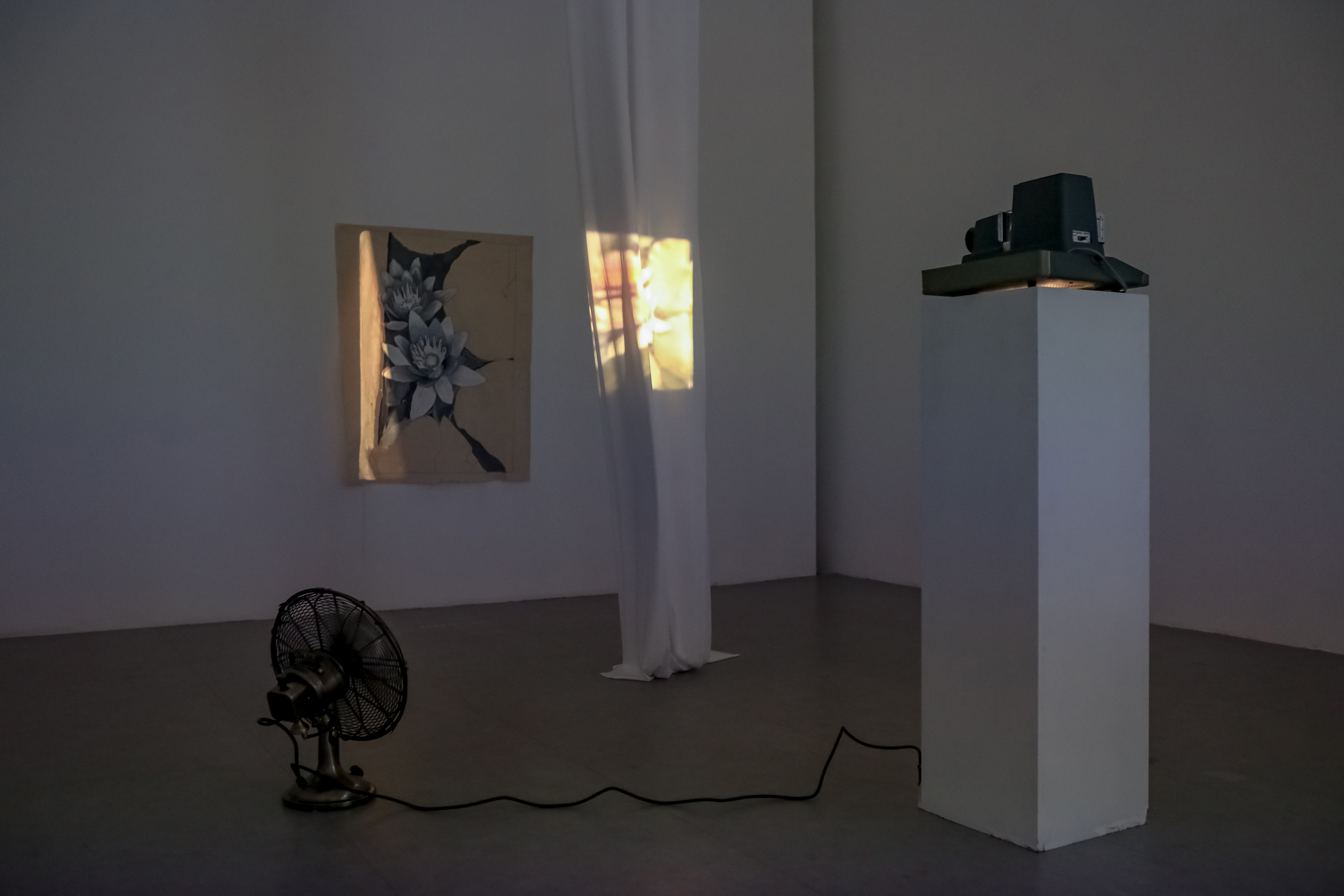
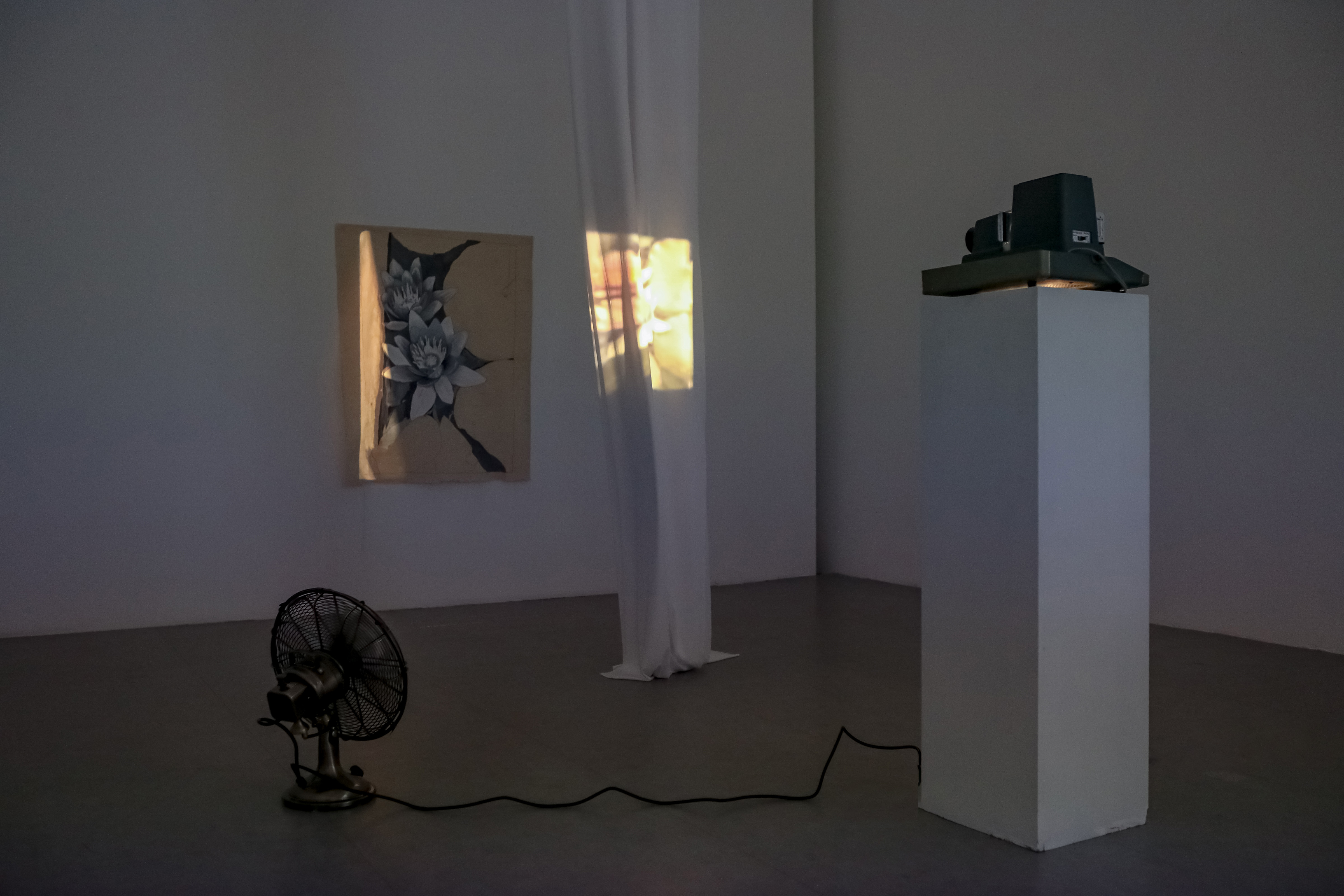
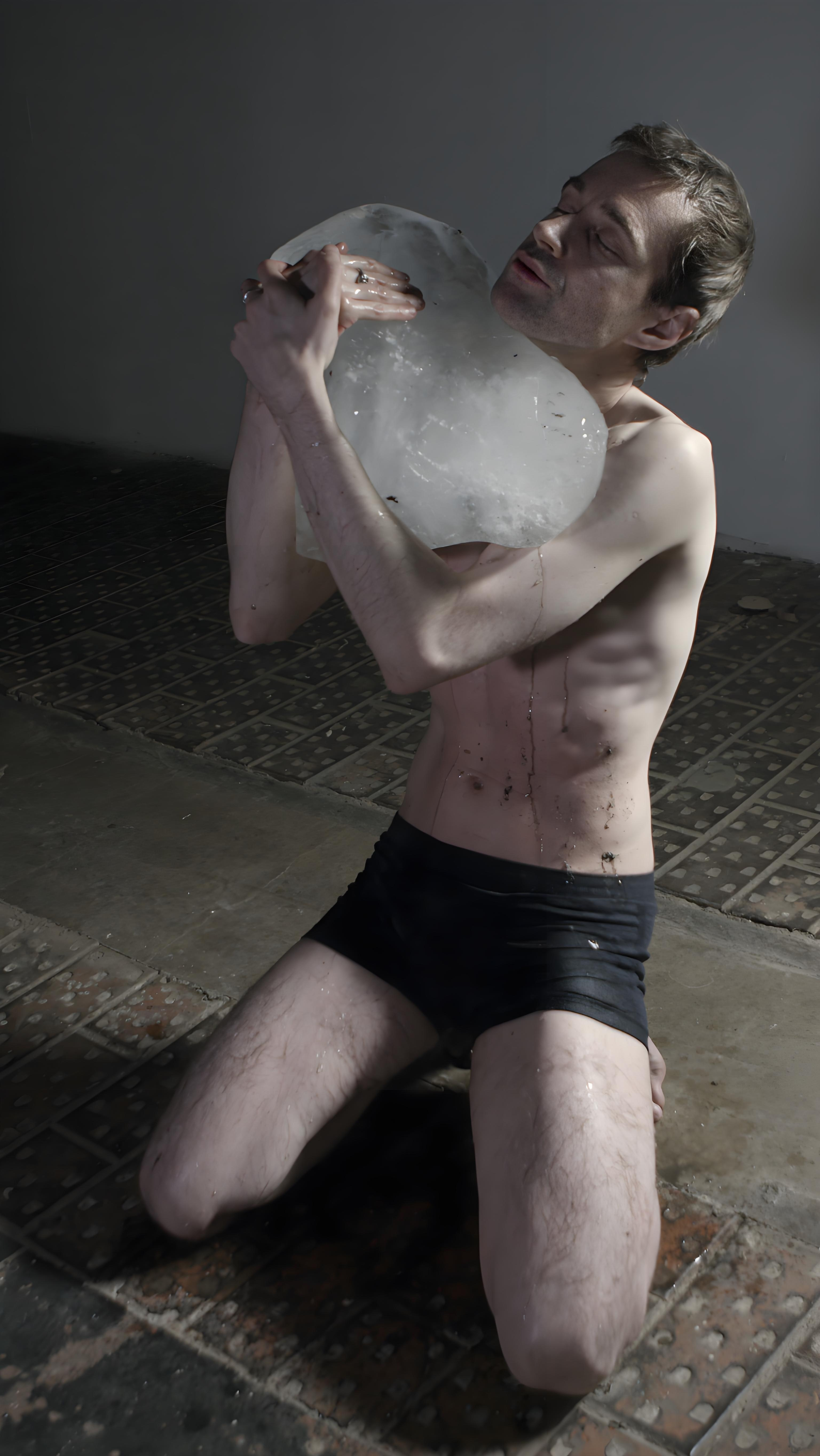
The ELEMENTS exhibition offers Chinese viewers a glimpse into a Russian set of artistic “elements” that symbolically echoes Dmitri Mendeleev's periodic table, which organizes the fundamental elements of the universe. The project brings together contemporary Russian artists with their visual languages, individual methods, and styles. The authors demonstrate the latest trends. Almost all types of art, most “genres,” if only we can talk about them using the usual art terminology are showcased here.
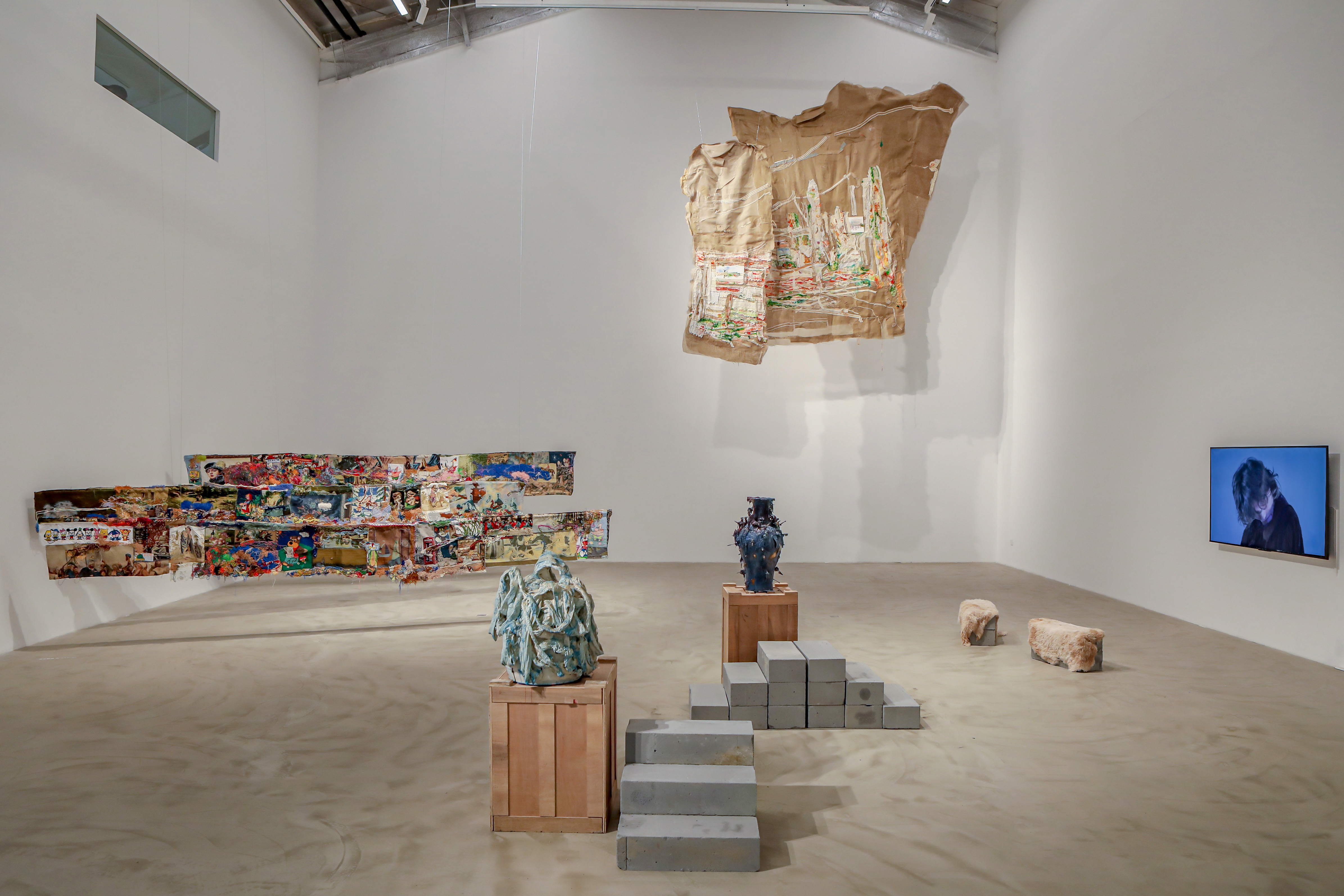
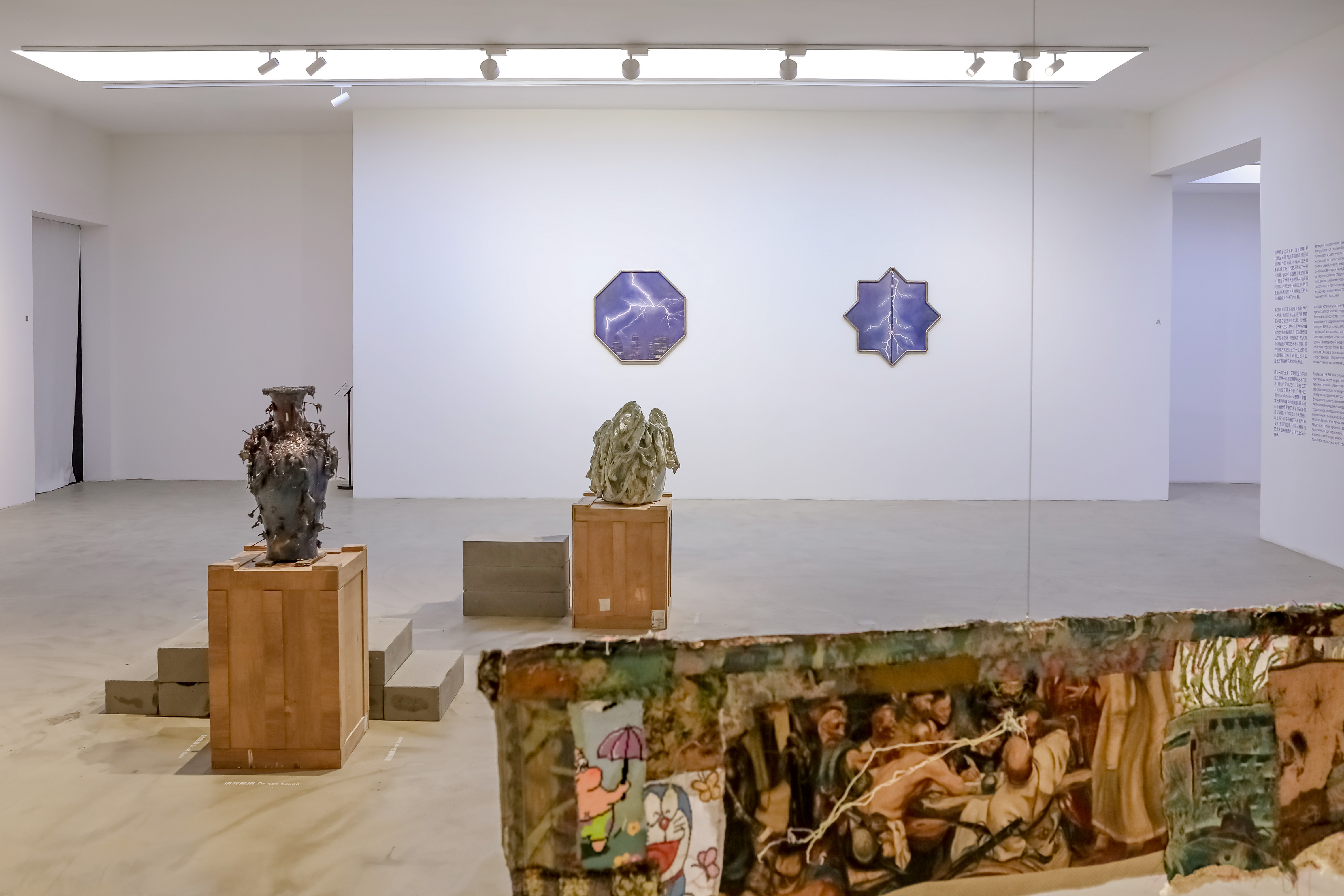
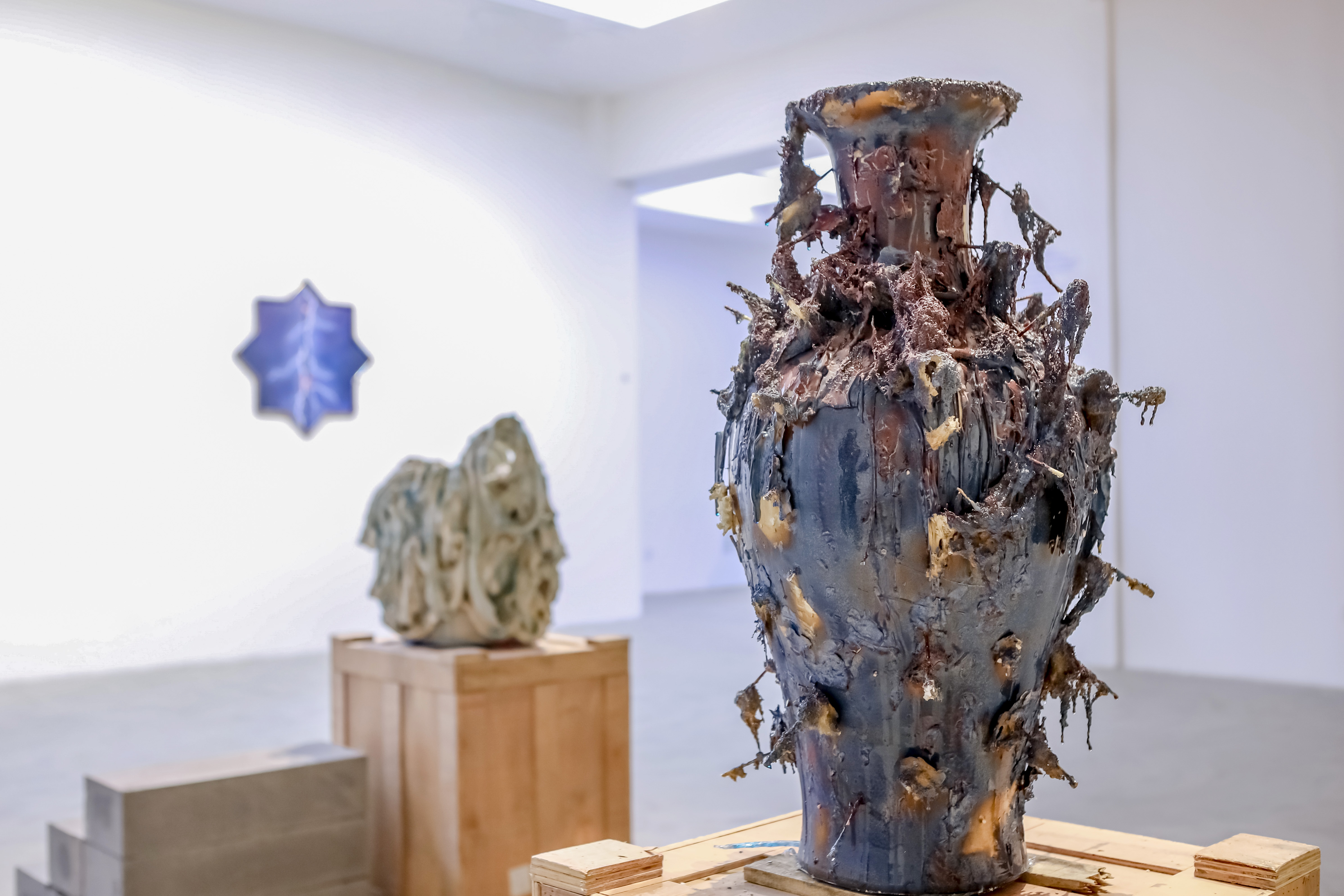
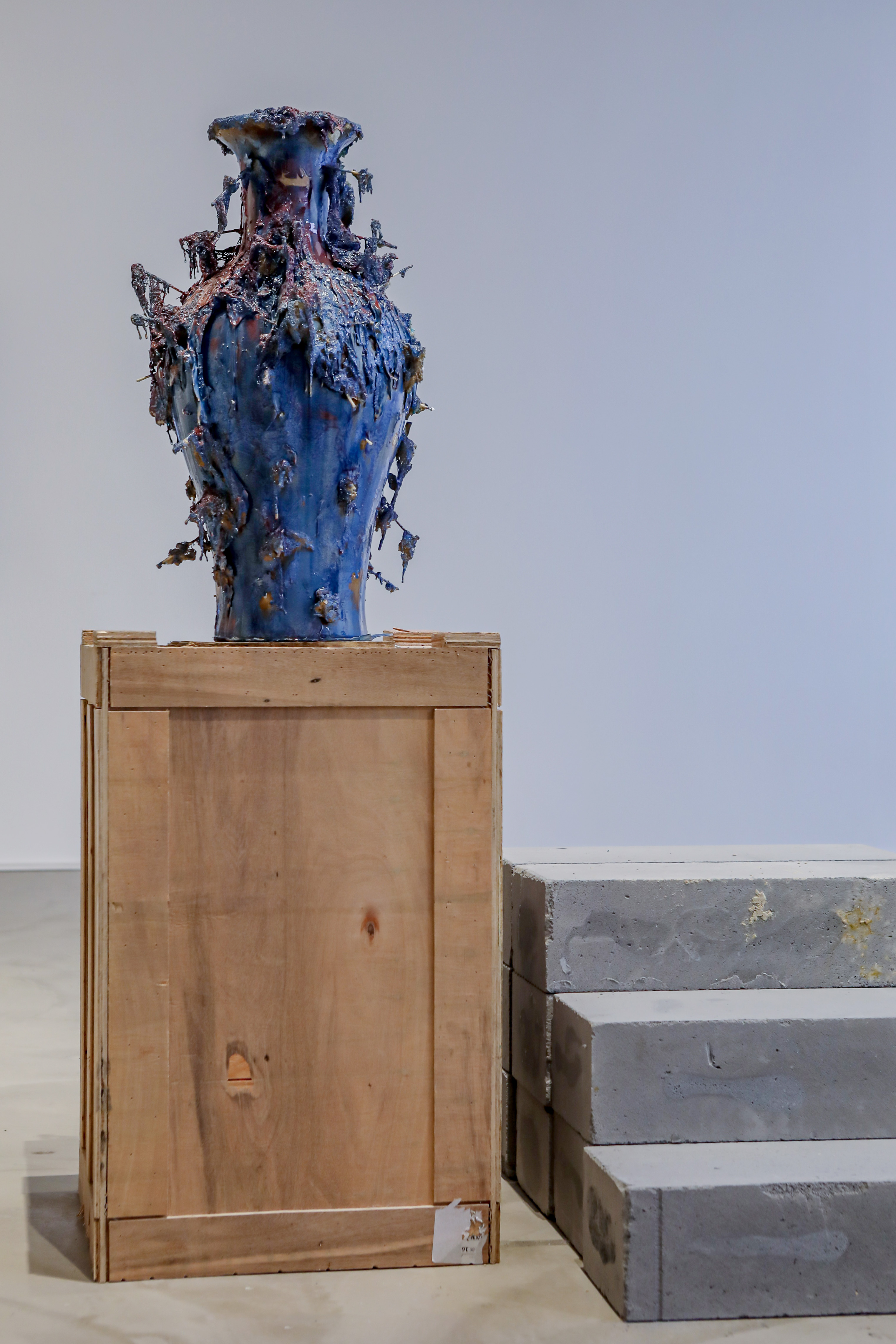
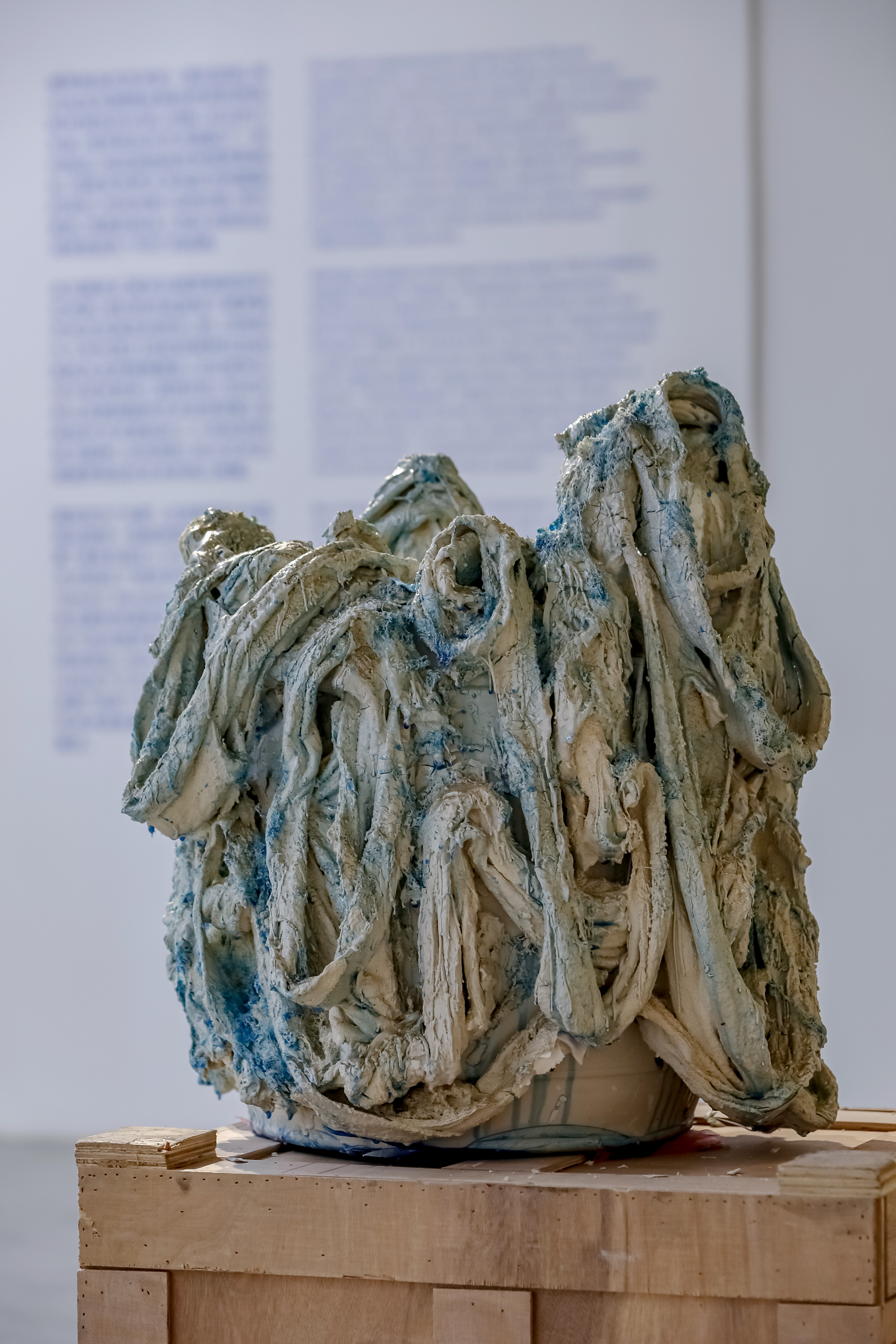
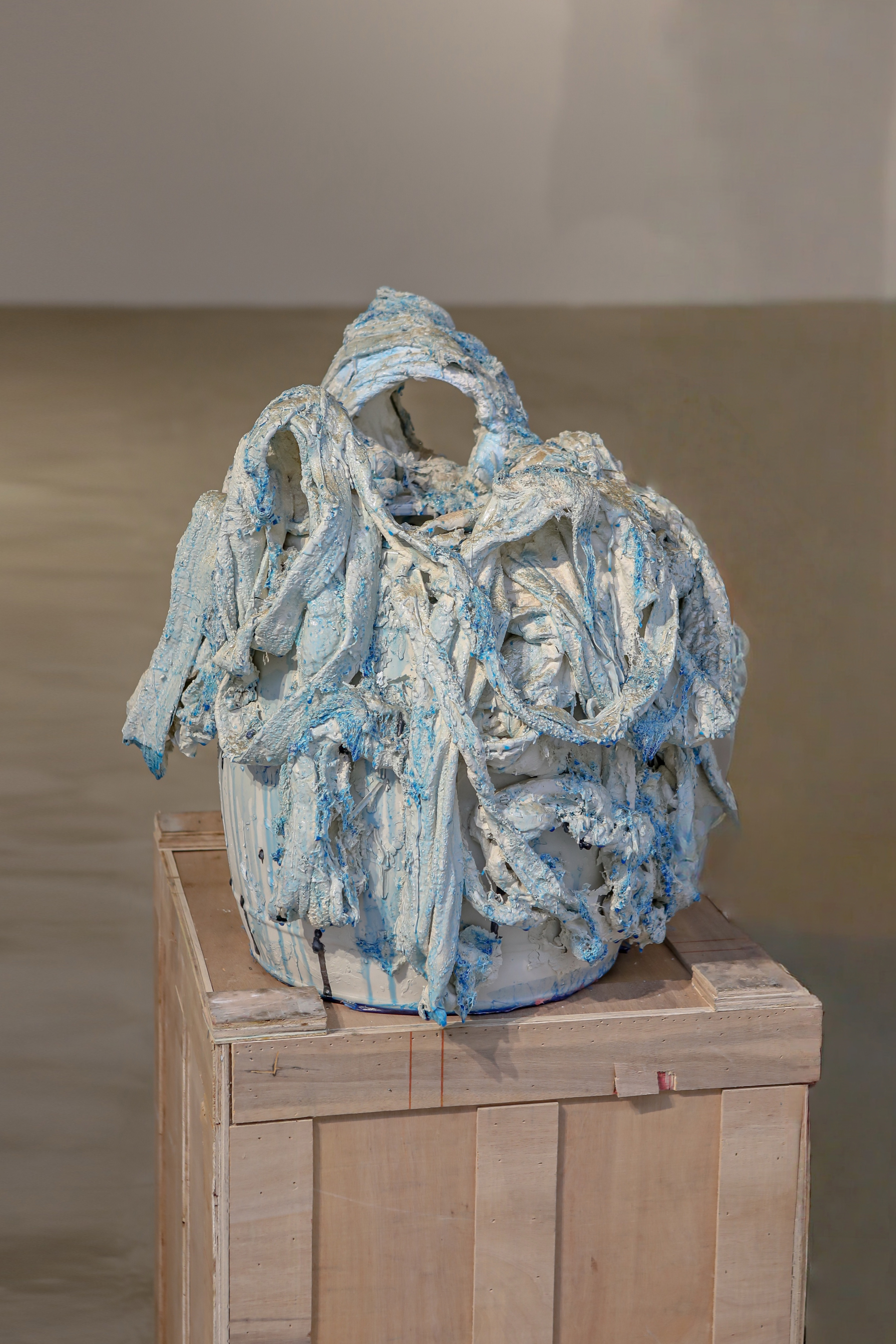
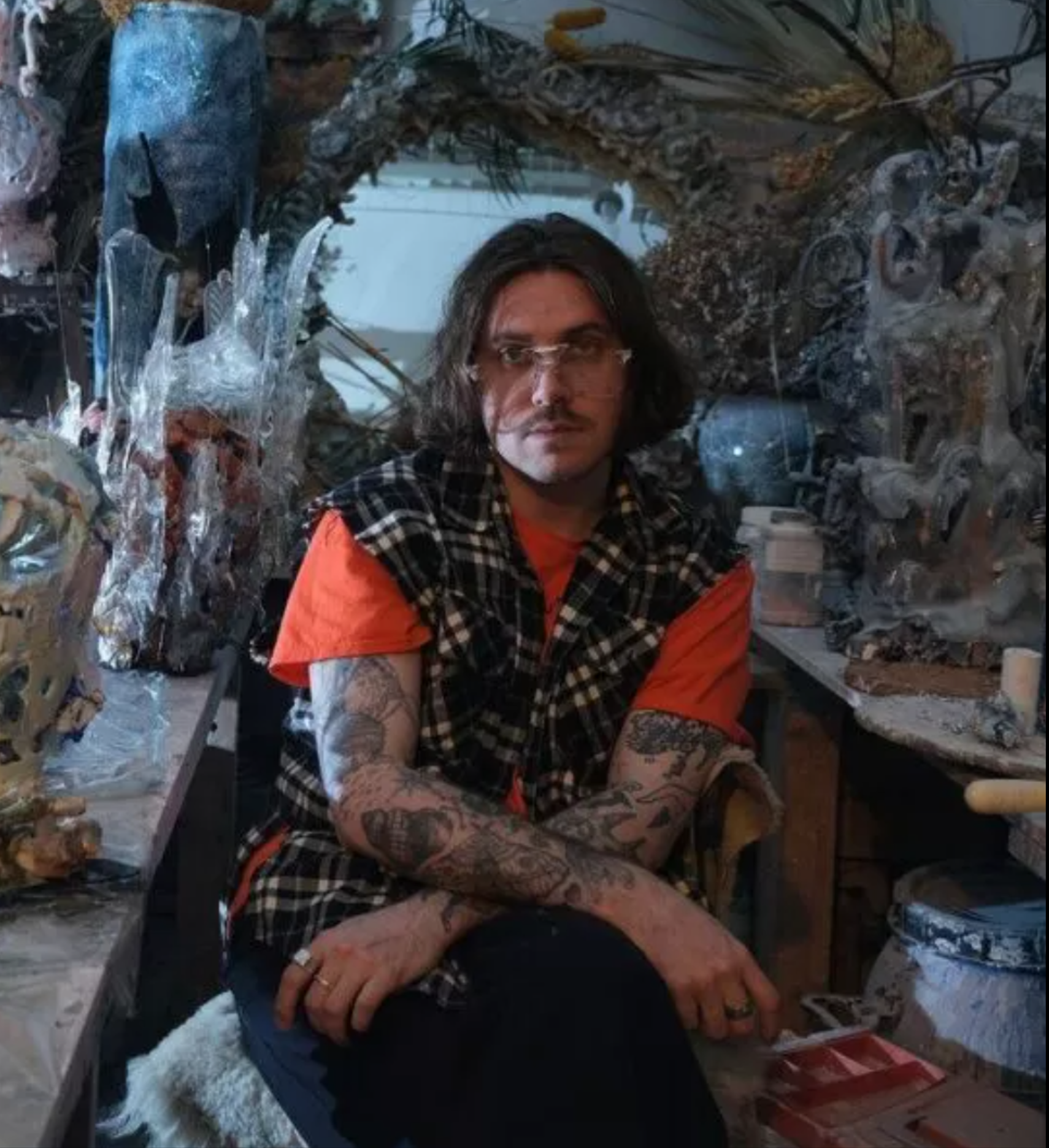
Despite their confidence in contemporaneity, artists have not lost touch with classics. Most of them are reinterpreting traditional methods. An example is the work of sculptor and ceramist Daniil Antropov. He seems to have decided to move away from the “excesses” of the Baroque and transform ancient classical materials — clay and glass — into perfect plastic with its “random” melting form. Temporary or eternal, trash or treasure? We are almost confused about what it is: construction waste or precious vessels melted in apocalyptic flames.
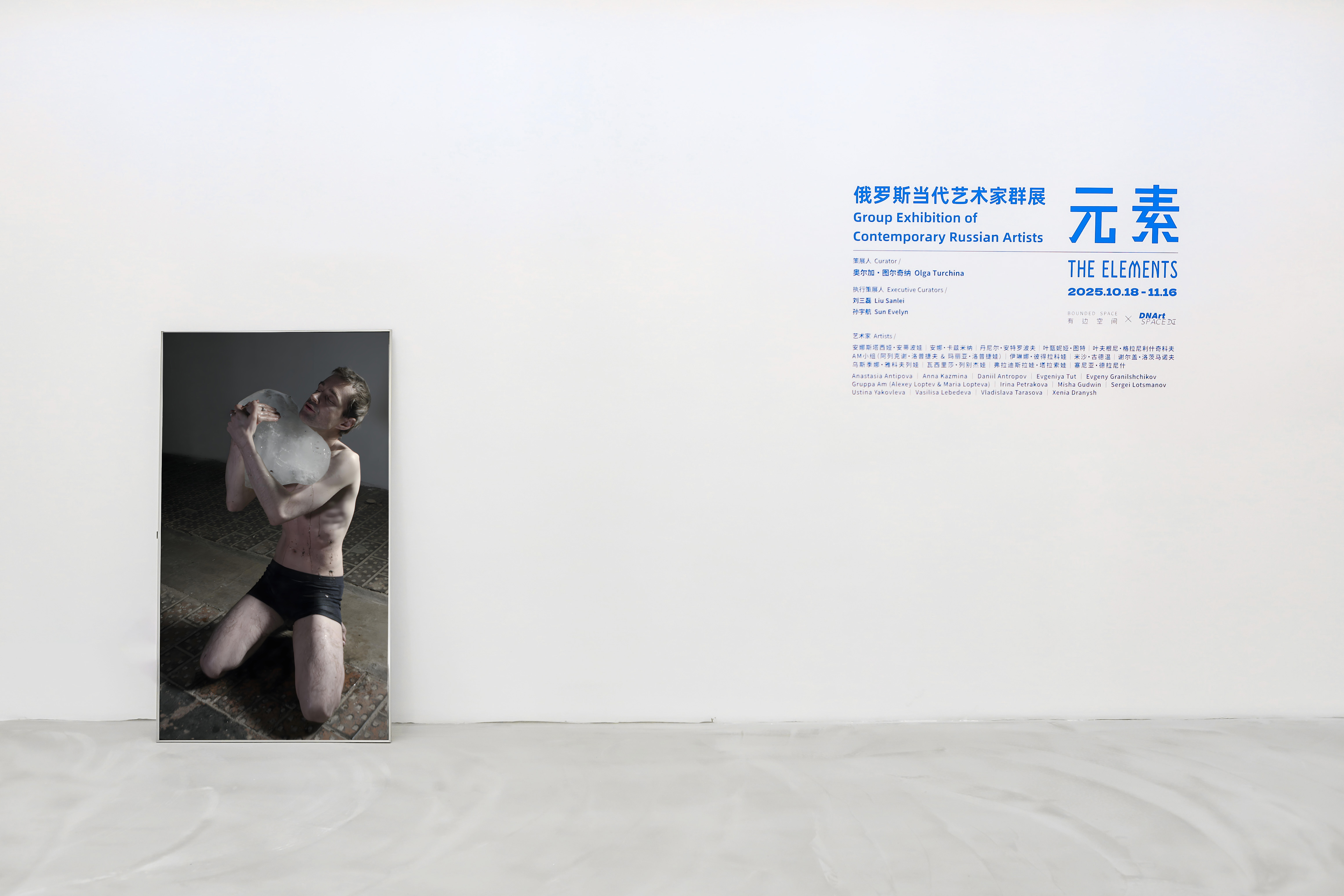
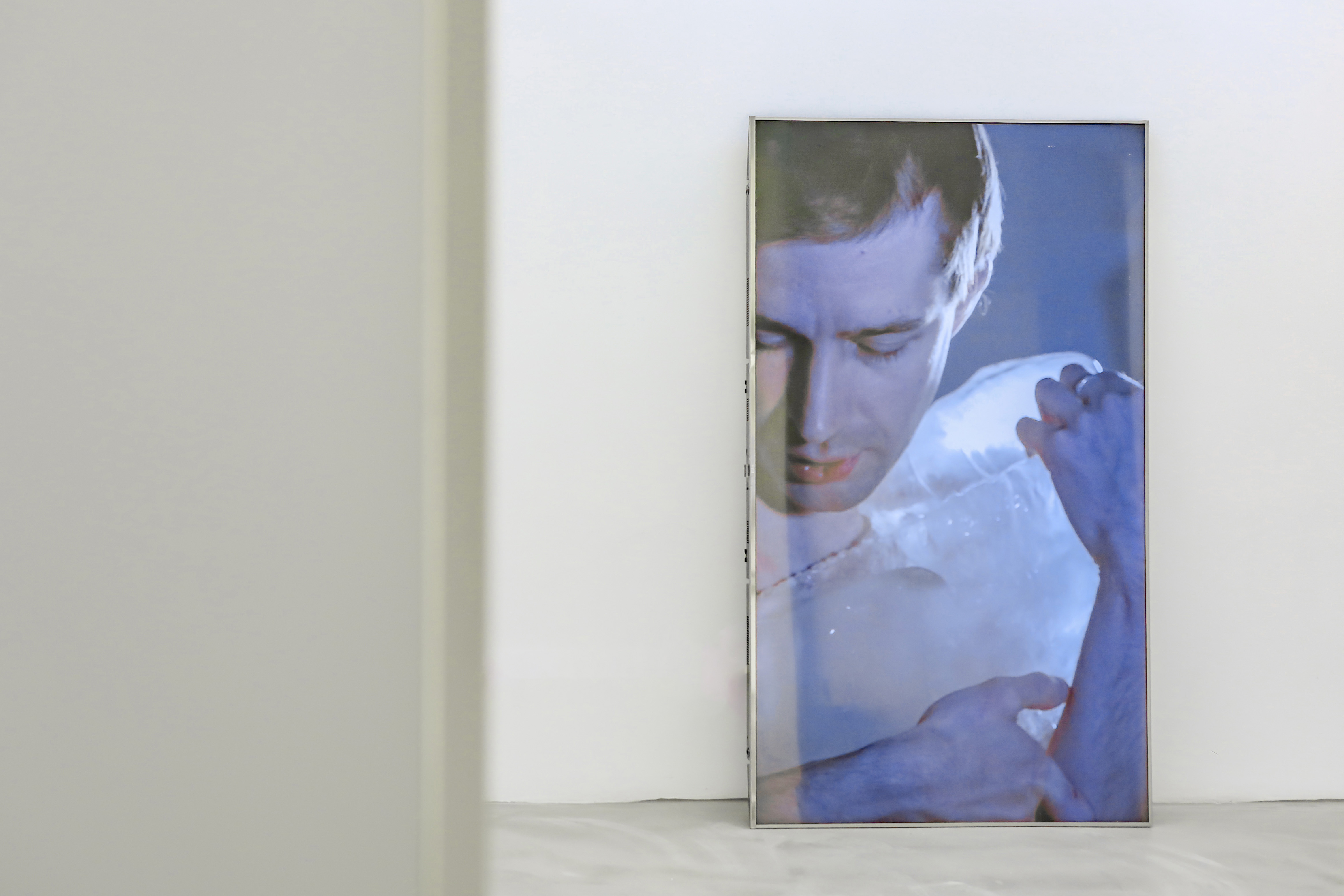
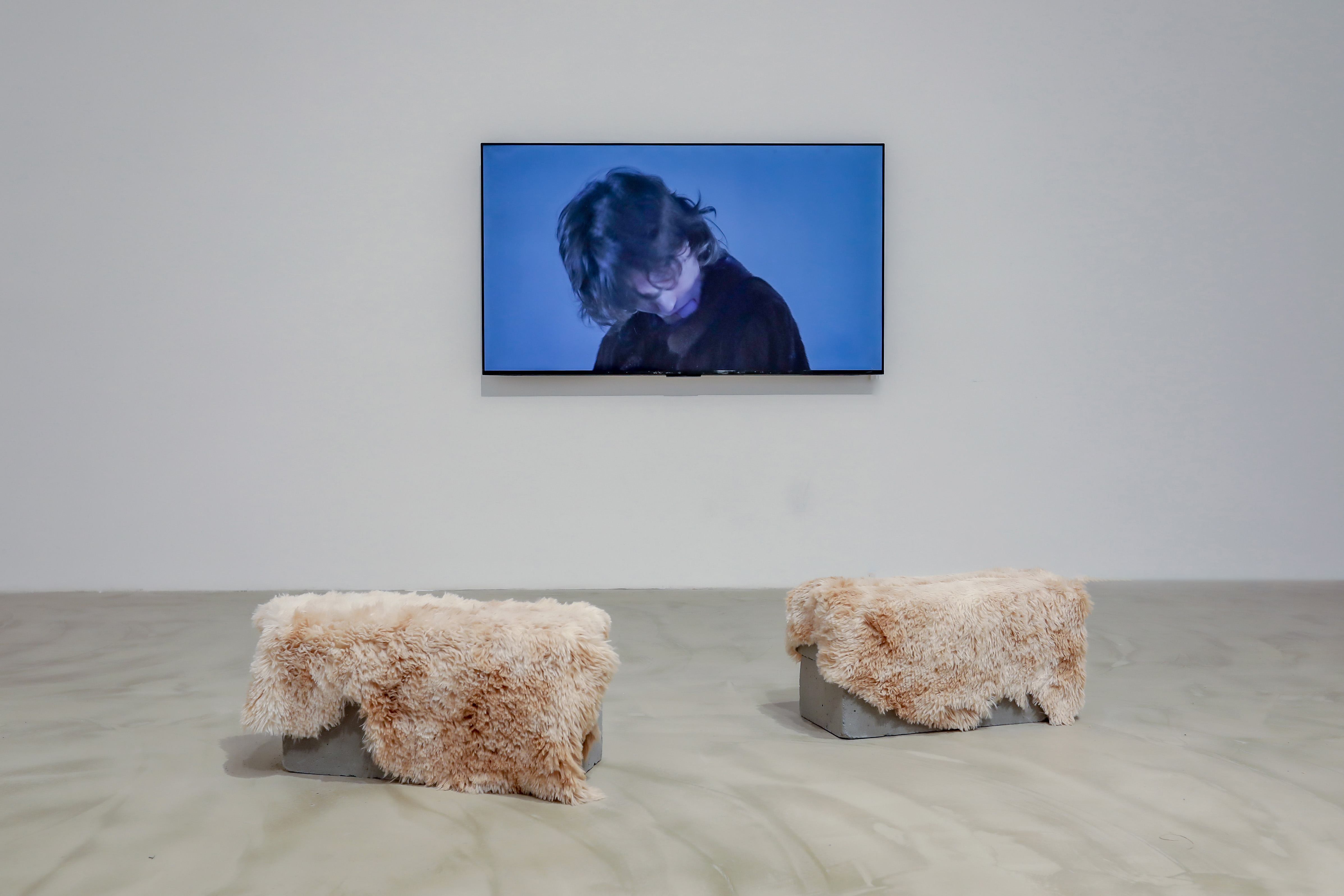
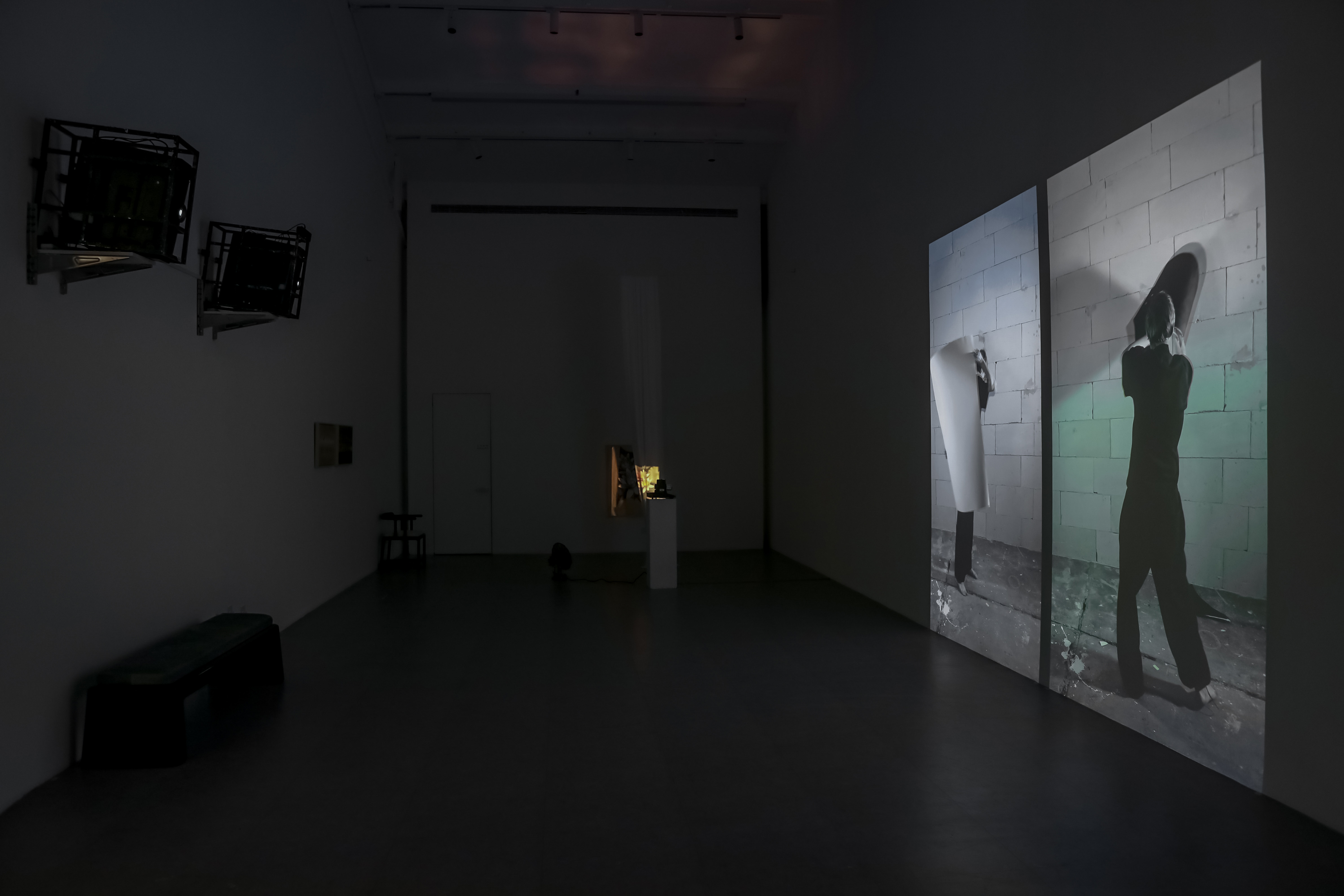
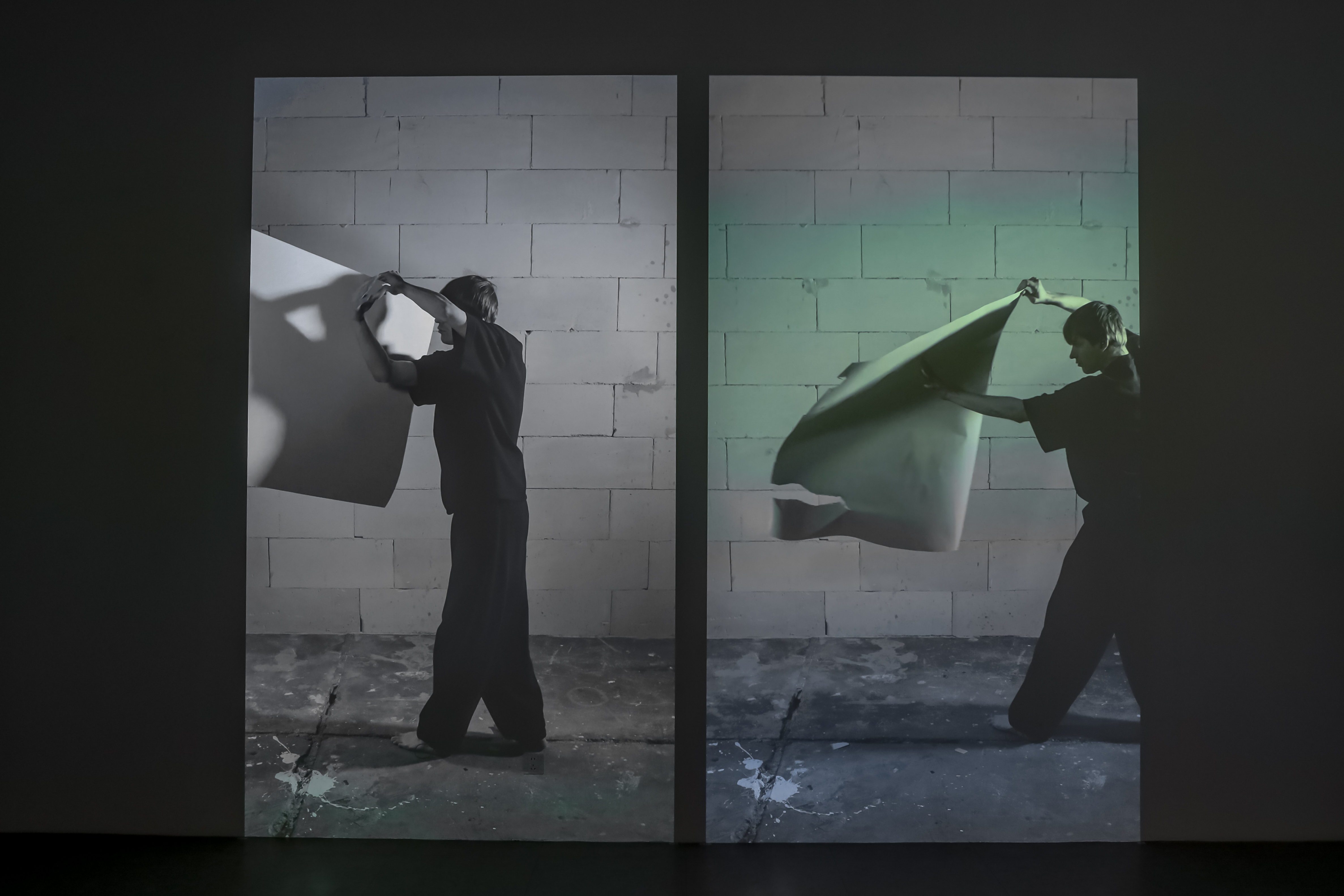
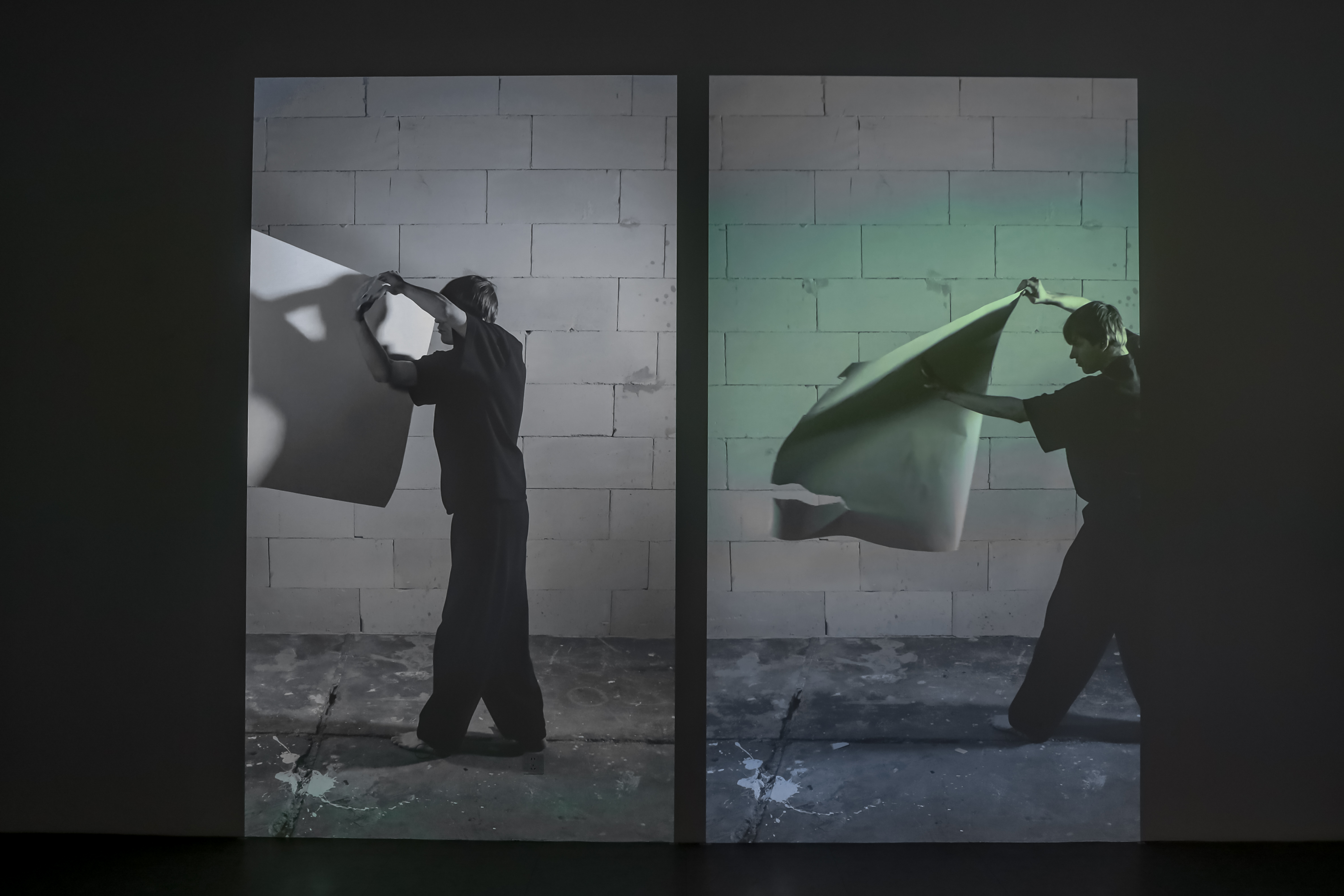
Another example is multidisciplinary artist Evgeny Granilshchikov. Recently, he surprised audiences with a large and expressive exhibition at the Chapelle de l'Ancien Hôpital Général in Clermont-Ferrand, France. This is now on show to Chinese audiences. The very format of interaction between old art (the architecture of the chapel) and new art is highly significant: his video performance, where a mesmerising dance with white and black sheets of paper is performed, reminds us of the complex period of reality. Evgeny believes that currently the creator occupies the position of a philosopher. The ancient law of dialectics is black and white, and the attempt to maneuver is a way to manage the inevitable.
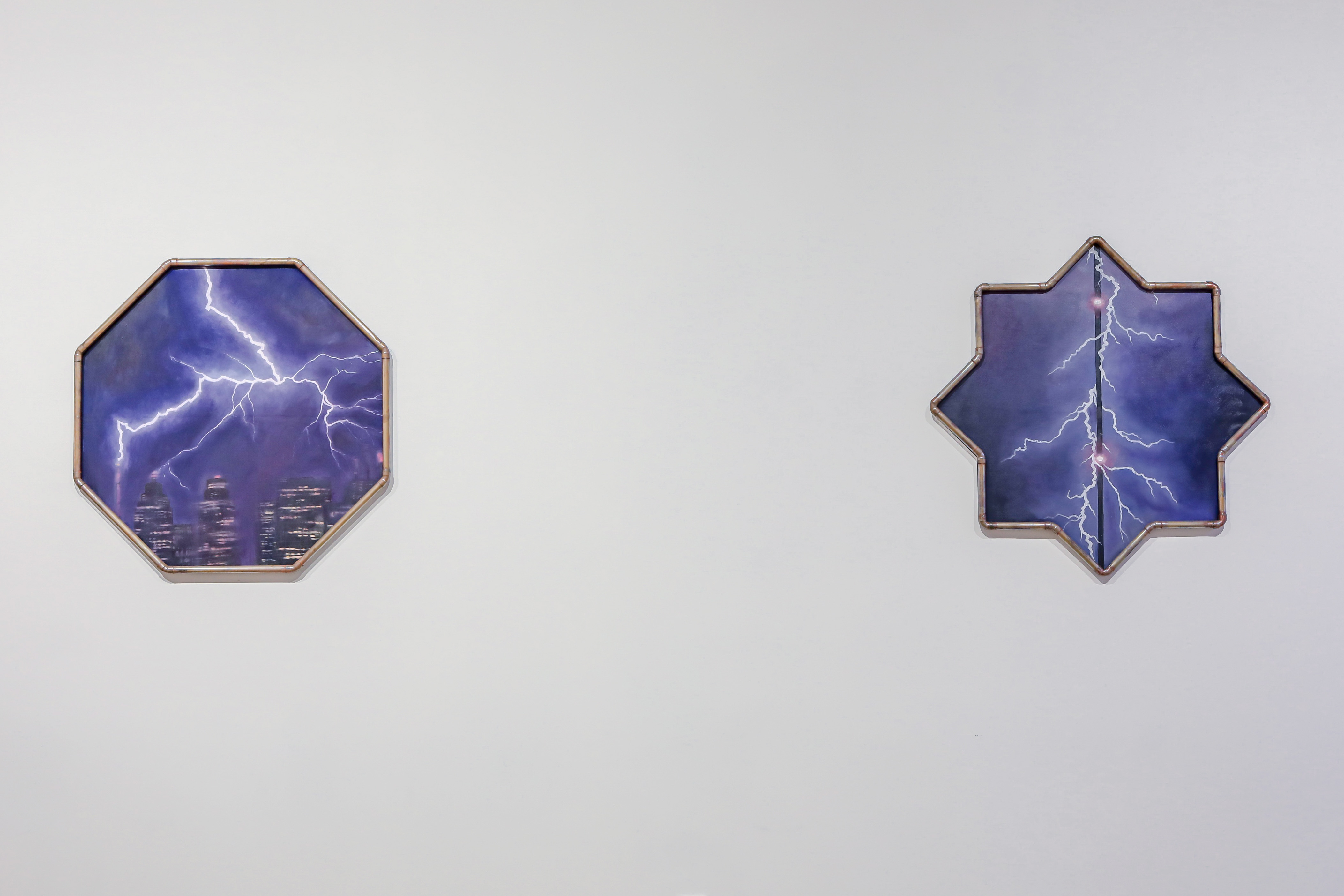
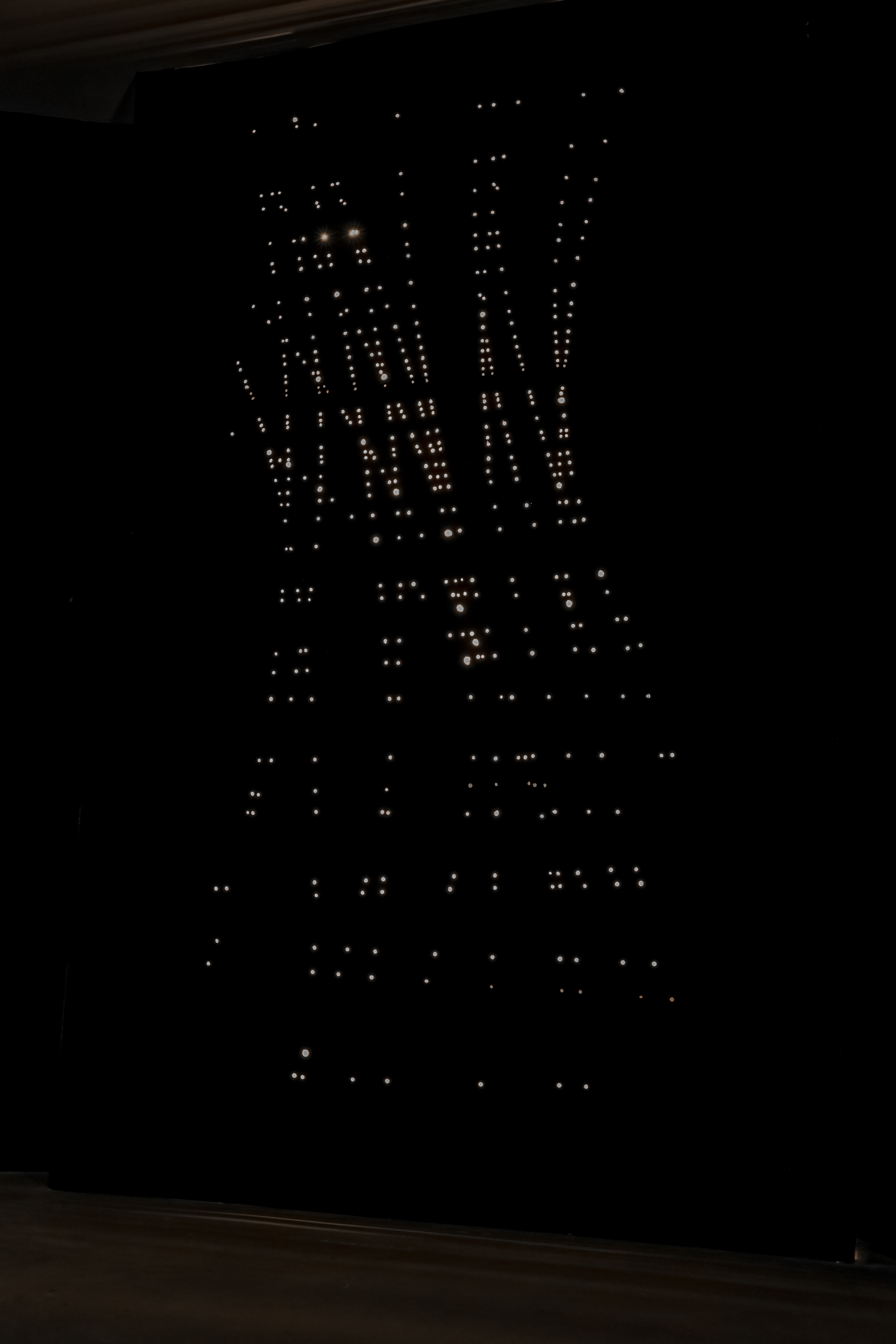
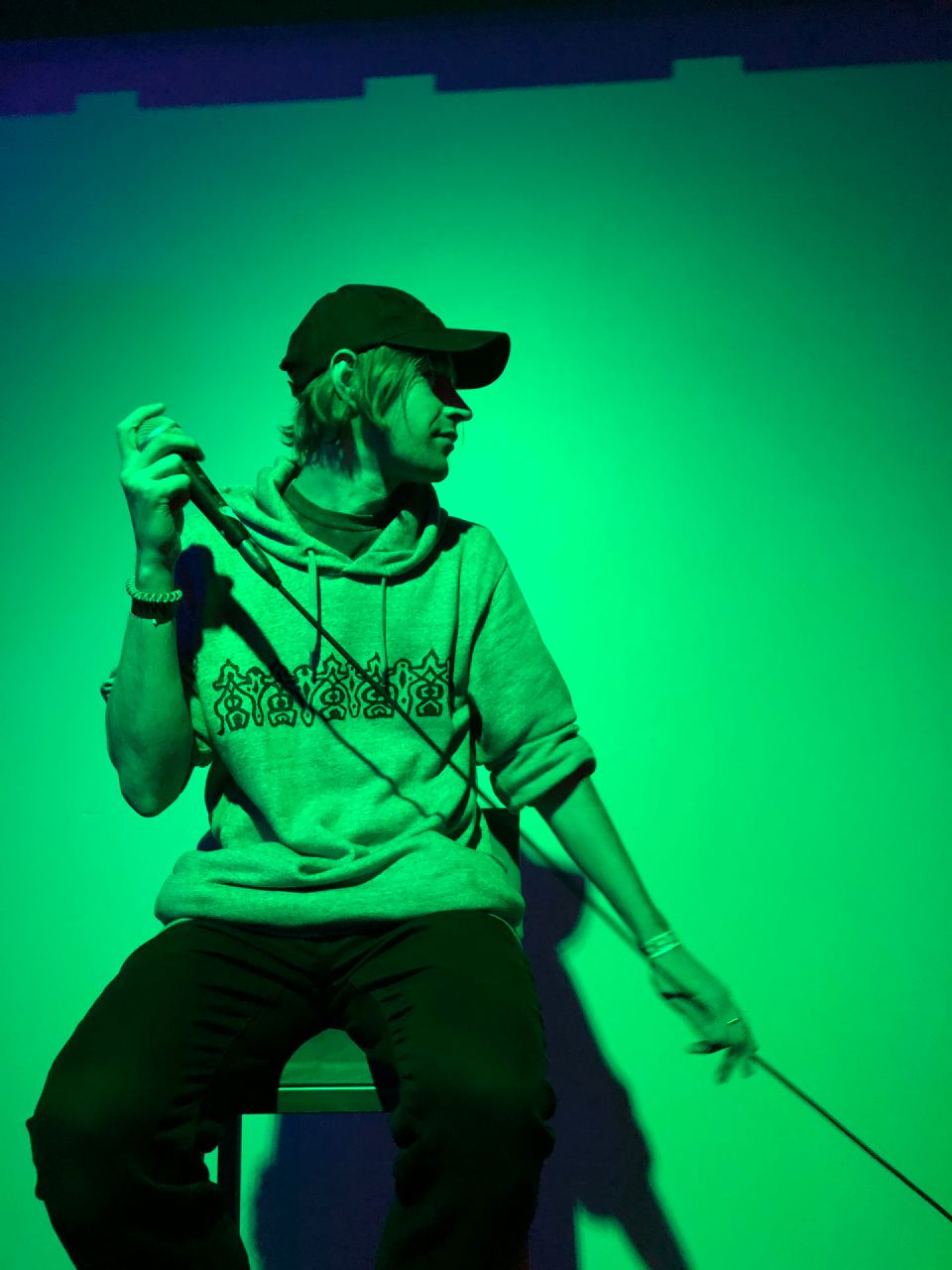
Misha Gudwin presents highly unusual and expressive lightning rod objects. For him, lightning is not just a natural phenomenon, but a symbol of the contact between the divine and the earthly. The urban architecture is the background. Thus, the metropolitan environment is part of the universal cosmos. It is connected to the universe by the currents of natural phenomena captured in the artist's works.
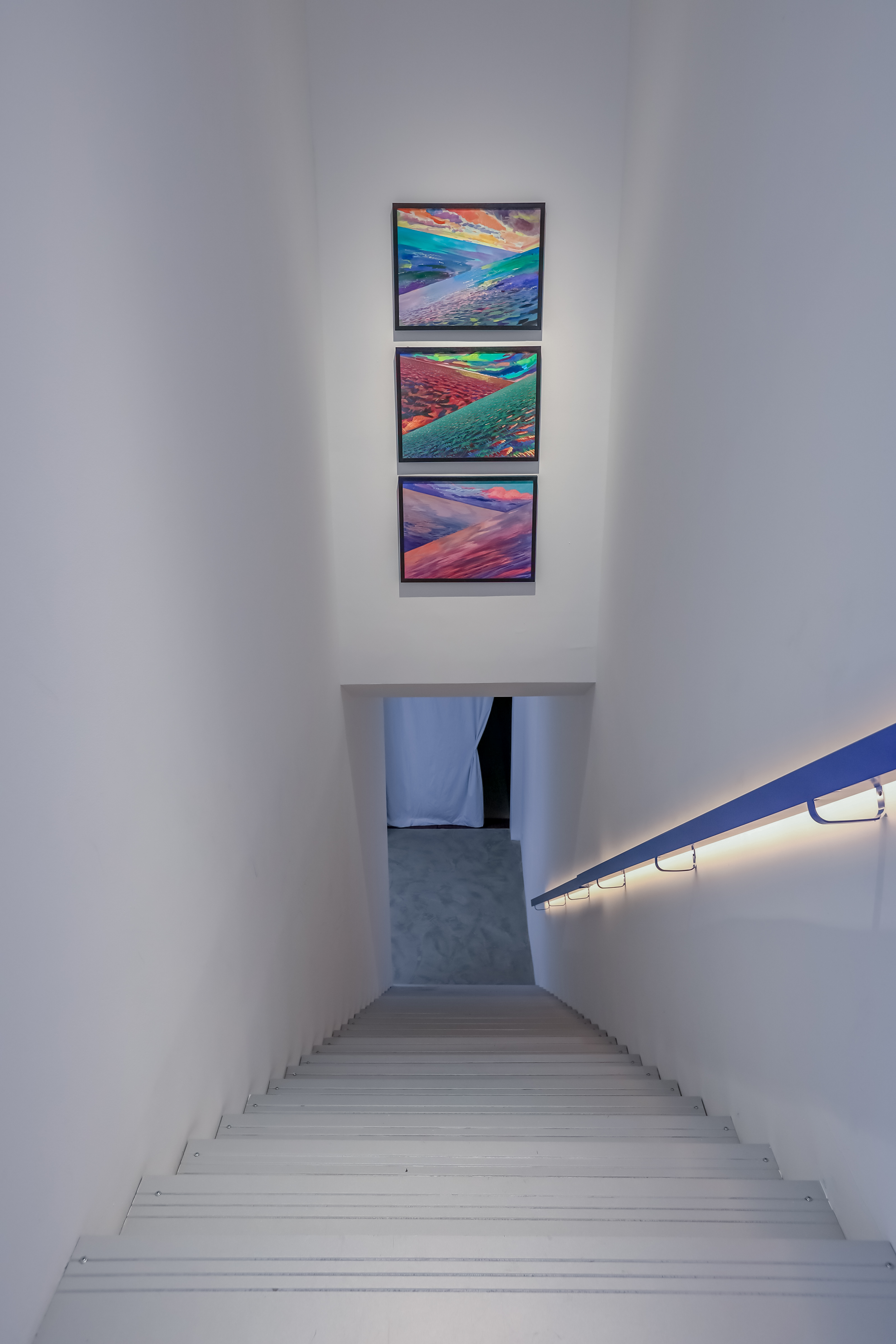
Sergei Lotsmanov's works are exceptionally vivid. Yet behind the intensity of the colors lies a subtle interplay of conceptualism. The collision of his “horizons” resembles a puzzle of speculative geometry. Its surface is colored with picturesque ripples, as if we were looking at a mirage, a natural wonder. The artist closely studied the best representatives of landscape painting: Turner, Cézanne, apparently Nikolai Roerich and Pavel Kuznetsov. Surprisingly, we learn that these exercises are part of his urban painting, neo-constructivist experiments with form and color. Screen noise and pixel shifts are as important as water ripples or air mass fluctuations.
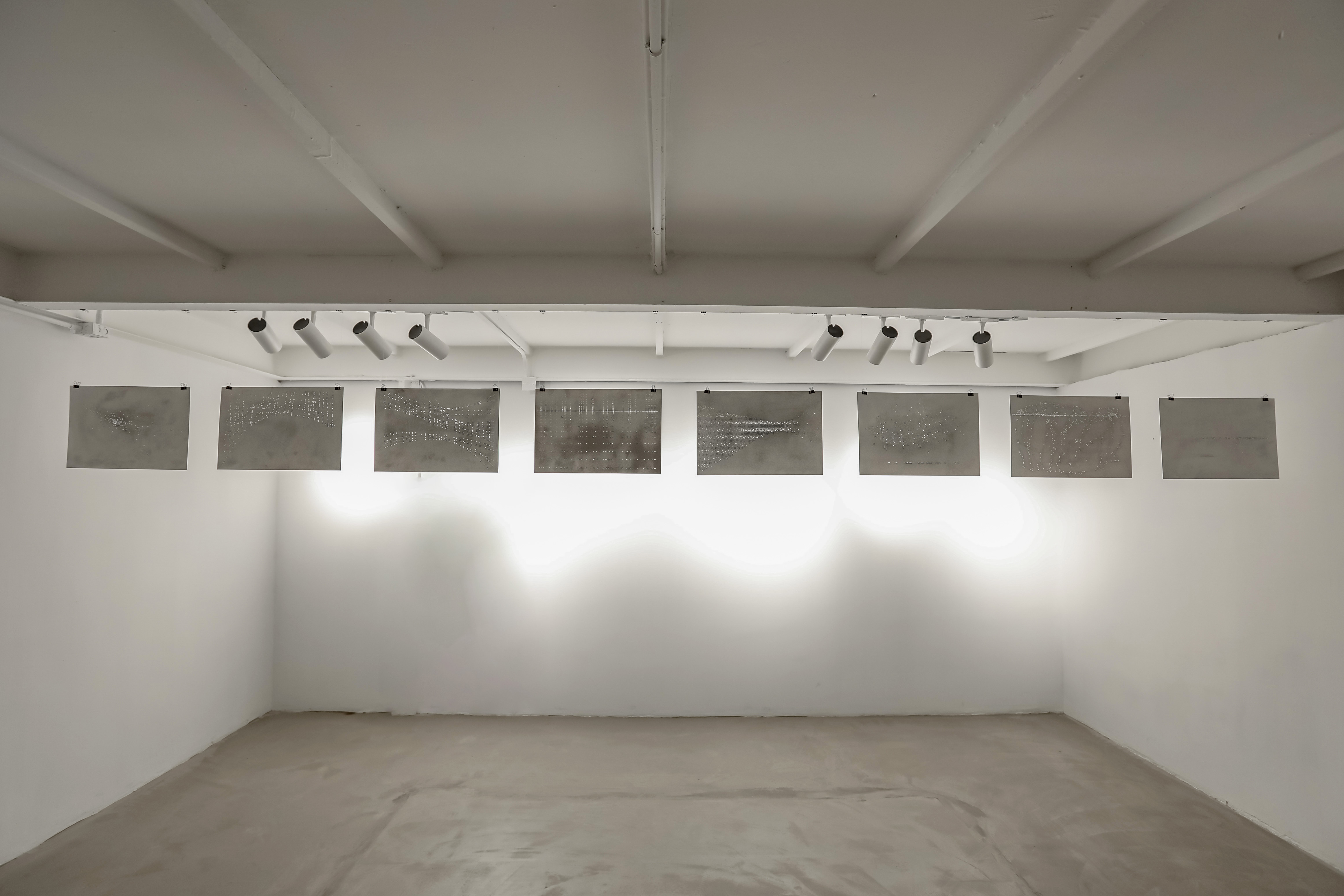
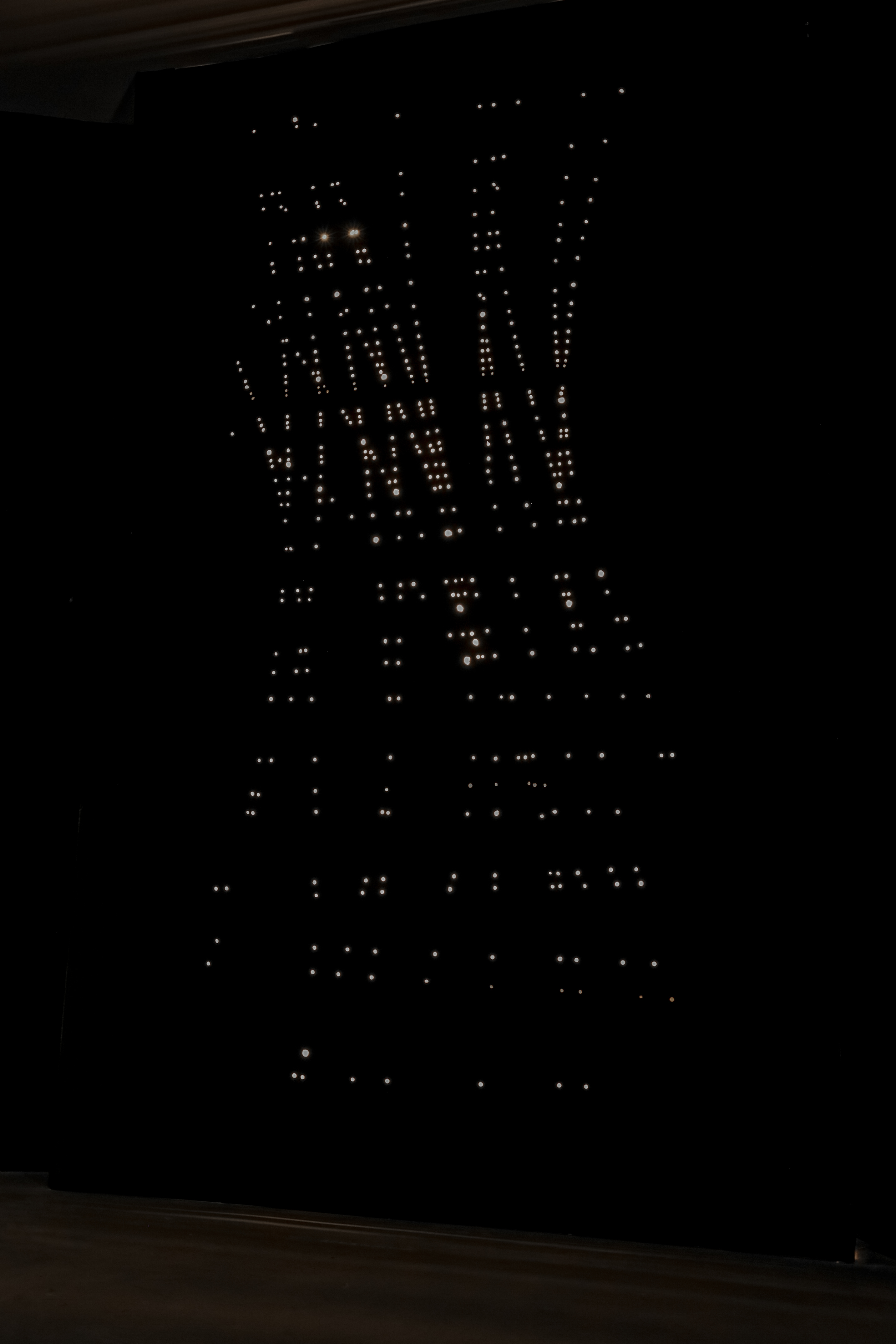
Artist Evgenia Tut shows how diving into ancient philosophy and trying out modern practices can work together. She sees creativity as a process and, using traveler lingo, goes on a transcendental trip, getting closer to the ancient Chinese concept of Tao. Points and lines, converging and diverging in space, form various fields, records of the author's inner states.
The works of female artists form a clearly distinguishable cluster, which is hard to ignore. They are not related to feminist discourse, although gender nuances are, of course, present.
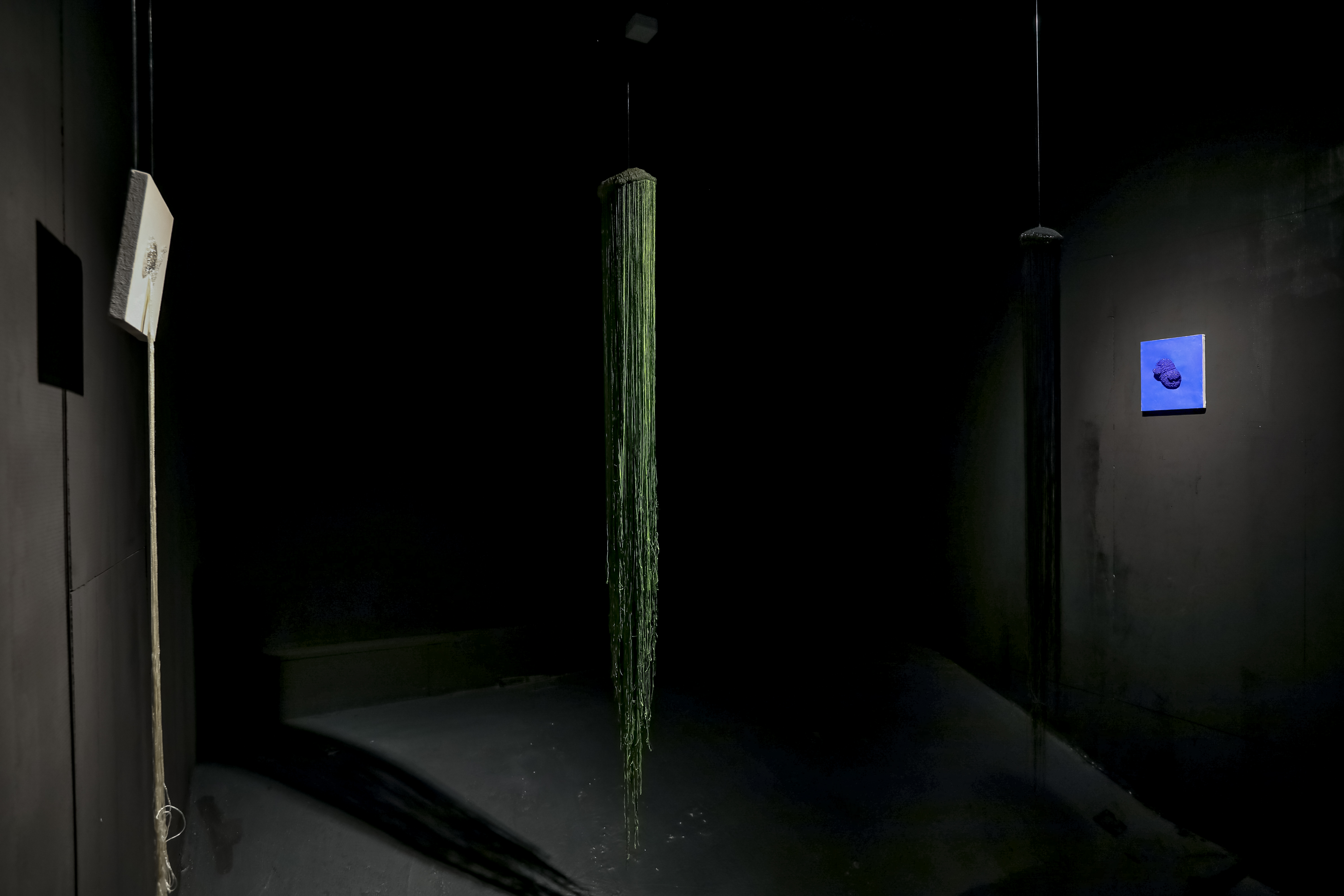
Ustina Yakovleva works with materials that traditionally fall into the category of “feminine” handicrafts. Beads and glass beads are freed by the artist from the obligation to serve as decoration. Yakovleva’s objects are almost biomorphic substances, existing as a special form of life.
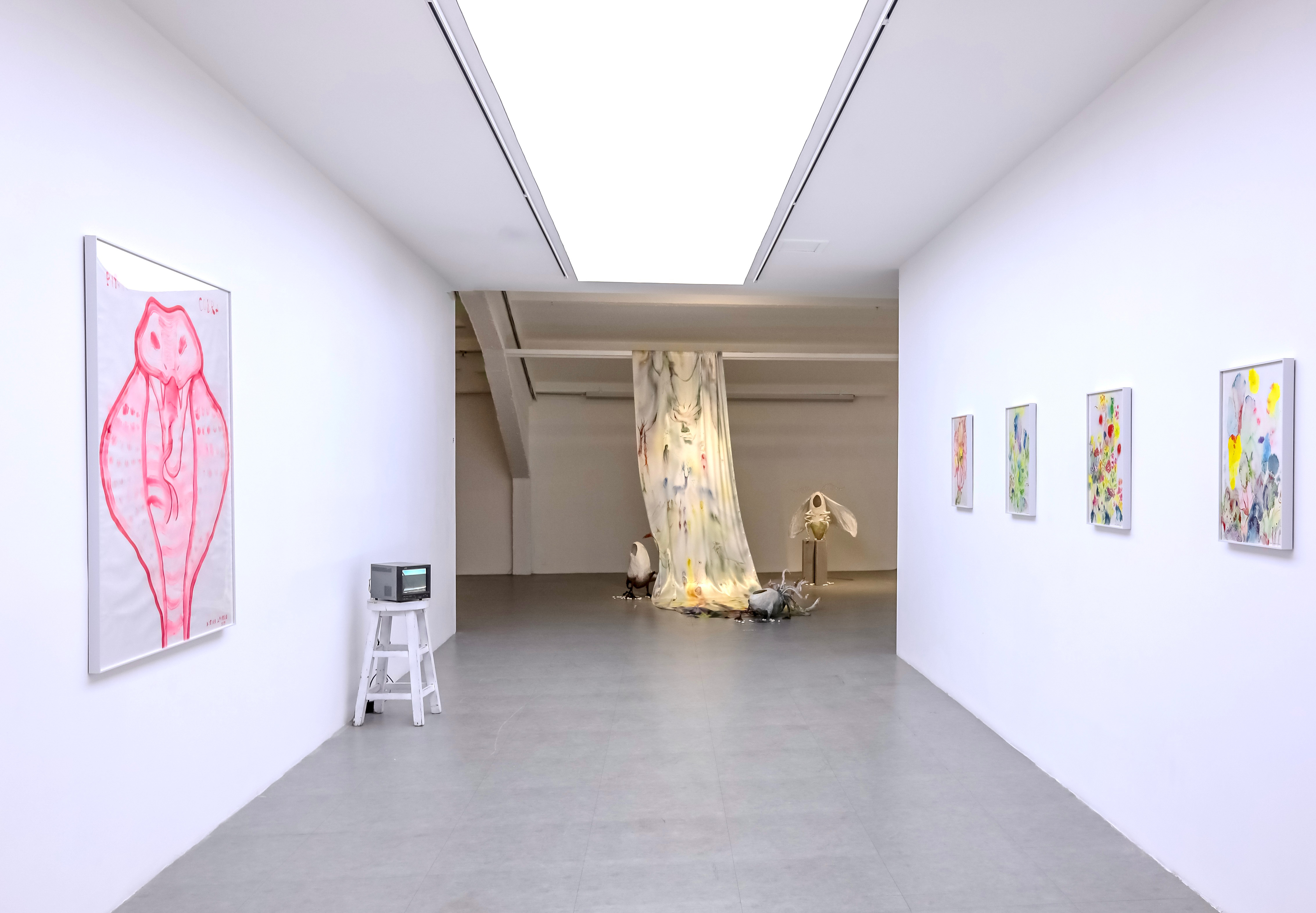
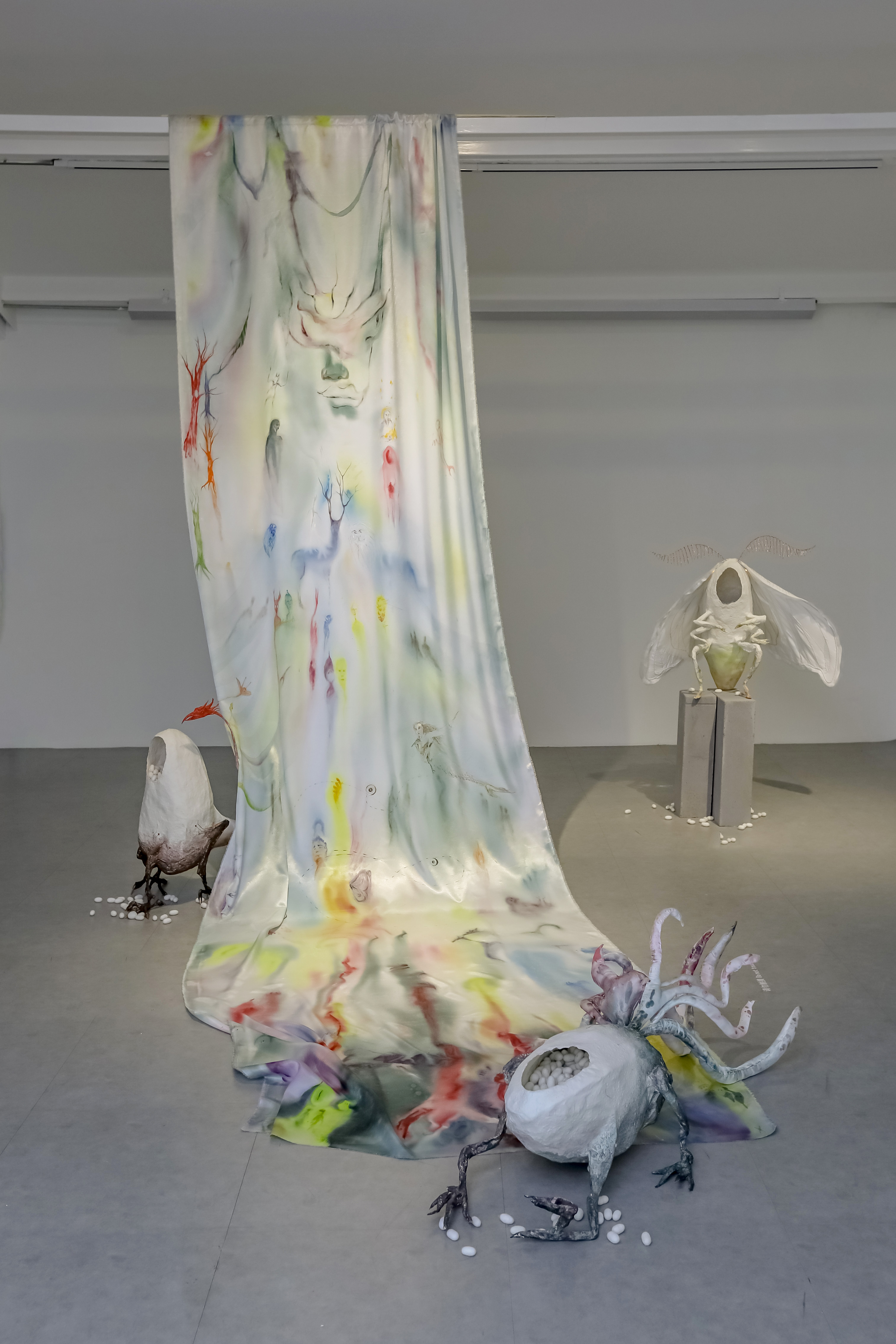
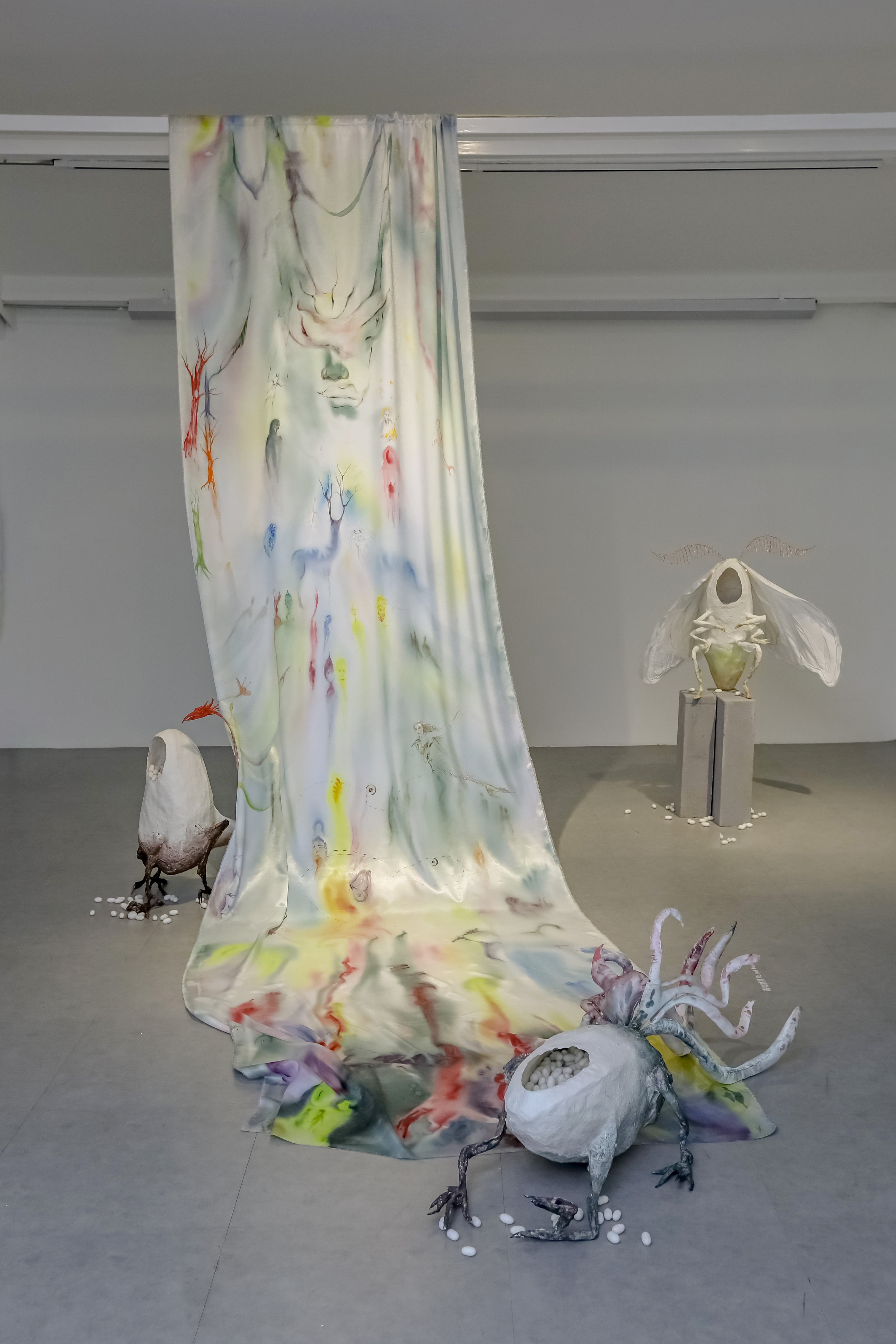
Vasilisa Lebedeva works in the field of personal mythology. Characters from ethnic cultures and epics meet fictional heroes from her inner world. Archaic images weave together with modern tech. It happens on the border between the worlds of the living and the dead, humans and spirits. Thus, the workDreams of Vidya shows ghostly silhouettes on the silk canvas of consciousness. The author treats the material — fabrics — with care, appreciating their texture, their ability to absorb and reject dyes, and to work on space while being inside the body of the object.
Anna Kazmina thinks about the key principles of society. Through different media and techniques, she opens up her worldview, her ability to bring together many meaningful structures into a single, concentrated space. Kazmina's small box objects — intimate and touching works with delicate watercolor paintings — convey a reflection on the private world's fragility. The external monolith and its order contrast with the ephemerality of the inner essence. The artist seeks to reveal the potential in human experience and the world, which she presents as a living multi-organism.
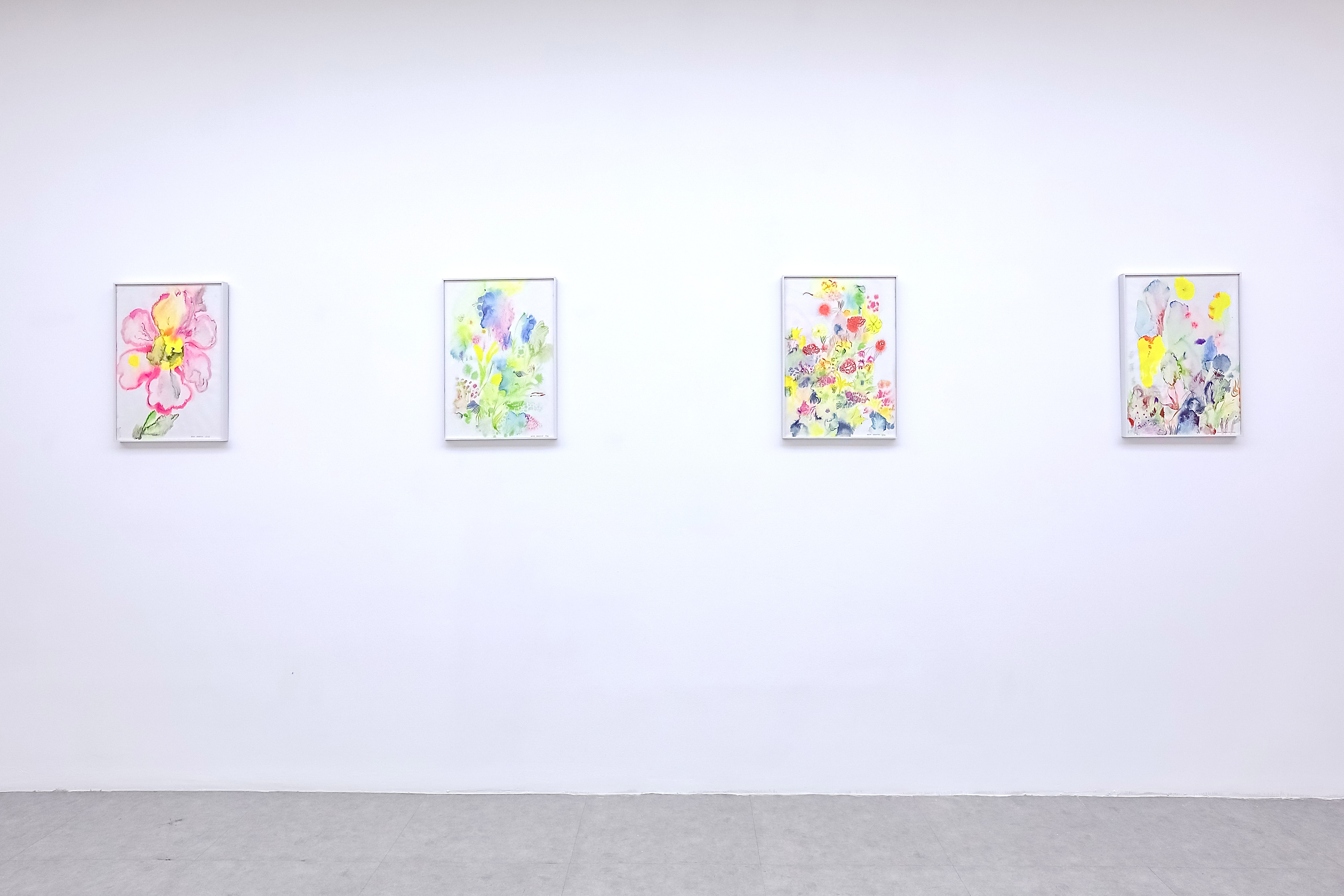
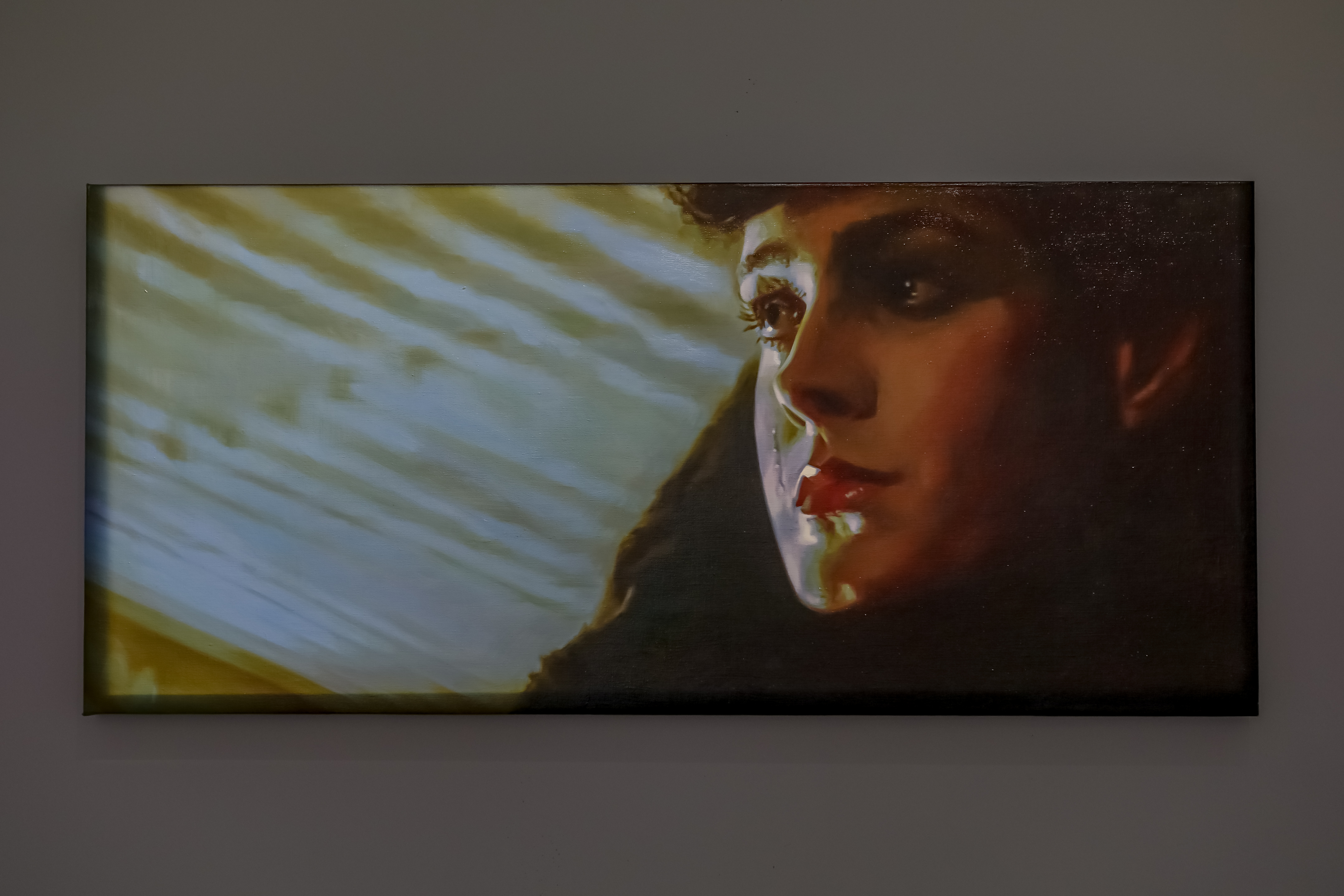
Two names come to mind together, although they are different artists with different inner worlds and creative temperaments. Xenia Dranysh largely follows the ingenuous approach. This is not naive in the sense that we are used to, but rather a type of artist who is fundamentally gentle and vulnerable, yet self-aware and self-sufficient. Dranysh's art is a juncture of her generation. Her images, delicate watercolors, bright, fleeting, are light touches, expressive impressions, hints of fragments from the stream of information pouring down on us from various sources. Her works raise many questions about the meaning of life, the nature of human feelings, and the conflicts between external life and the inner world of a person. Meanwhile Vladislava Tarasova is the author of small canvases and graphics. In her case, “fragility” is not a method, but an object of study. This is the case of canvases about Cinderella not as a character, but as an archetypal figure. We do not see the heroine's face, only a captured “frame” with a hand, a door, a lock... An attempt to escape and transform? Yes, but without the fairy tale's happy ending: in a blue tone, which is associated with sadness and elegiac disappointment.
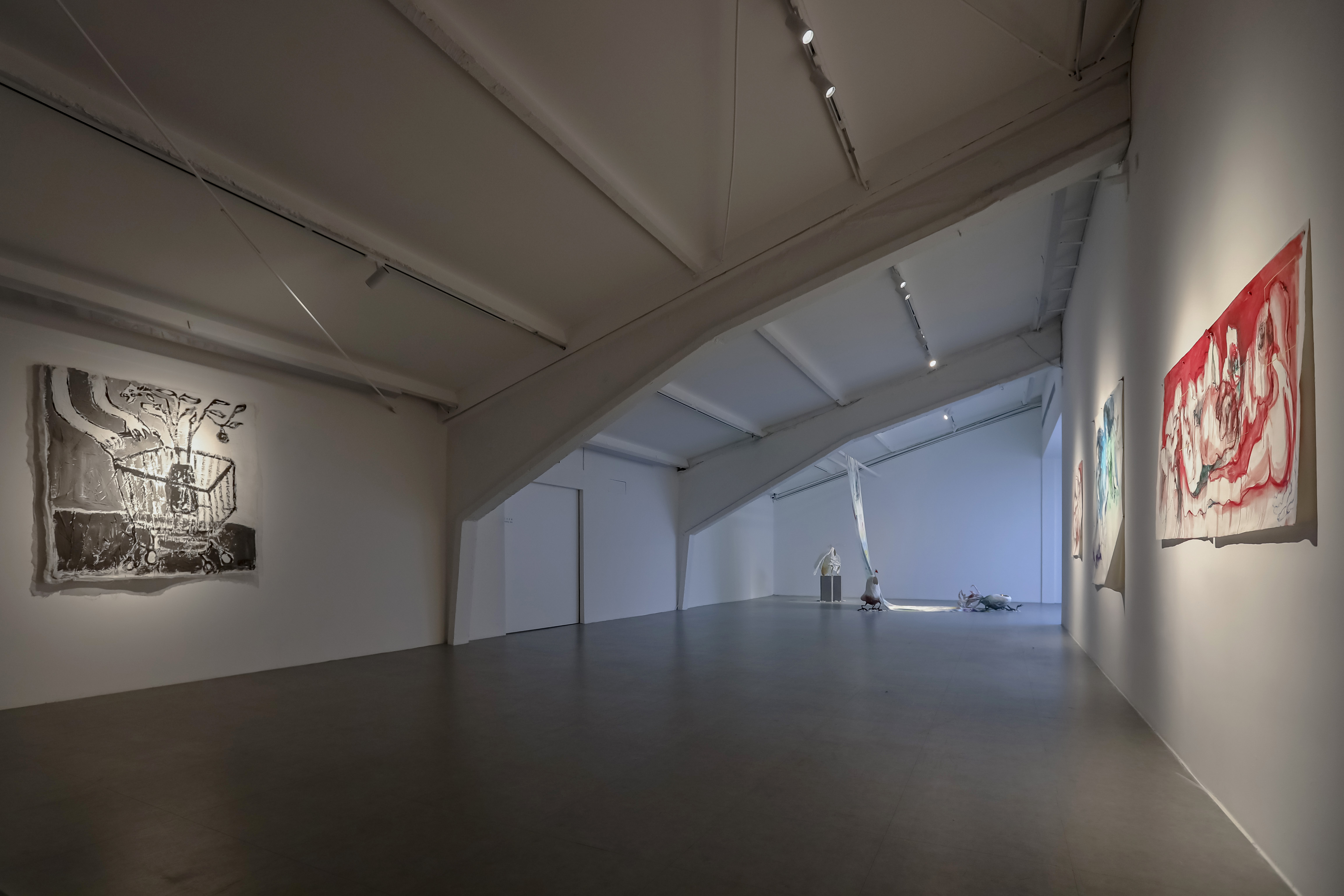
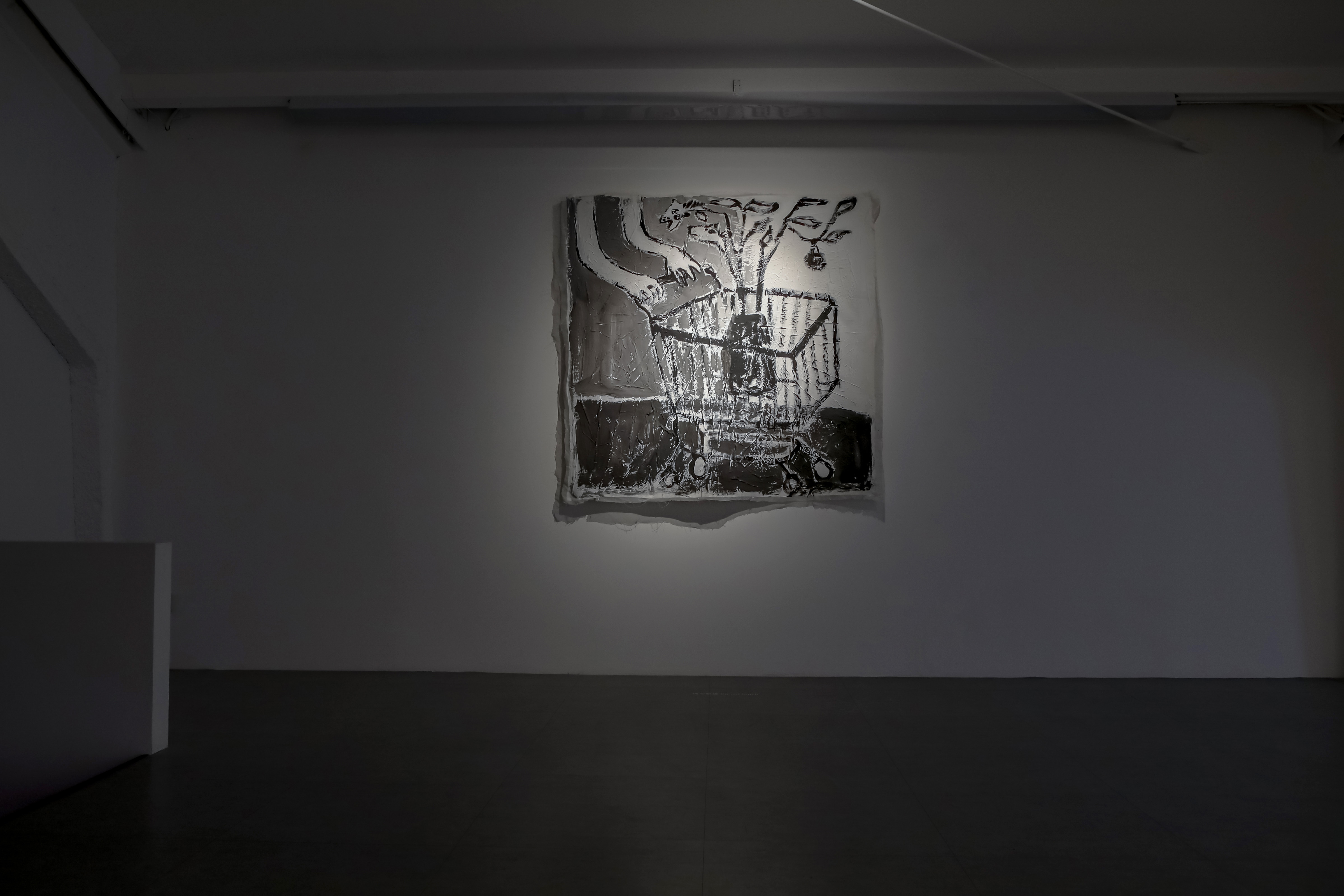
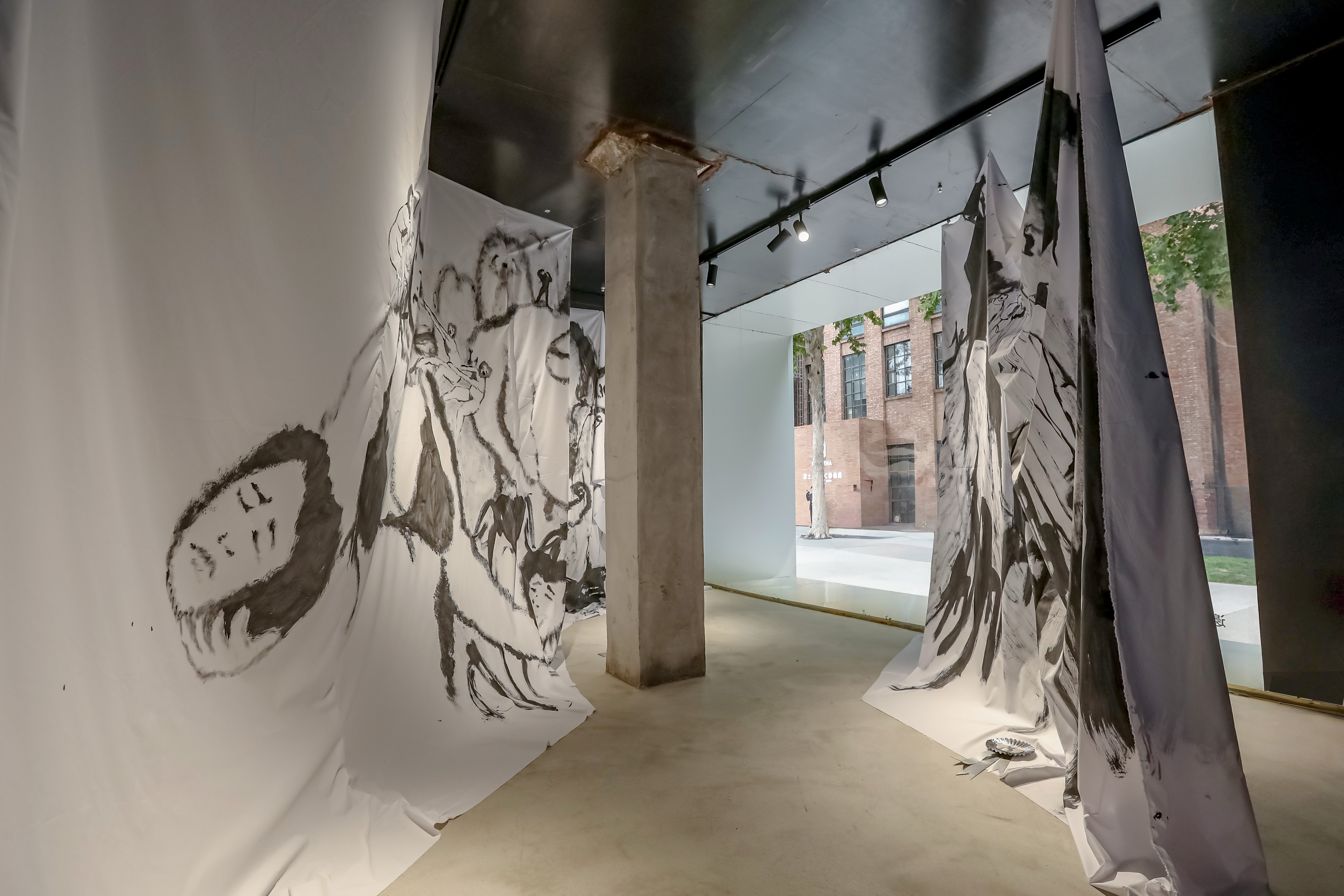
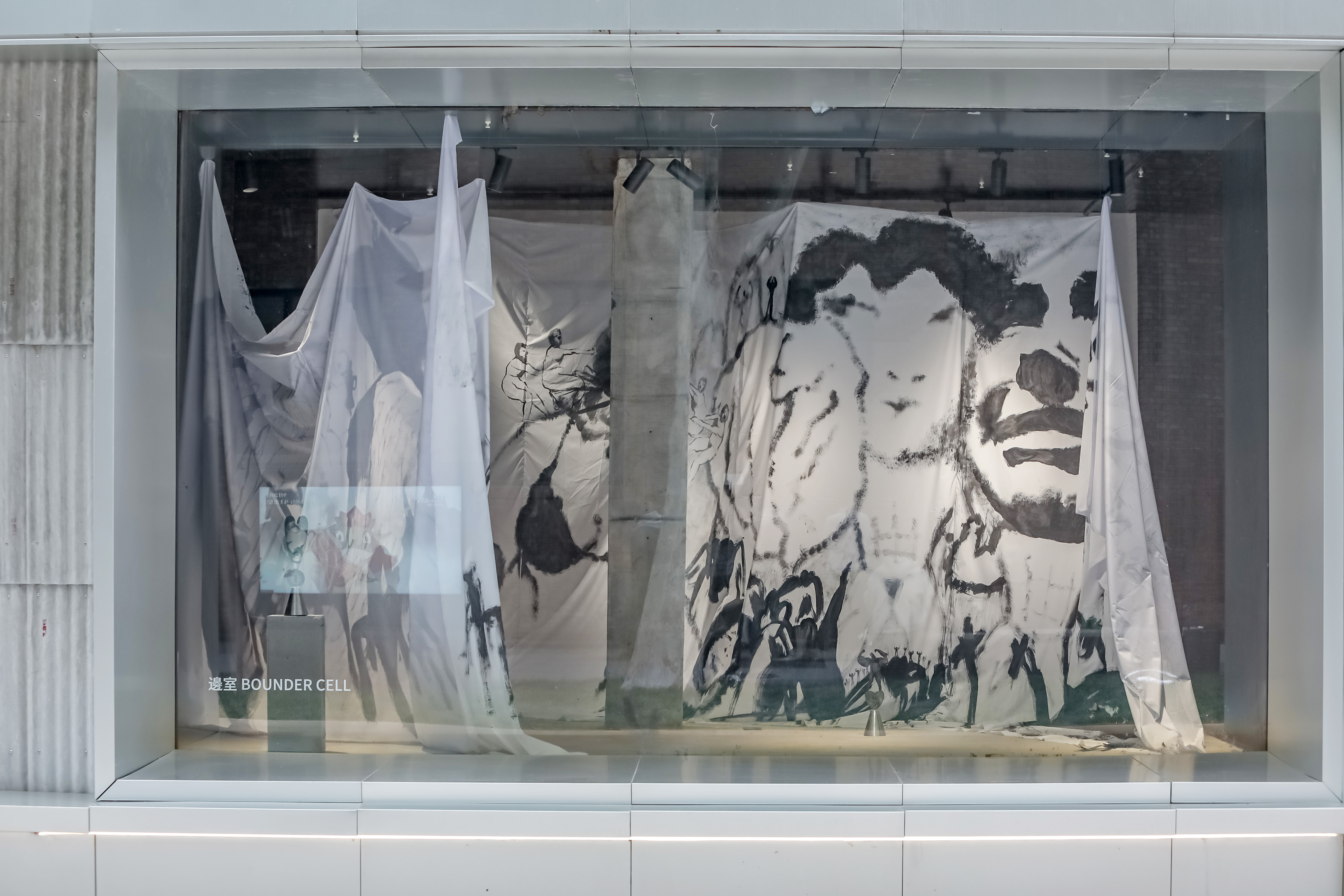
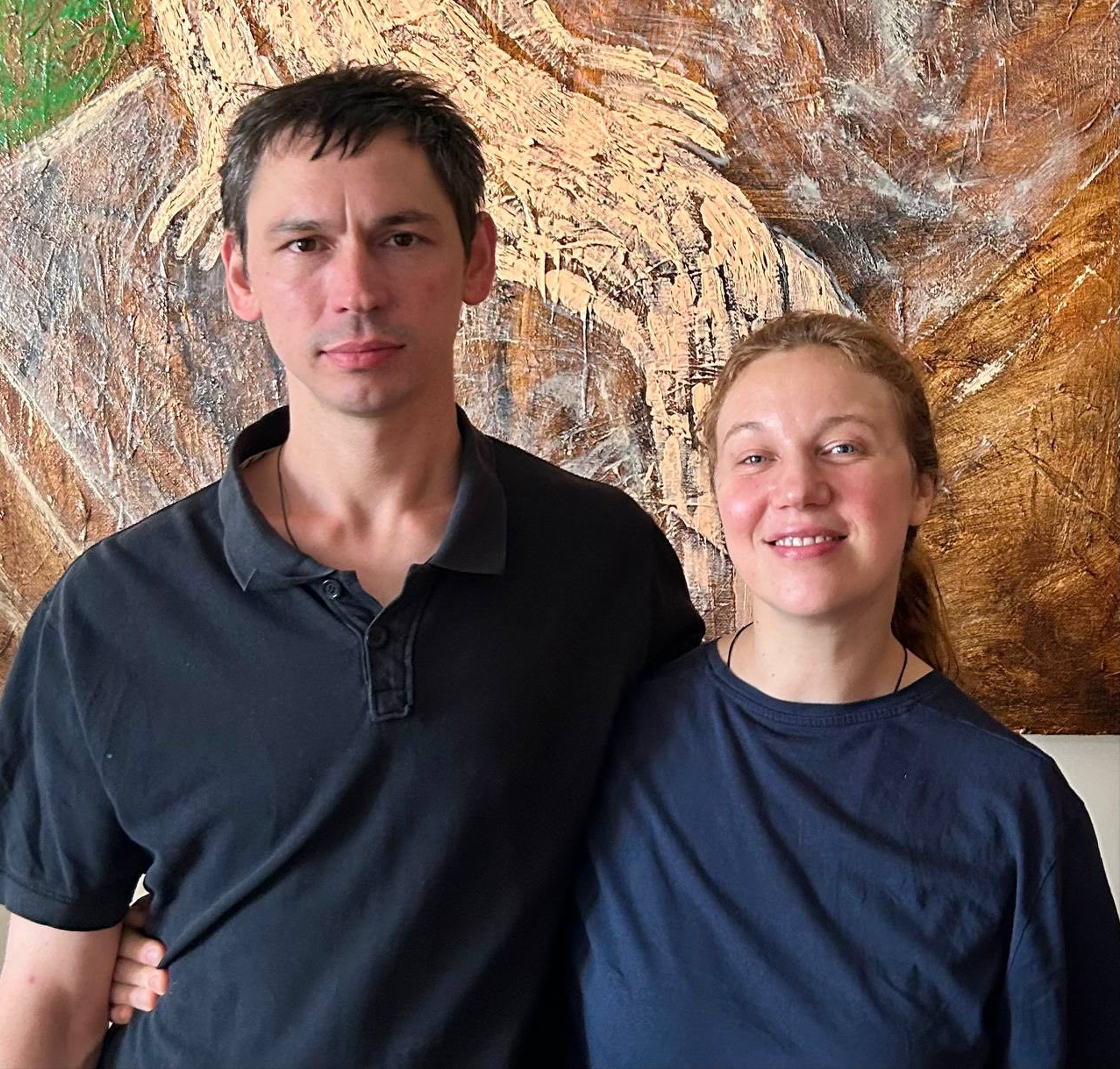
In terms of developing the potential of traditional media, the compositions of the Gruppa AM — the duo of Alexey Loptev and Maria Lopteva — stand out at the exhibition. Like another well-known duo, Mikhail Larionov and Natalia Goncharova, these artists use the language of primitivism, amateur creativity, and techniques close to neo-expressionism. The artists seem to take us back to the bright heroic era of avant-garde classics. But the painters' palette is monochrome — only black and white — a kind of primitive comic book in which pop art, informel, and the Russian avant-garde seem to converge.
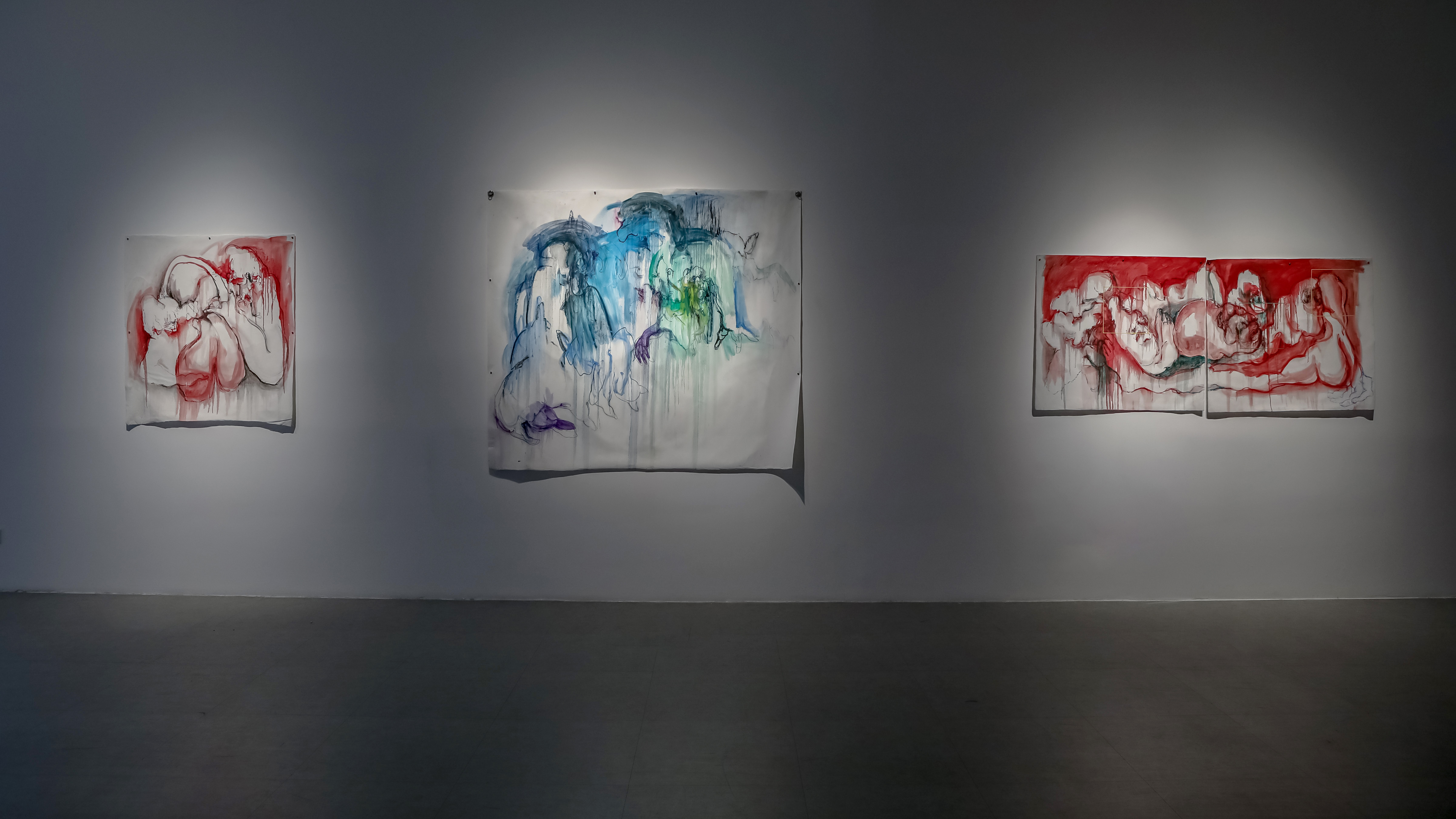
Meanwhile Irina Petrakova, trained in fine arts, now as a contemporary artist, is rethinking the classics, including how we see the body. The artist uses oil sticks (oil pastels) as an incredibly vulnerable to touch material. This combination of form and content results in an extraordinary perceptual effect, which speaks above all about the possibility of loss, the transience of creative phenomena, and, undoubtedly, the fragility of the physical shell of existence.
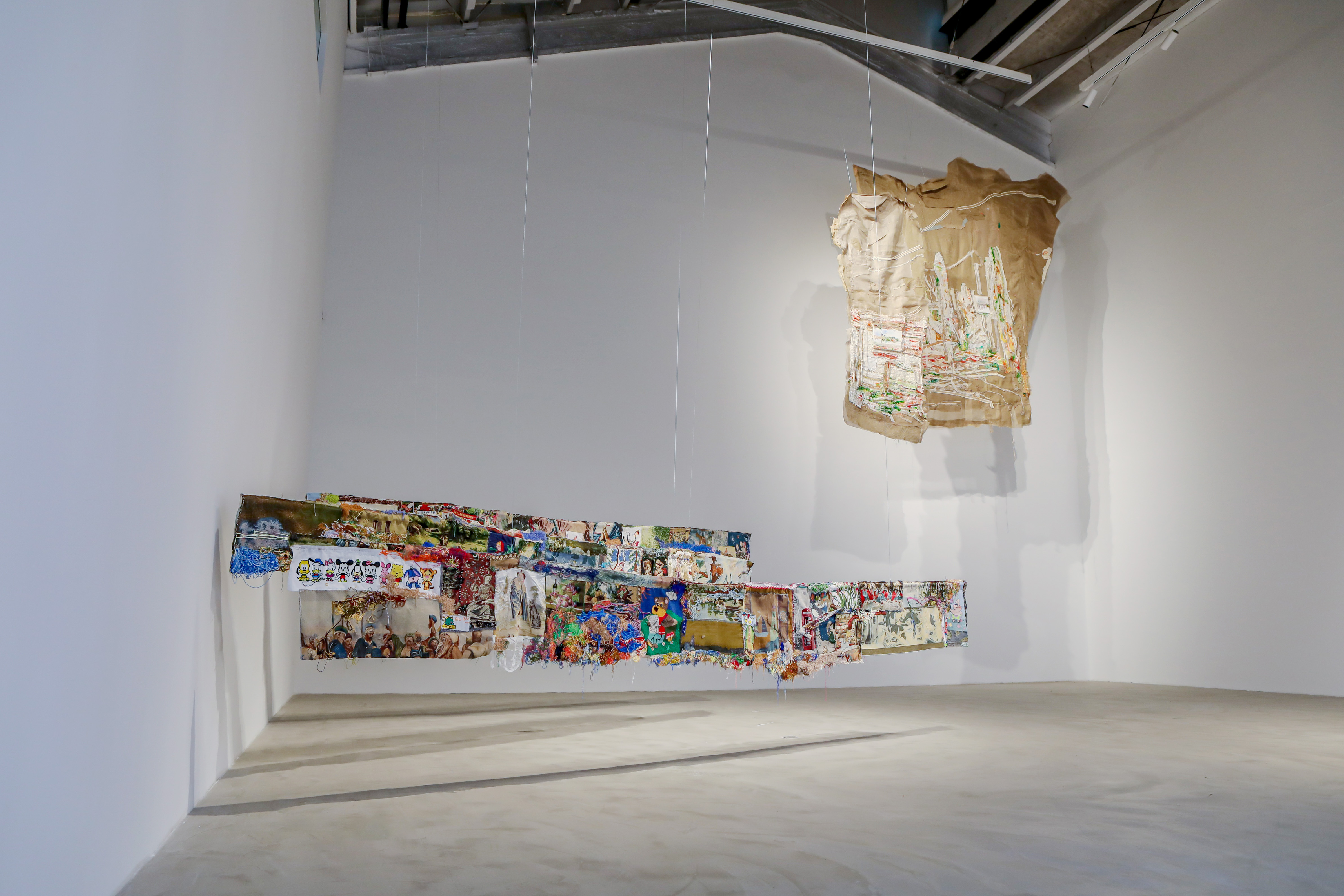
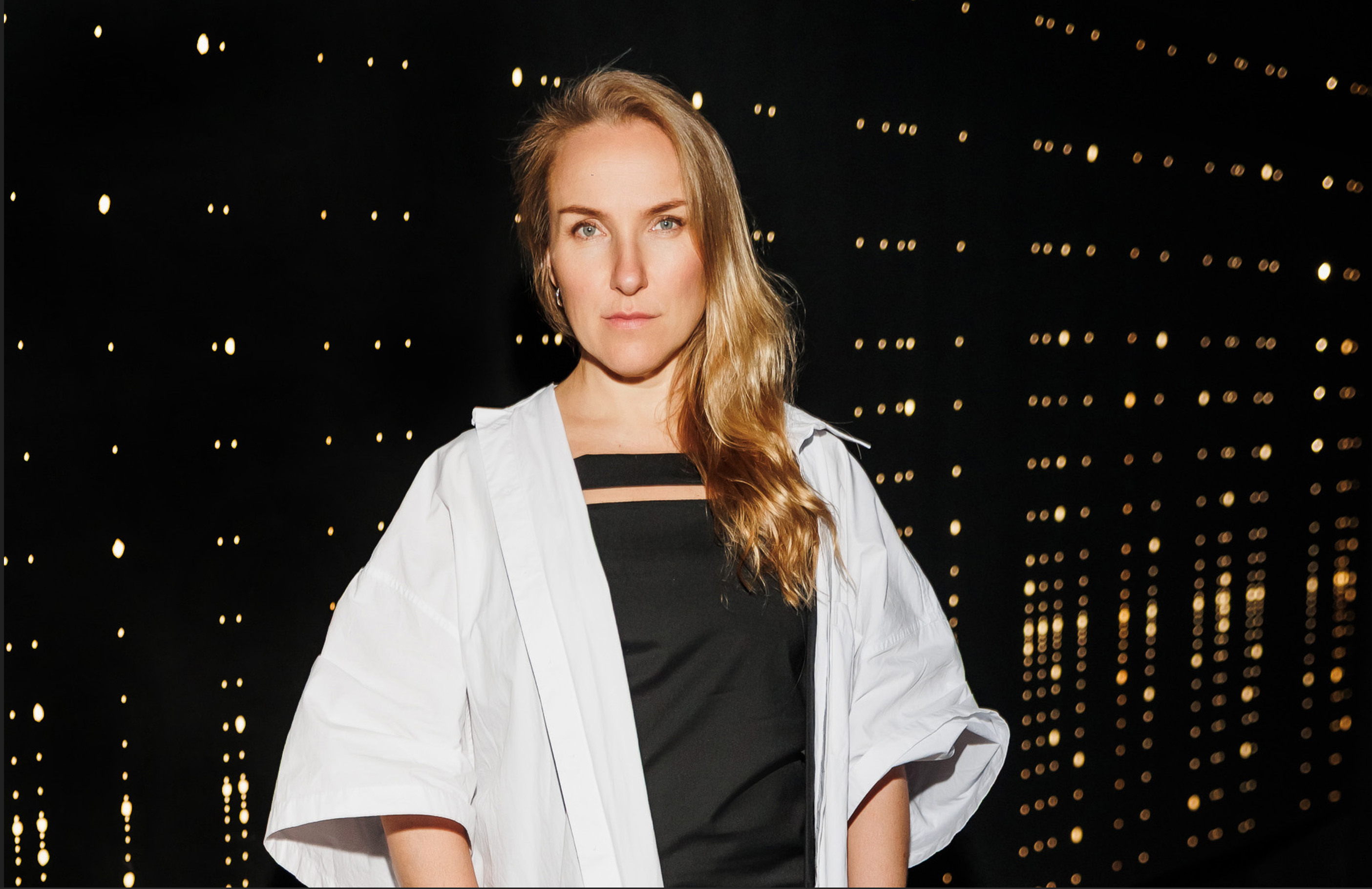
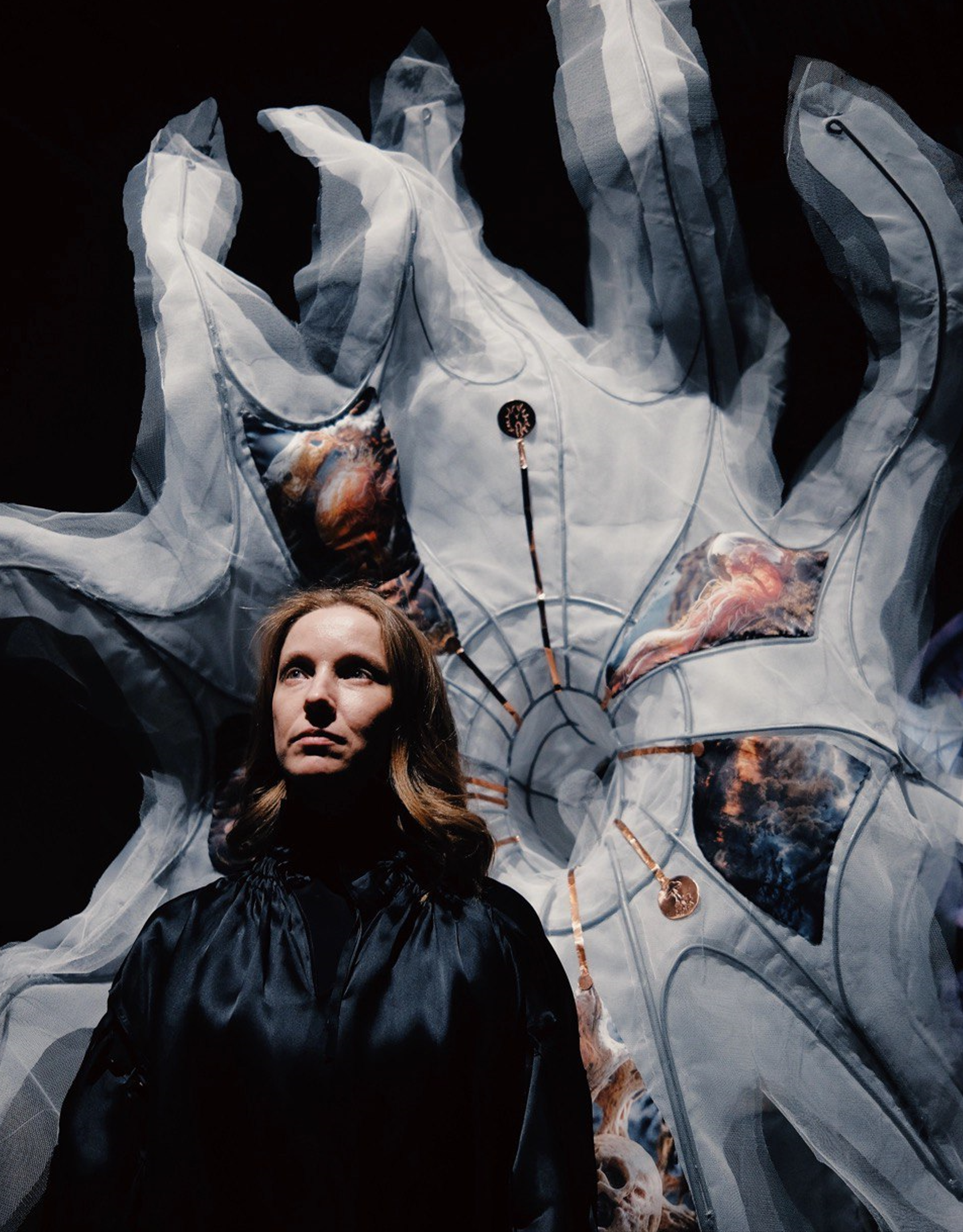
Anastasia Antipova is an artist who works with space through large-scale textile installations, graphics, objects, and video performances. In her practice, she explores the themes of distance, loneliness, and inner transformation of the individual. Her project is a total installation that immerses the viewer in a world of contemporary alienation and social fragmentation. It combines metal sockets, canvases, cups, and textile medals: symbols of victory and sporting triumph referring to the constant comparison of oneself with others, the fear of judgment, and the endless struggle, both against external obstacles and personal fears. Through empirical and empathetic experience, Antipova suggests utopian ways to establish connection and reduce the distance between people. The installation explores the phenomenon of transformation and tricksterism as a method of accepting vulnerability and finding mutual support.In the finale, the viewer finds themselves in a space where alienation is overcome: a reminder that true victories are found in help and understanding, in a world where everyone can feel lonely.
Thus, THE ELEMENTS project assembles a variety of phenomena from the Russian art scene. The exhibition is packed with meanings — sometimes implicit, often expressive imagery — motifs and symbols of the current era. It draws on a whole panoply of methods, skills and knowledge acquired through experience and discovery. Overall, THE ELEMENTS is an attempt to build bridges between the local and the global, the individual and the collective. It is not just an exhibition, but a platform to exchange ideas, strengthen cultural ties, and search for new ways of understanding the world we live in. The project invites viewers to reflect on how individual “elements” — artists, ideas, cultures — interact to form a unique microcosm of contemporary art.
By Olga Turchina