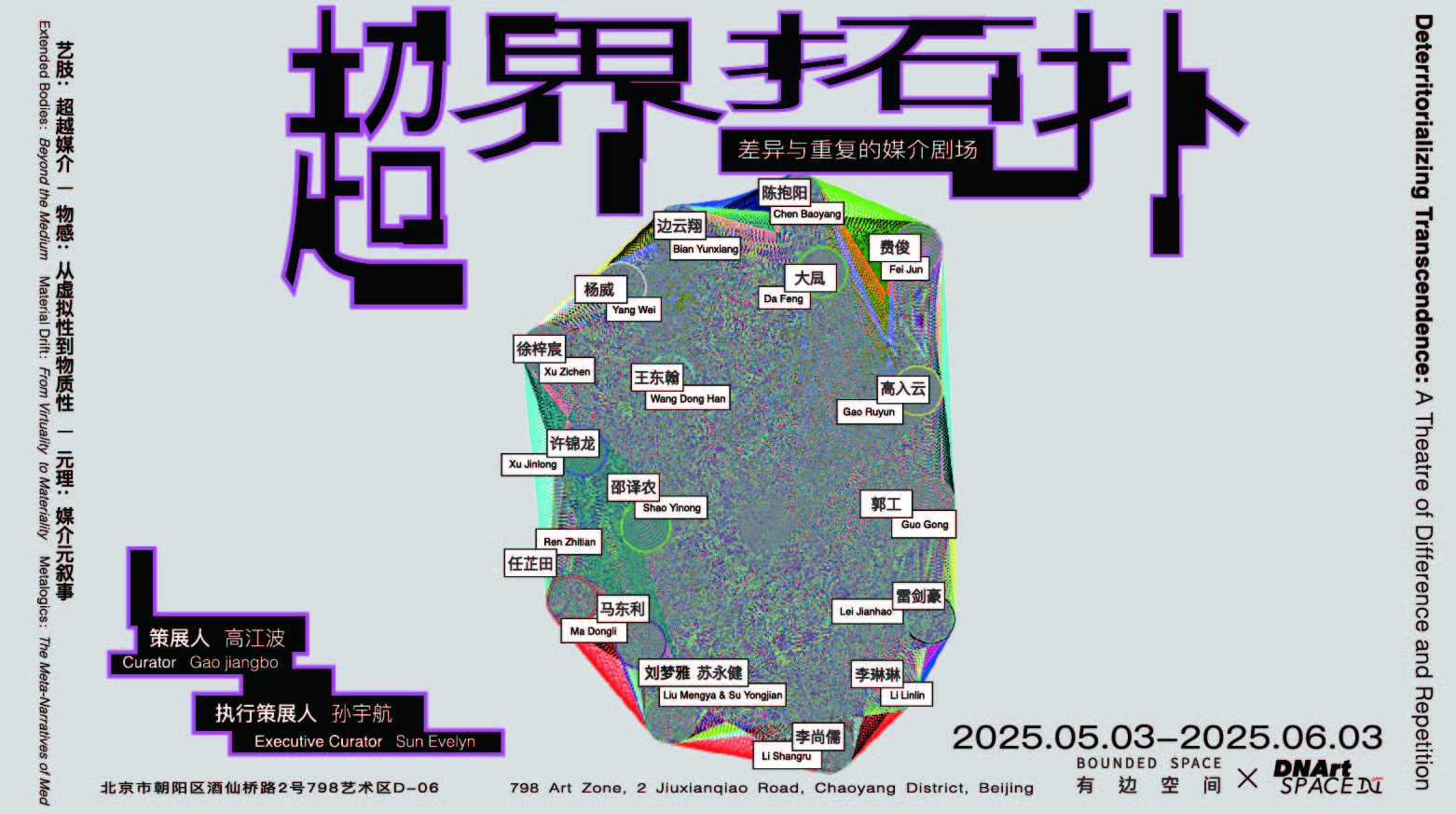
BOUNDED SPACE Relocation Announcement & Group Exhibition Opening
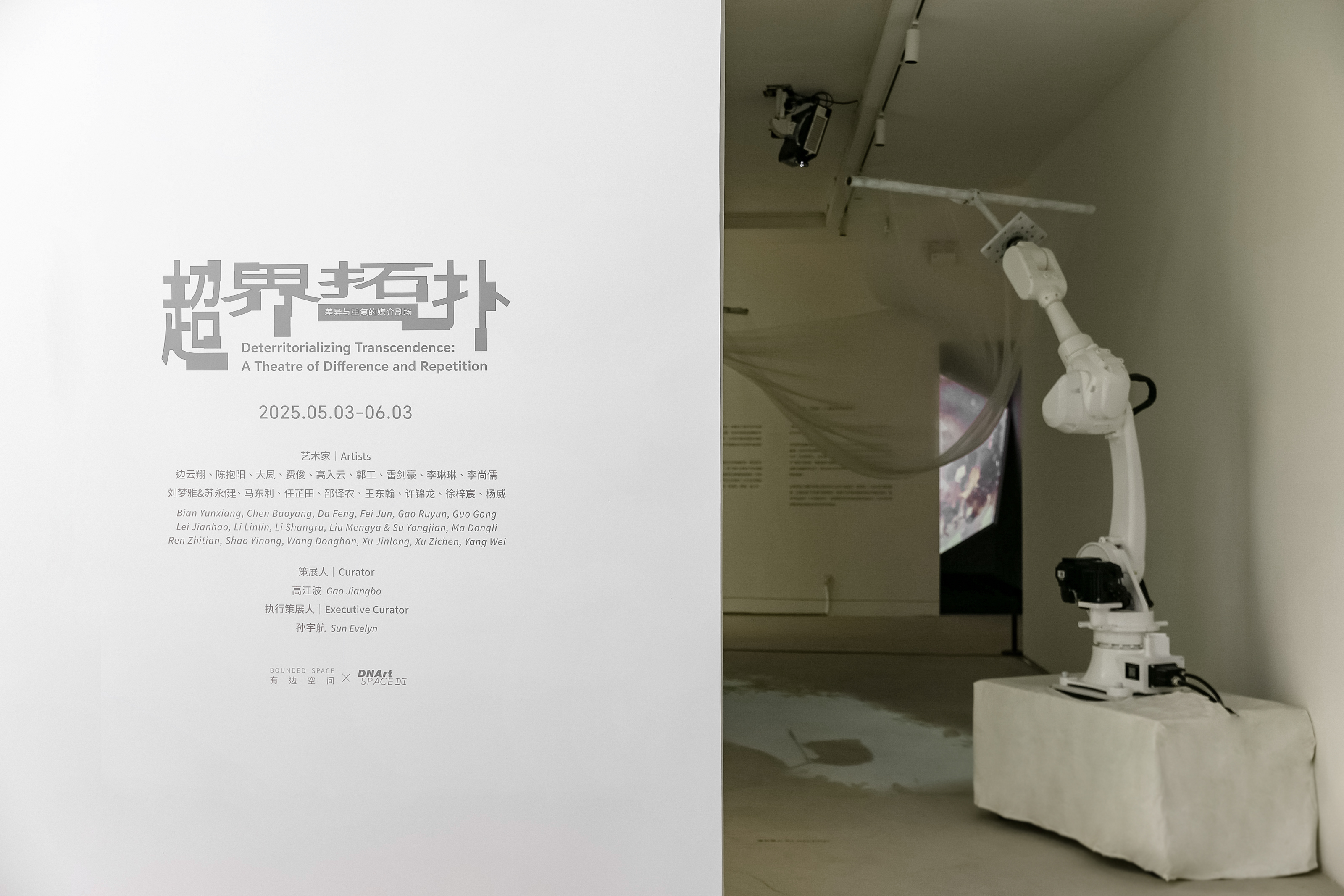
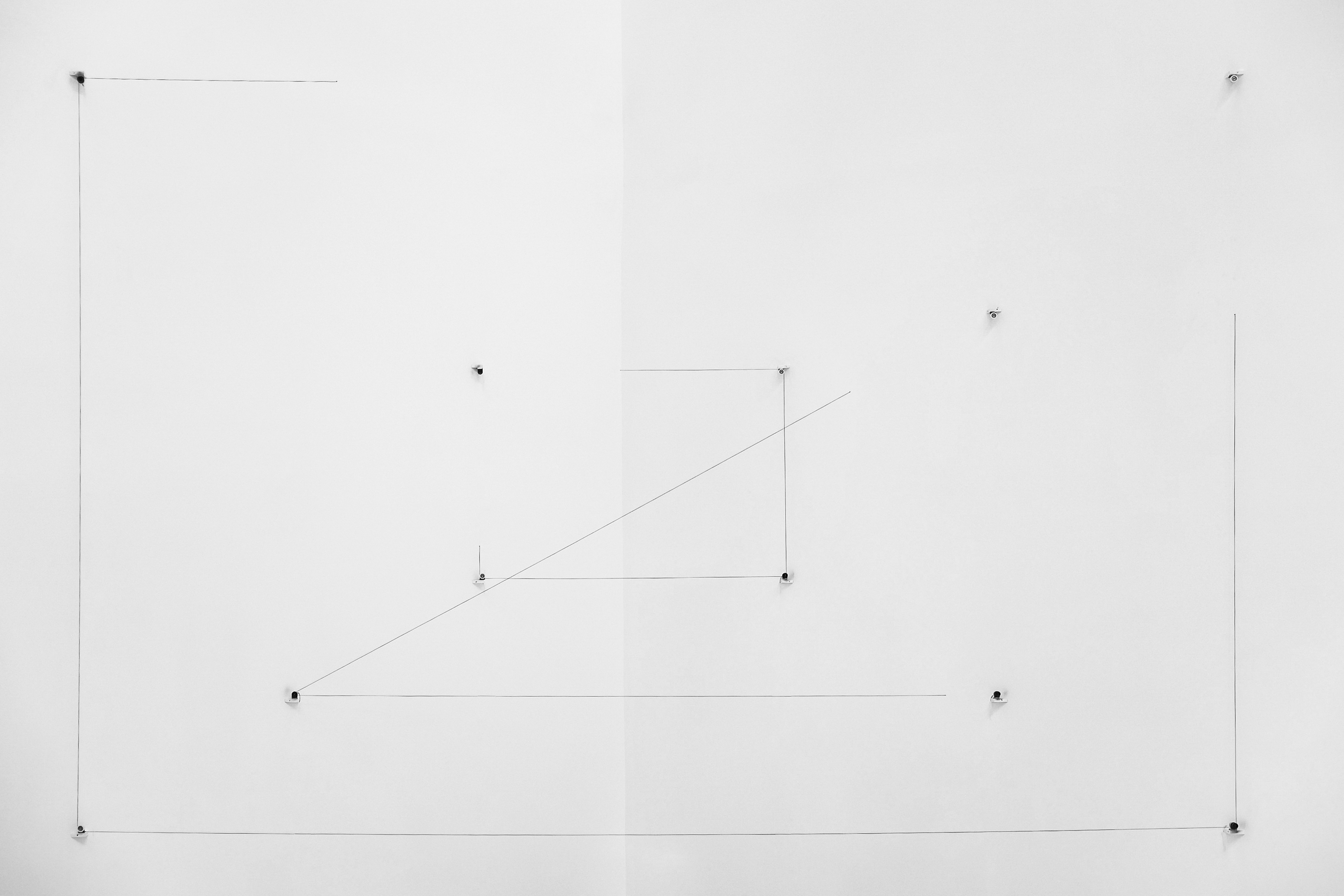
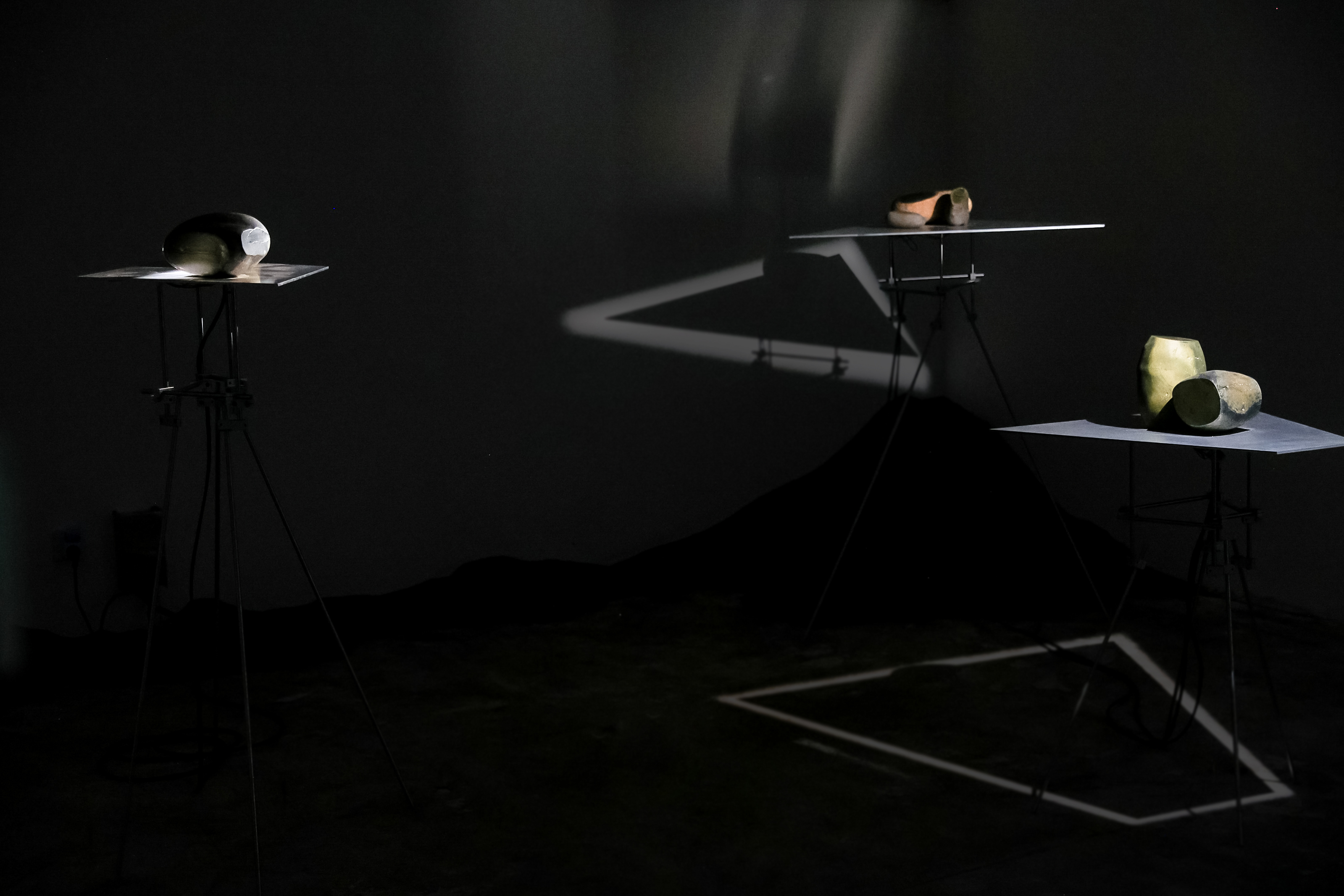
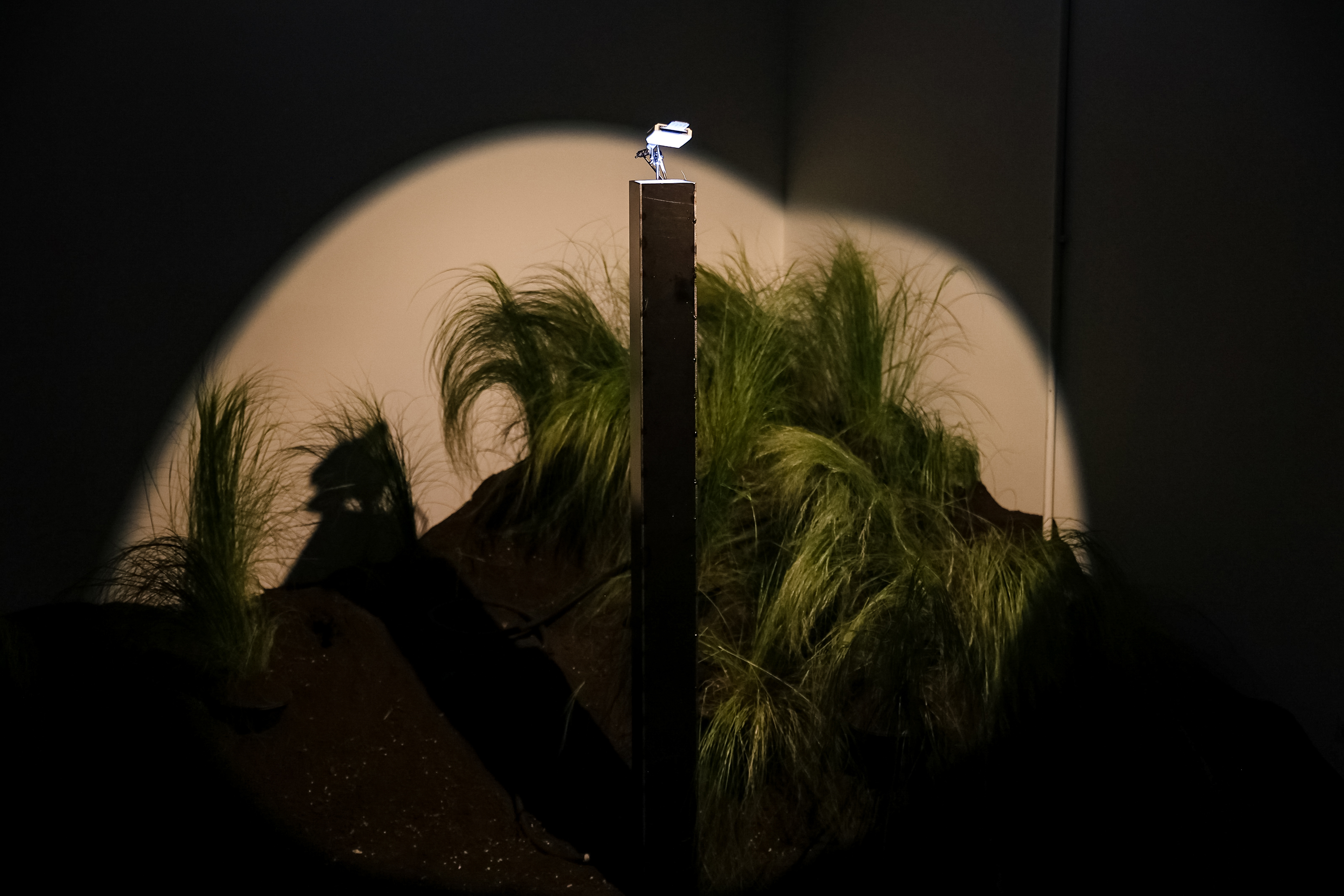
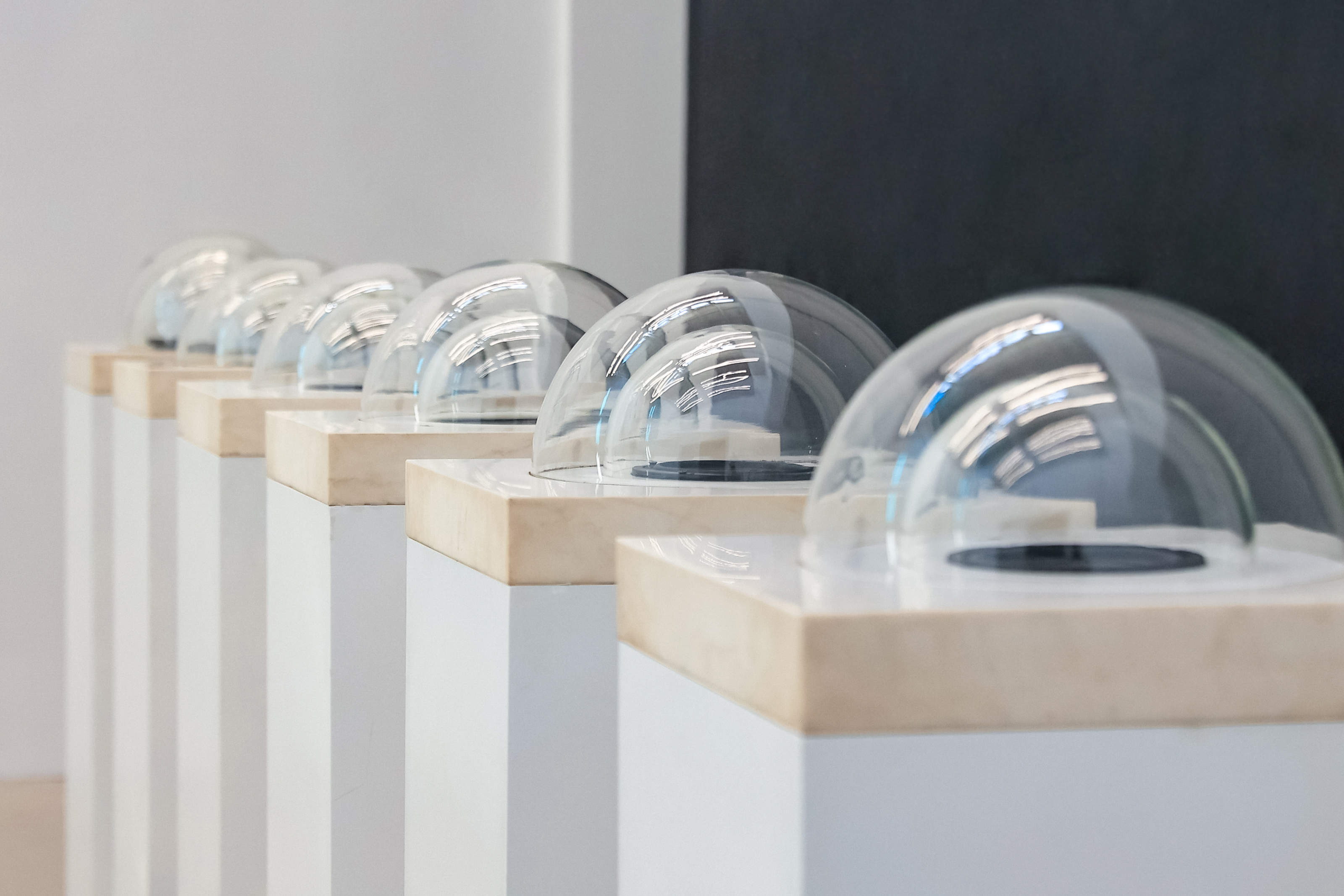
From May 1, 2025, BOUNDED SPACE will officially relocate to D-06, 798 Art Zone (formerly Zhonger Street D-05), embarking on a new chapter of transformation. To mark this spatial migration, we present the inaugural group exhibition, "Deterritorializing Transcendence: A Theatre of Difference and Repetition", inviting you to join an artistic and spatial reconfiguration experiment. The new venue is not merely a shift in physical coordinates but a vessel for contemplating the boundaries of art. The exhibition takes "A Theatre of Difference and Repetition" as its narrative anchor, wielding the fluid blade of topology to tear through established boundaries. Within this deterritorialized theatrical experiment, it philosophically re-examines the ontological essence of art and its pure perceptual integrity through speculative inquiry.
Exhibition Preface
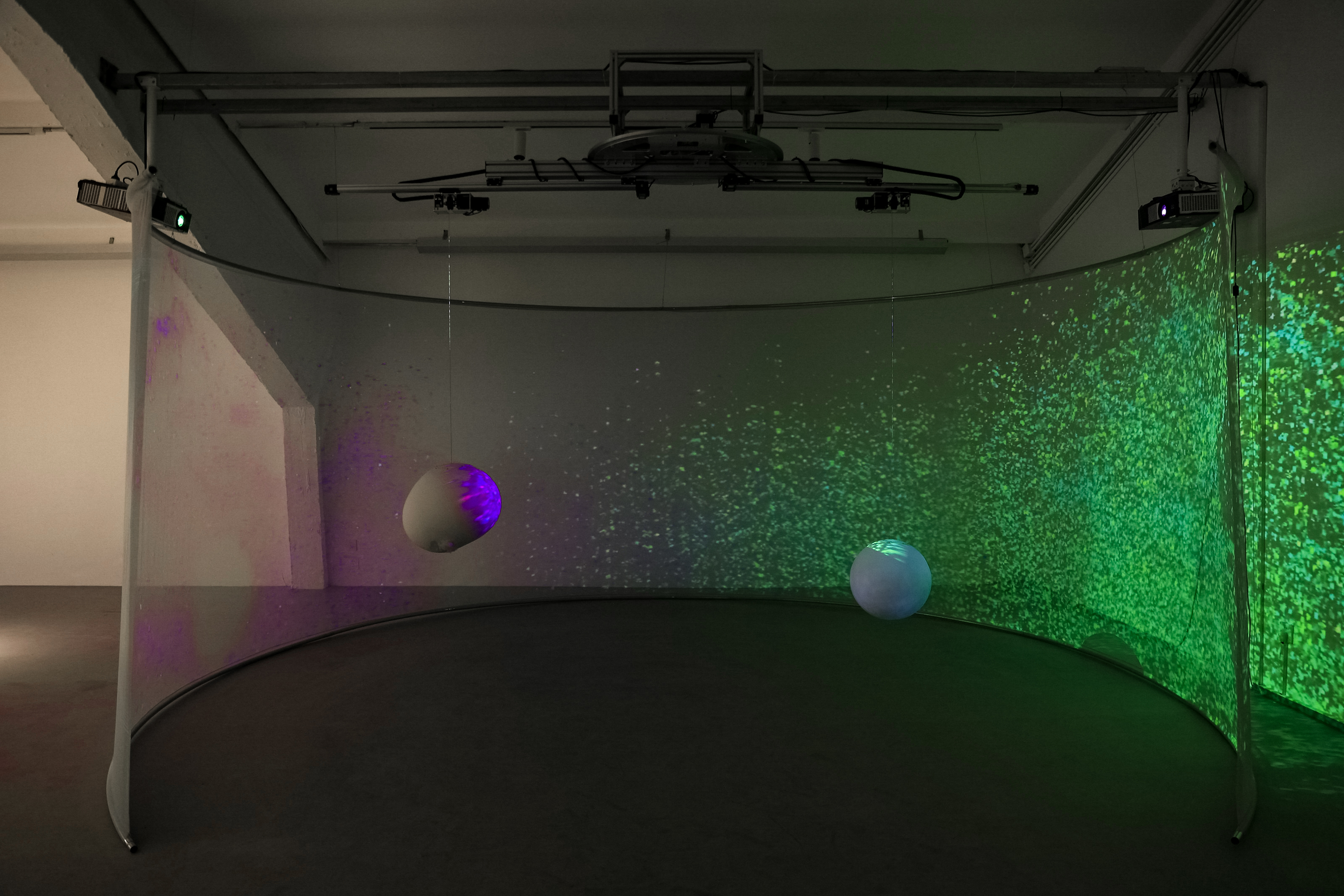
In an era reshaped by digital technology, "Deterritorializing Transcendence" attempts to peer through the lens of art beneath the epidermis of humanity’s "civilizational transition," uncovering latent challenges and aspirations tied to "creation." The exhibition constructs an experimental artistic field akin to Deleuze’s "philosophical drama" through three key concepts: Extended Bodies, Material Drift, and Metalogics. The notion of "transcendence" here is multifaceted, most accessibly understood as a rupture of technological limits that catalyzes metamorphoses in civilizational forms. To borrow contemporary computing terminology, "transcendence" resembles "GPU overclocking”, exceeding hardware,, imposed computational constraints. On the screens of modern smartphones, a cybernetic allegory replays daily: humans ceaselessly traverse virtual and physical realms, rendering "transcendence" a topological reality. On the eve of digital civilization, we all resemble Nietzsche’s "Zarathustra" venturing into an enigmatic forest, simultaneously exploring and vigilant, wielding a double-edged sword that conflates "technological empowerment" and "excessive consumption."
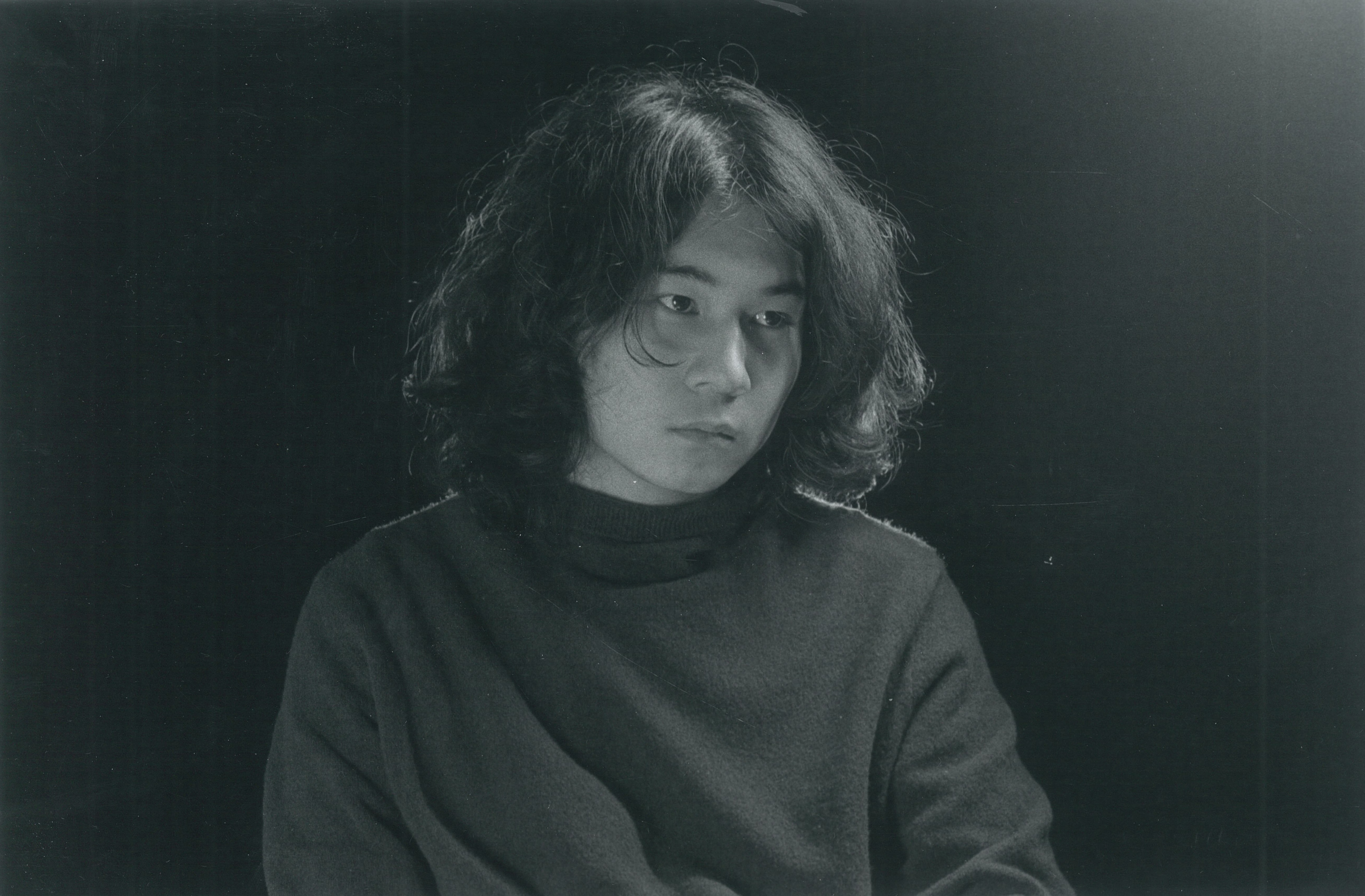
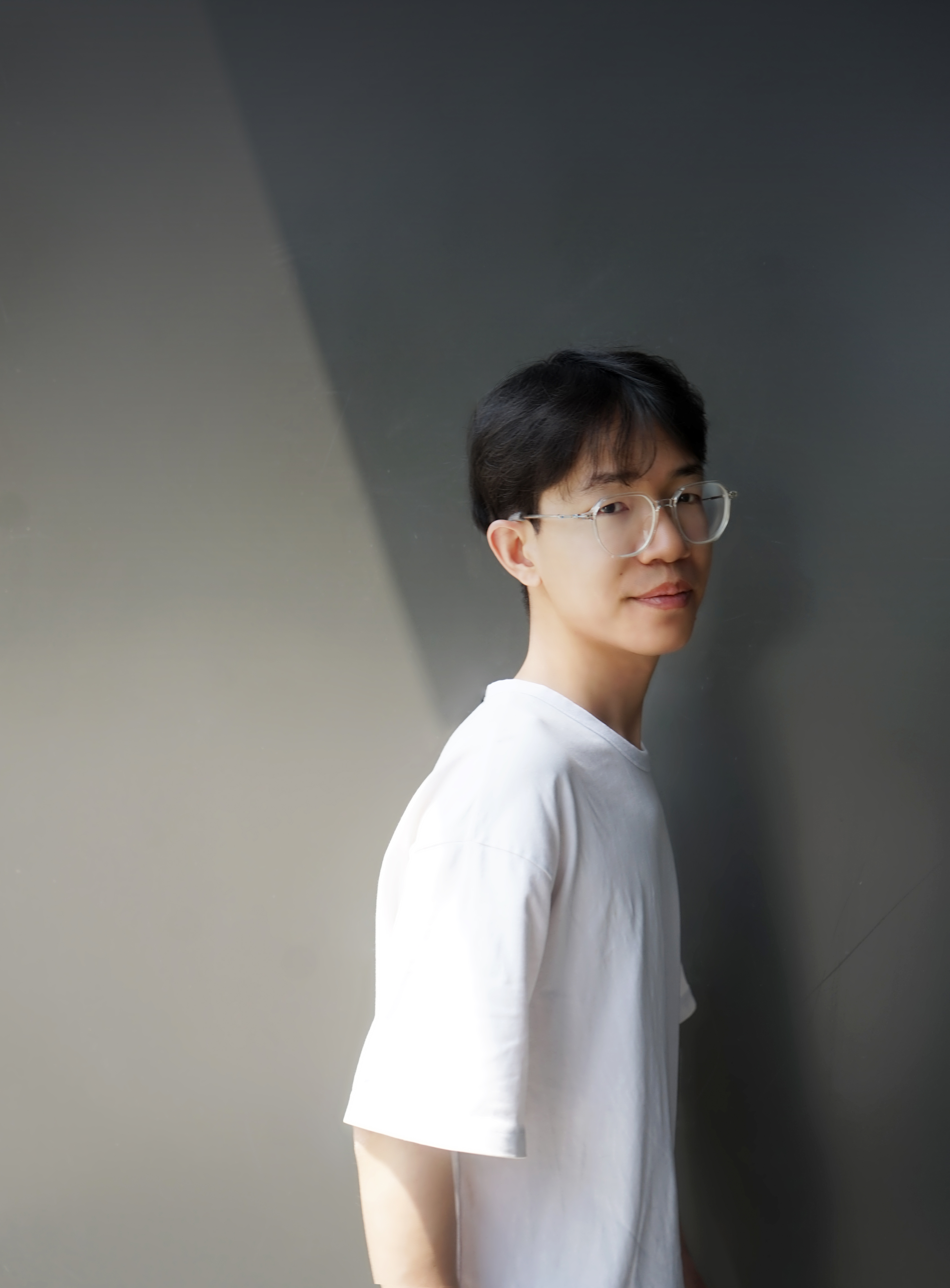
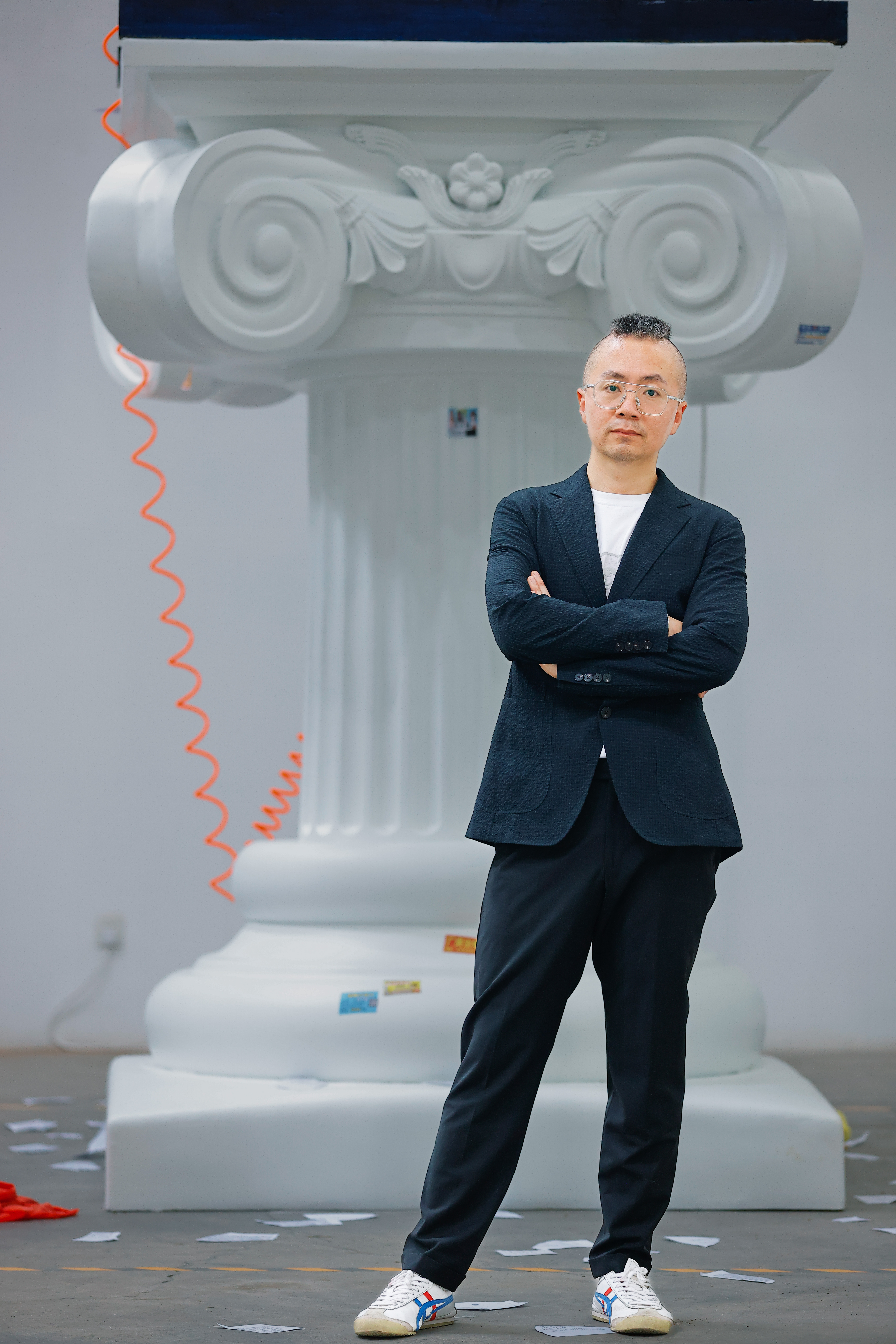
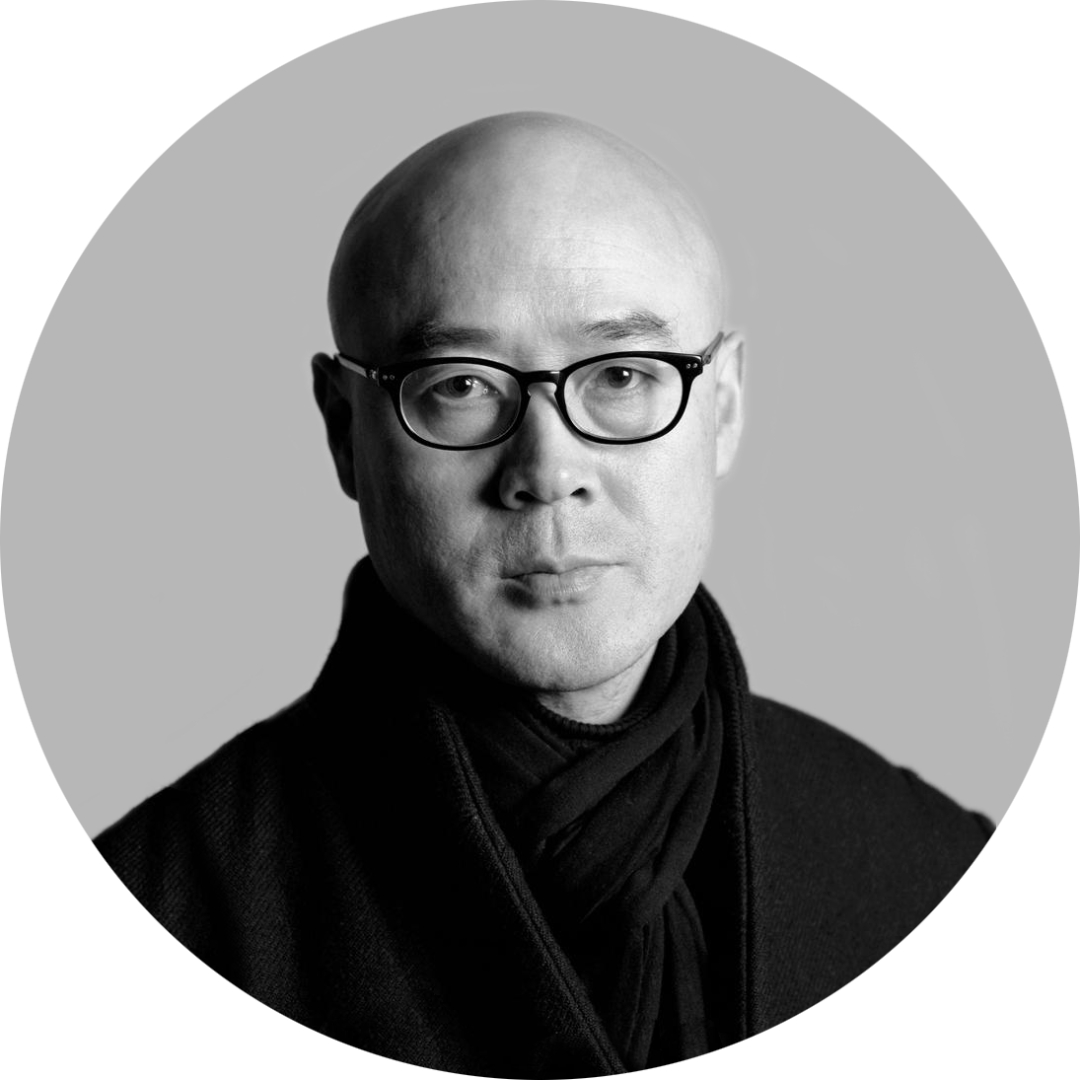
If Nietzsche encapsulated industrial civilization’s standardized mass production and replication with "eternal recurrence," the prologue of the digital age is one of dissolving boundaries and rippling repercussions. This exhibition’s three themes are also three questions: How can art continue to extend human senses in the AI era? How can technologies divorced from survival (life) and bodily reality collaborate with art? Can art serve as the Promethean fire of a hyper-mediated age? These ouroboros-like inquiries are unavoidable for anyone, willingly or reluctantly engaged in contemporary artistic praxis. Yet encouragingly, this exhibition is no mere of urgency and anxiety: the 18 participating artists exhibit a shared awareness, not merely leveraging "technology" as a catalyst but organically embedding art into diverse domains and discourses. While we fret over digital technology’s unprecedented disruptions, their practices offer a form of relief—not answers nor evasion, but active participation in diagnosing the present. As technological breakthroughs increasingly blur reality’s edges, art may well become our new compass for understanding the world.
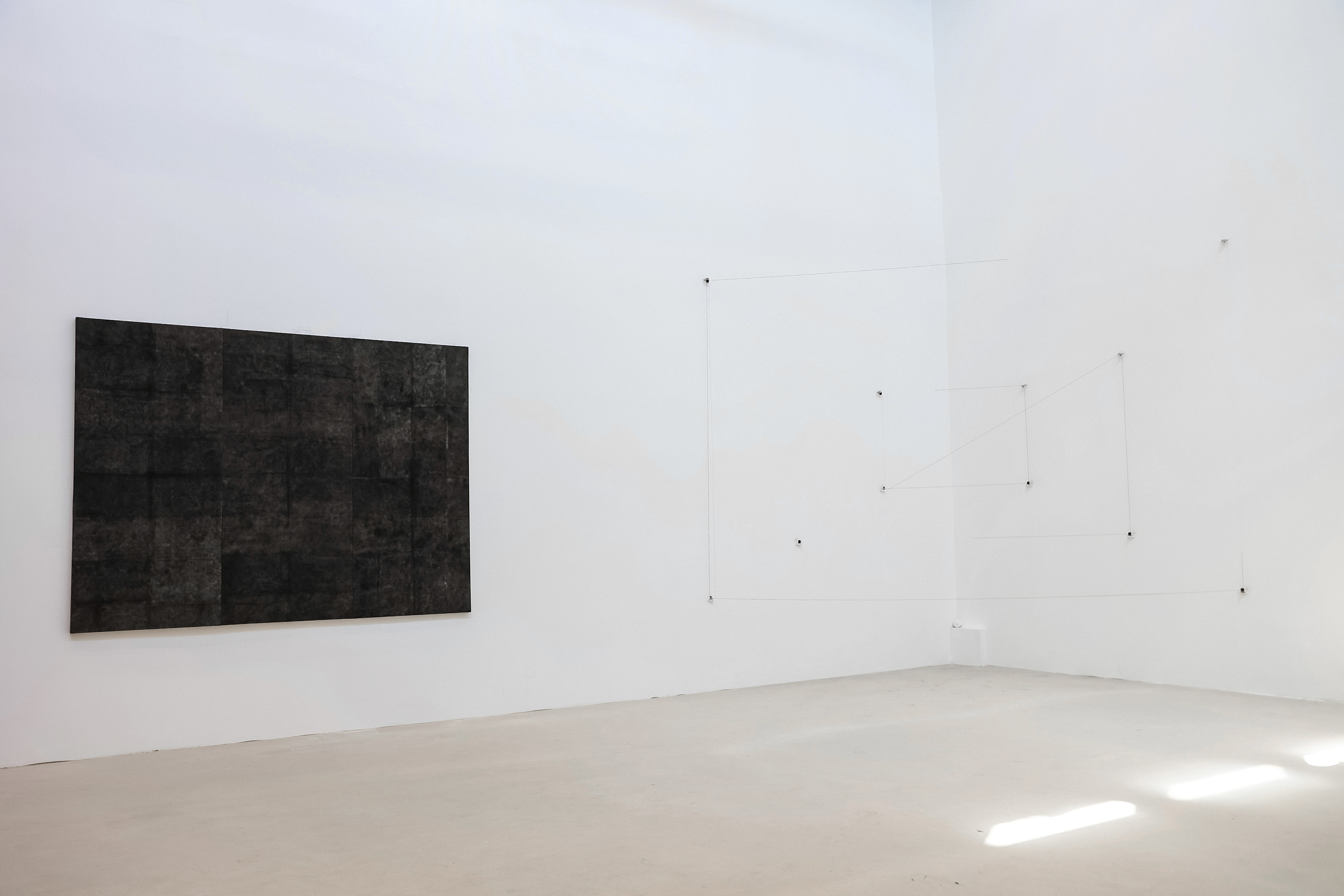
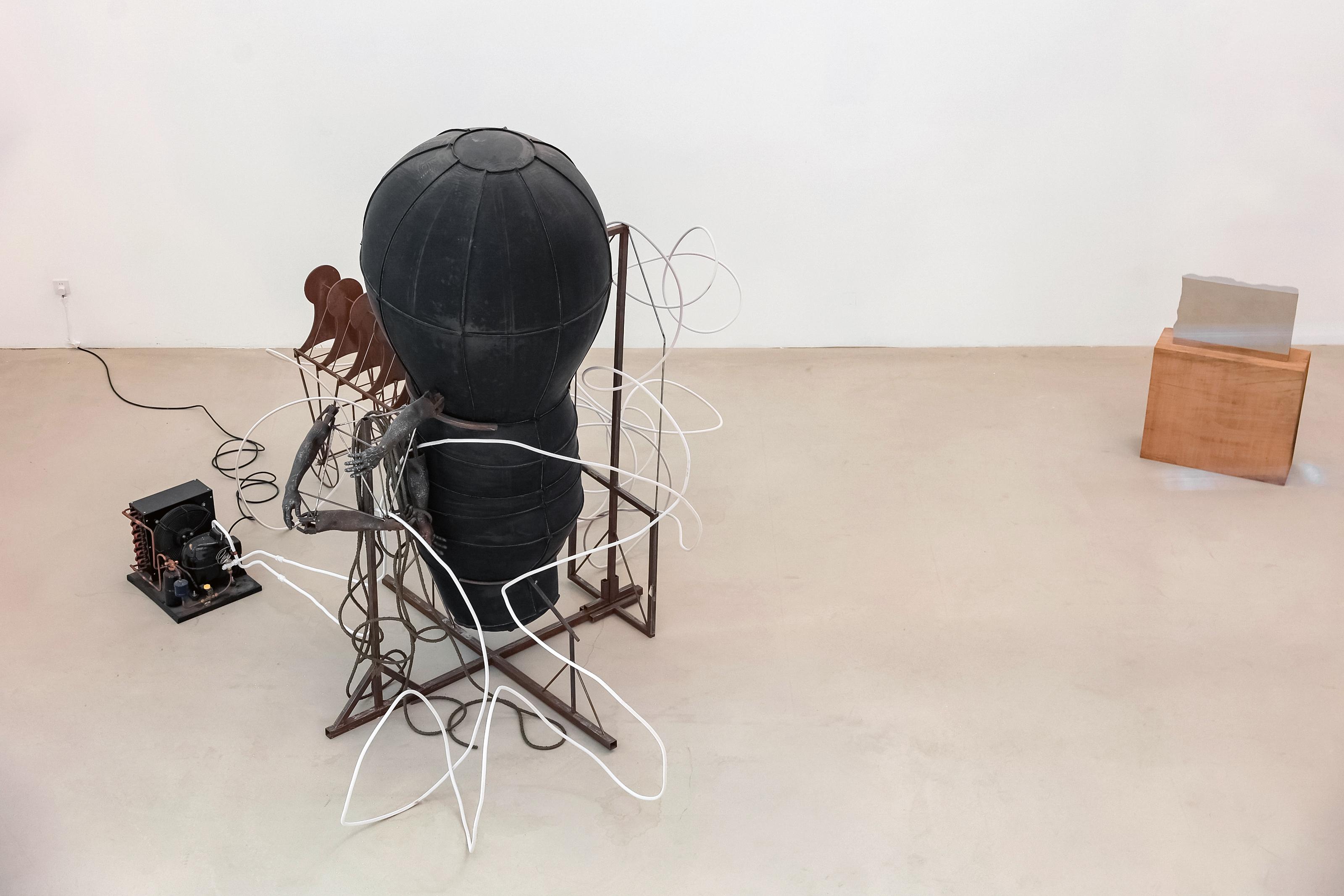
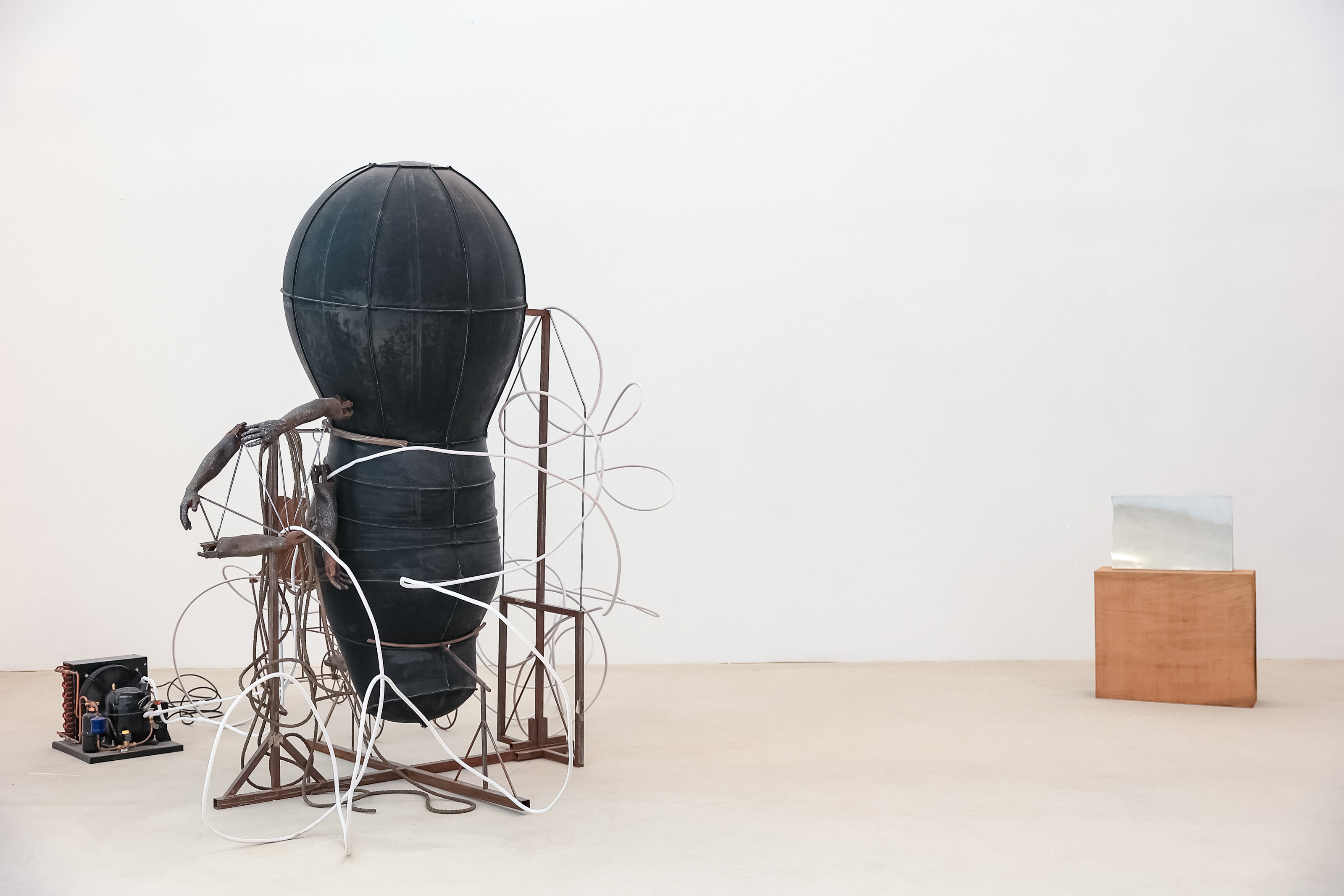
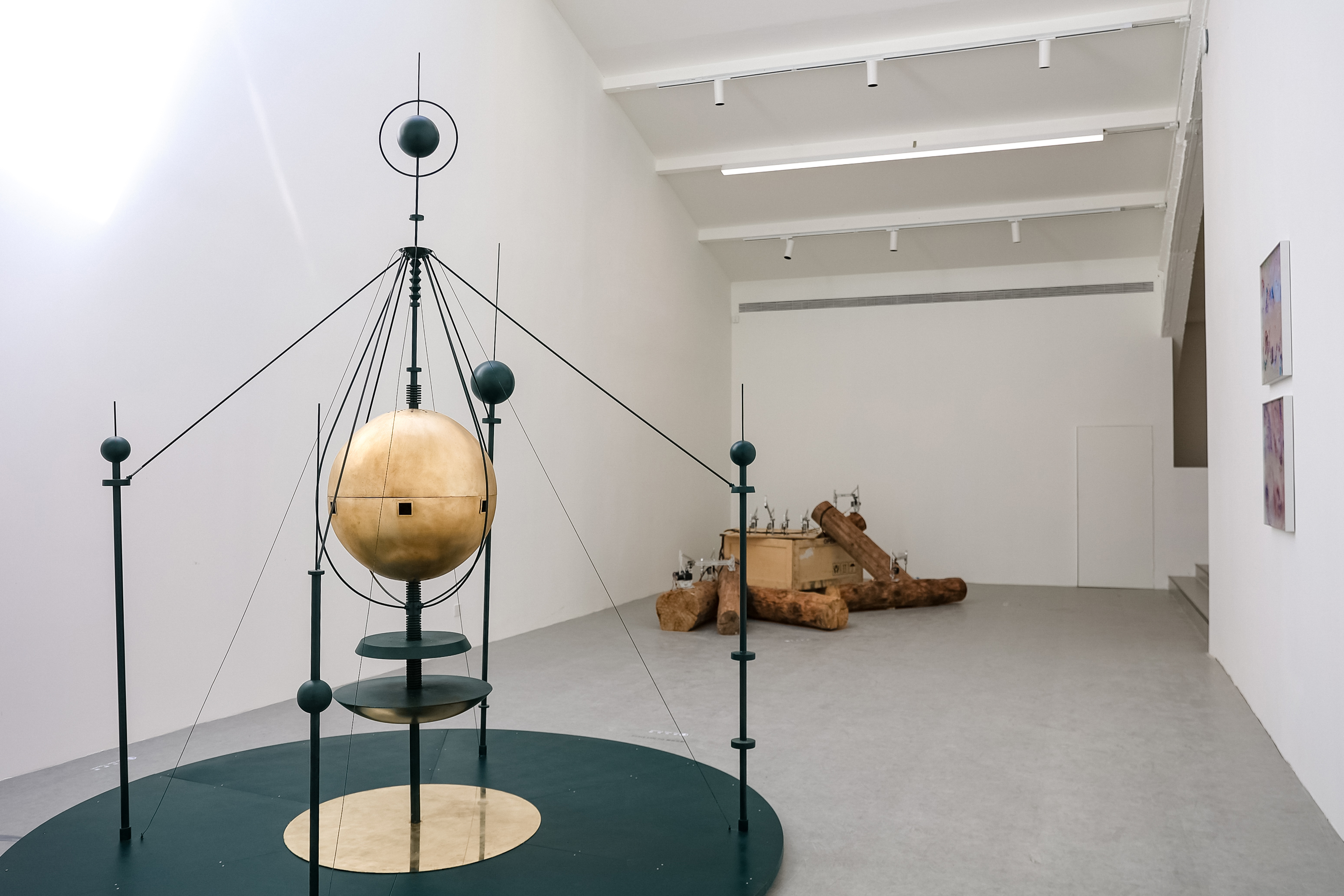
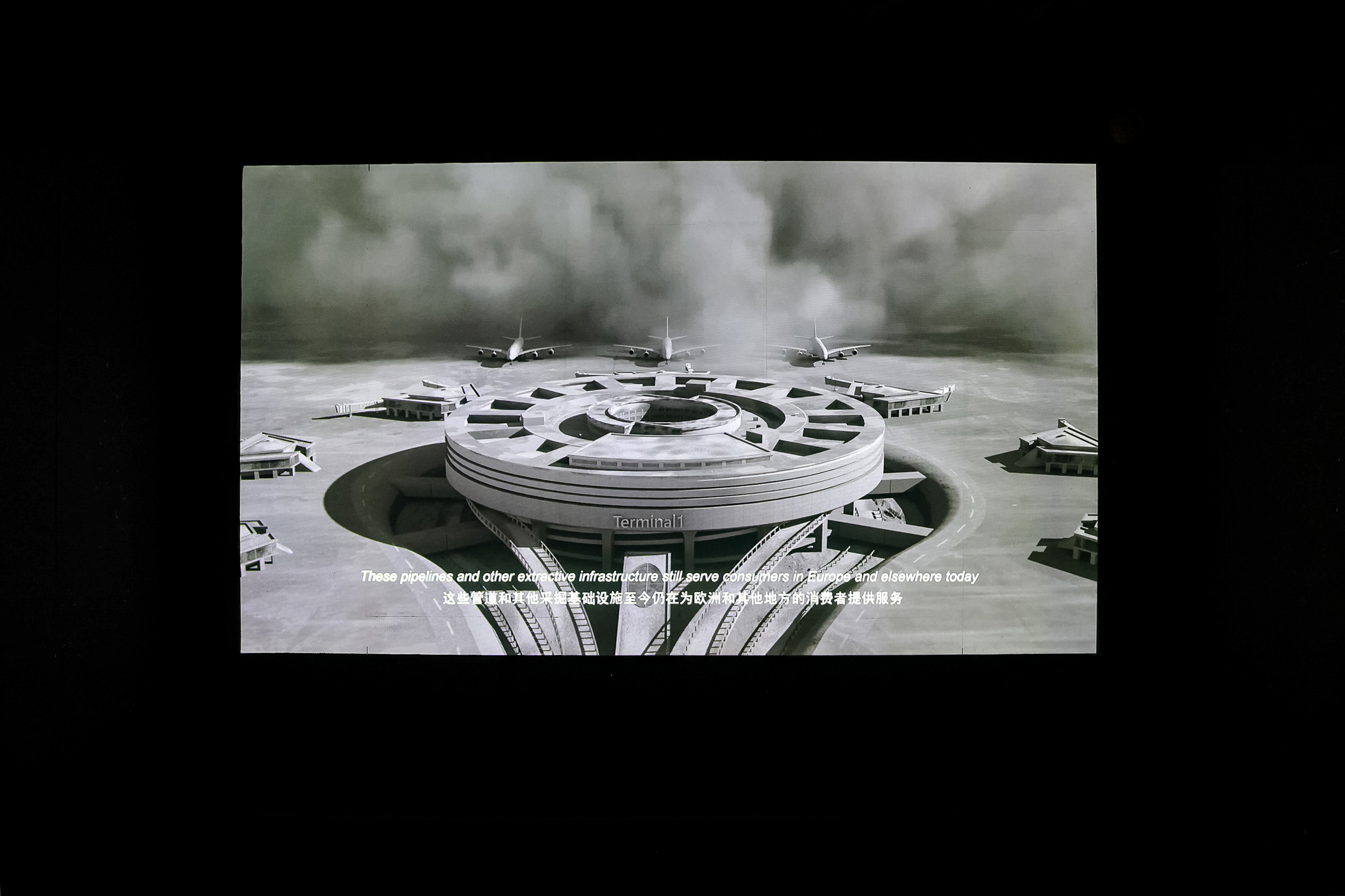
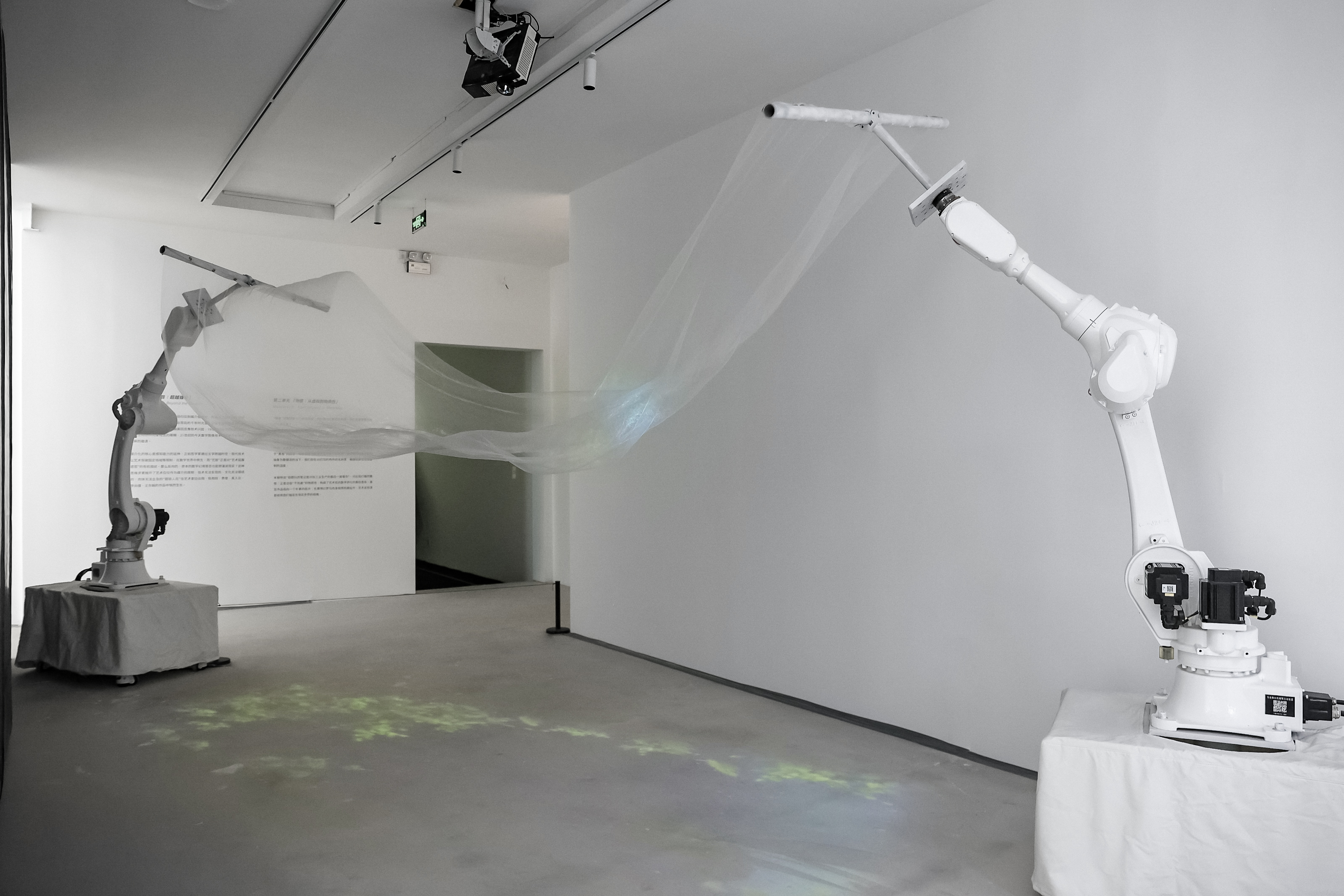
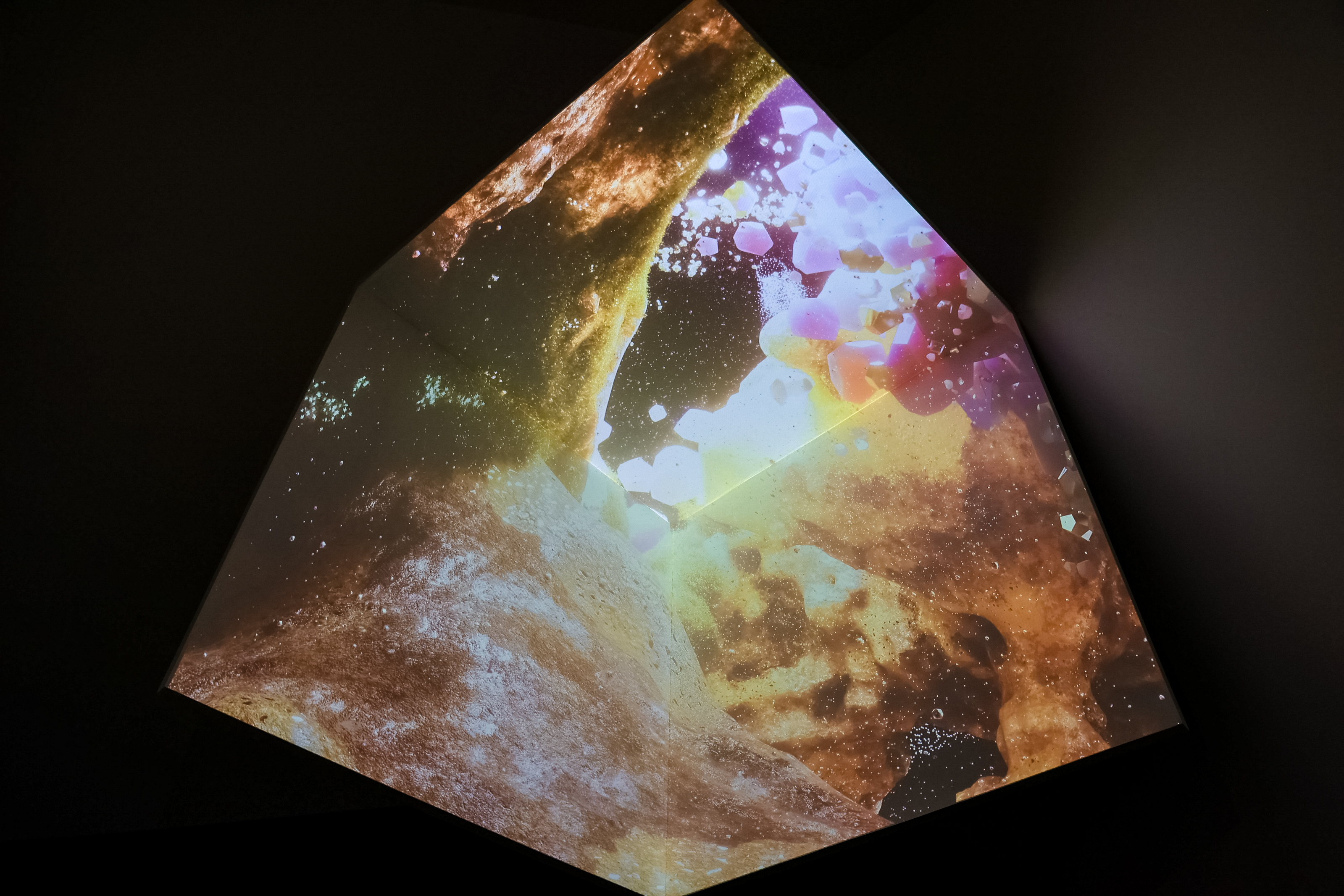
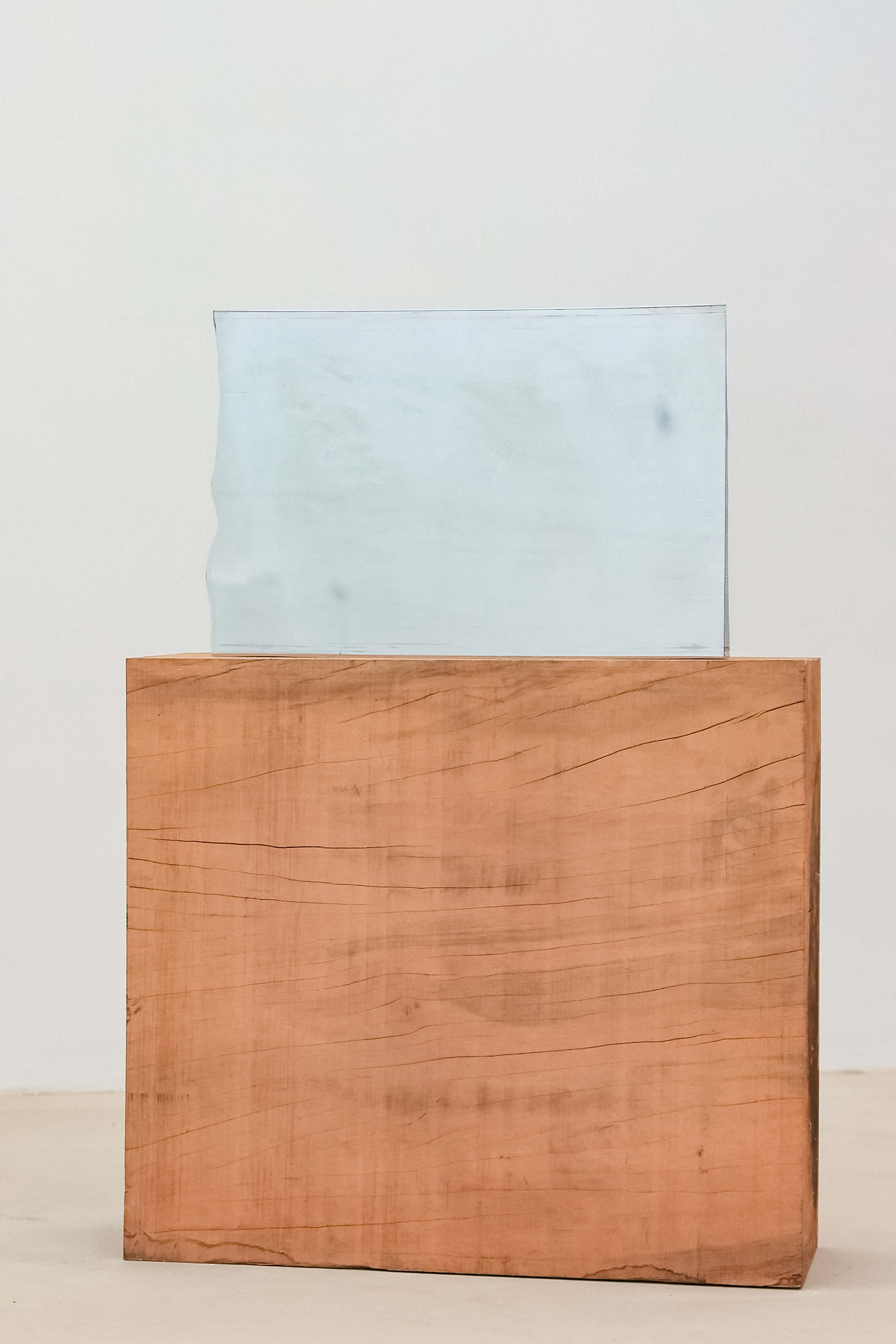
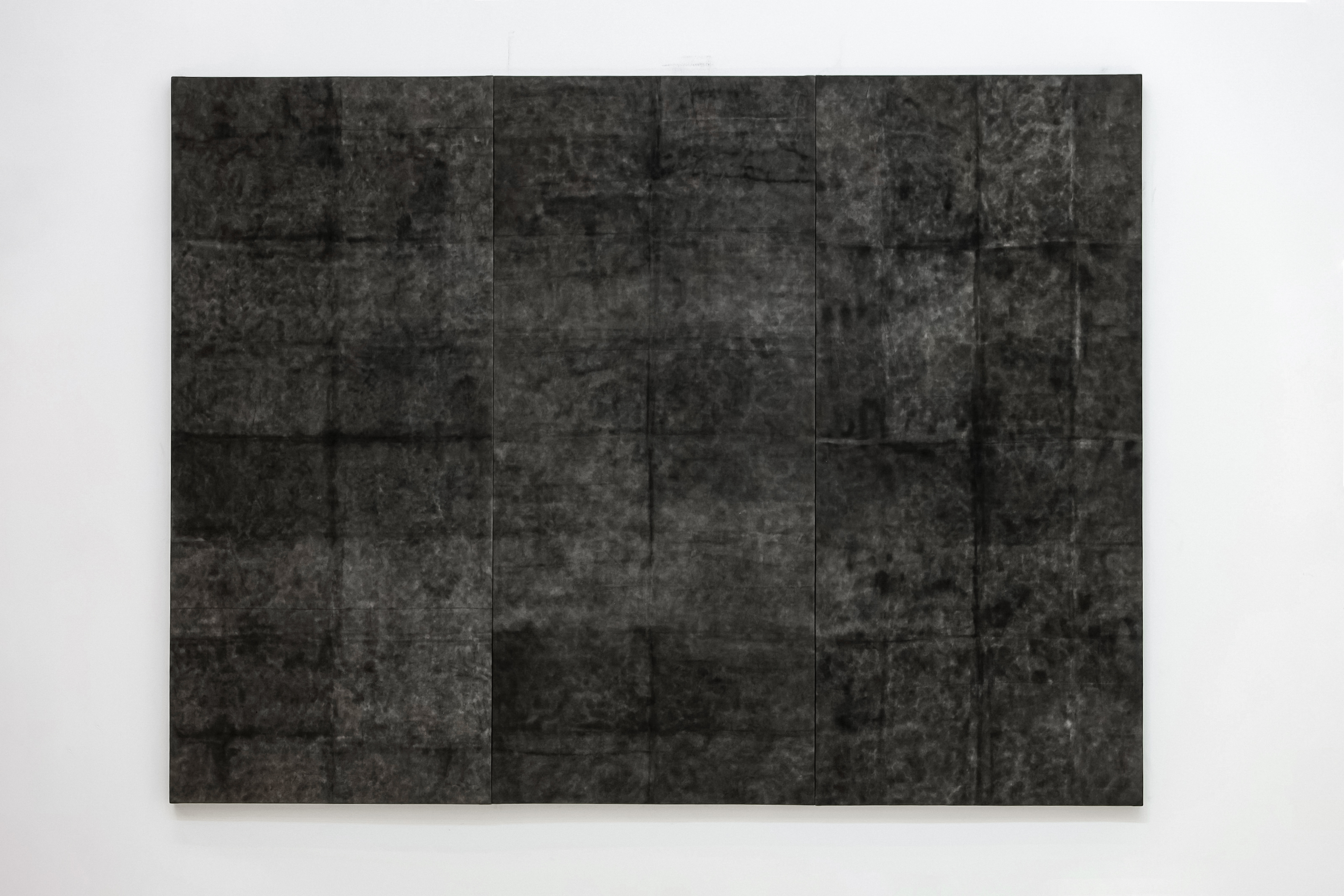
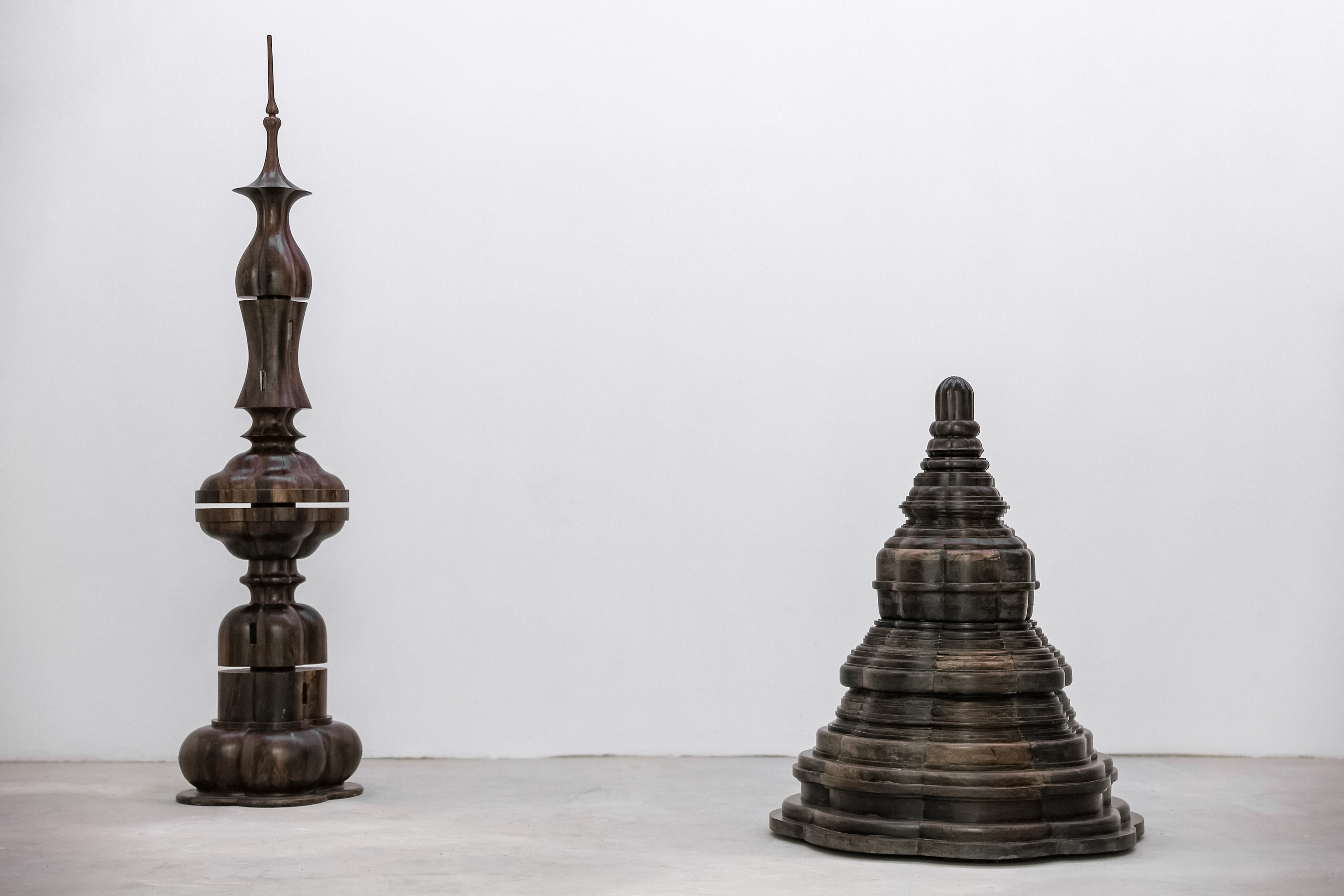
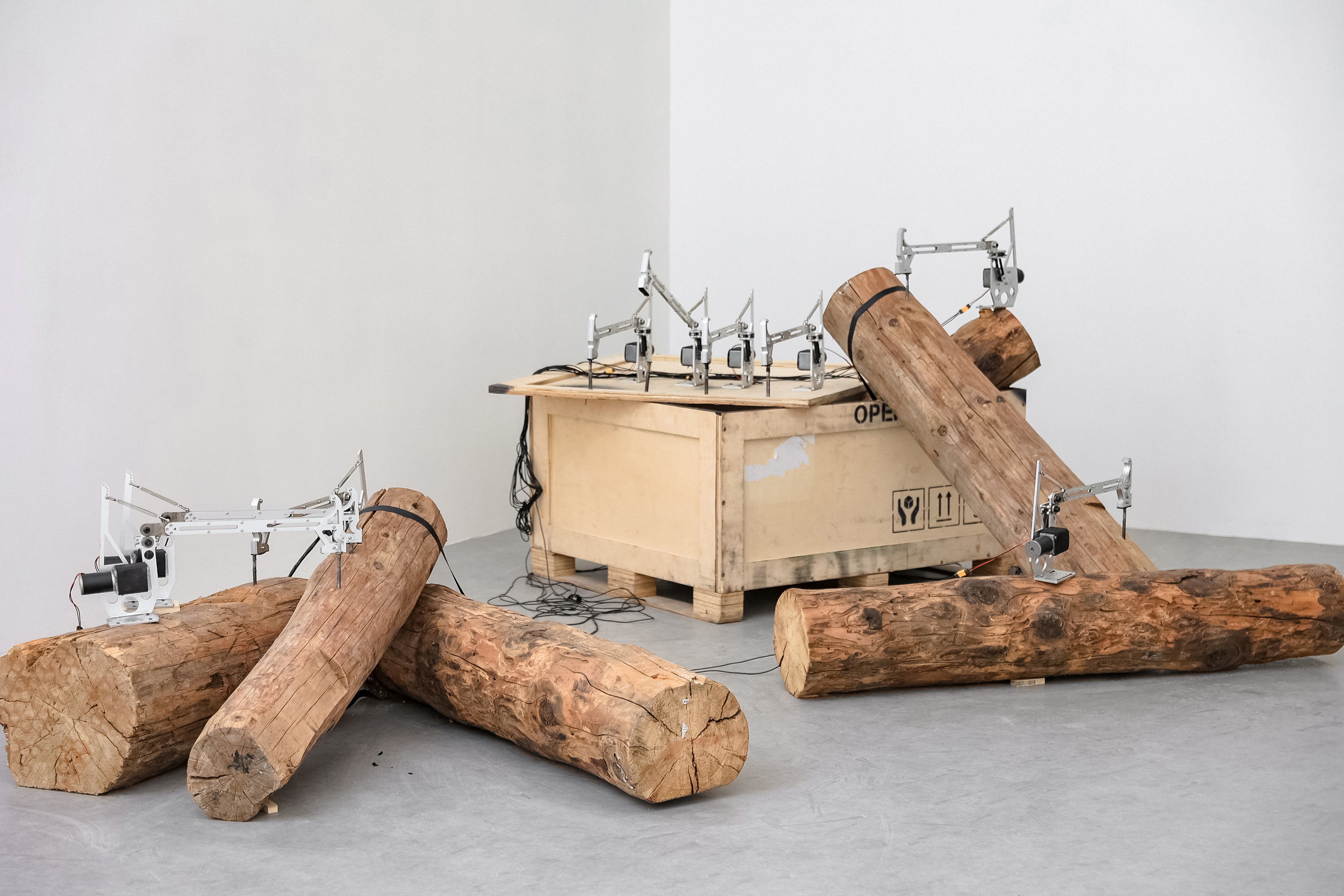
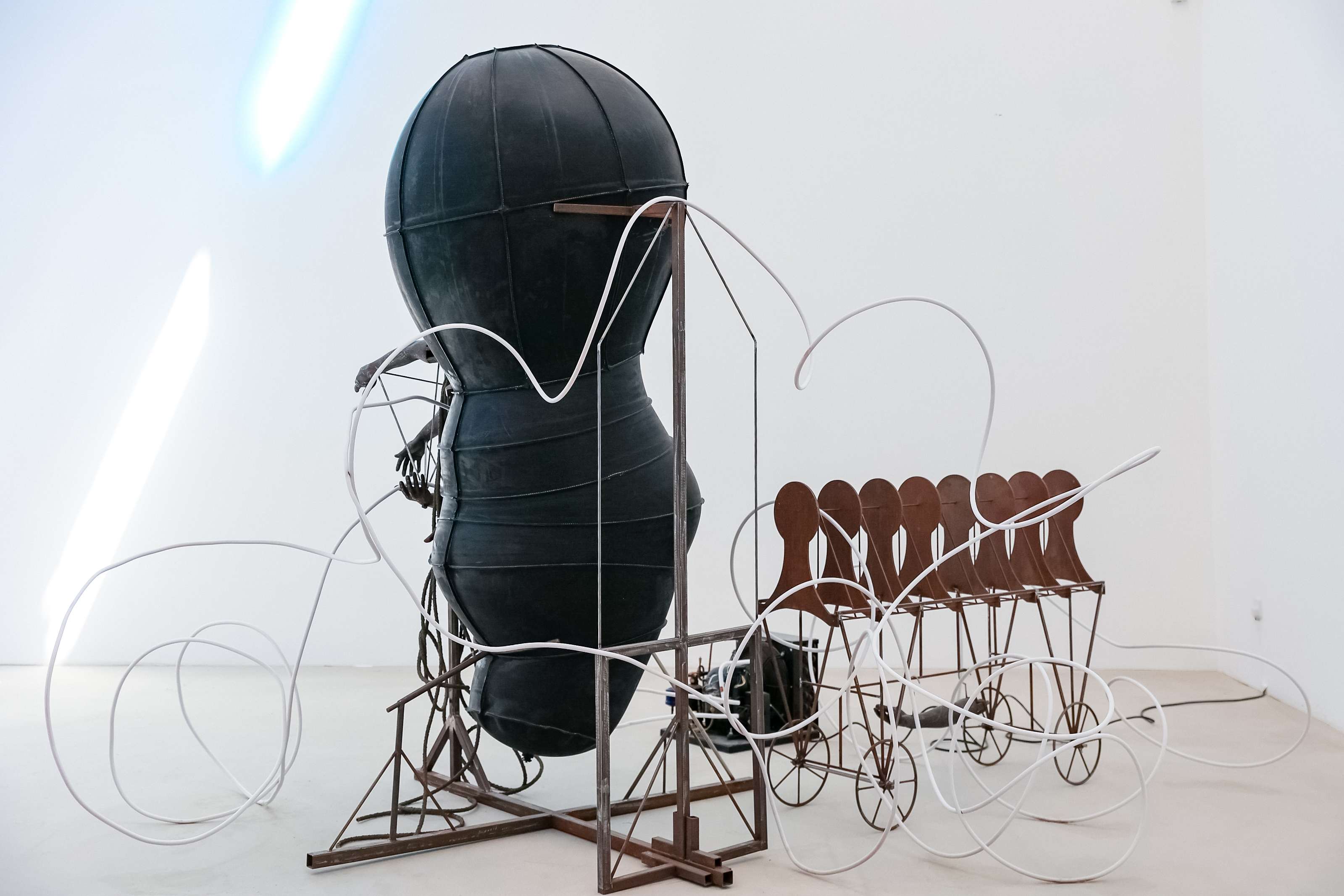
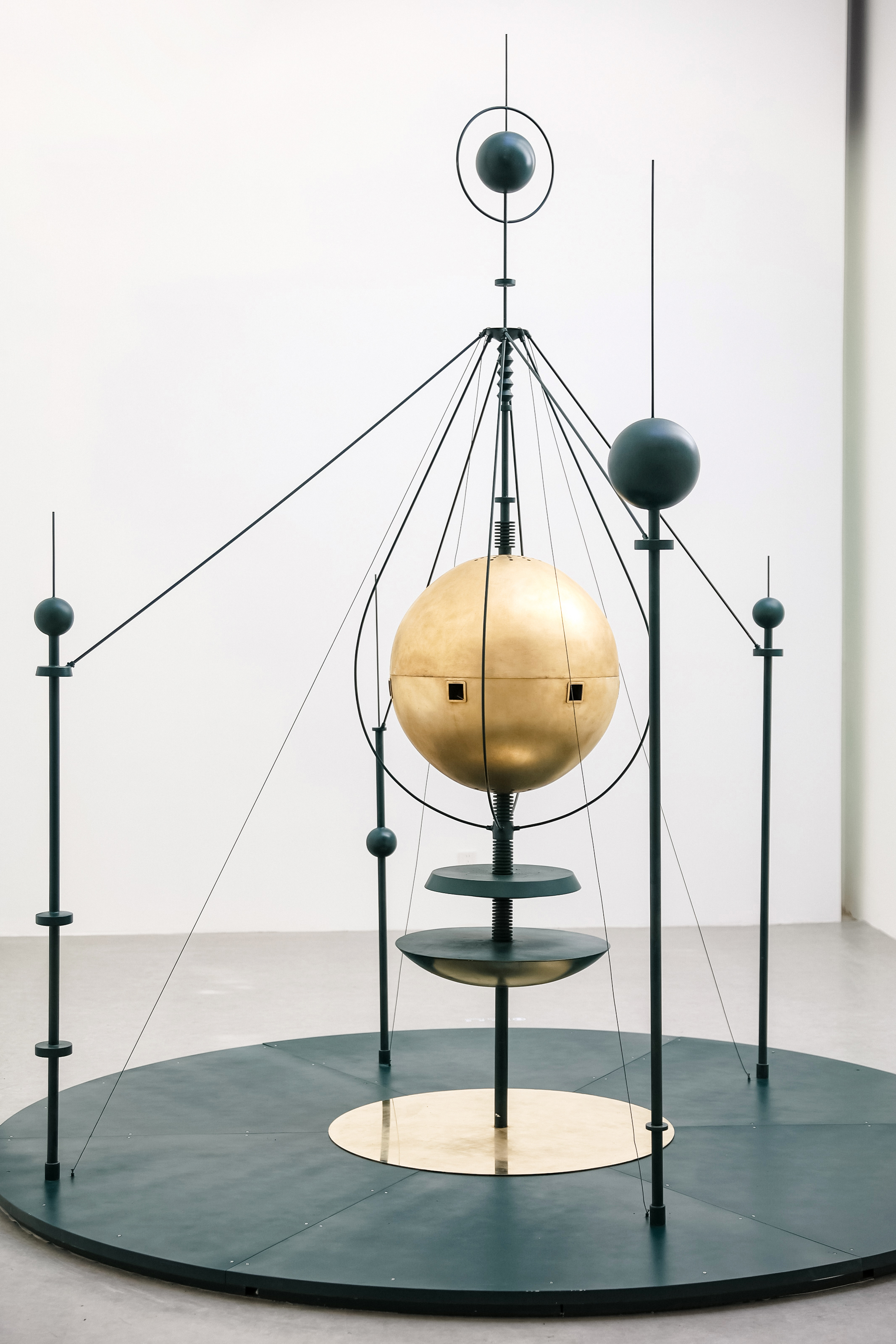
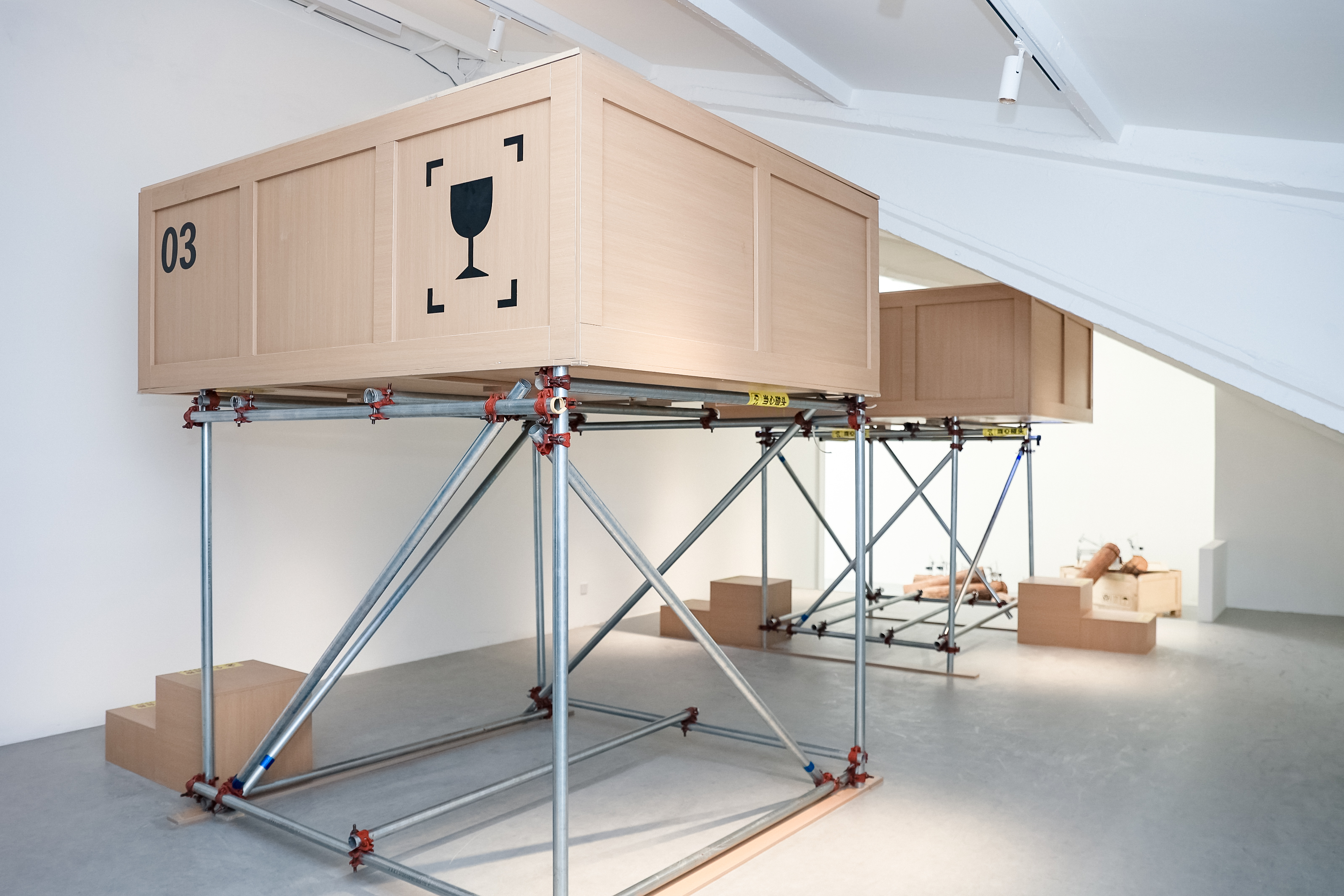
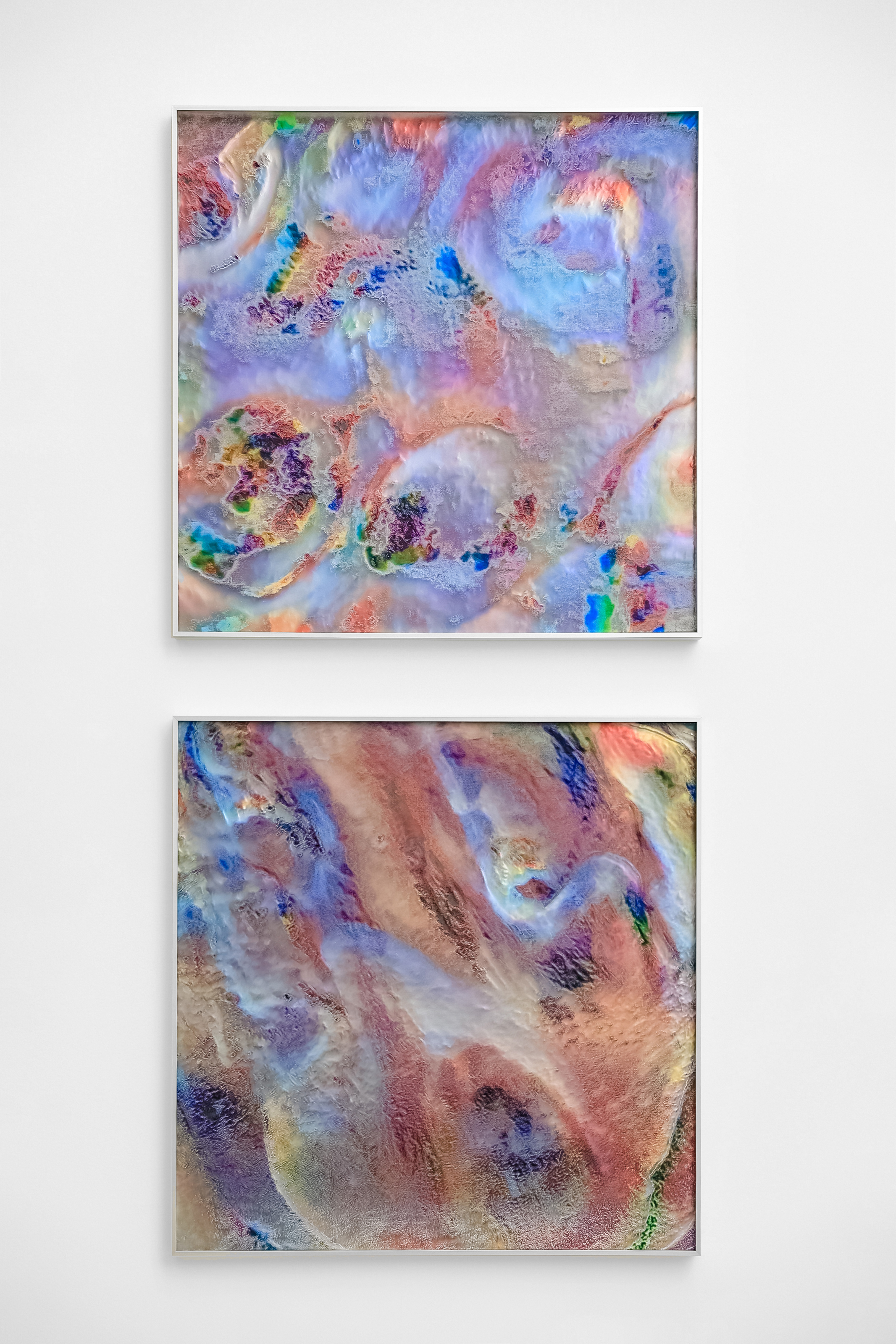
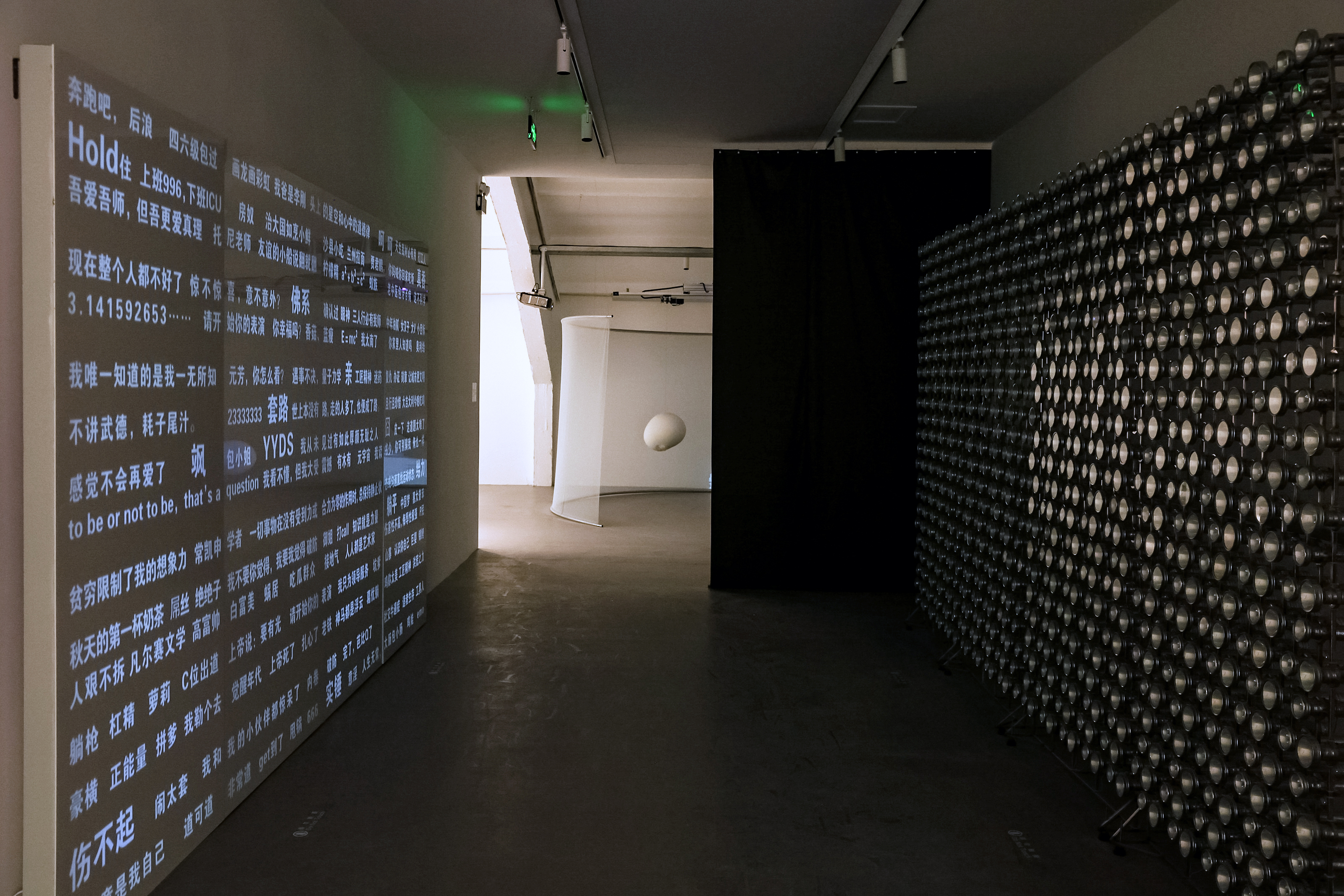
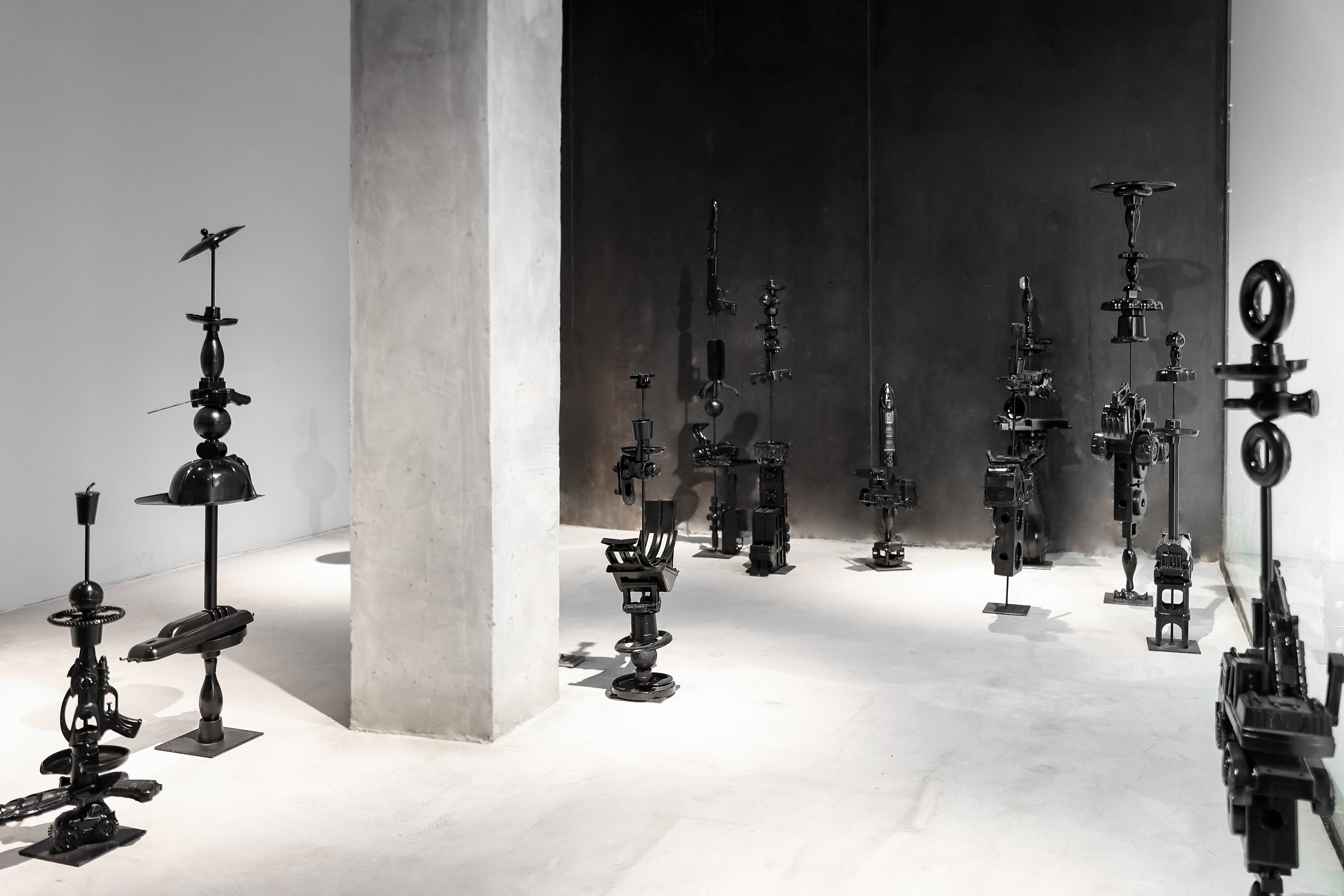
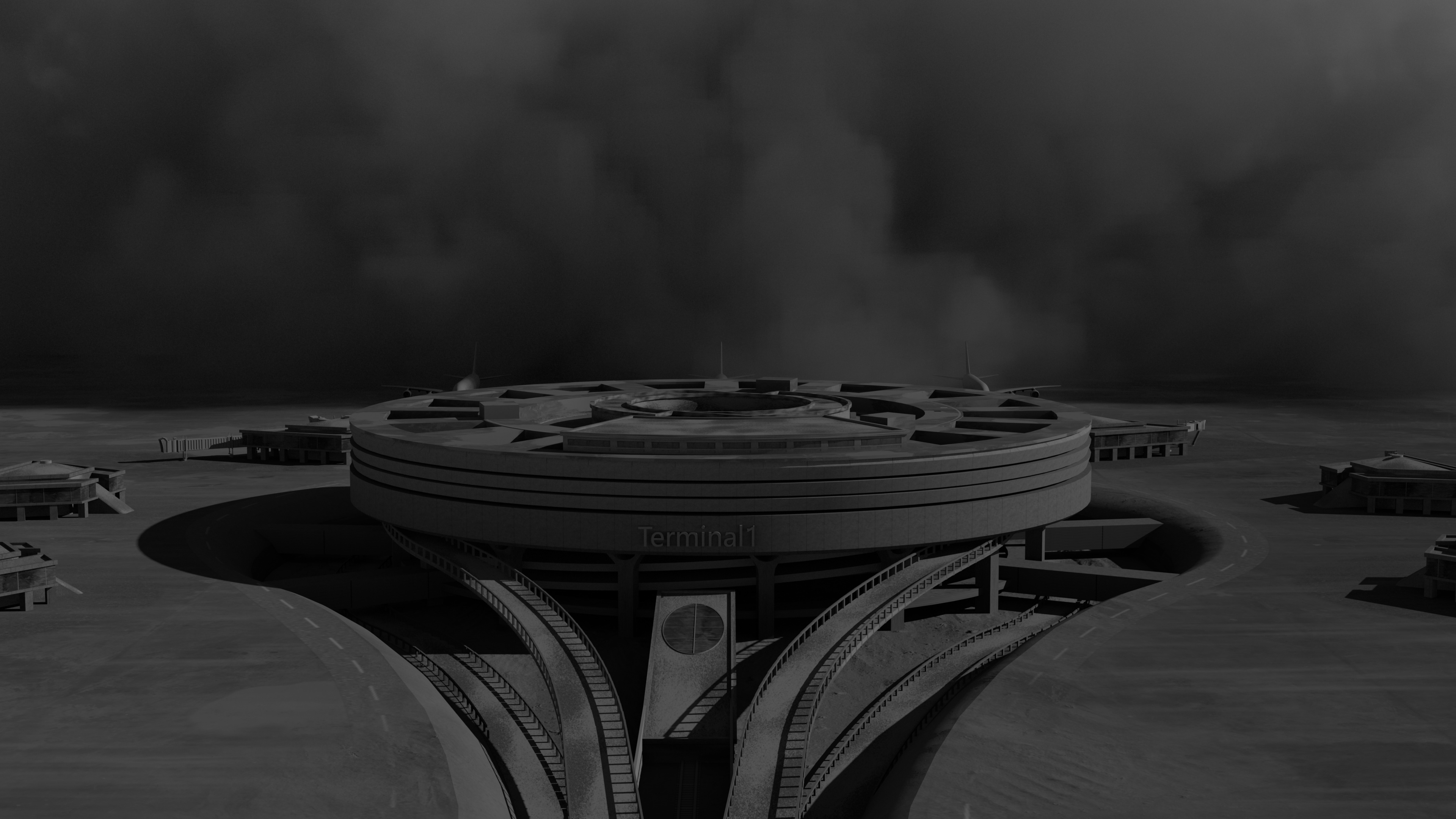
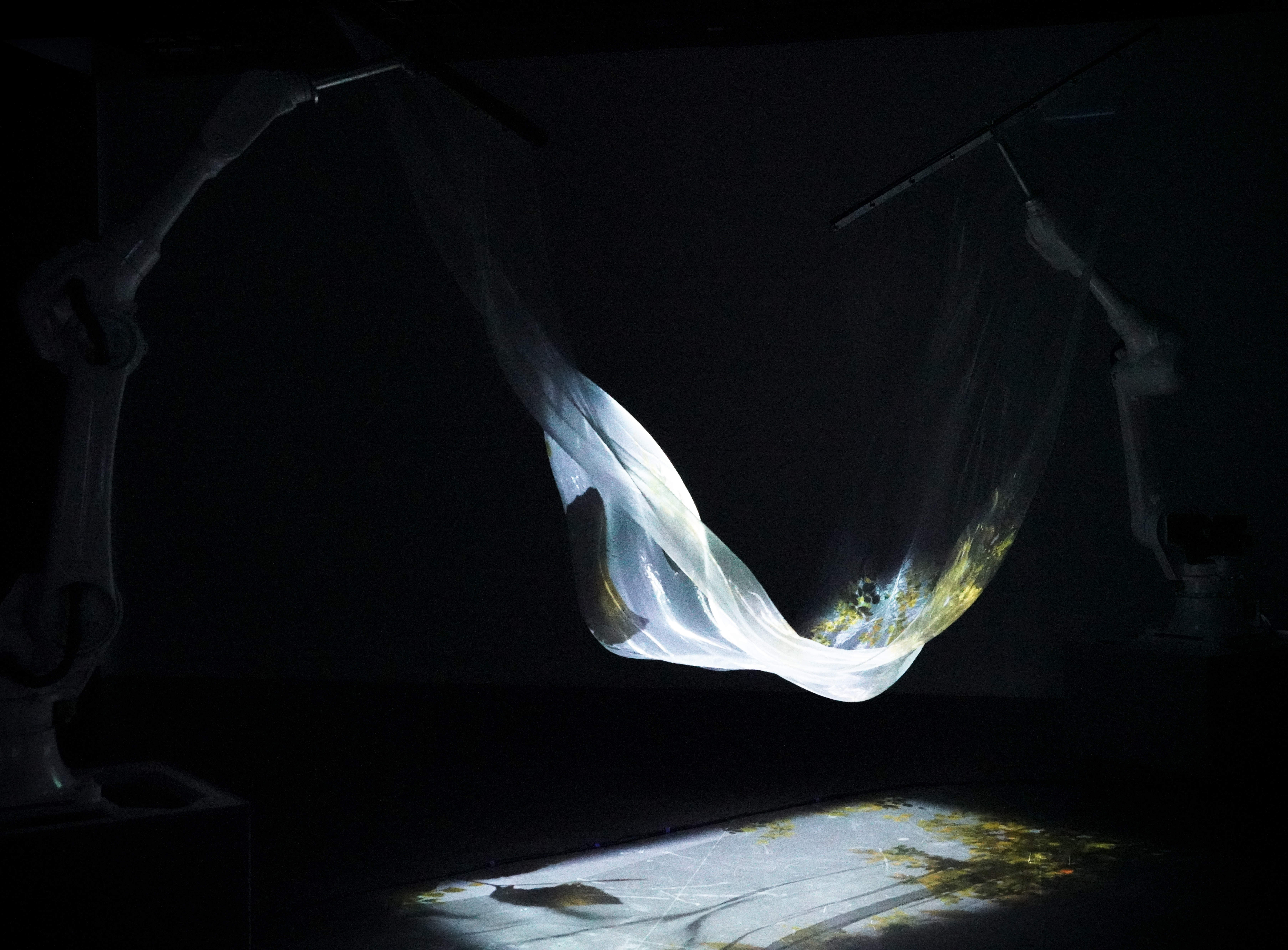
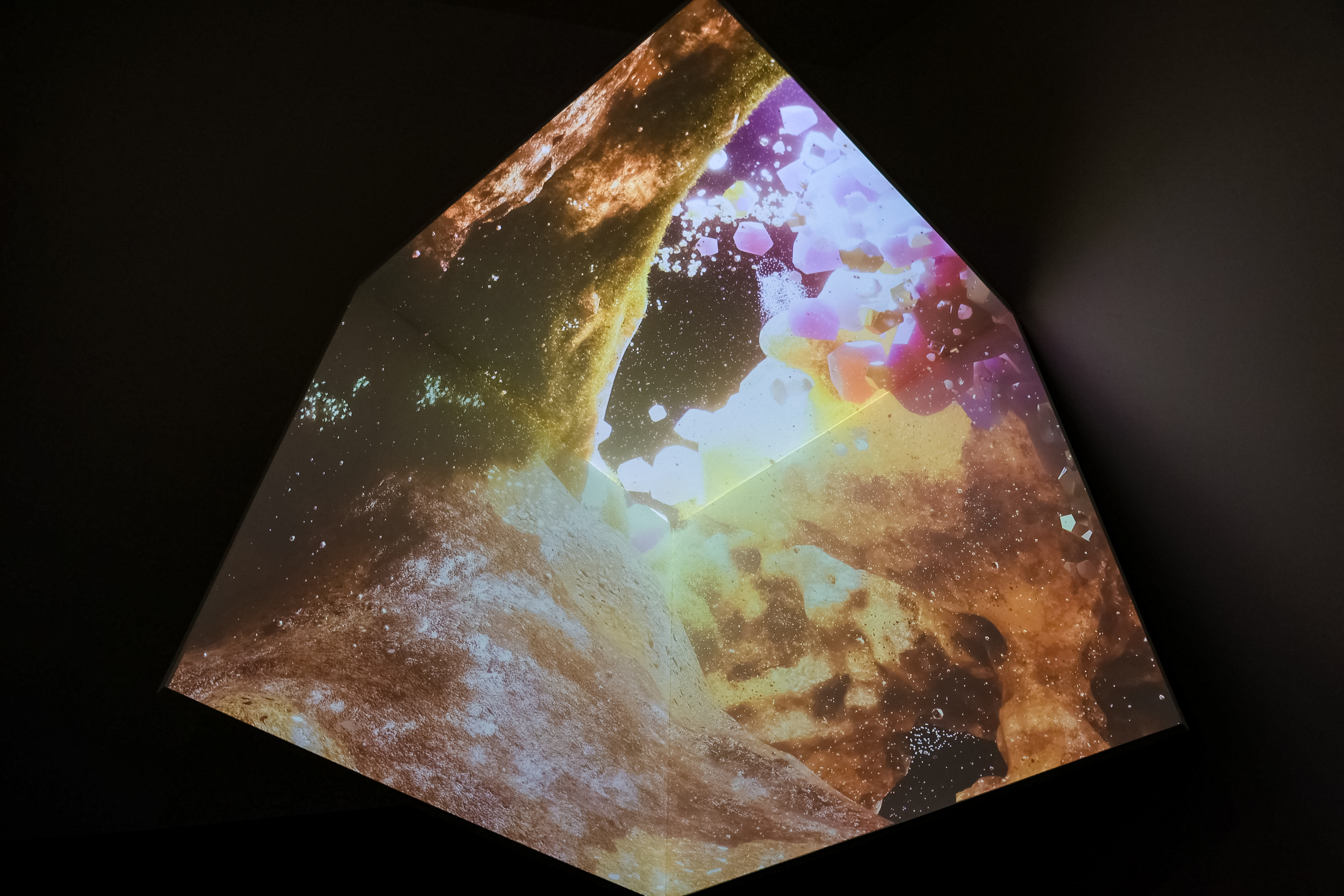
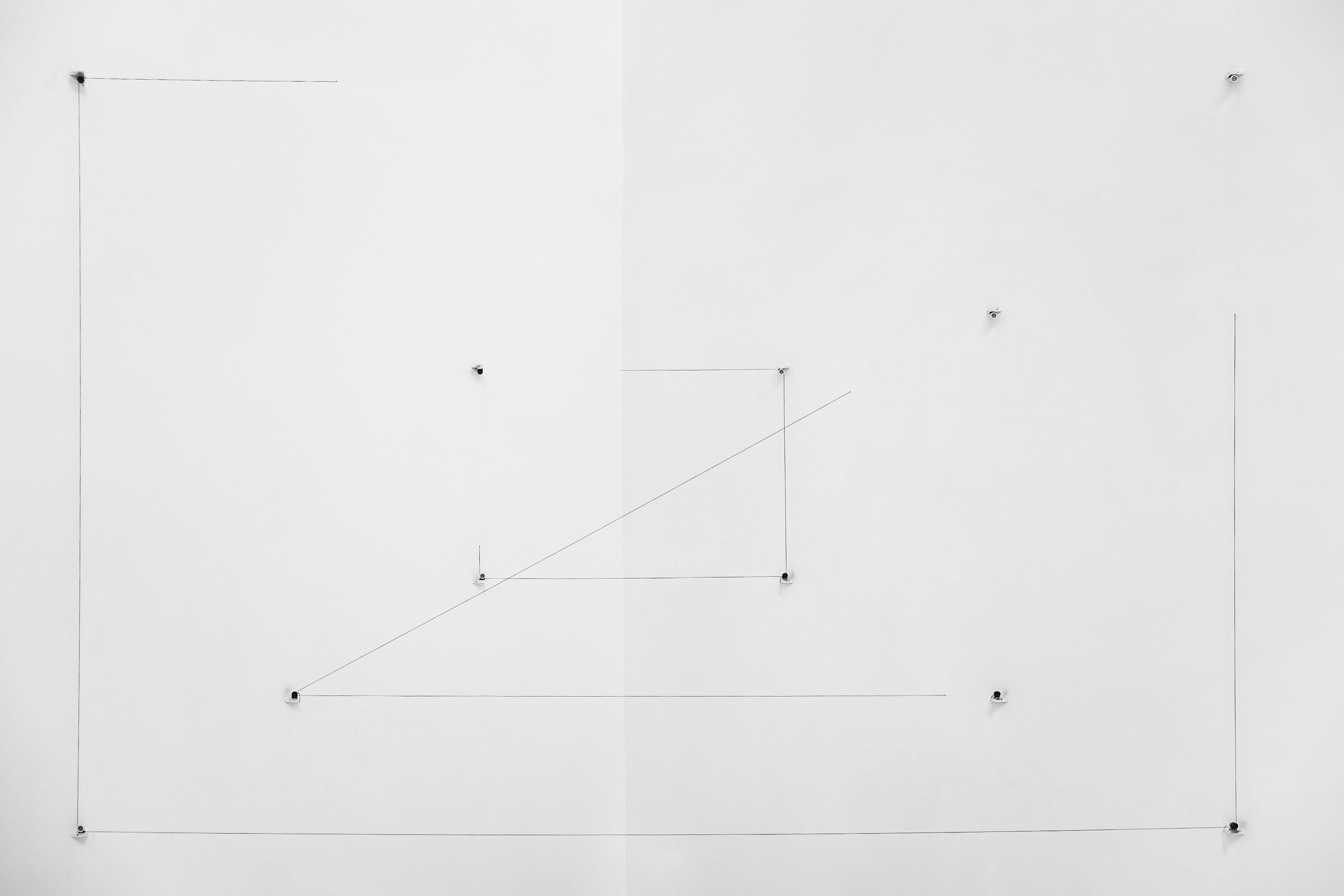
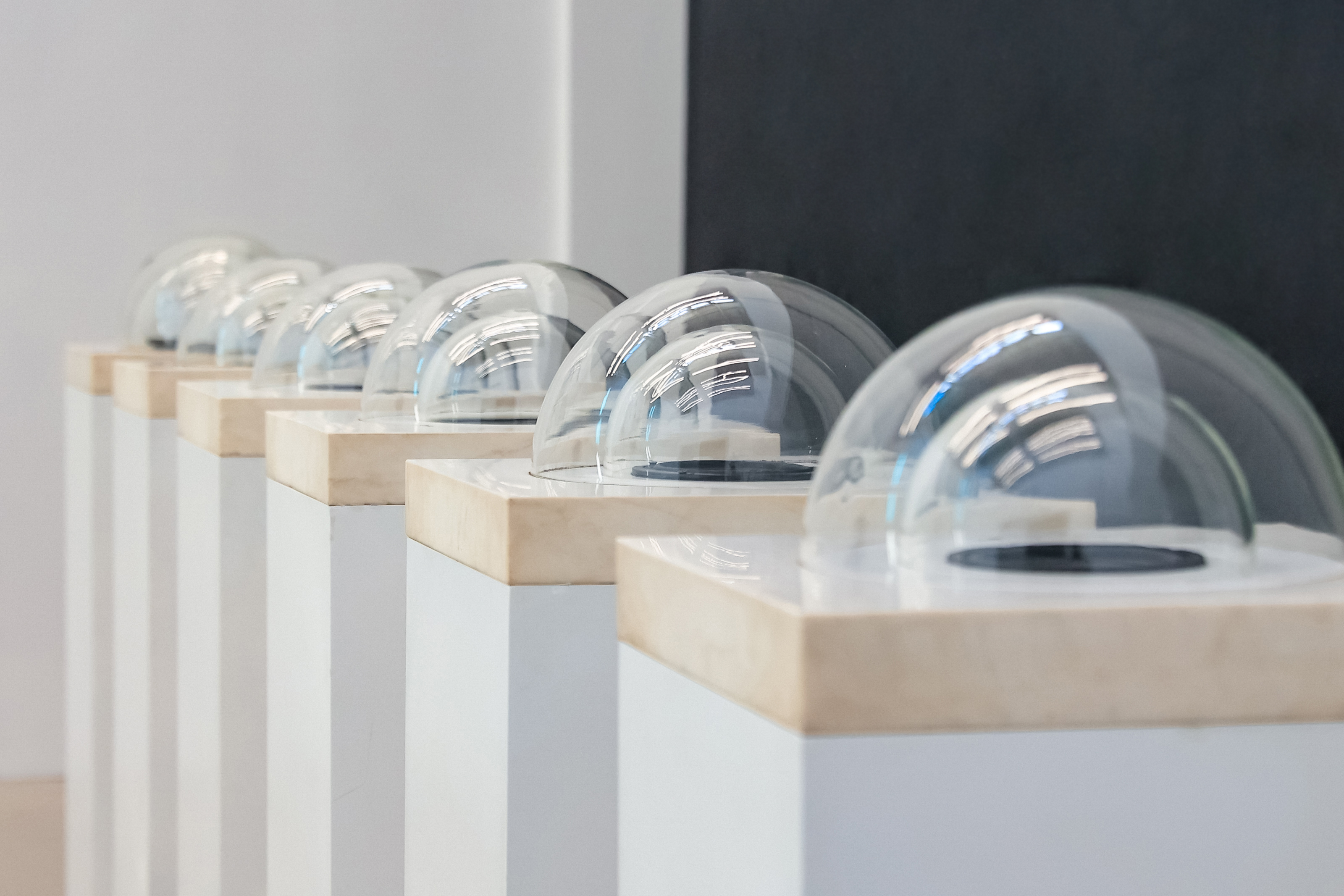
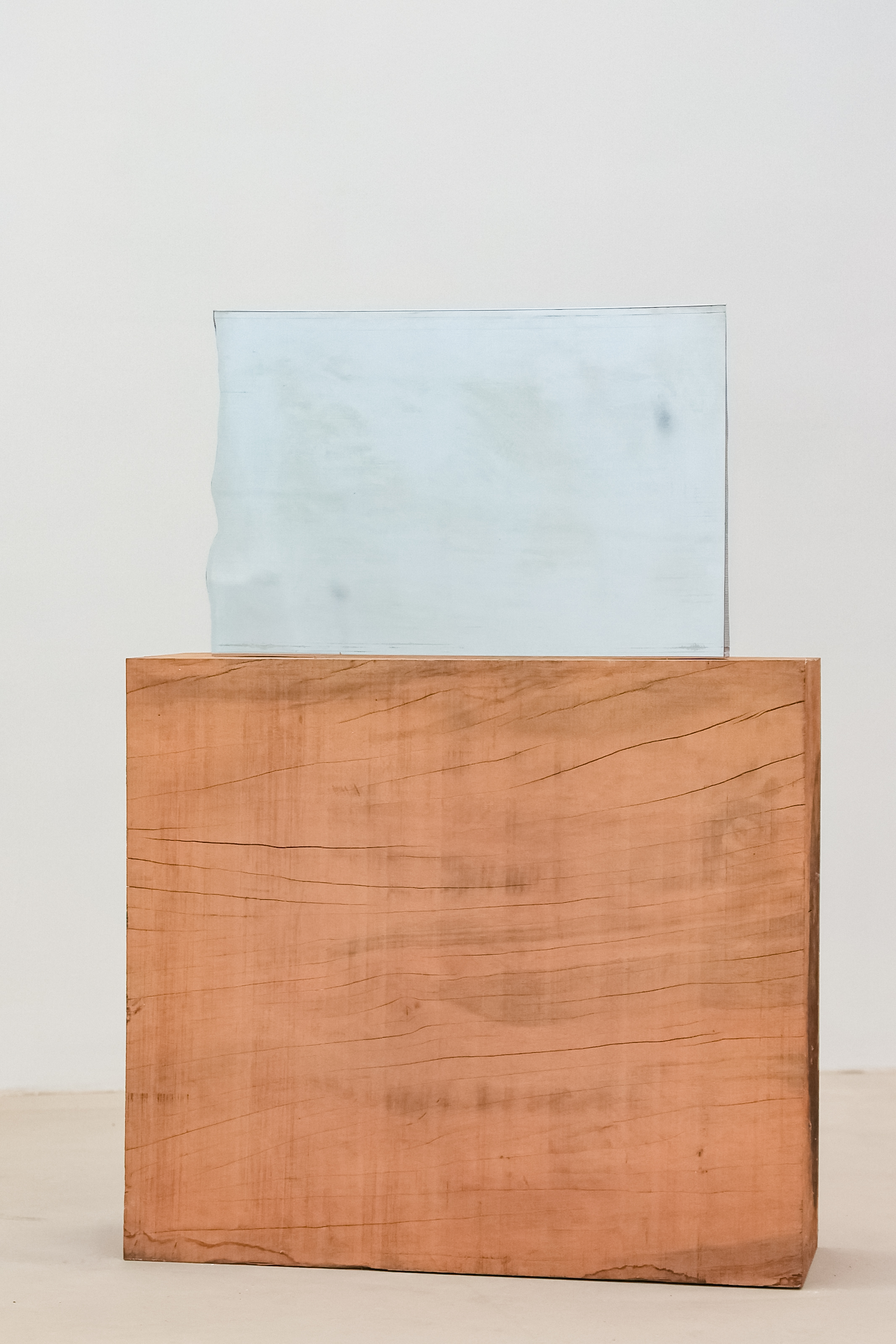
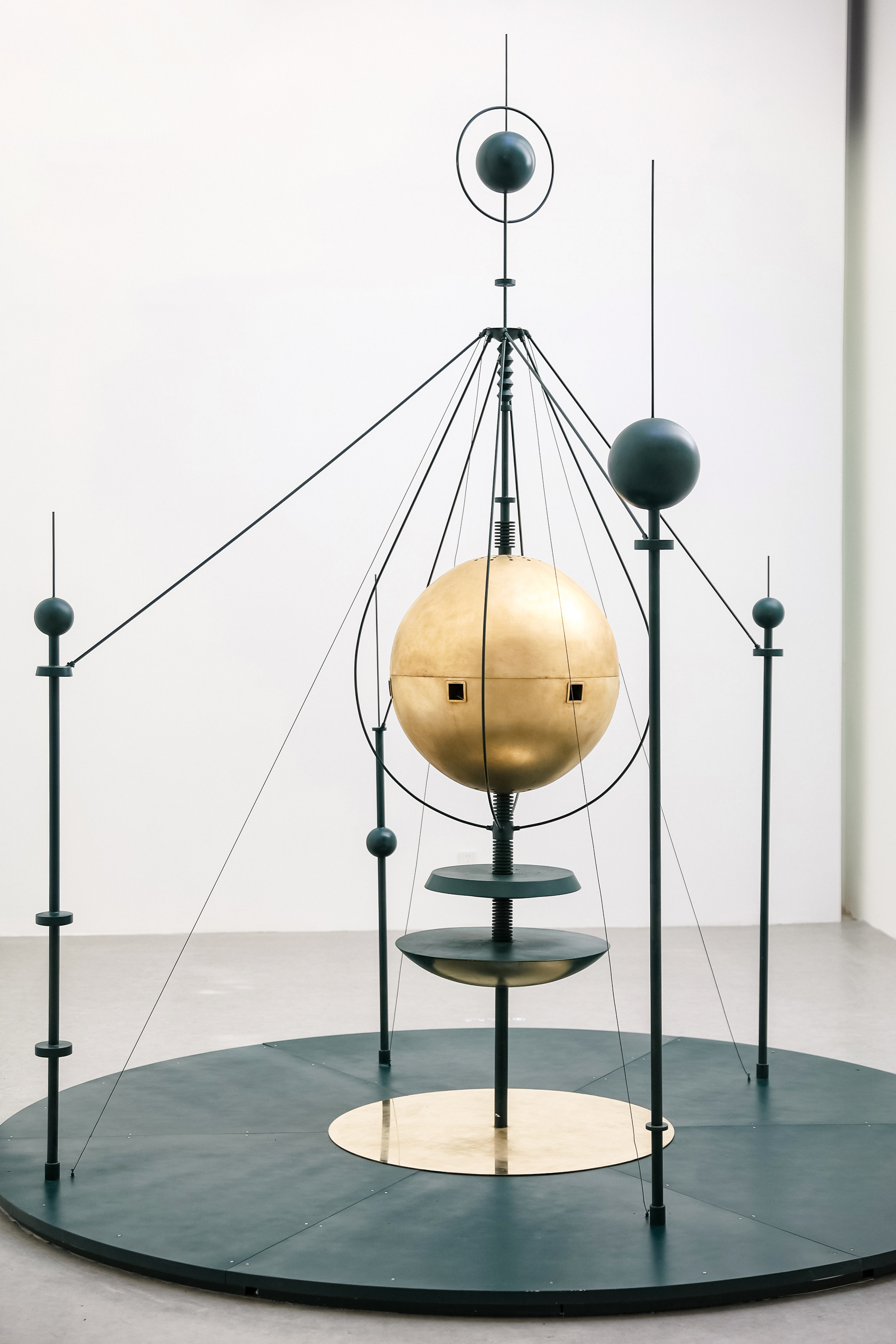
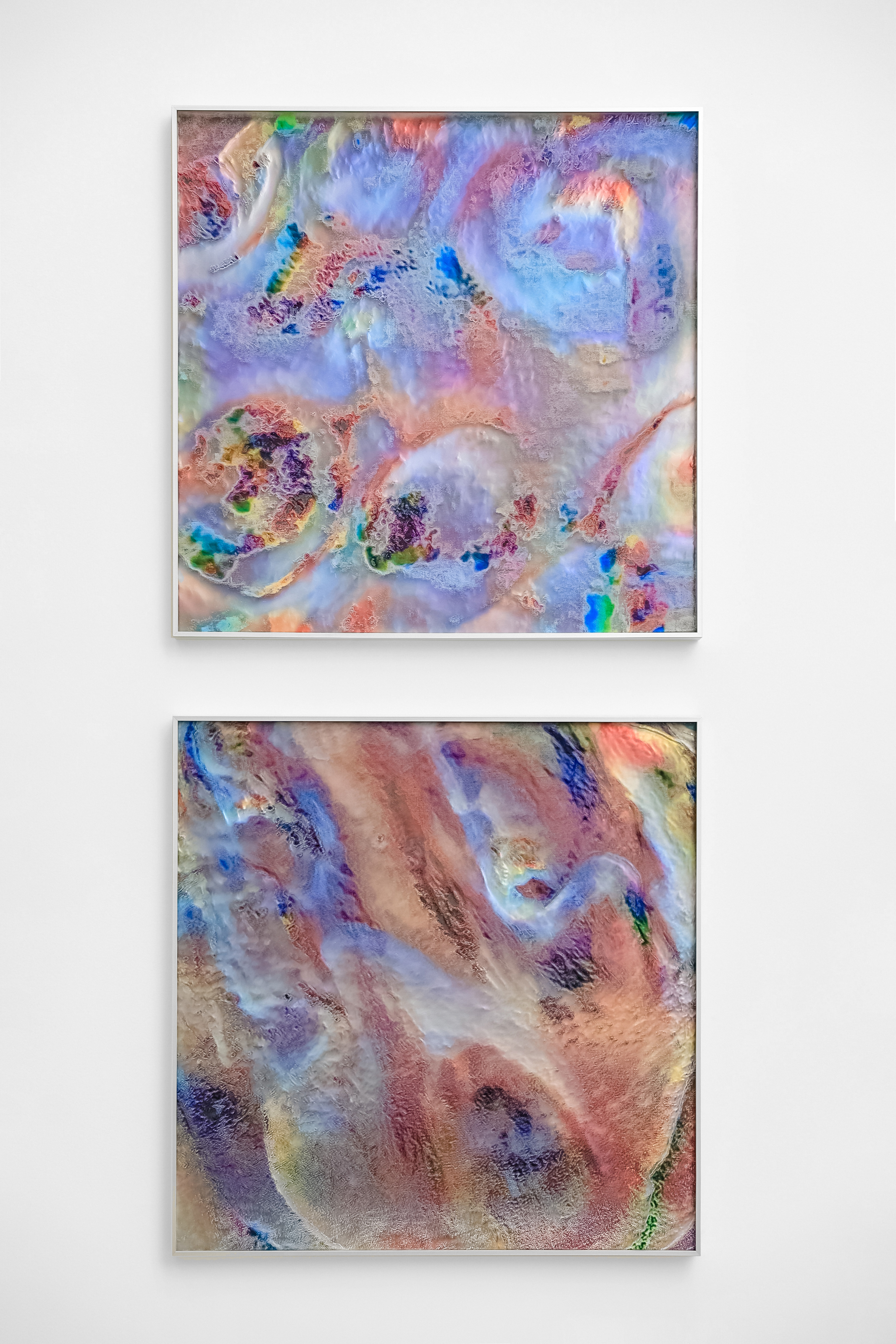
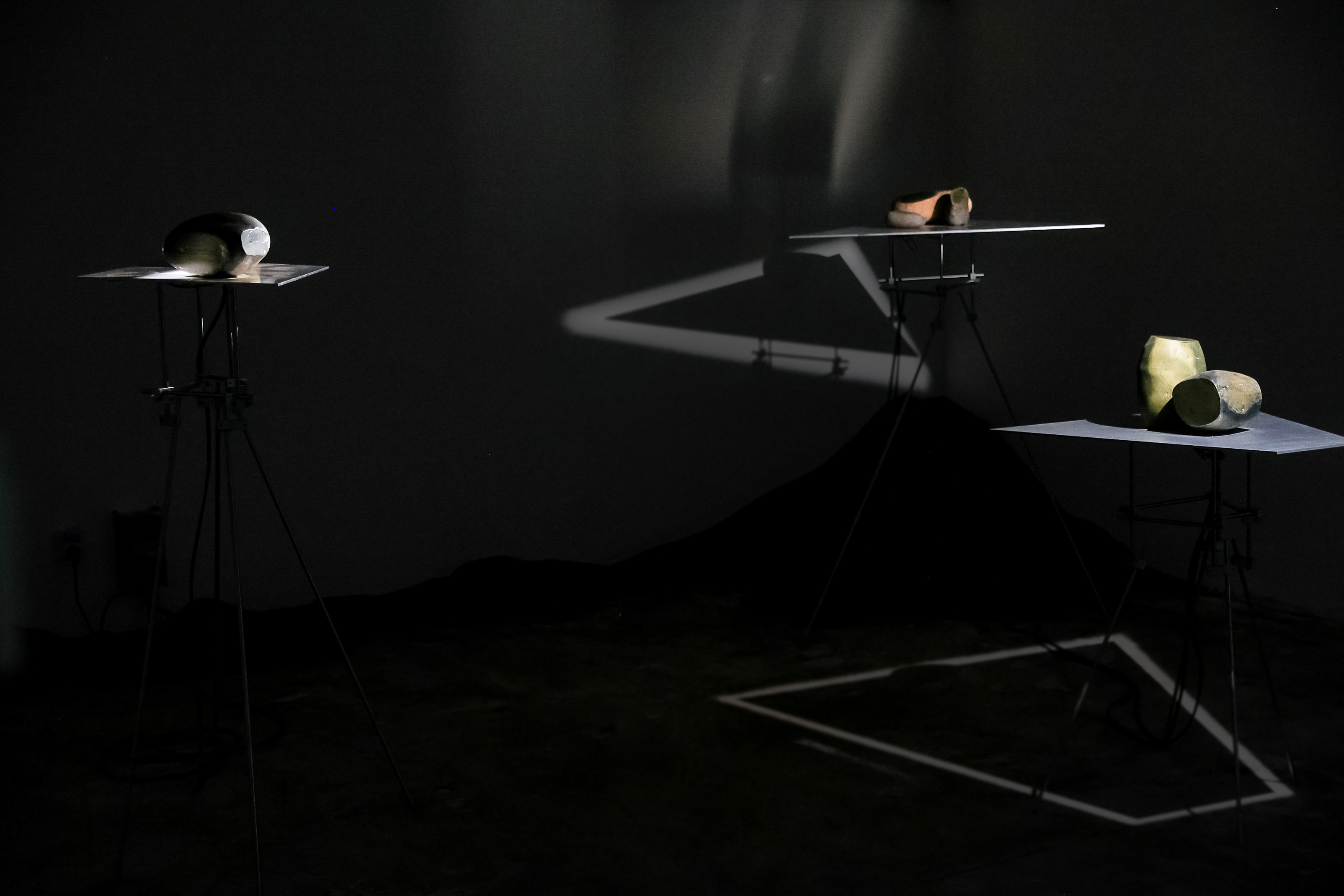
The exhibition features installations, video works, sculptures, mixed-media paintings, and other forms, each corresponds to the dynamically shifting subjects of thought inherent within the artist. Together, they compose a multi-act theatre of shifting diurnal and nocturnal rhythms. Each repeated gaze within the exhibition space echoes Deleuze’s response to Nietzsche’s eternal recurrence in Difference and Repetition. Perhaps it is the tens of thousands of swipes across smartphone screens that disturb the spacetime of difference, anchoring your footsteps and gaze in this very moment. We become each other through intersections, just as art and technology mutually reshape one another, sparking new possibilities in their collisions.
By Gao Jiangbo