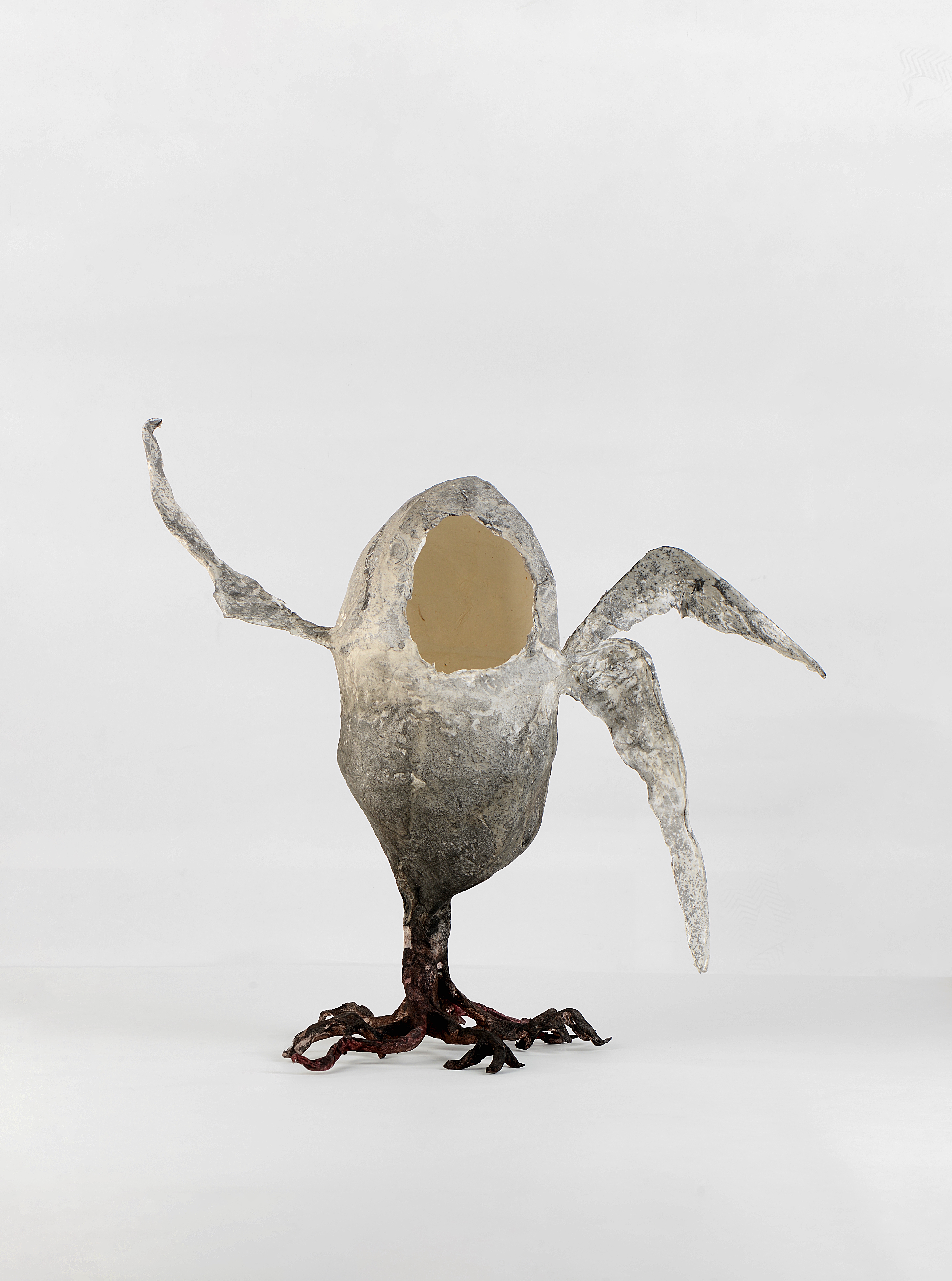
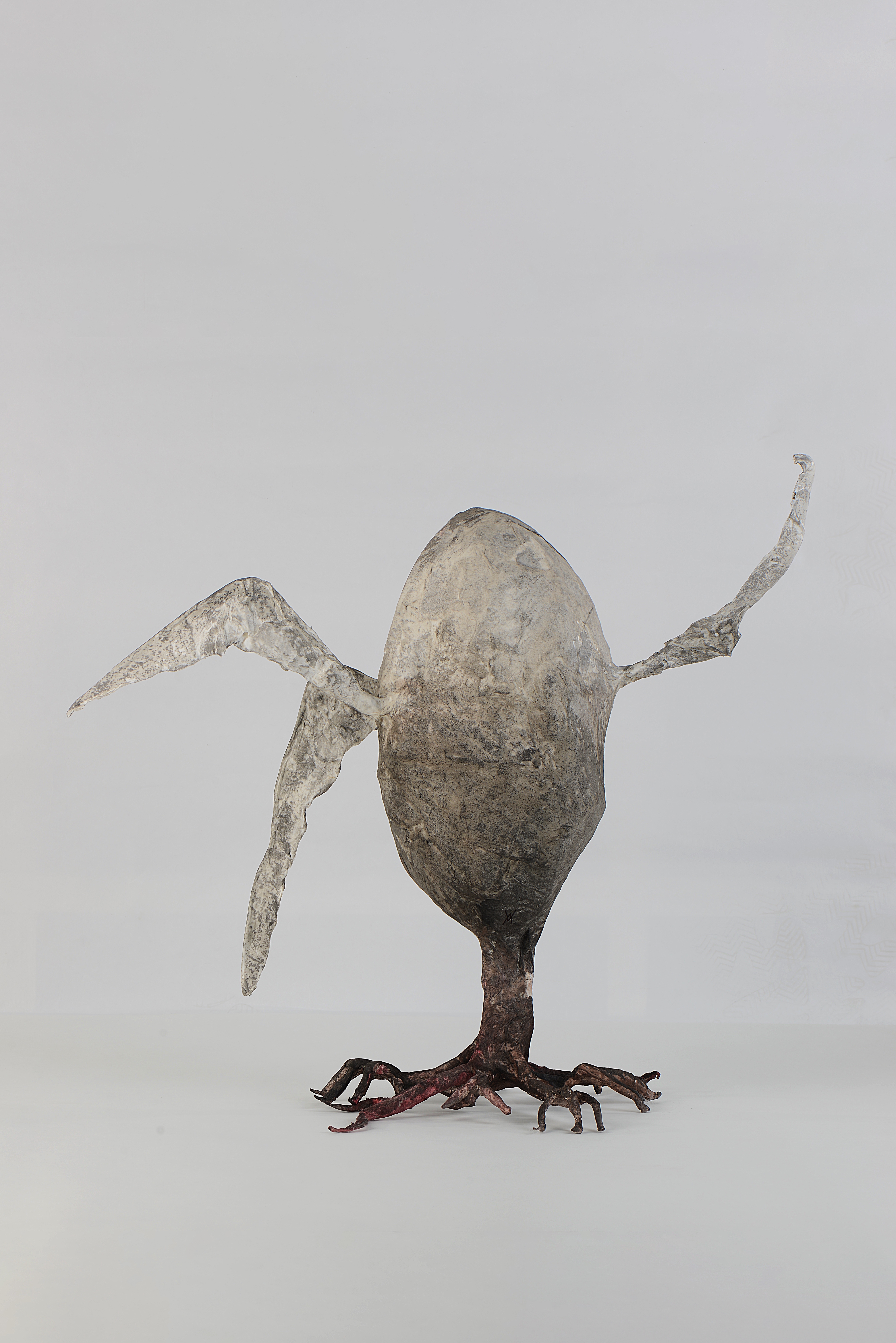
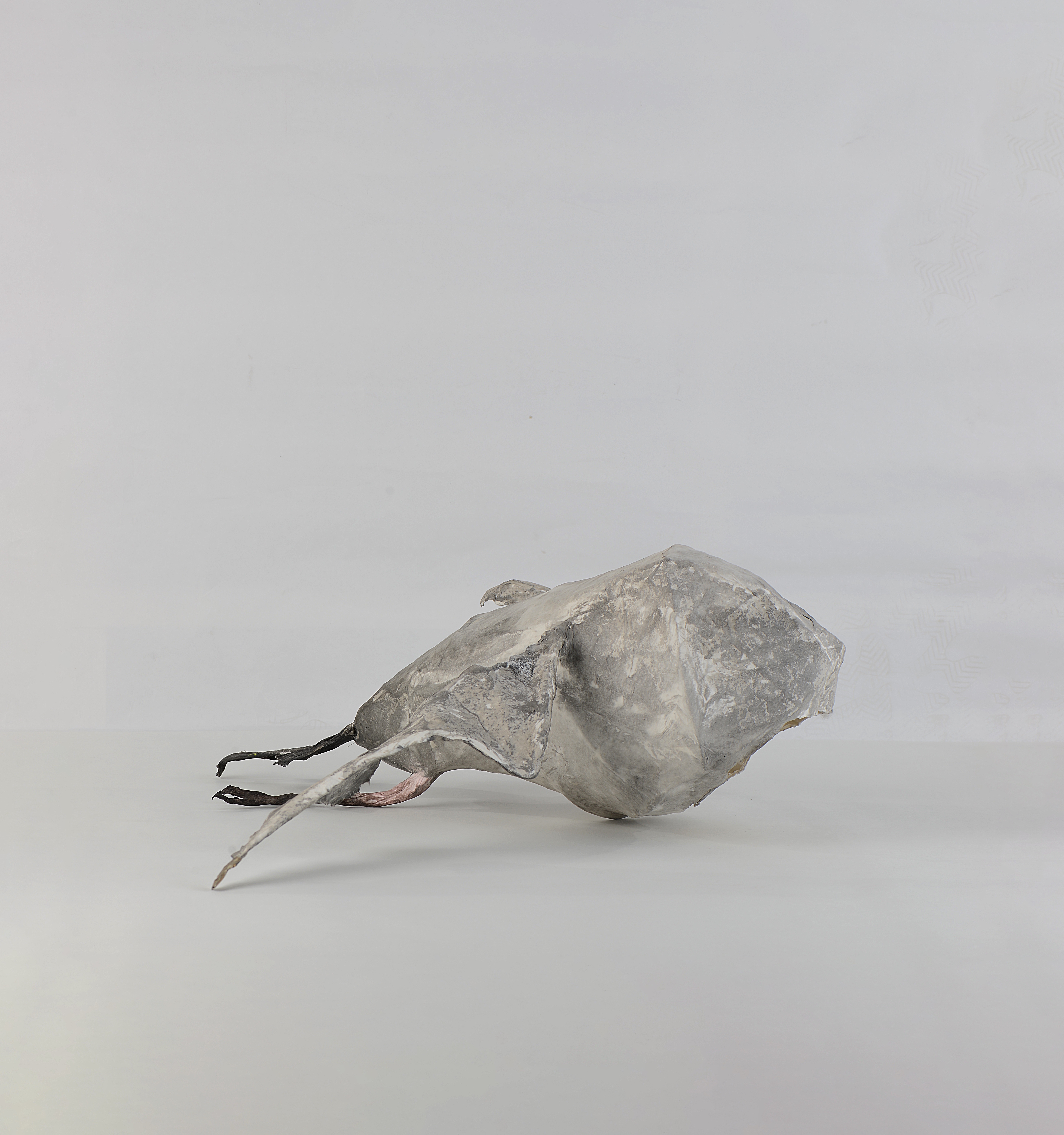
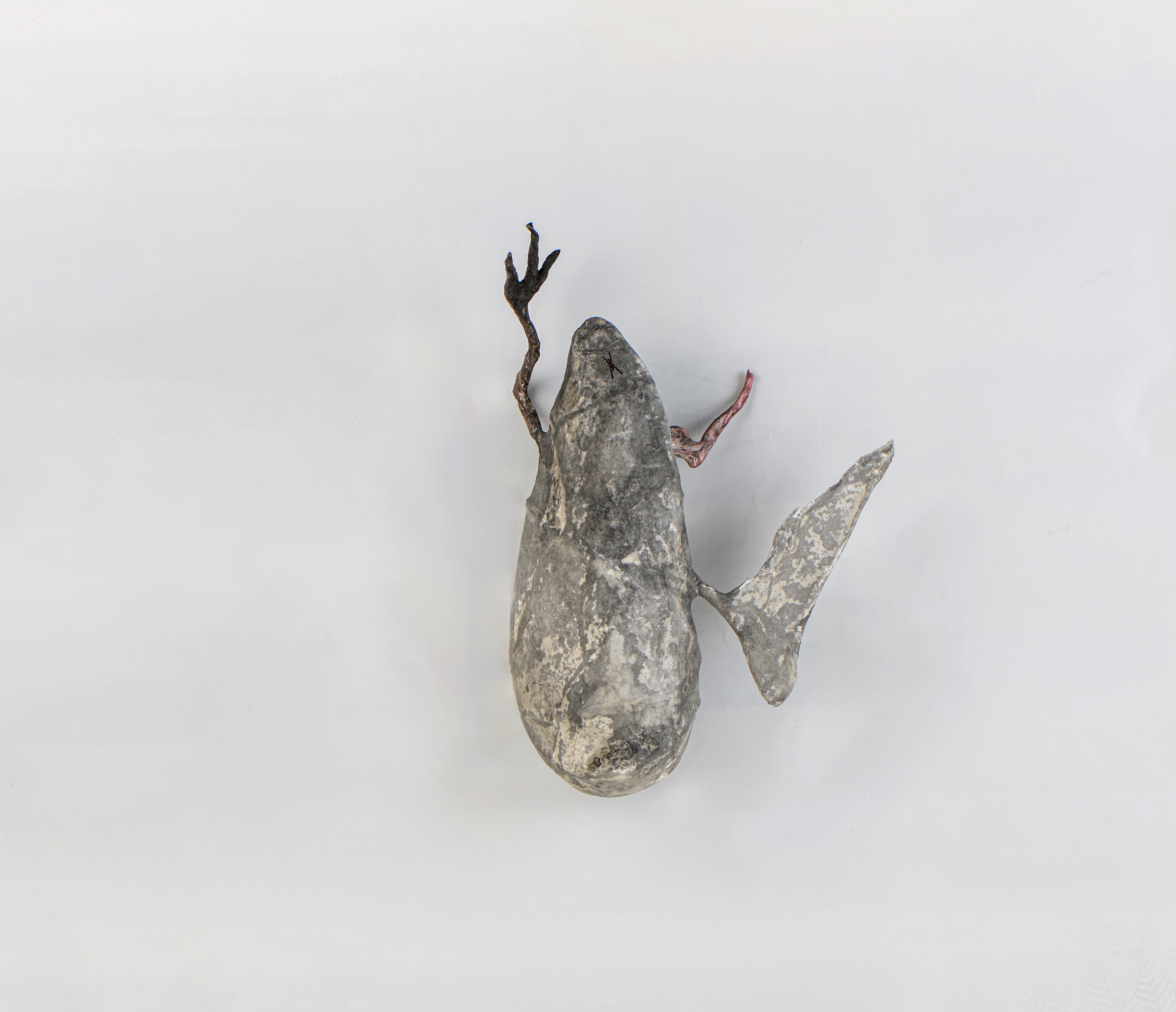
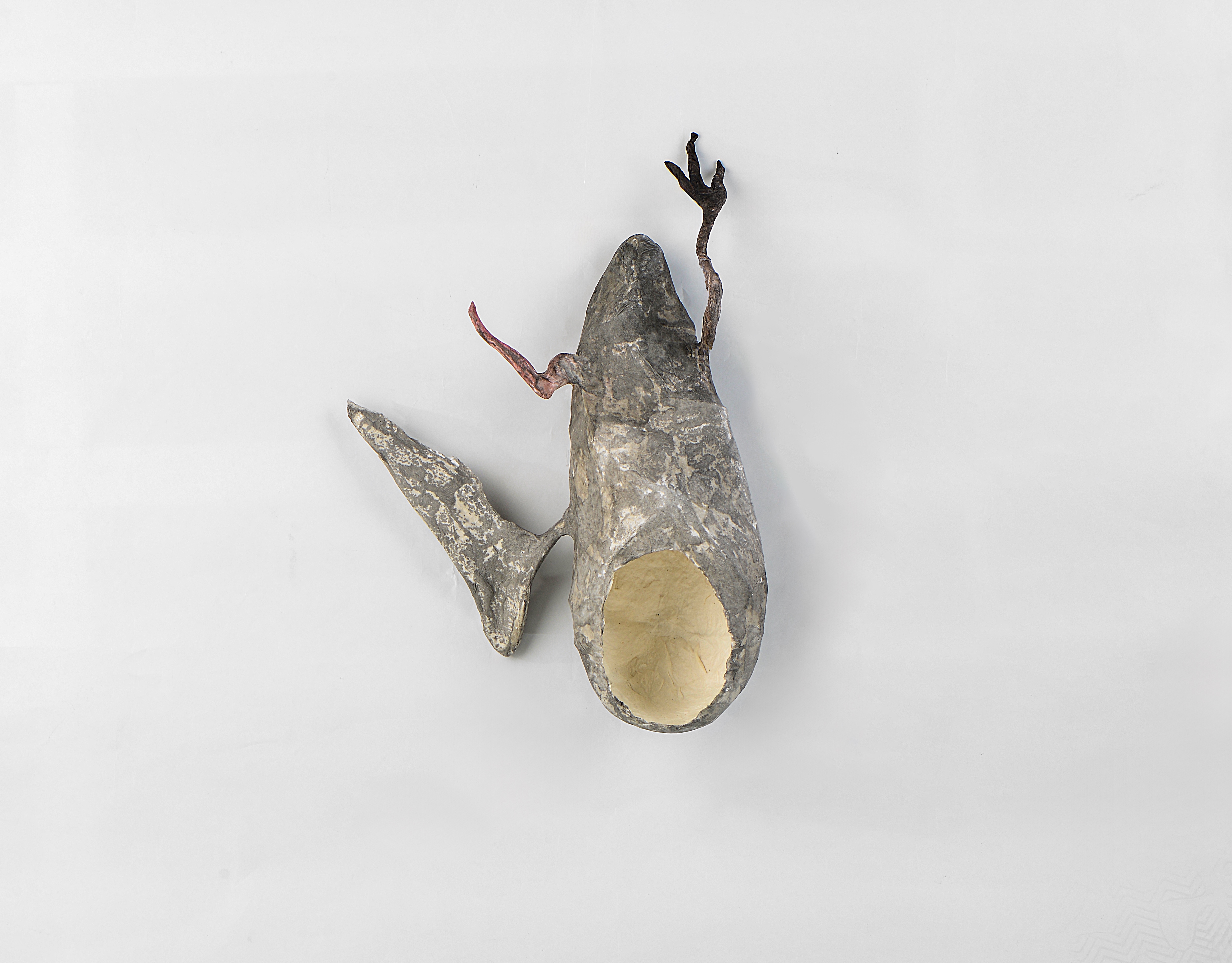
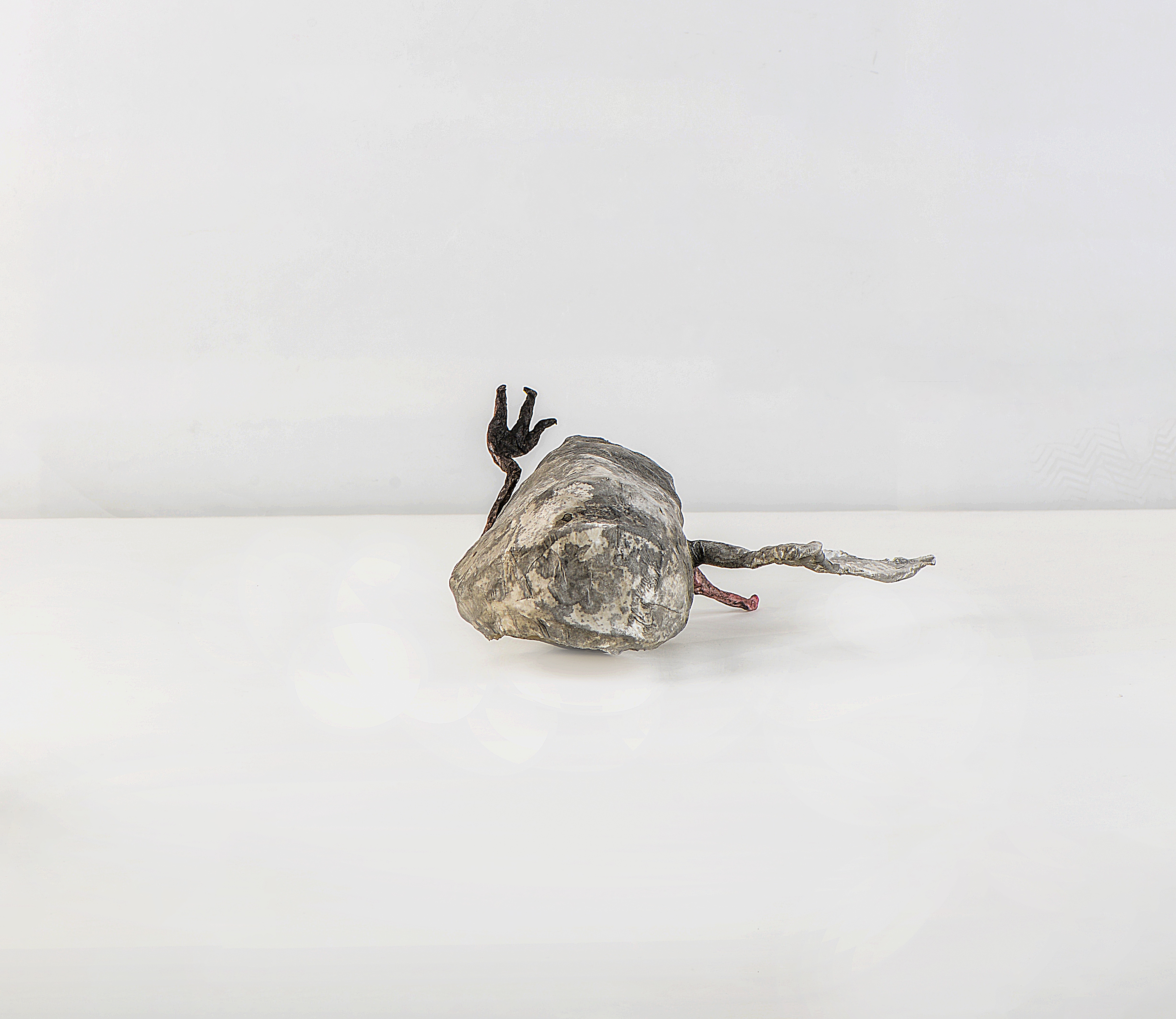
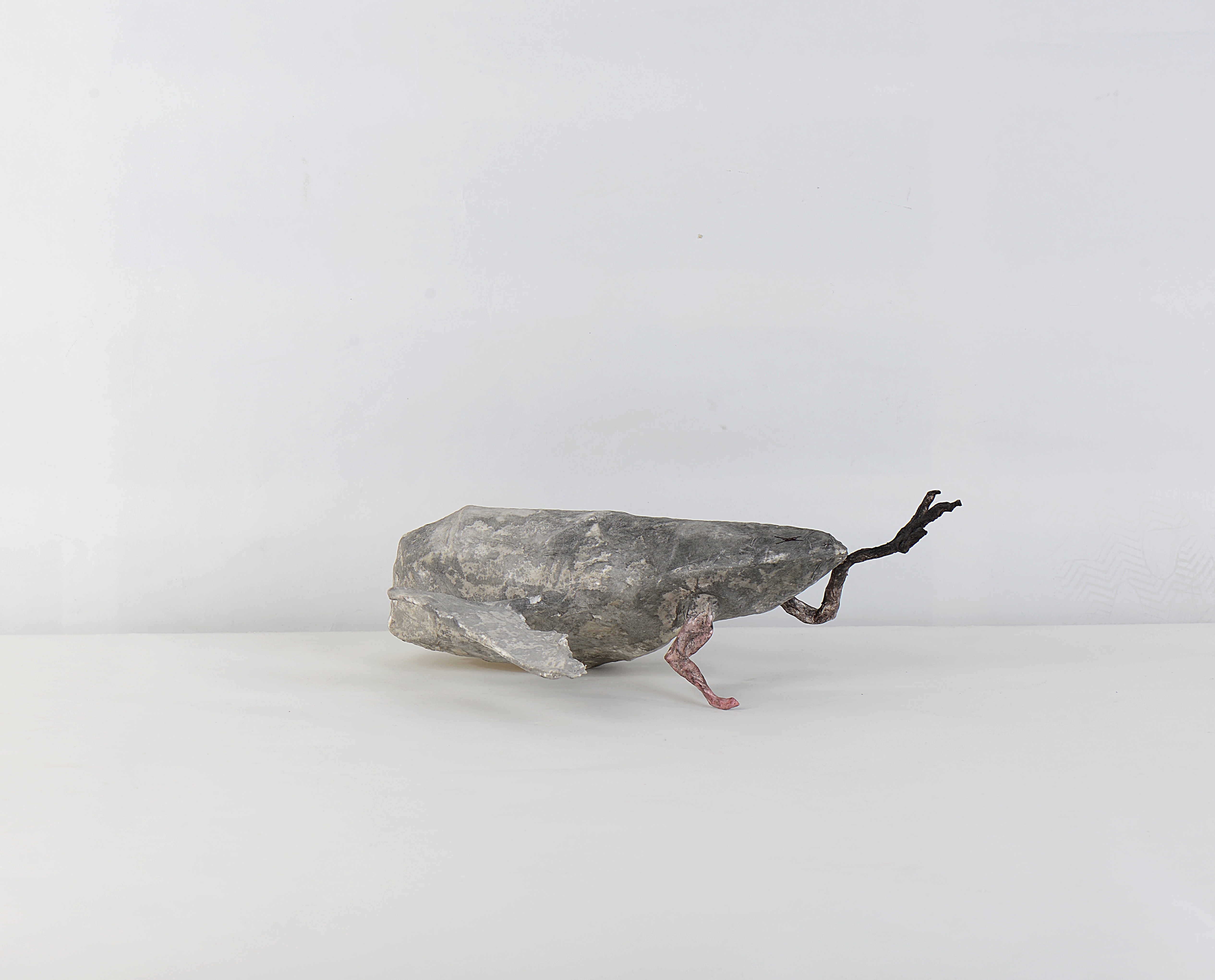
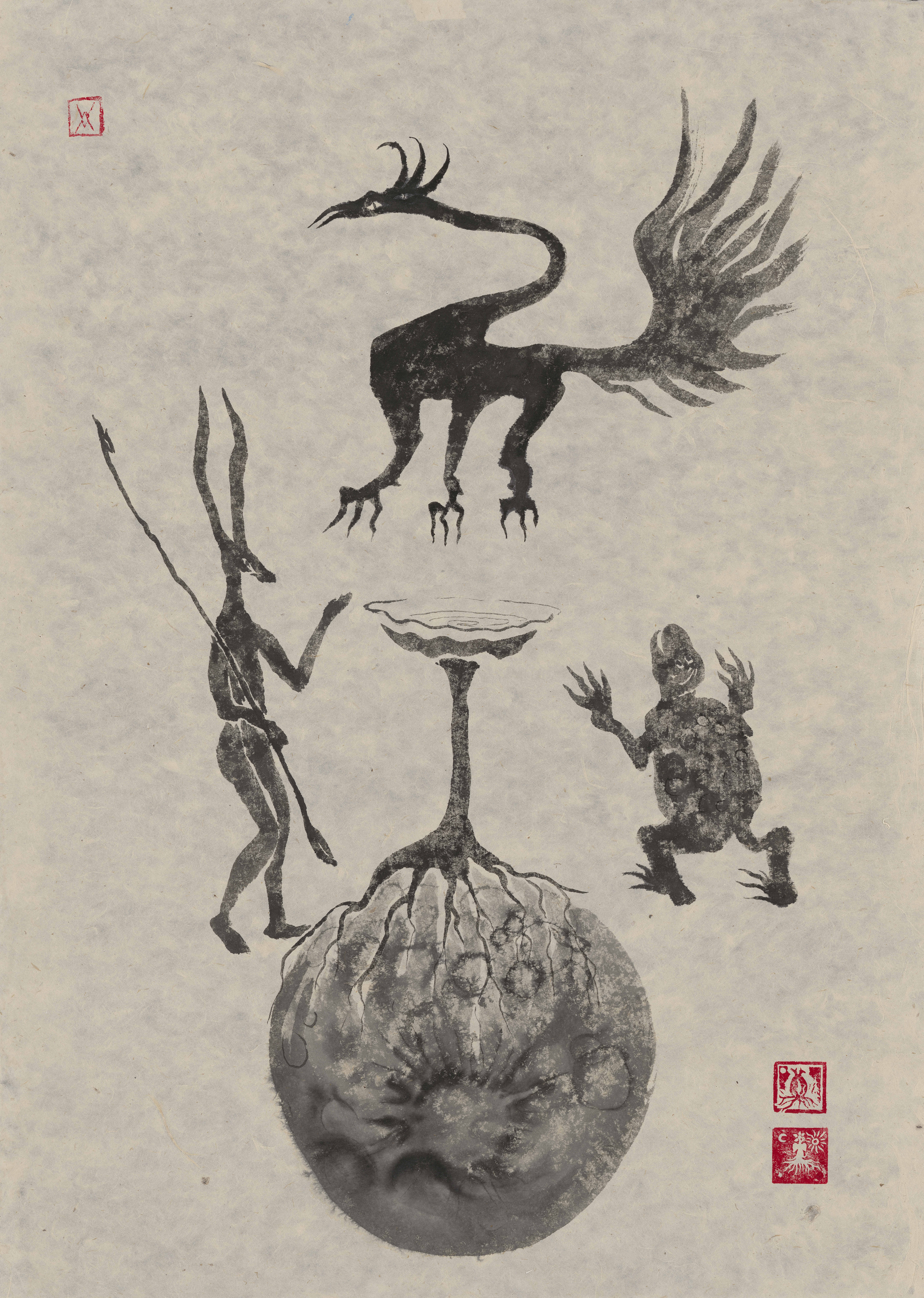
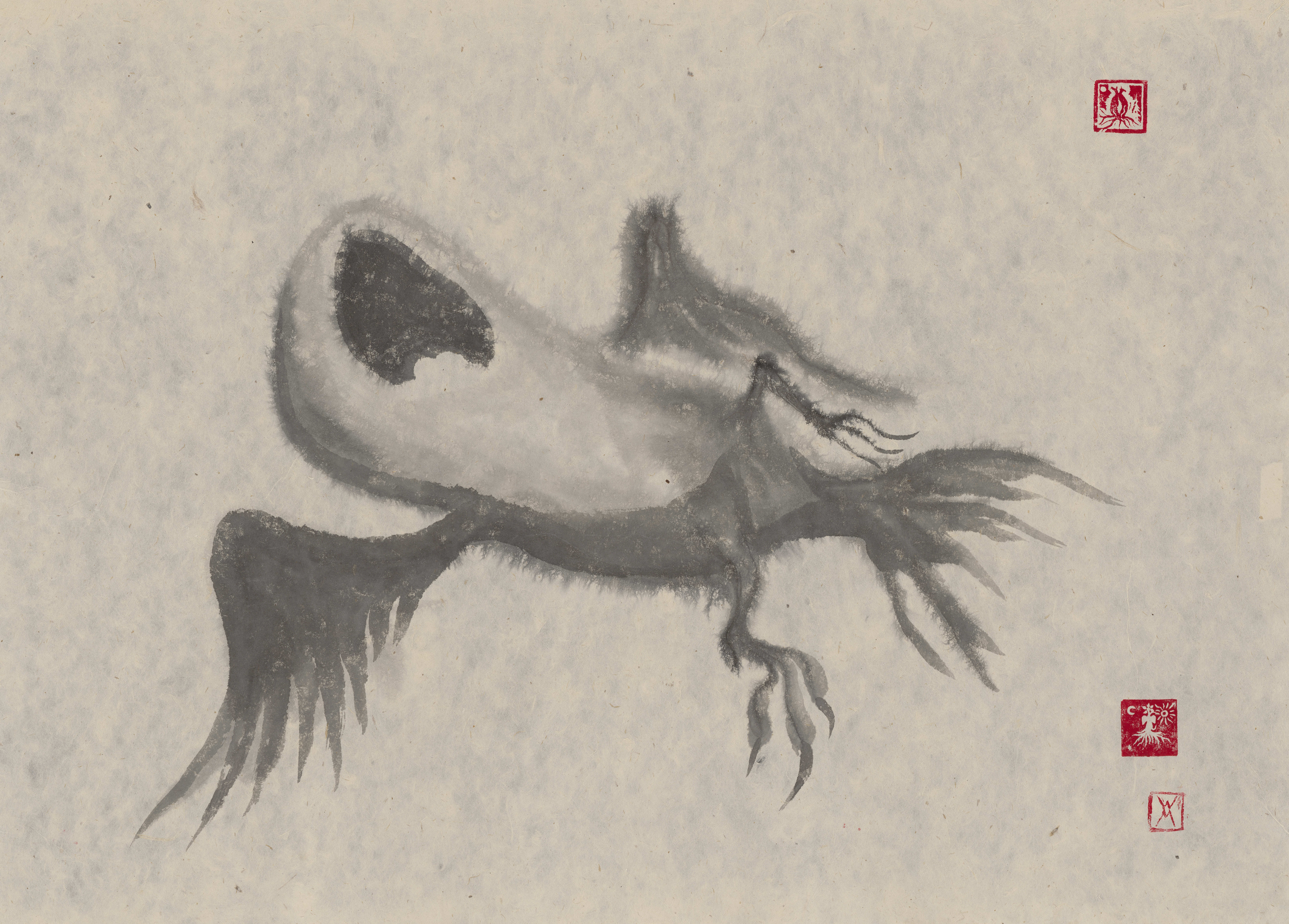
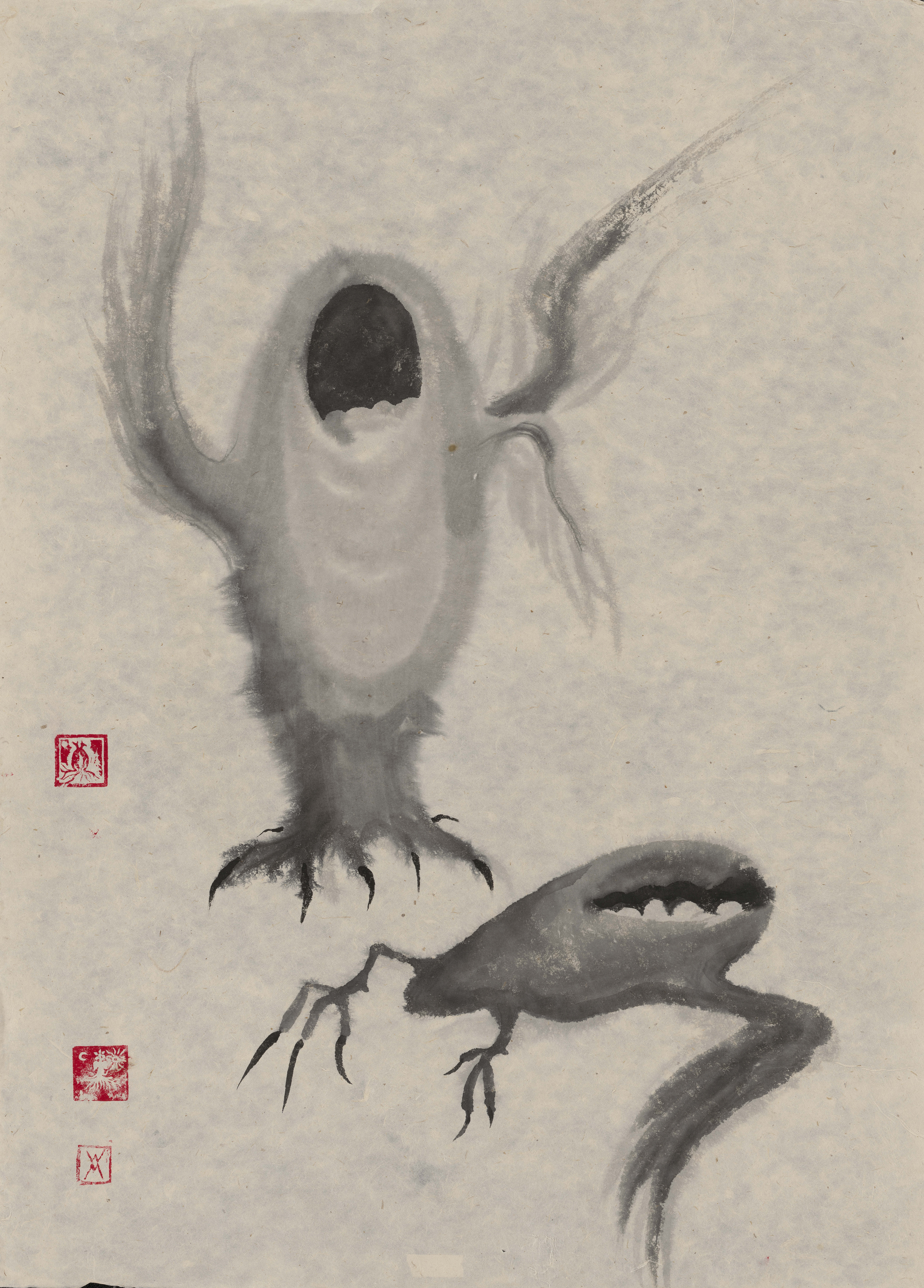
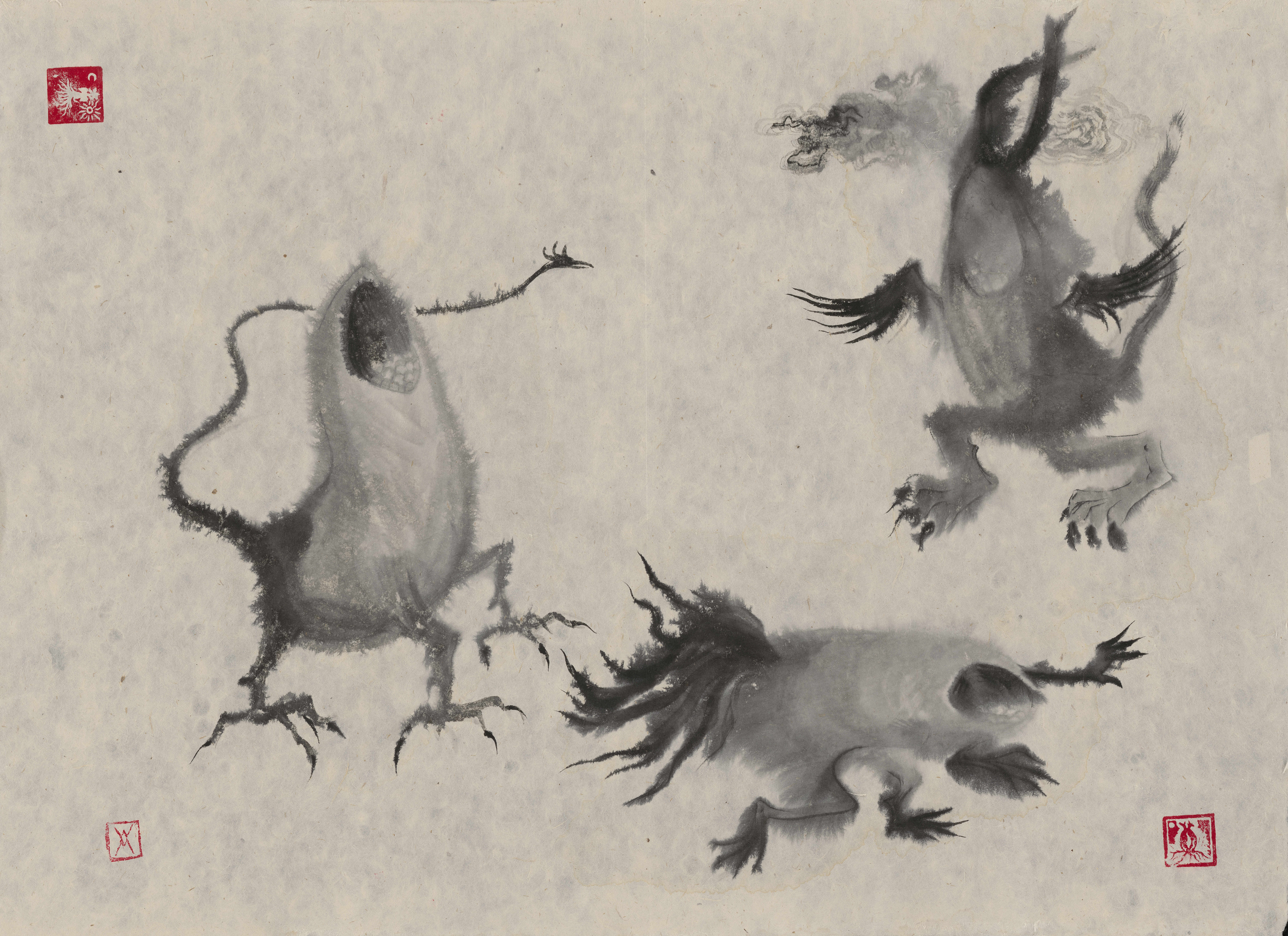
Birds - Imago series
Born on 31 October 1984 in Novosibirsk, Russian Federation
After completing higher education in the specialty "journalist" (NPGU, Novosibirsk), she moved to Moscow, where she defended her PhD dissertation at the Department of Philology (MPGU, Moscow).
After a long period of work in her specialty, including on television, she changed her profile. She and her sister opened a clothing brand and began to study fashion design, and later the history of art (BVSHD - General course, Fashion design, Contemporary art; Courses on art). Then she went deep into the study of art. She first received education at the School of Contemporary Art "Free Workshops" of MMOMA. Then she studied for two years at the Institute of Contemporary Art named after I. Bakstein, on the course "New Artistic Strategies". In the fall of 2022, a personal exhibition "Between Reality and Nav" took place at the 24/7 gallery.
During this time, Vasilisa has participated in dozens of group exhibitions, including MMOMA (2020), New Tretyakov Gallery (2021), Moscow Museum (2022). She has participated in 7 residencies, the latest of which are “SVODY” GES-2, the “Collab” program and “Open Studios” Winzavod (2022). She participated in the Blazar exhibition twice (2020-2021).
In addition, she became a co-organizer of the Boloto art association (2020). Within its framework, Vasilisa Lebedeva acts not only as an artist, but also as a curator, organizing residencies and exhibitions. In the second year of its existence, the self-organization held the “Bolotnoye Biennale” (2022).
Vasilisa lives and works in Moscow.
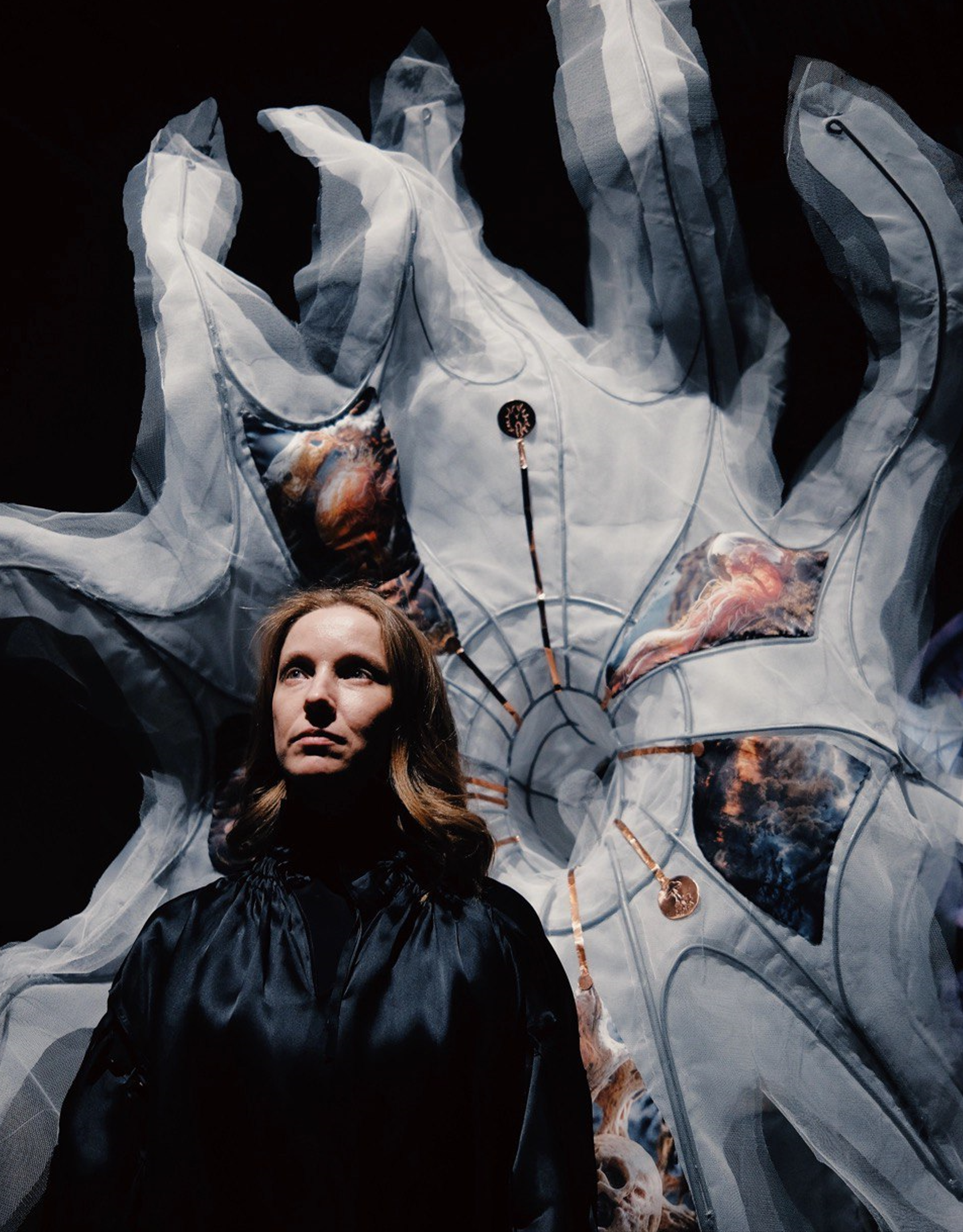
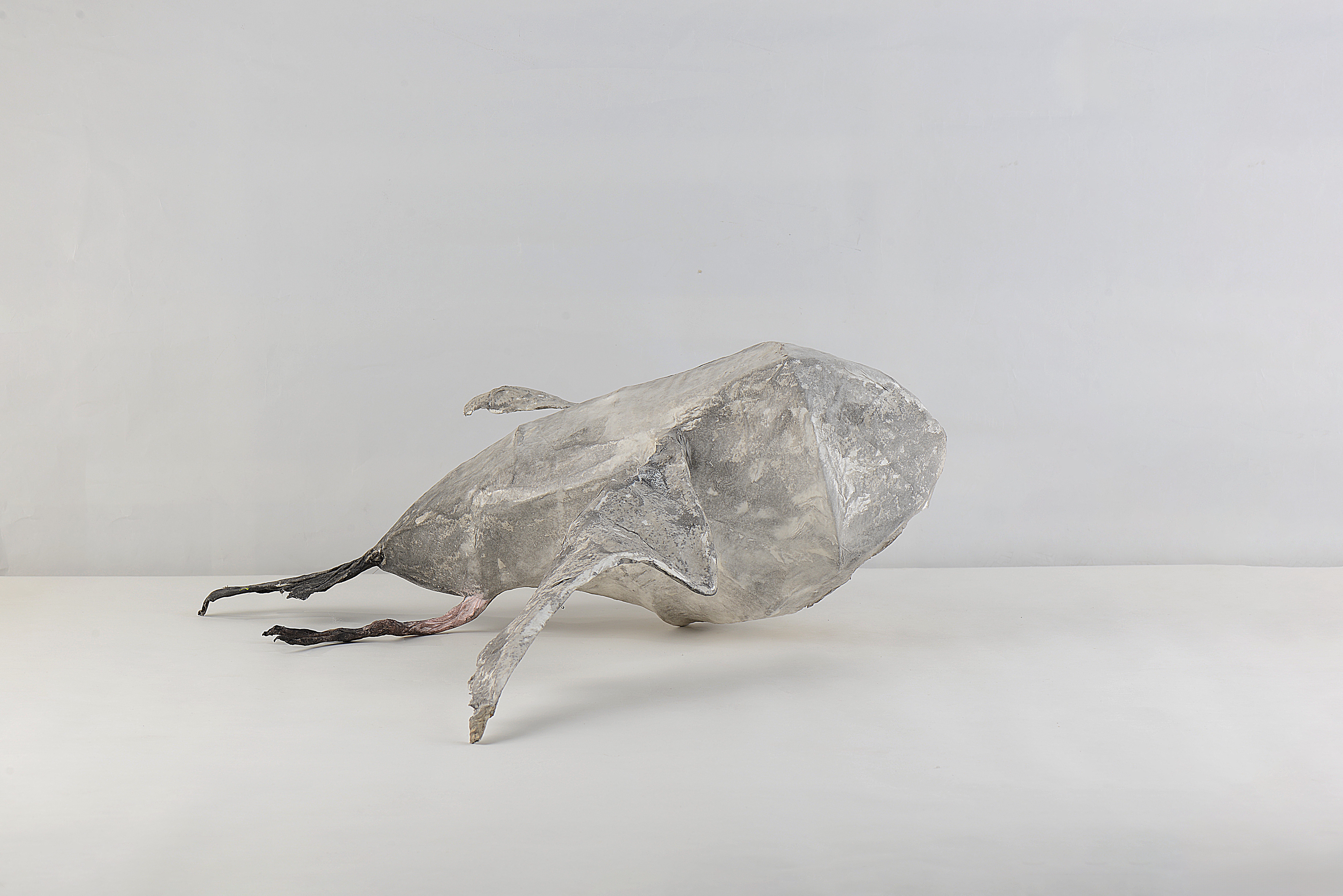
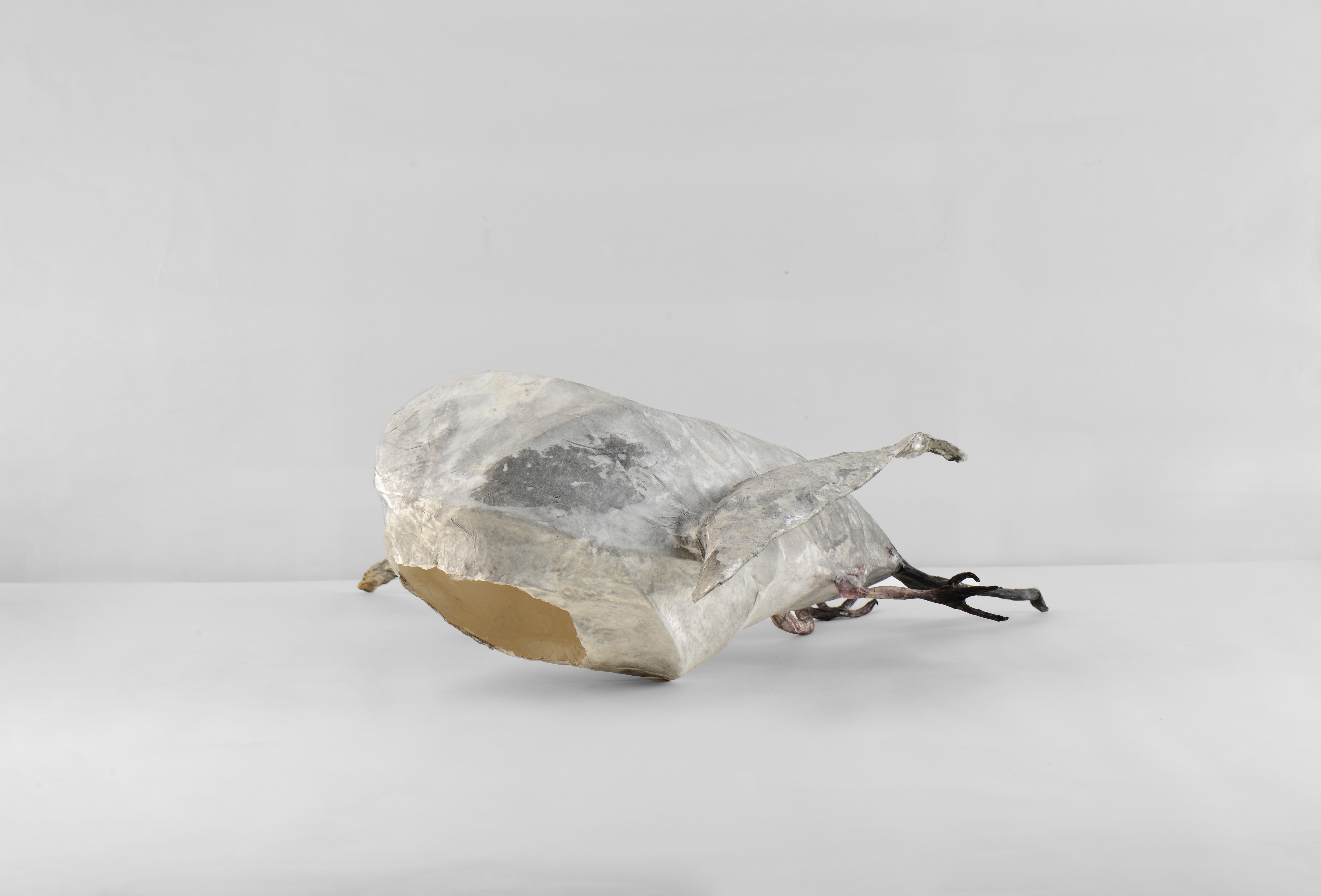
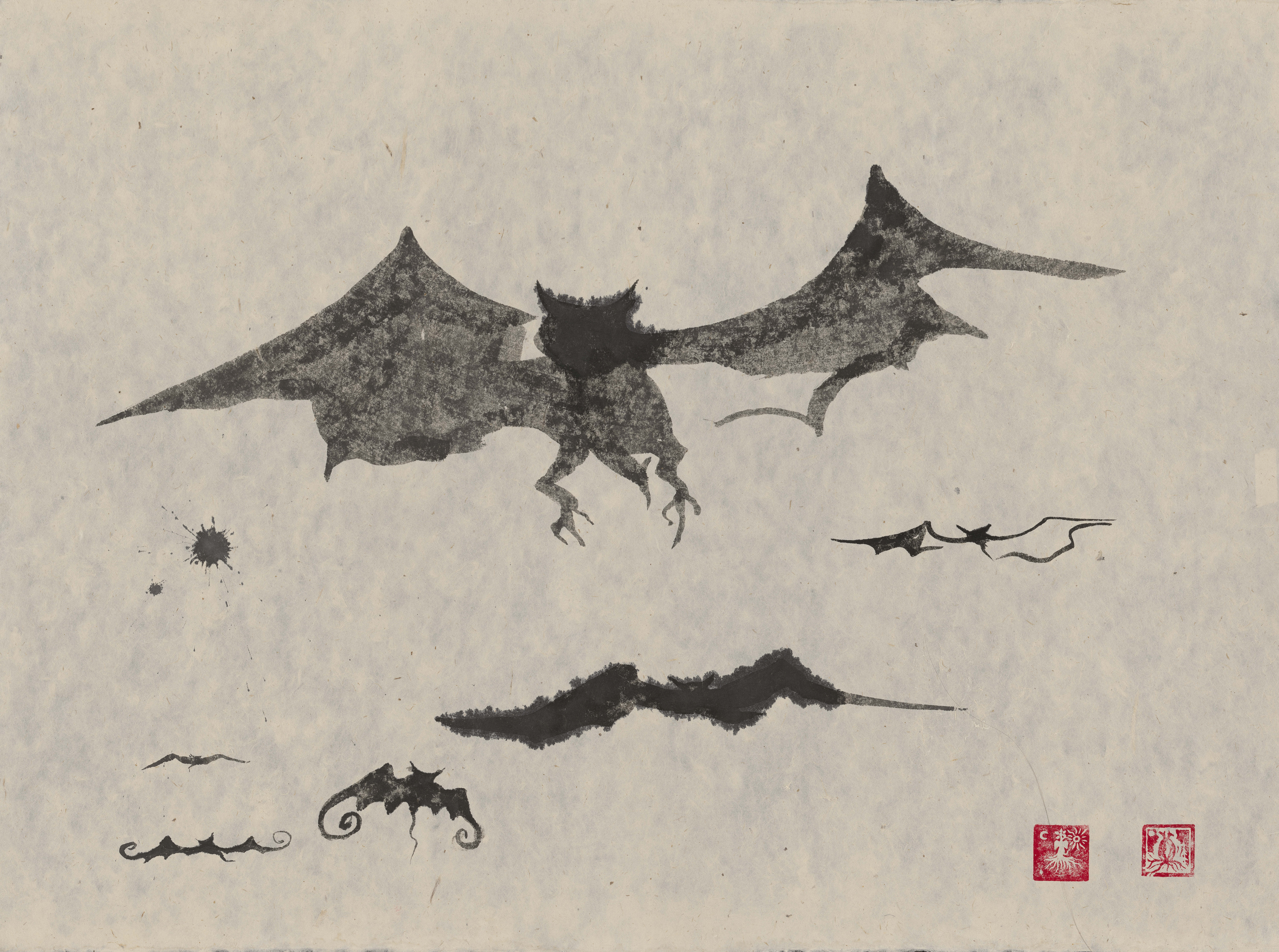
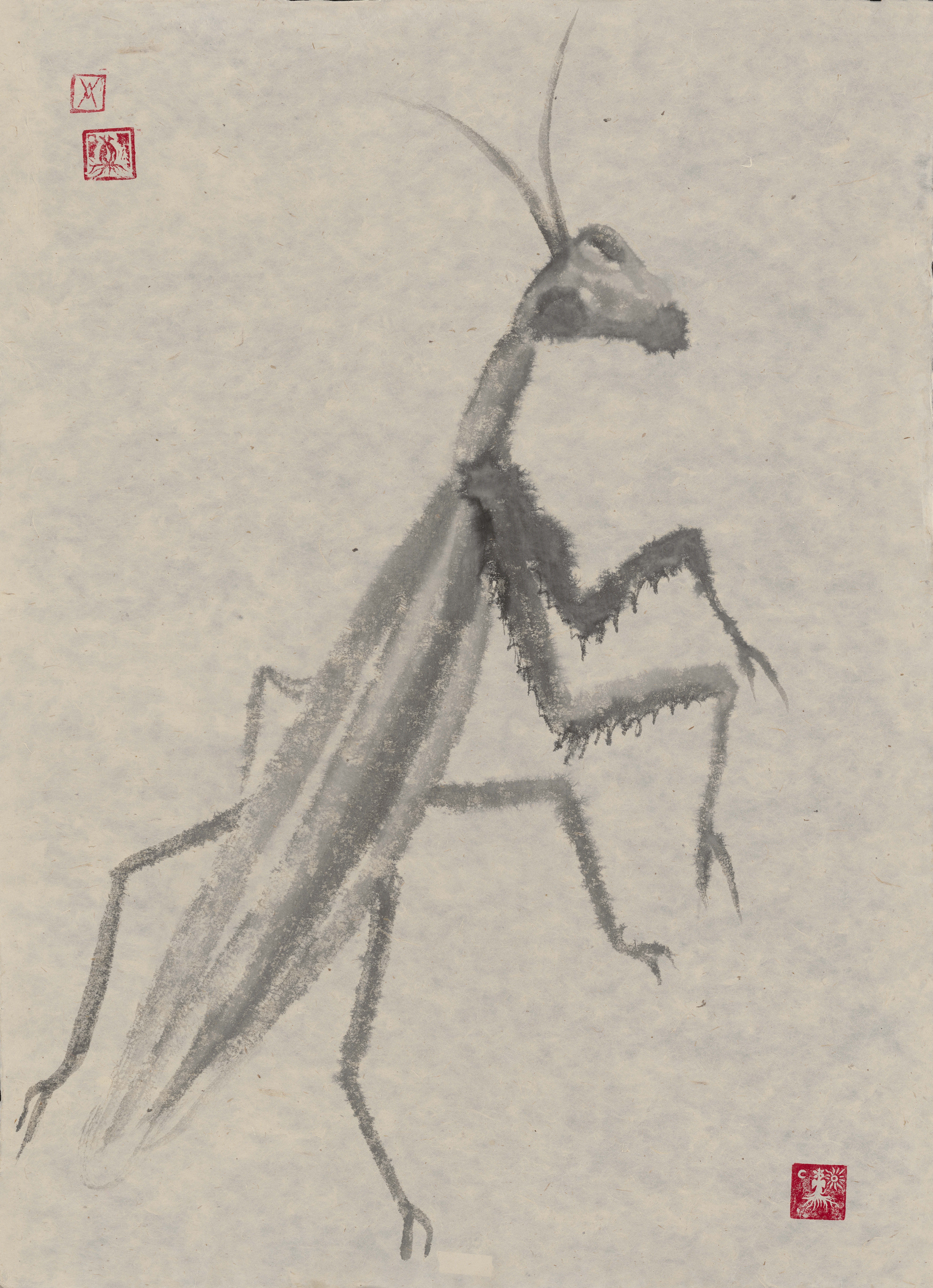
In her artistic practice, she explores the practices of initiation as a moment of personality transformation through going beyond the boundaries of the familiar world, knowledge and reality. The key concept in her research is fear. On the one hand, it is usually perceived as something that hinders a comfortable life and development, on the other hand, it also contains the potential for development, so in her practice she considers fear through several aspects. Through participatory objects, she brings the viewer face to face with fears or their consequences. And she proposes through this direct contact to explore it and find ways of interaction.